Artwork
Sonntagsreiter (Sunday Riders)
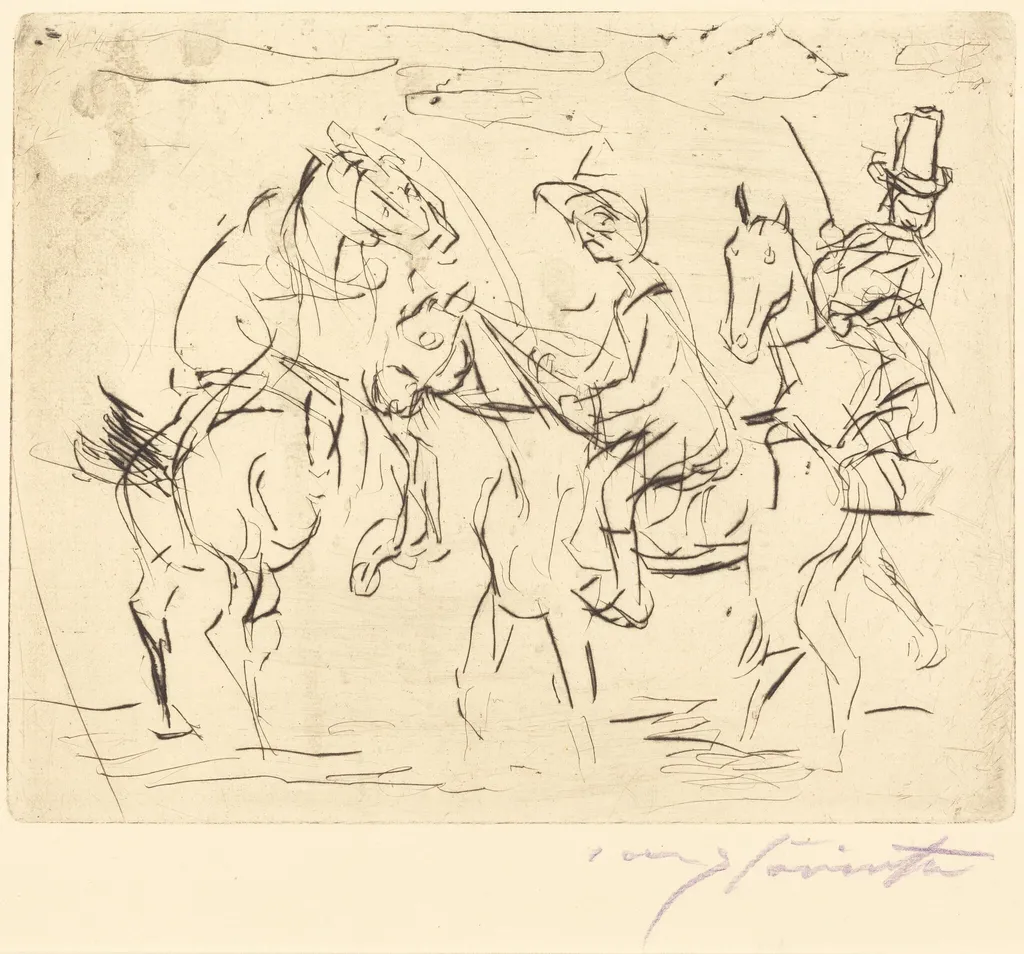
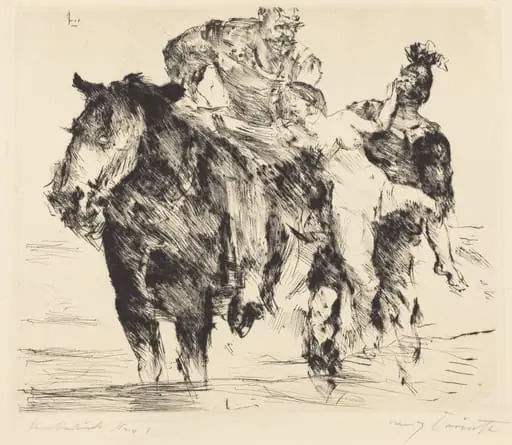
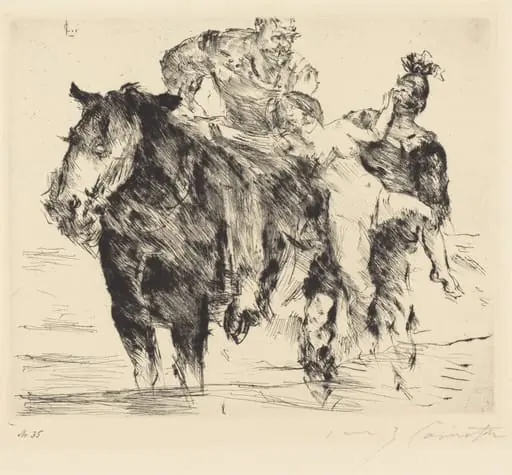
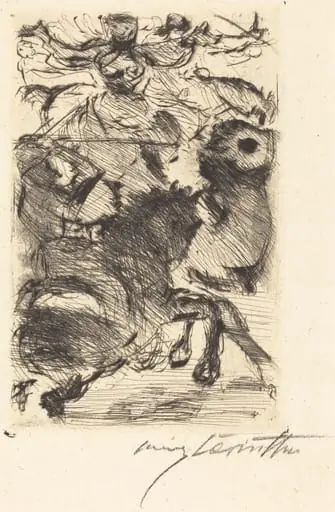
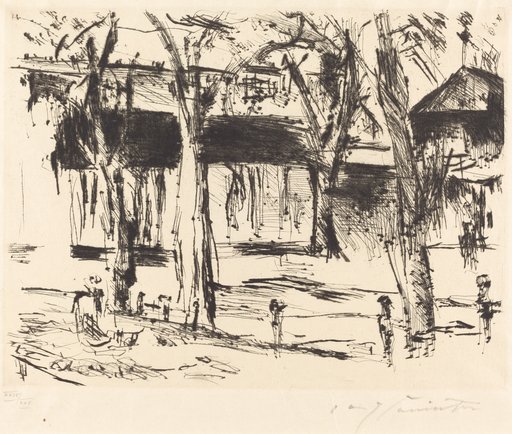
Sonntagsreiter (Sunday Riders) is an ink print by Lovis Corinth. It dates from 1920 and is held in the collection of the National Gallery of Art.
- Inscription
- Inscribed:lower right in purple pencil: Lovis Corinth; lower left verso in graphite by unknown hand: Schw. 406
About this work
Overview
Sonntagsreiter (Sunday Riders) is a 1920 drypoint print on laid paper by Lovis Corinth, a German artist known for transitioning from naturalism to expressionism after a stroke in 1911.
Subject & Meaning
The print depicts four horse riders in a loose, dynamic composition, suggesting a casual Sunday outing. The expressive, sketchy quality may imply a focus on capturing movement and energy over detailed representation.
Technique & Style
Executed in drypoint, the work features characteristic scratchy, uneven lines. Corinth's post-stroke expressionist style is evident in the simplified forms of horses and riders, conveying a sense of spontaneity and urgency.
History & Provenance
Created in 1920, after Corinth's stylistic shift towards expressionism. Trained in Paris and Munich, he later led the Berlin Secession, influencing the development of early 20th-century German art.
Context
Part of Corinth's later graphic output, Sonntagsreiter reflects the broader Expressionist movement in early 20th-century Europe, emphasizing emotional intensity and expressive technique over naturalistic precision.
Own this work as a print
Artist & collection
Artist
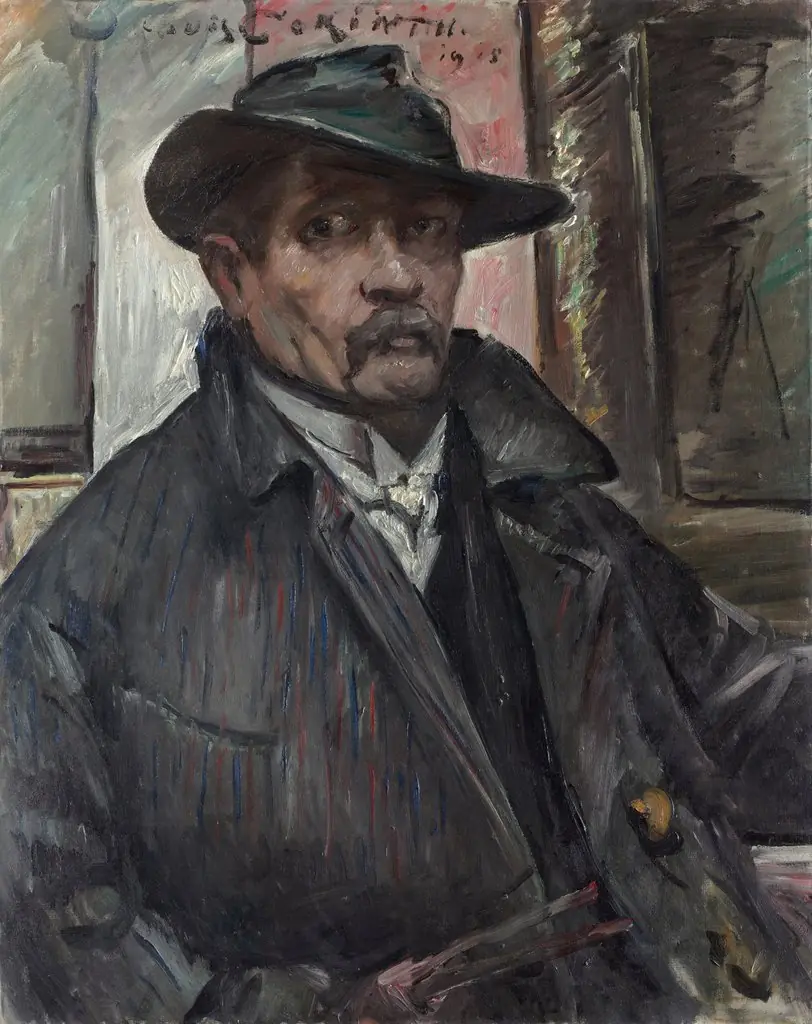
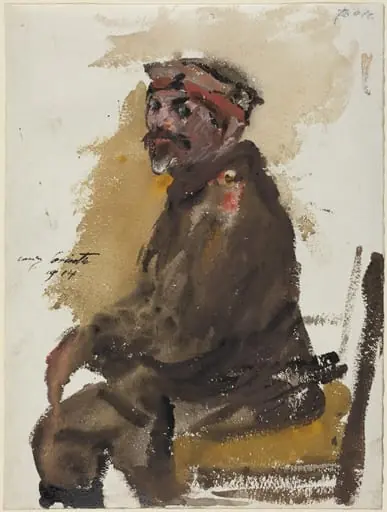
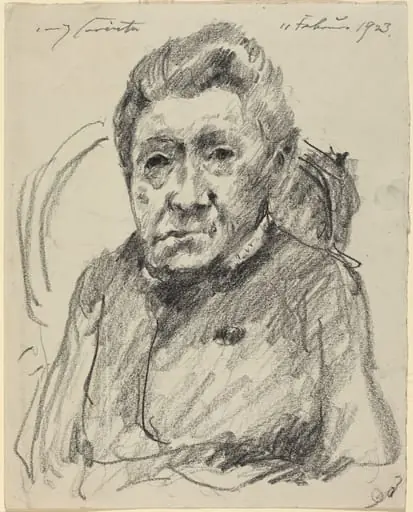
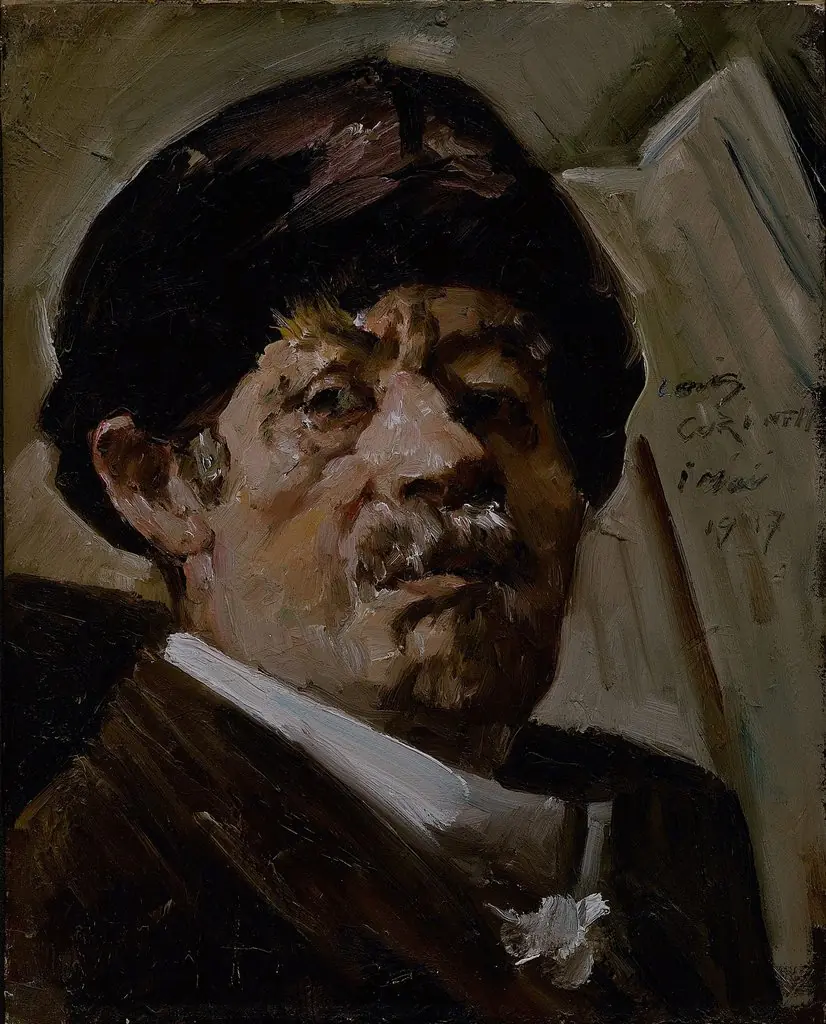
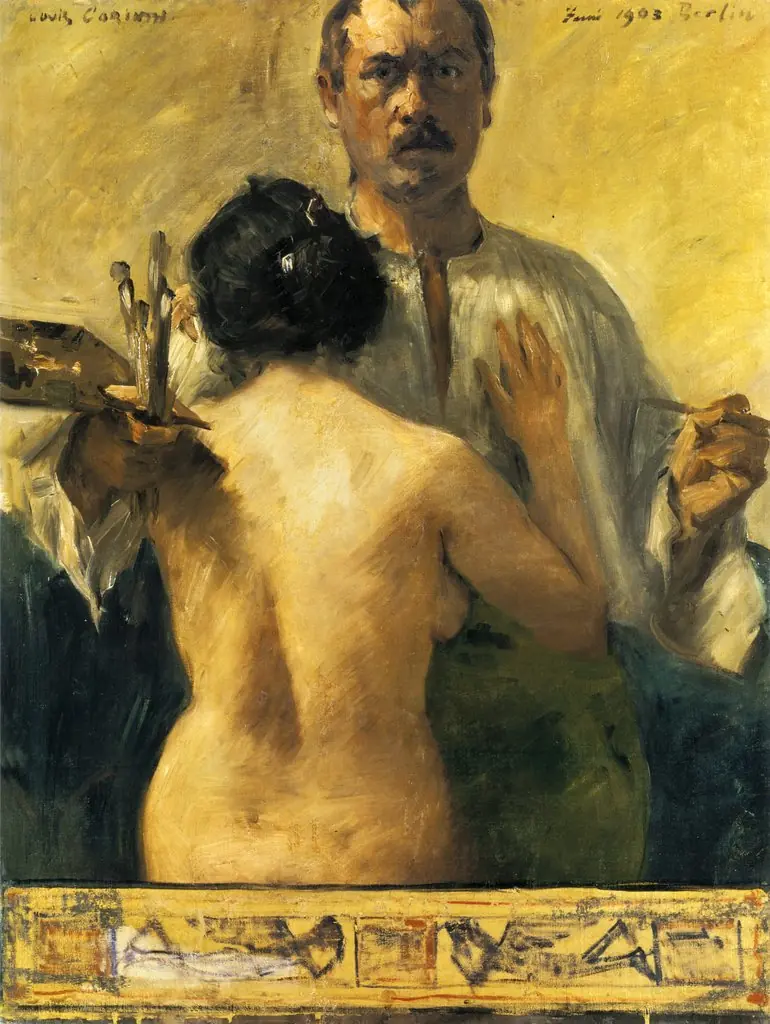
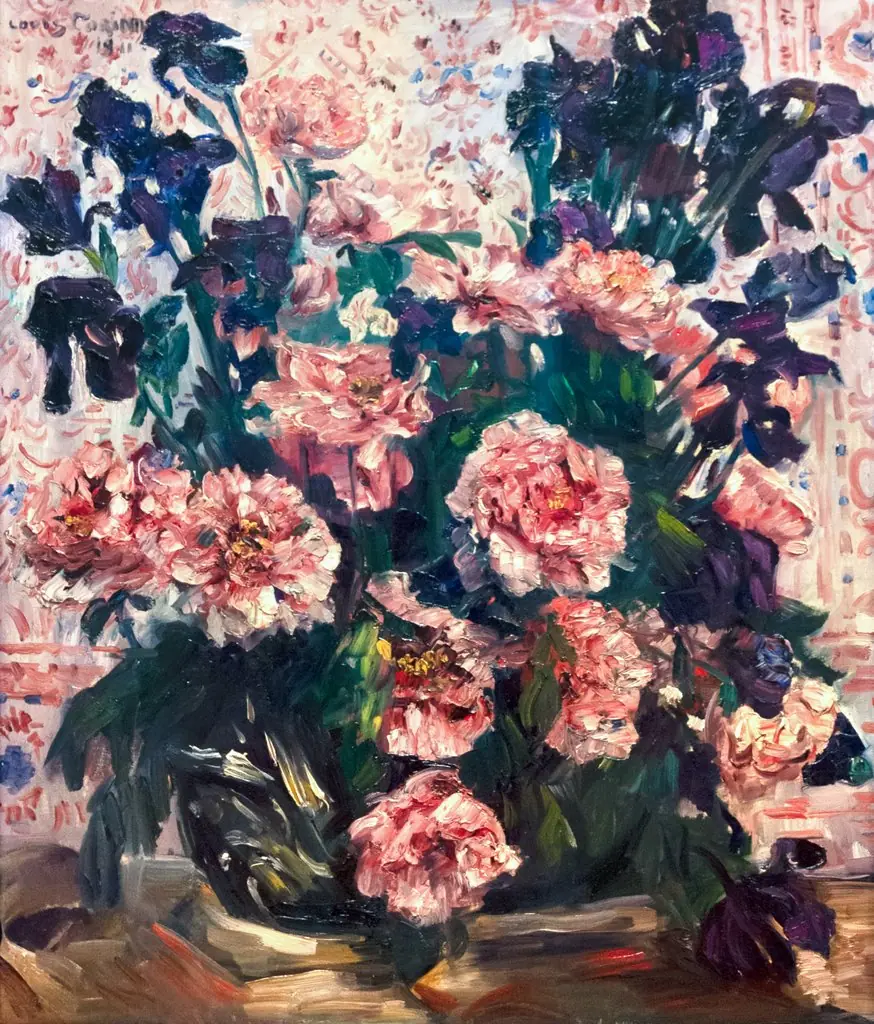
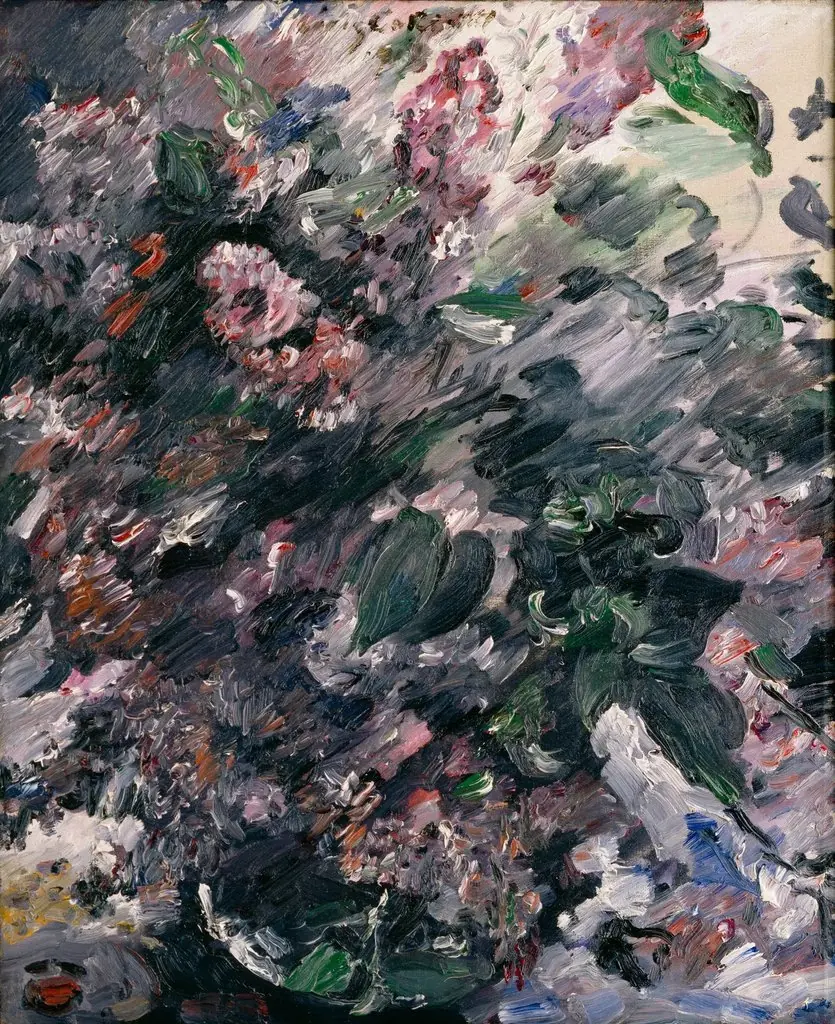
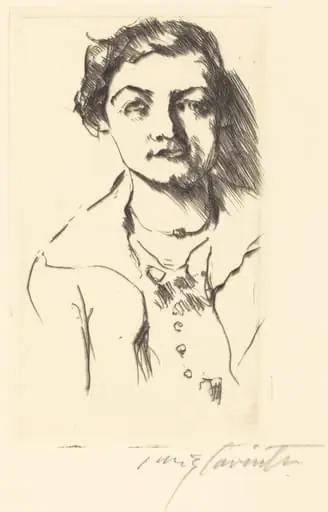
Lovis Corinth (21 July 1858 – 17 July 1925) was a German artist and writer whose mature work as a painter and printmaker realized a synthesis of impressionism and expressionism.