Artwork
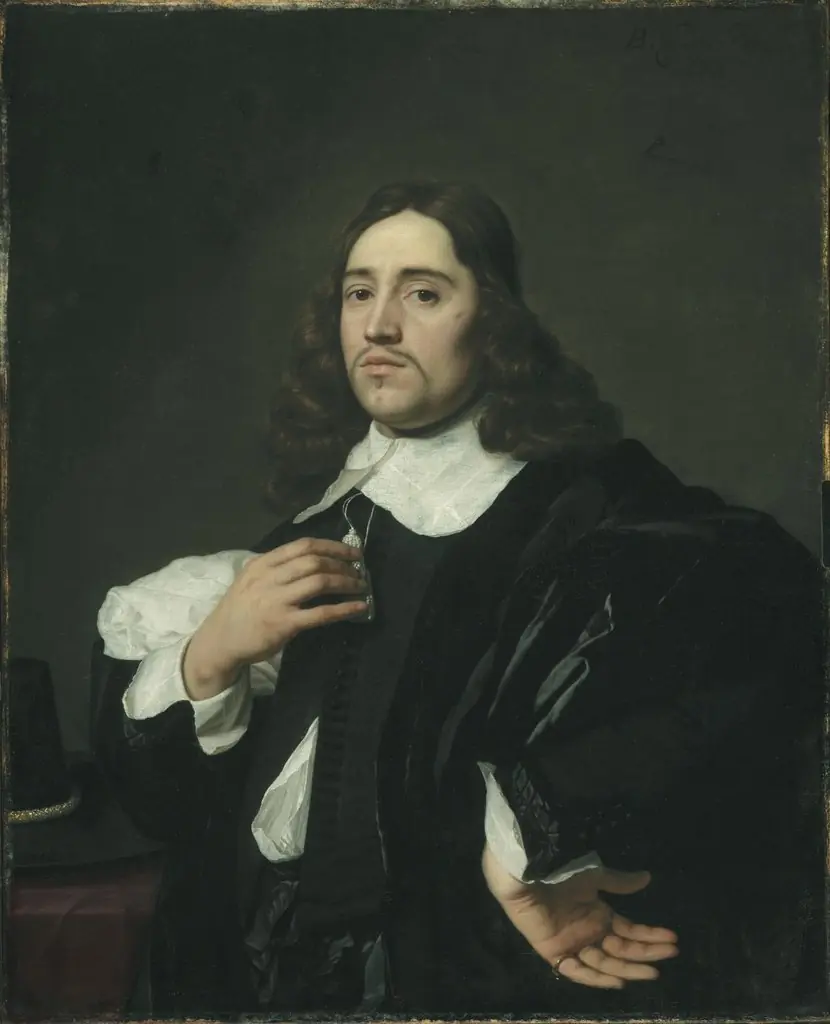
Jacobus Trip (1627-70), Armaments Dealer of Amsterdam and Dordrecht
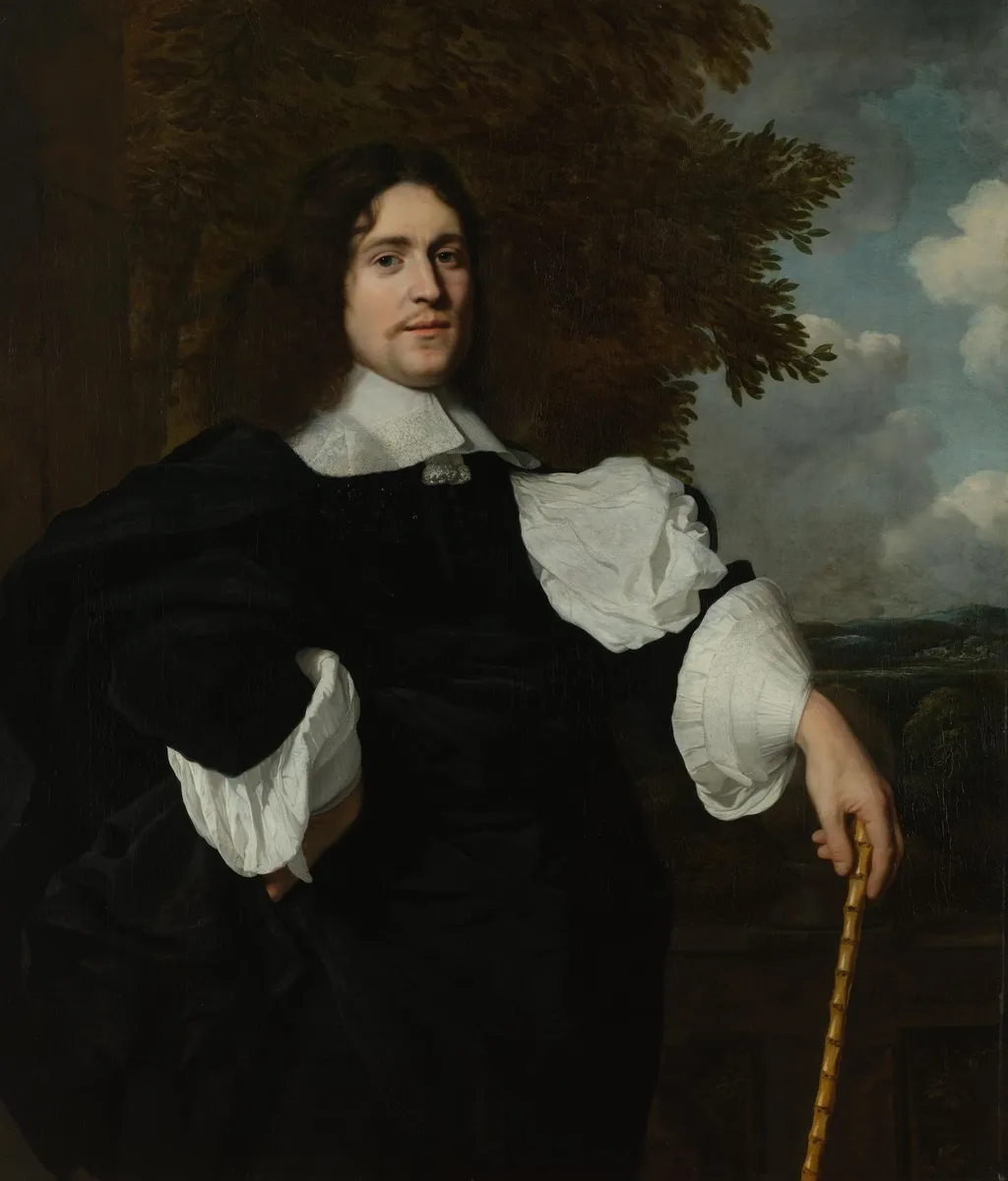
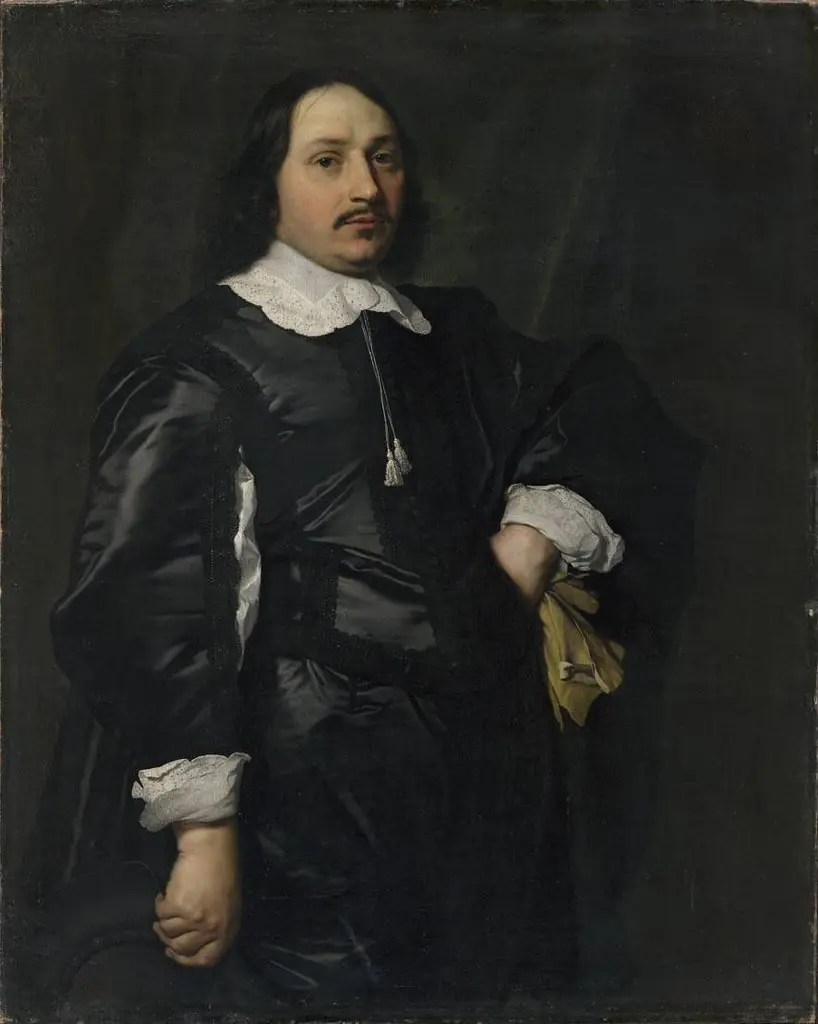
Jacobus Trip (1627-70), Armaments Dealer of Amsterdam and Dordrecht is an unspecified painting by the Dutch Golden Age artist Bartholomeus van der Helst. It dates from 1658 and is held in the collection of the Rijksmuseum. Jacobus Trip, a prominent armaments dealer in 17th-century Amsterdam and Dordrecht, is the subject of this portrait.
About this work
Subject & Meaning
The work belongs to the tradition of Dutch Golden Age portraiture, where likenesses of elite patrons emphasized social rank and professional identity.
The portrait of Jacobus Trip presents him as an armaments dealer, a status indicated by his title and the context of his commercial activities in Amsterdam and Dordrecht. The work belongs to the tradition of Dutch Golden Age portraiture, where likenesses of elite patrons emphasized social rank and professional identity. Symbolically, the depiction conveys the wealth and influence derived from the trade of military supplies during a period of economic expansion and maritime power. The painting thus represents not only an individual likeness but also the broader themes of commerce, status, and the role of merchants in the Dutch Republic's political economy.
Technique & Style
Created on canvas, the portrait of Jacobus Trip is an oil painting executed in the Dutch Golden Age style. Bartholomeus van der Helst employed a technique characterized by clear drawing, plasticity, and even lighting to achieve a flattering, elegant likeness. His handling is noted for being smooth, clean, and precise, relying on a pleasant palette of light and clear colors rather than the dark, introspective intensity found in the work of his contemporary Rembrandt. The artist aimed for maximum clarity and a striking resemblance, prioritizing a good likeness over idealization. This polished approach, influenced by Anthony van Dyck, resulted in a sophisticated composition where the sitter is presented with noble bearing. The work exemplifies the smooth, less psychological style that became fashionable in mid-seventeenth-century Amsterdam, distinguishing it from the more rugged or emotional handling of other masters of the period.
Context
Bartholomeus van der Helst is recognized as a leading portrait painter of the Dutch Golden Age, celebrated for his elegant and flattering depictions of Amsterdam's elite. His style, characterized by clear drawing and a pleasant palette, was often considered more immediately appealing than the introspective works of his contemporary Rembrandt. This commercial success led some of Rembrandt's pupils, such as Ferdinand Bol and Govert Flinck, to adopt van der Helst's smoother technique. His 1648 masterpiece, *Banquet of the Amsterdam Civic Guard in Celebration of the Peace of Münster*, secured his fame for future generations. The work was admired by later artists including Godfried Kneller and Joshua Reynolds, with the latter reportedly calling it one of the finest portrait paintings in the world. Despite his popularity and high prices, the artist's life ended in financial difficulty, forcing the sale of his extensive art collection in 1671.
Legacy
Van der Helst's legacy rests on his dominant role in shaping Dutch portraiture during the Golden Age, particularly through his flattering yet realistic depictions of Amsterdam's elite. His 1648 Banquet of the Amsterdam Civic Guard, celebrated for its compositional sophistication and individual characterization, became a benchmark for group portraiture and influenced artists such as Godfrey Kneller and Joshua Reynolds. This work cemented his reputation as the preeminent portraitist of his era, surpassing contemporaries like Rembrandt in popularity for civic and elite commissions. His stylistic emphasis on clarity, balanced lighting, and elegant poses established a trend that persisted through the 17th century, evident in the works of pupils like Lodewijk van der Helst and followers including Govert Flinck and Eustache Lesueur. The enduring visibility of his paintings in major collections, including the Rijksmuseum and Louvre, alongside continued scholarly attention to his techniques and workshop practices, underscores his lasting impact on art historical narratives of the period.
Own this work as a print
Artist & collection
Artist
Bartholomeus van der Helst (1613 – buried 16 December 1670) was a Dutch painter. Considered to be one of the leading portrait painters of the Dutch Golden Age, his elegant portraits gained him the patronage of…

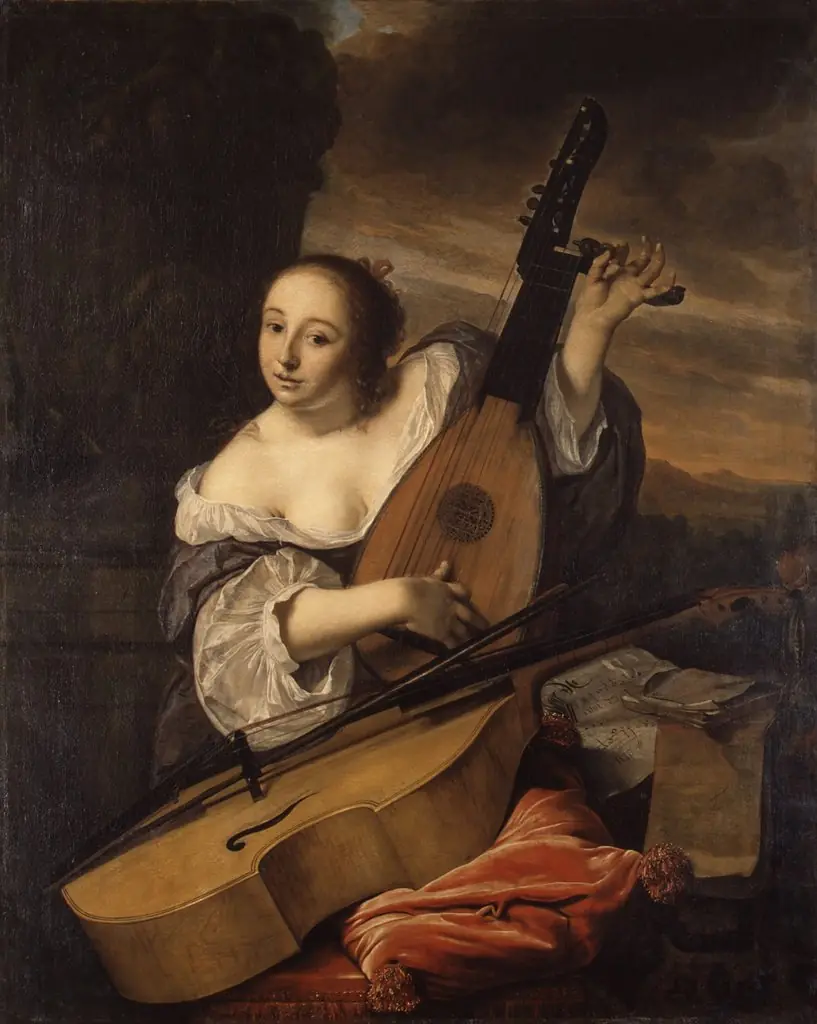 The Musician
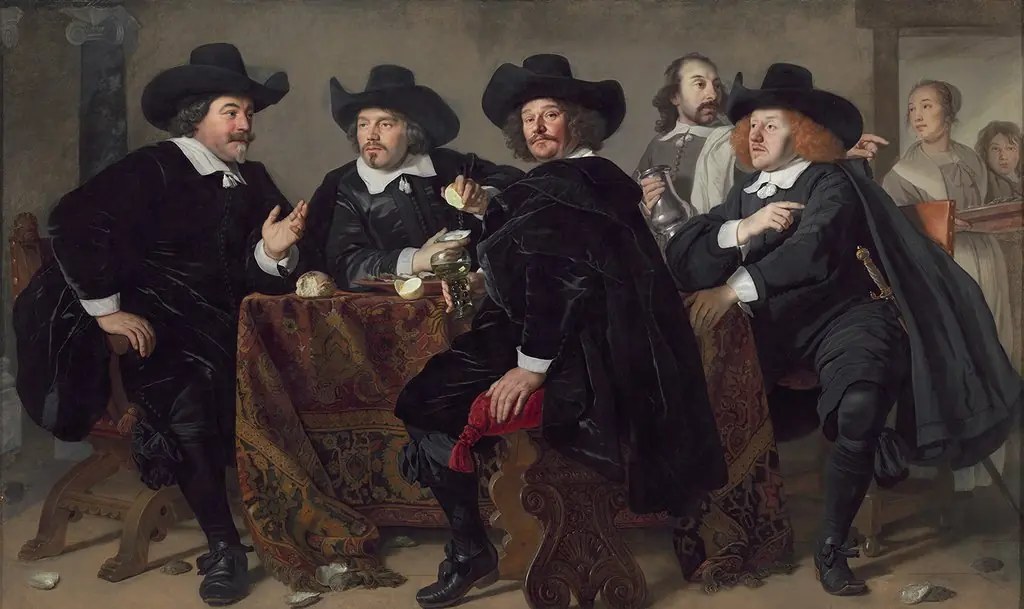 Four directors of the arquebusier's guild, Amsterdam, 1655
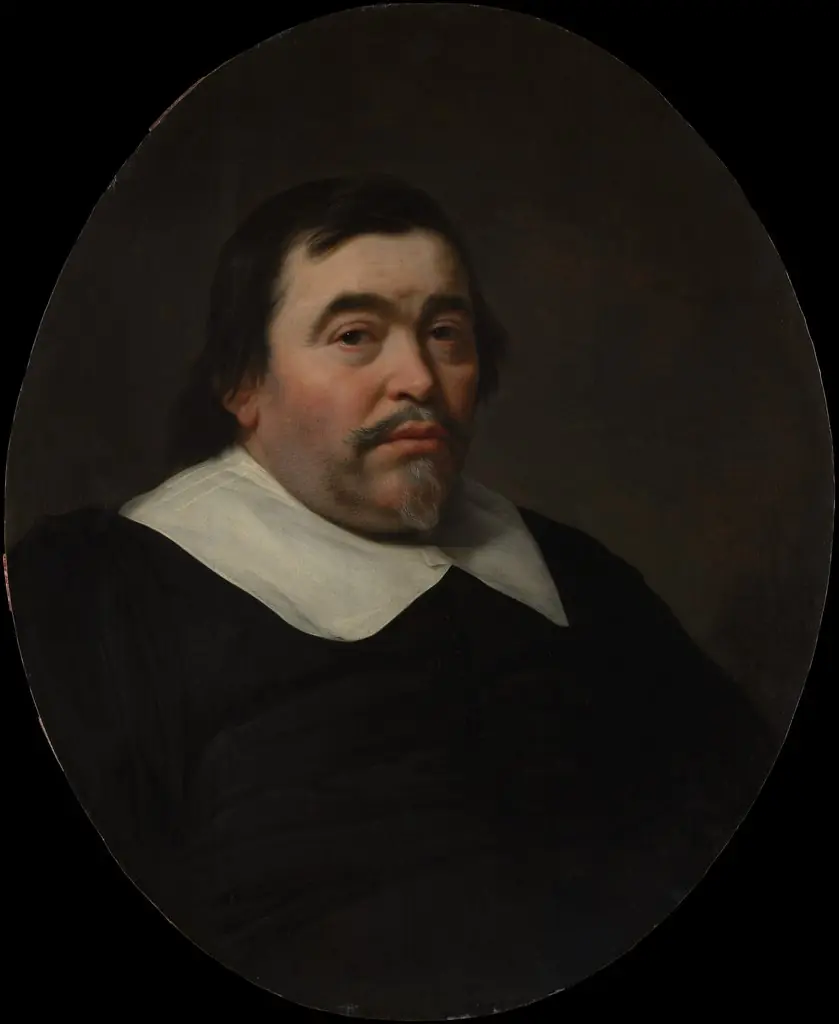 Portrait of a Man
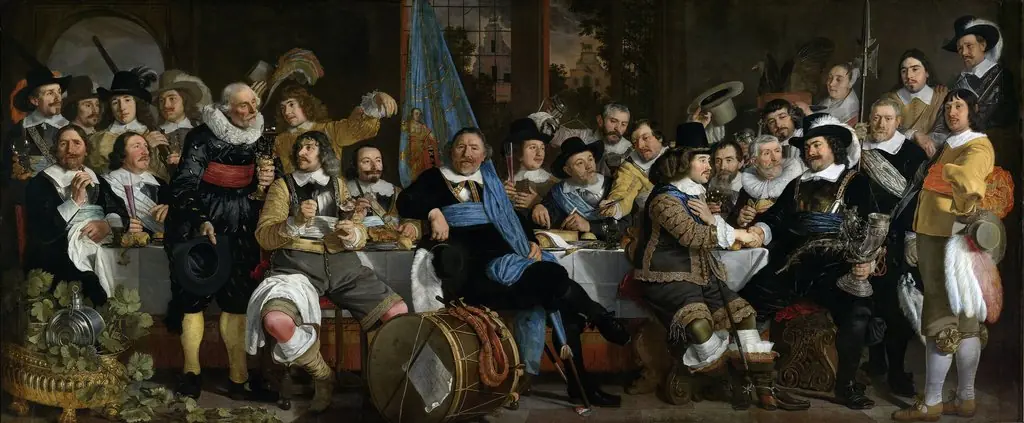 Banquet at the Crossbowmen’s Guild in Celebration of the Treaty of Münster
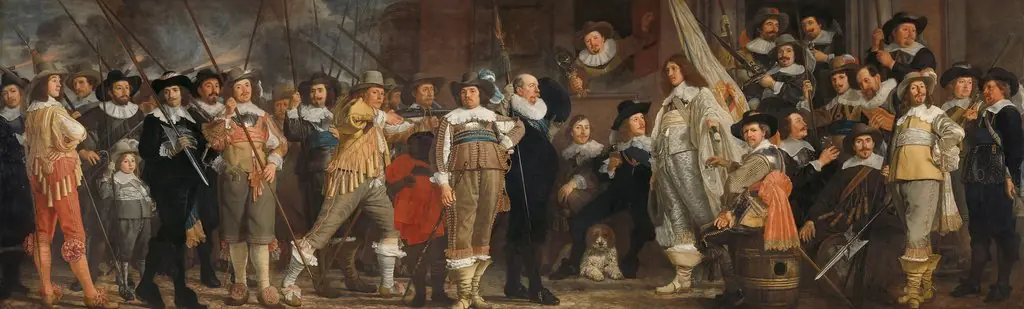 Militia Company of District VIII under the Command of Captain Roelof Bicker
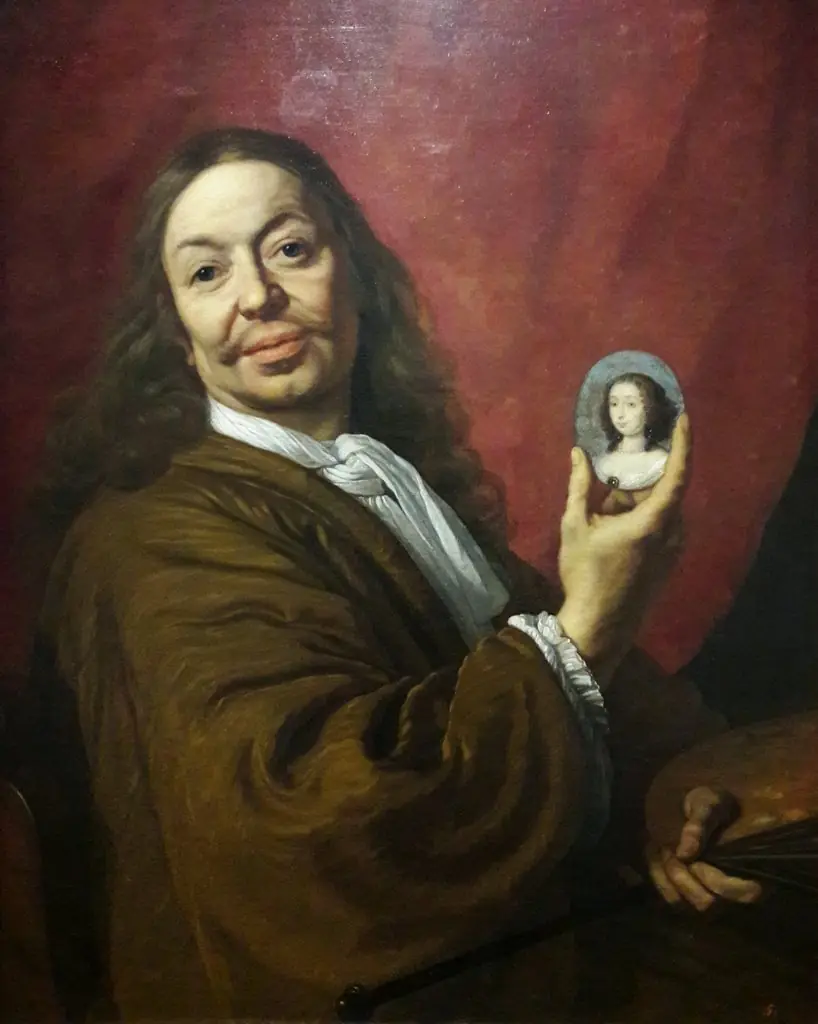 Self-portrait
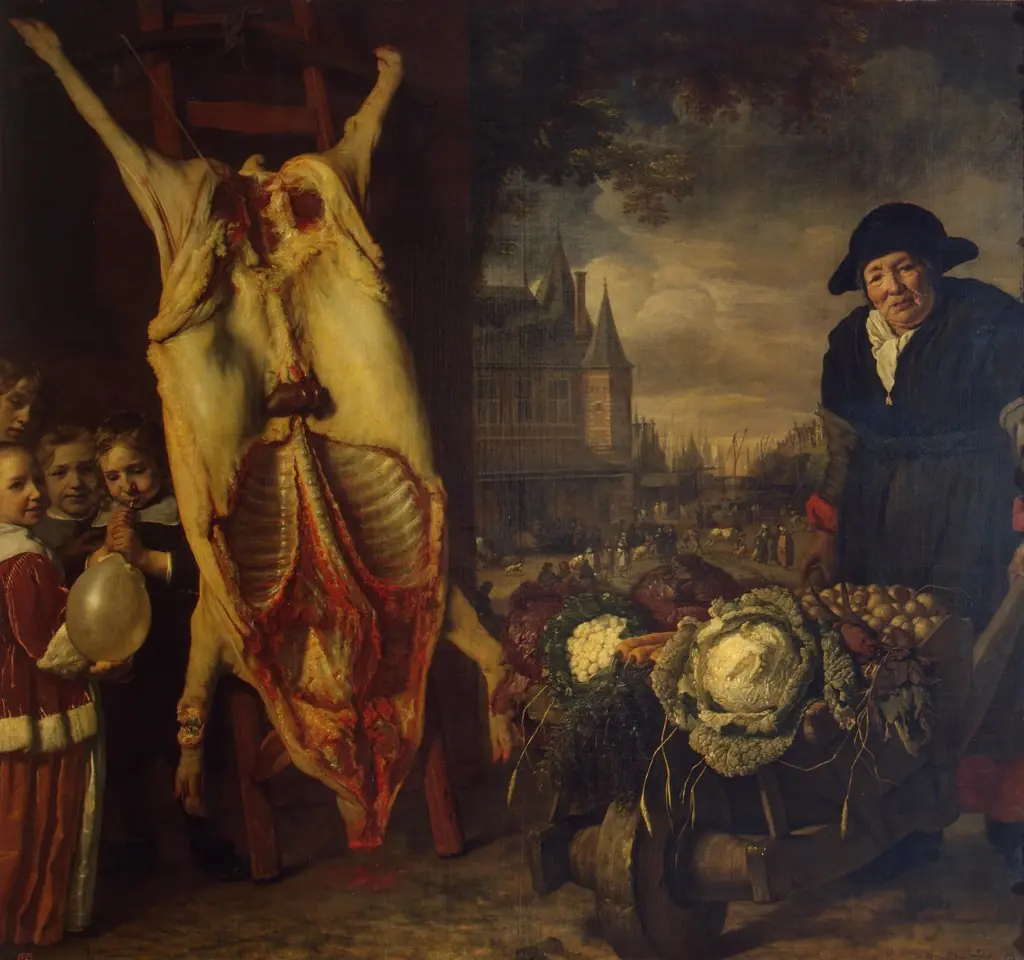 Nieuwmarkt in Amsterdam
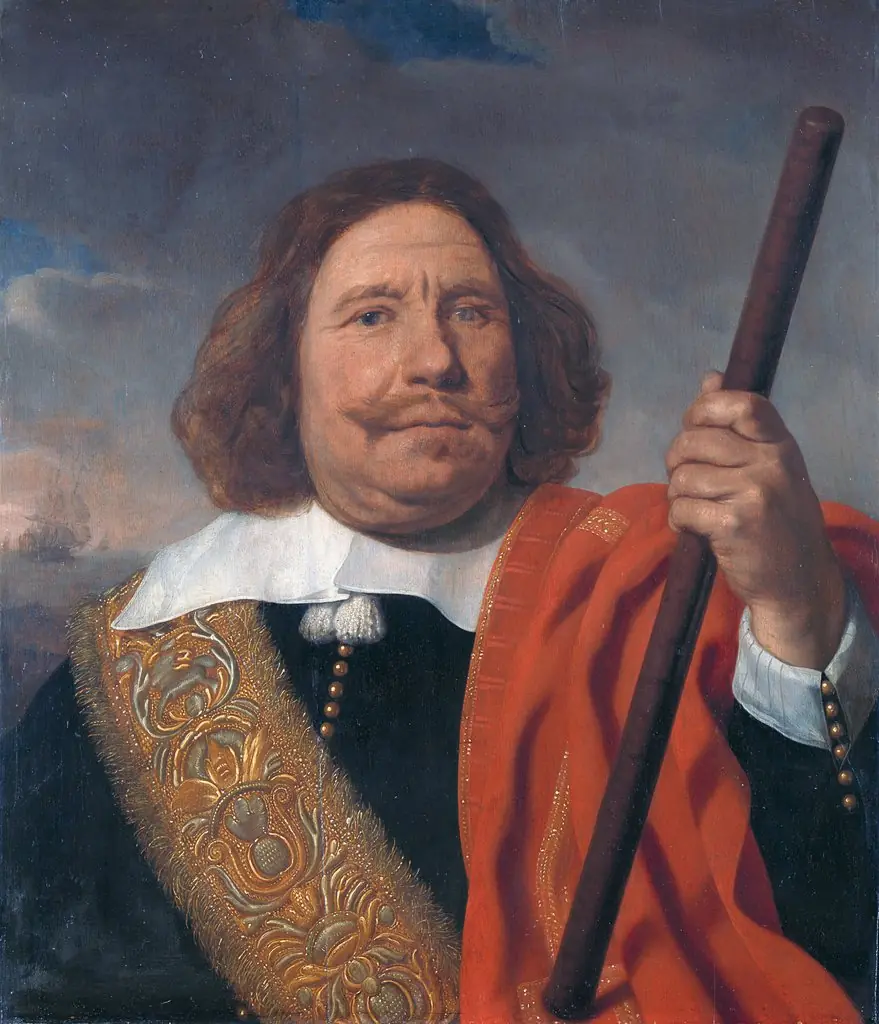 Egbert Meeuwsz Cortenaer (1605-65). Vice admiral, admiralty of the Maas, Rotterdam