Artwork
Portrait of a Woman, possibly Elizabeth Boothby
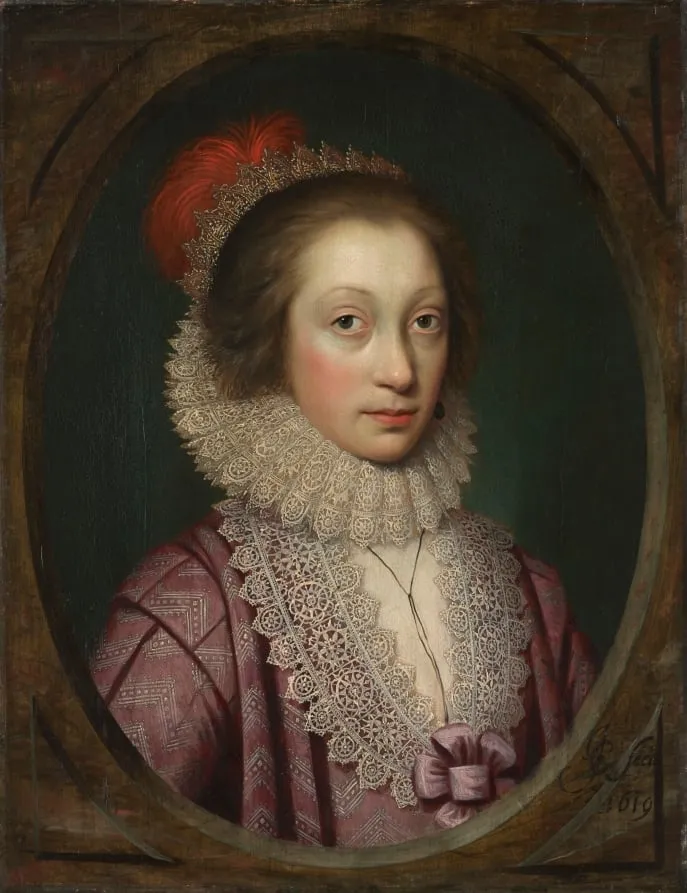
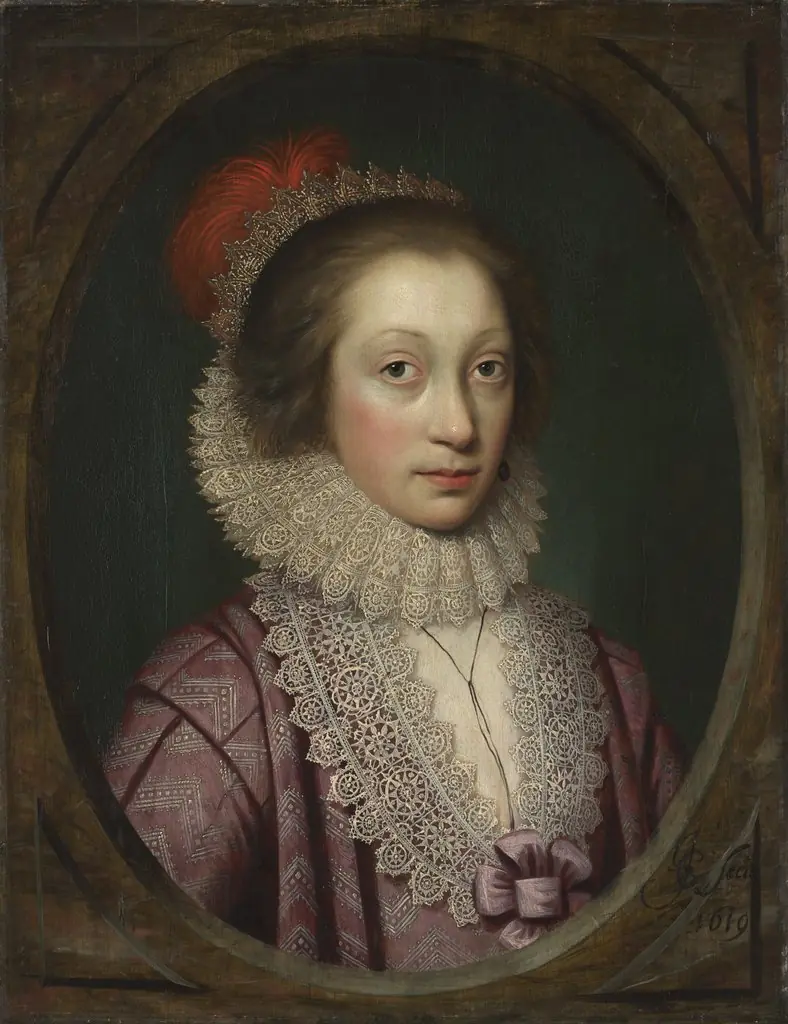
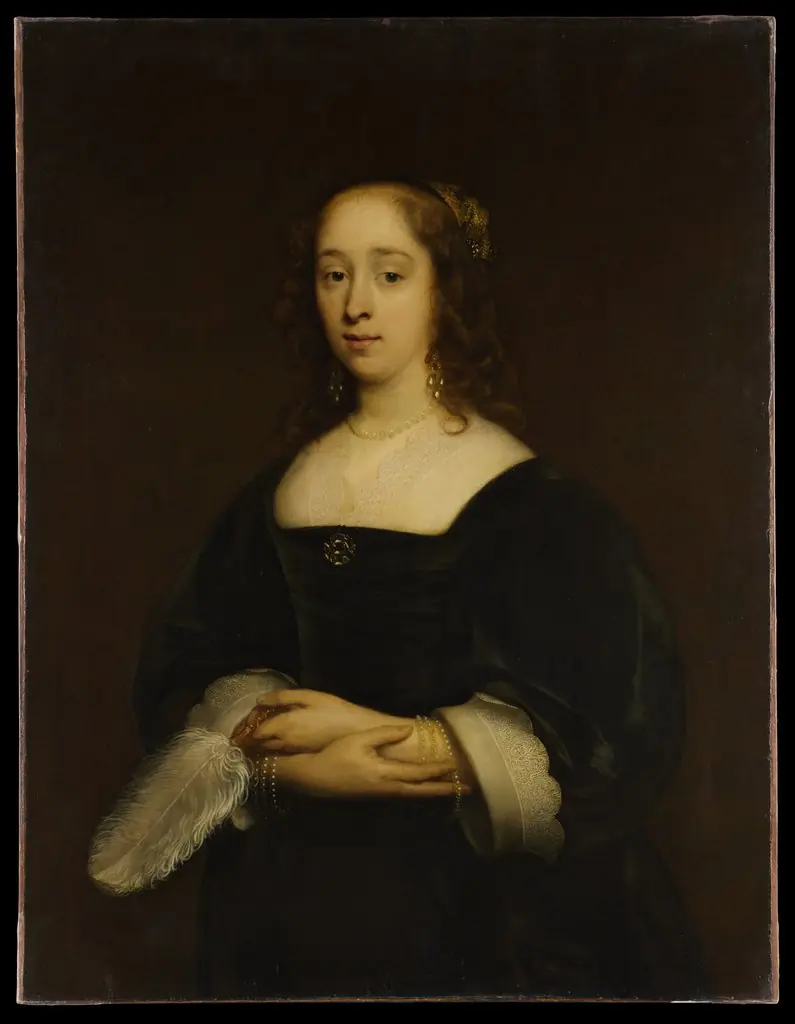
Portrait of a Woman, possibly Elizabeth Boothby is an unspecified painting by the Baroque artist Cornelis Janssens van Ceulen. It dates from 1619 and is held in the collection of the Cleveland Museum of Art. The canvas presents a seated woman dressed in a dark silk gown, her gaze directed toward the viewer.
- Accession no.
- 1973.185
- Credit line
- Gift of Mr. and Mrs. Noah L. Butkin
About this work
No one knows for sure if this is Elizabeth Boothby, but the clues point to a merchant’s daughter.
A woman in a dark silk dress looks straight at you. Pearls drip from her ears, and silver thread glints in the lace at her collar. A fake marble frame circles her face like a window.
The jewels and lace say she’s rich, but the quiet light on her skin comes from Dutch painters. The artist, Jonson, was born in London yet worked like the Dutch, soft shadows, sharp details. No one knows for sure if this is Elizabeth Boothby, but the clues point to a merchant’s daughter.
Look up other portraits from england, 17th century to see more faces like hers.
Overview
The canvas presents a seated woman dressed in a dark silk gown, her gaze directed toward the viewer. Her attire is accented with pearl earrings, silver‑threaded lace at the collar, and a decorative oval frame painted to resemble marble, all indicating considerable wealth. The portrait exemplifies early‑17th‑century English portraiture while incorporating stylistic traits associated with Dutch artists.
Subject & Meaning
Scholars propose that the sitter may be Elizabeth Boothby (1590–1658), the daughter of a leading London merchant, based on the luxurious accessories and the social standing they imply. The emphasis on fine clothing and jewelry serves to convey the family's prosperity and the woman's respectable position within merchant society.
Technique & Style
The work displays a soft, diffused illumination on the figure’s skin, a hallmark of Dutch portraiture, combined with precise rendering of textures such as silk and lace. The painted faux‑marble oval functions as a compositional device, framing the sitter much like a window and reinforcing the illusionistic depth favored by artists trained in the Low Countries.
History & Provenance
The artist, John Jonson, was born in London, received his artistic training in Amsterdam, and spent the final two decades of his career working in the Dutch Republic. Although the painting was executed in England, Jonson’s cross‑national experience reflects the fluid exchange of artistic ideas between England and the Netherlands during the period.
Context
During the early 1600s, English portraiture increasingly absorbed Dutch influences, especially in the treatment of light and surface detail. Portraits of merchant families like the Boothbys illustrate the rising social prominence of the commercial class, whose members used portraiture to assert status and cultural refinement within a rapidly expanding market economy.
Artist & collection
Artist
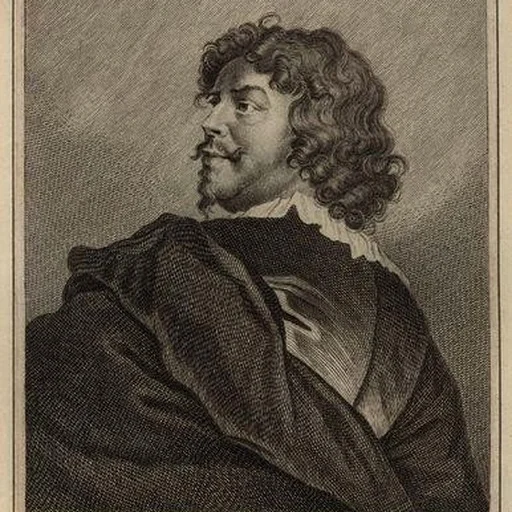
Cornelis Janssens (born Cornelis Janssens van Ceulen, Dutch:; bapt. 14 October 1593 – bur. 5 August 1661) was an Anglo-Dutch painter of portraits. Born of Dutch or Flemish parents who fled to London from Antwerp to…

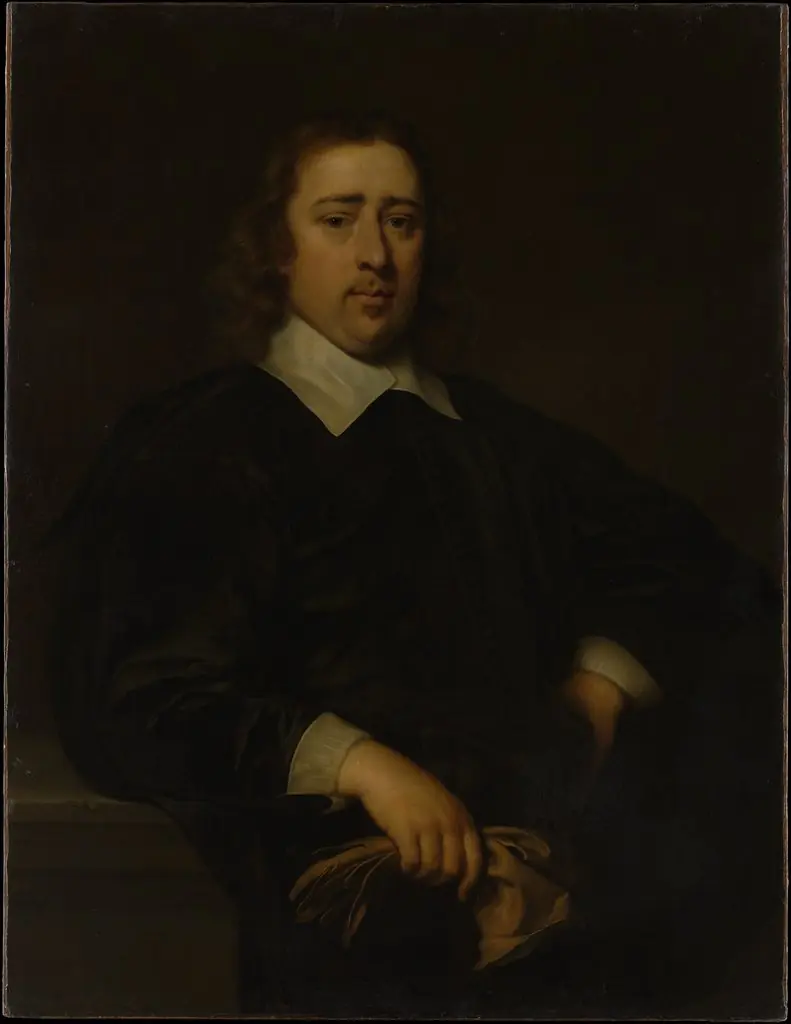
 Portret van een vrouw
 Portrait of Susanna Temple, Later Lady Lister
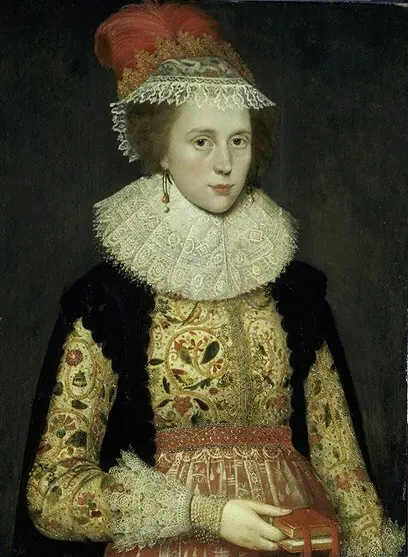 Margaret Layton
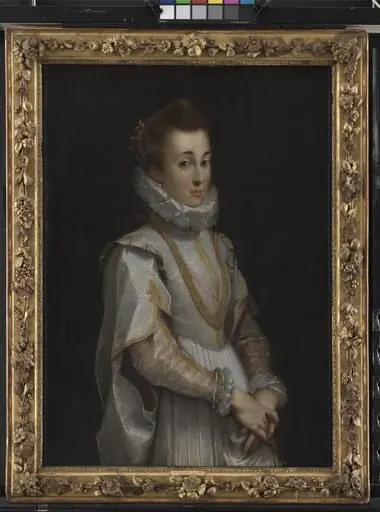 Portrait of a Young Lady
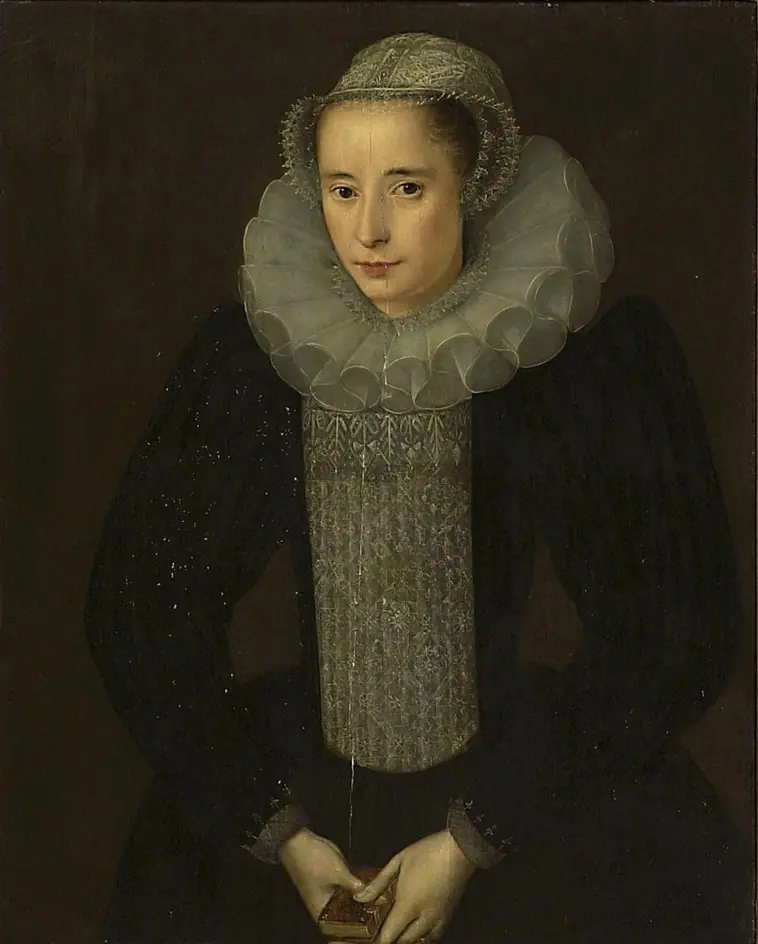 Portrait of a Lady holding a Book
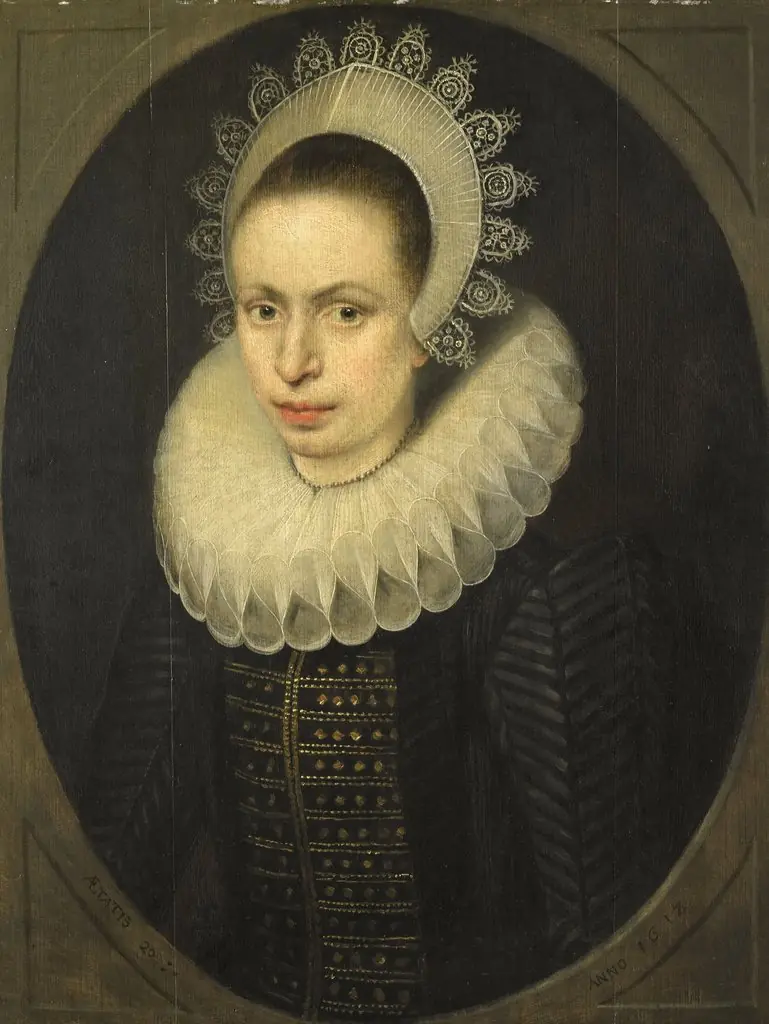 Portrait of Antoinette Walleran (1598-?)
 Portrait of Lucretia del Prado, Wife of Jeremias Boudinois
 Portrait of a Woman in Red
 Lady Anne Pope
 Portrait of Anna Boudaen Courten (1599-1622)