Artwork
Sleeping Nymph
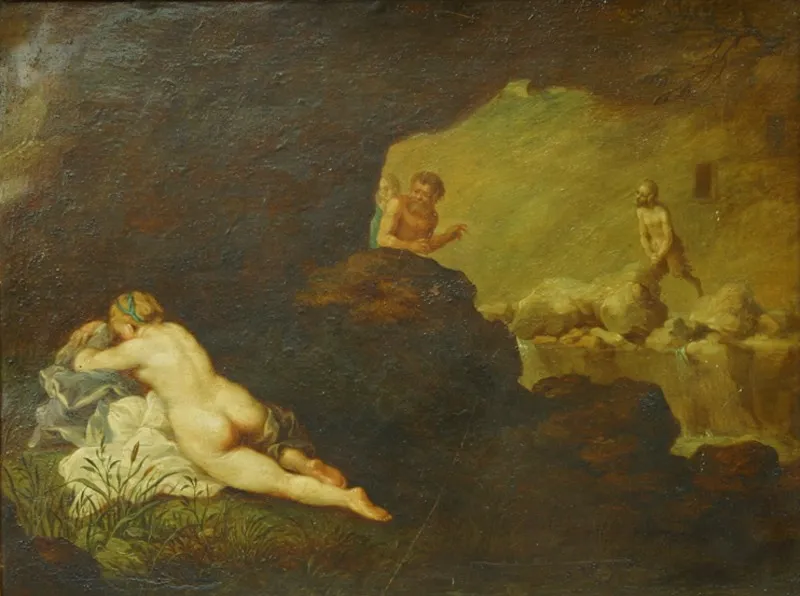
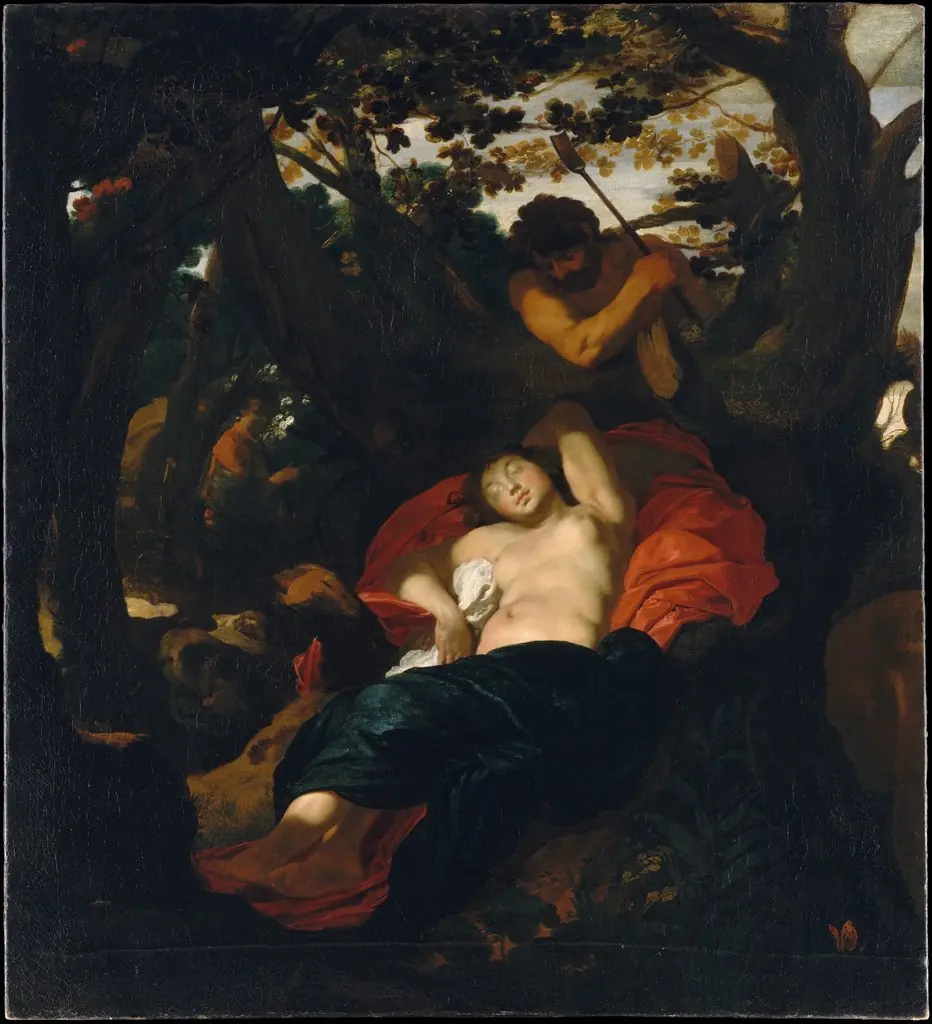
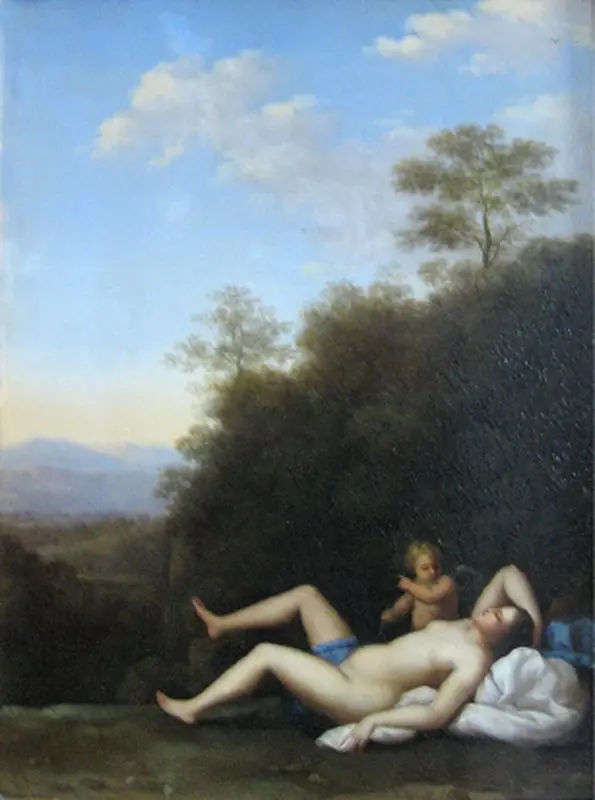
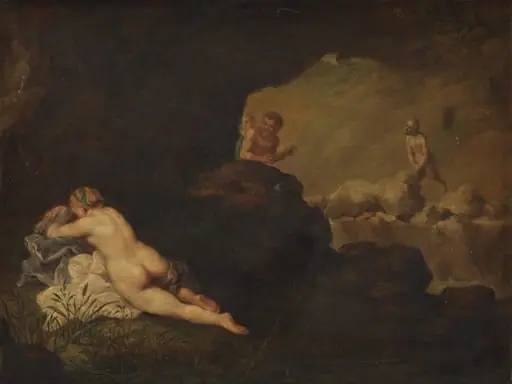
Sleeping Nymph is an unspecified painting by the Early Baroque Italian artist Johann Liss. It dates from 1620 and is held in the collection of the Statens Museum for Kunst.
About this work
Subject & Meaning
Her serene posture invites contemplation of mythic narratives that celebrate the ephemeral moments of earthly existence.
The painting Sleeping Nymph by Johann Liss portrays a mythological nymph in a state of rest, embodying themes of pastoral tranquility and divine feminine allure. Through its composition and delicate rendering, the work symbolizes the fleeting nature of beauty and the harmonious relationship between nature and the supernatural in Baroque art.
The nymph, depicted reclining amidst soft drapery and natural surroundings, serves as an allegorical figure representing innocence and the untouched vitality of the natural world. Her serene posture invites contemplation of mythic narratives that celebrate the ephemeral moments of earthly existence.
By situating the figure within a mythological framework, Liss underscores the narrative potential of visual art to convey timeless stories, linking the viewer to classical traditions while reflecting the cultural values of 17th‑century European aesthetics.
History & Provenance
Sleeping Nymph was created by Johann Liss in 1620, as a mythological painting depicting a nymph. The work is held in the collection of the Statens Museum for Kunst, where it remains located. Beyond its date of inception and current institutional home, the available sources do not document the circumstances of its commission, the chain of prior ownership, or any intermediate custodians preceding its acquisition by the Danish national collection.
The painting Sleeping Nymph by Johann Liss is held in the collection of the Statens Museum for Kunst. The work, which depicts a mythological nymph, was created in 1620. While the museum's ownership is established, the provided records do not contain specific inventory numbers or a detailed history of exhibitions for this piece.
Overview
Around 1620 Johann Liss produced Sleeping Nymph, a modestly sized oil work that now belongs to the collection of the Statens Museum for Kunst. The composition centers on a mythological nymph at rest, her figure gently illuminated against a darker backdrop, establishing a quiet, intimate atmosphere typical of early Baroque painting.
Technique & Style
Liss employs a pronounced chiaroscuro, using strong contrasts of light and shadow to model the nymph’s form and to give depth to the surrounding landscape. The subtle gradations of tone render the flesh and fabric with a tactile realism, while the darker background recedes, focusing attention on the central figure.
Context
Sleeping Nymph reflects the cross‑cultural currents of the early 1600s, when northern artists like Liss adopted Italian Baroque conventions, especially the dramatic use of light and mythological subject matter. The work aligns with contemporary Venetian tastes for sensual, narrative-driven compositions, while retaining a restrained, Northern sensibility in its handling of form.
Artist & collection
Artist
Johann Liss or Jan Lys (c. 1590 or 1597 – 1629 or 1630) was a leading German Baroque painter of the 17th century, active mainly in Venice.