Artwork
Portrait of Josina Jansdr. de Carpentier (1601-34)
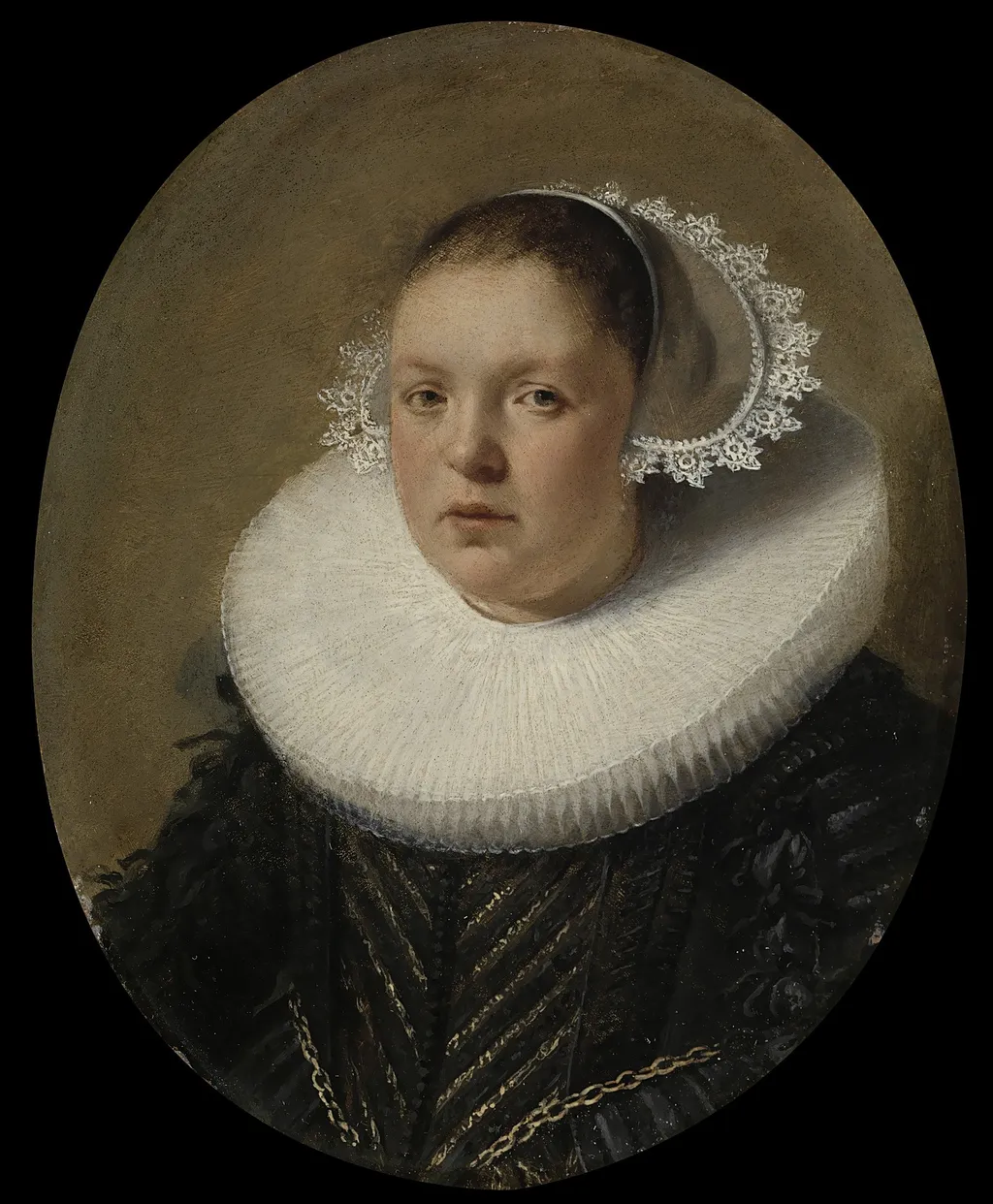
Portrait of Josina Jansdr. de Carpentier (1601-34) is an oil painting by the Dutch Golden Age artist Cornelius van Poelenburgh. It dates from 1632 and is held in the collection of the Rijksmuseum.
About this work
This portrait depicts a woman with dark hair, dressed in a black gown with a white lace collar and a black headpiece adorned with white lace.
This portrait depicts a woman with dark hair, dressed in a black gown with a white lace collar and a black headpiece adorned with white lace. The background of the painting is a muted brown color.
The subject's attire and the style of the painting suggest a formal portrait from the 17th century. The level of detail in the subject's clothing and the background indicates a high level of craftsmanship.
To learn more about the artist behind this work, look up Cornelius van Poelenburgh.
Subject & Meaning
The work depicts Josina Jansdr. de Carpentier, a young woman identified by her lifespan of 1601 to 1634. Executed as a portrait by Cornelius van Poelenburgh in 1632, the painting captures the sitter during the final years of her life. As a genre portrait on copper, the piece serves as a commemorative representation of the individual rather than an allegorical scene.
The sources provide no specific details regarding symbolic attributes, iconographic elements, or deeper metaphorical meanings associated with her depiction or the medium.
Technique & Style
Cornelius van Poelenburgh executed the Portrait of Josina Jansdr. de Carpentier in 1632 using oil paint applied to a copper support. This small-scale panel measures 15.9 cm in height and 12.8 cm in width, a format characteristic of the artist's intimate portraiture. The work is classified as a portrait genre piece originating from Dordrecht.
The use of copper as a ground for oil paint was a distinctive technical choice during the period, often allowing for fine detail and a smooth surface finish.
History & Provenance
The Portrait of Josina Jansdr. de Carpentier (1601-34) was painted by Cornelius van Poelenburgh in 1632 as an oil-on-copper portrait created in Dordrecht. It entered the collection of the Rijksmuseum in Amsterdam, where it remains on display. The work was likely commissioned to depict the sitter within her family context, reflecting the artistic practice of the Dutch Golden Age for private portraiture.
The painting measures 15.9 cm in height and 12.8 cm in width, confirming its small-scale format typical of 17th-century Dutch portraiture on metal support.
Overview
Executed in 1632, this small copper panel presents a seated woman rendered in the restrained palette of early‑17th‑century Dutch portraiture. The sitter, identified as Josina Jansdr. de Carpentier (1601–1634), is shown in a black gown trimmed with white lace, her dark hair gathered beneath a modest lace‑adorned headpiece. The muted brown ground provides a subdued backdrop that emphasizes the figure’s attire and expression.
Context
In the early 1630s, Dutch portraiture often served to document family lineage and social status. While van Poelenburgh’s reputation rested on small, lyrical landscapes, this portrait demonstrates his versatility in handling intimate, single‑figure compositions, reflecting the broader demand for personalized likenesses among the prosperous mercantile class of the Netherlands.
Own this work as a print
Artist & collection
Artist
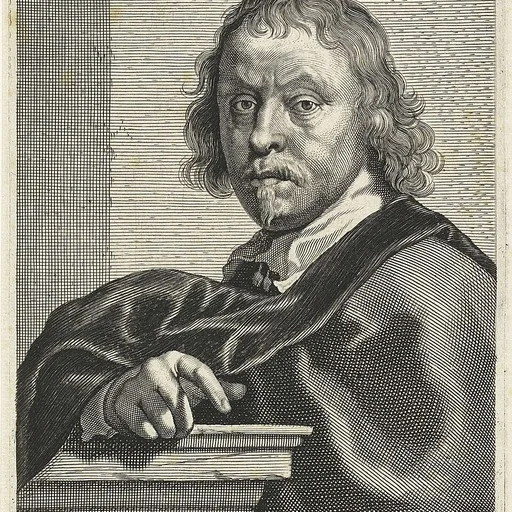
Cornelis van Poelenburgh or Cornelis van Poelenburch (1594 – 12 August 1667), was a Dutch landscape painter and draughtsman.



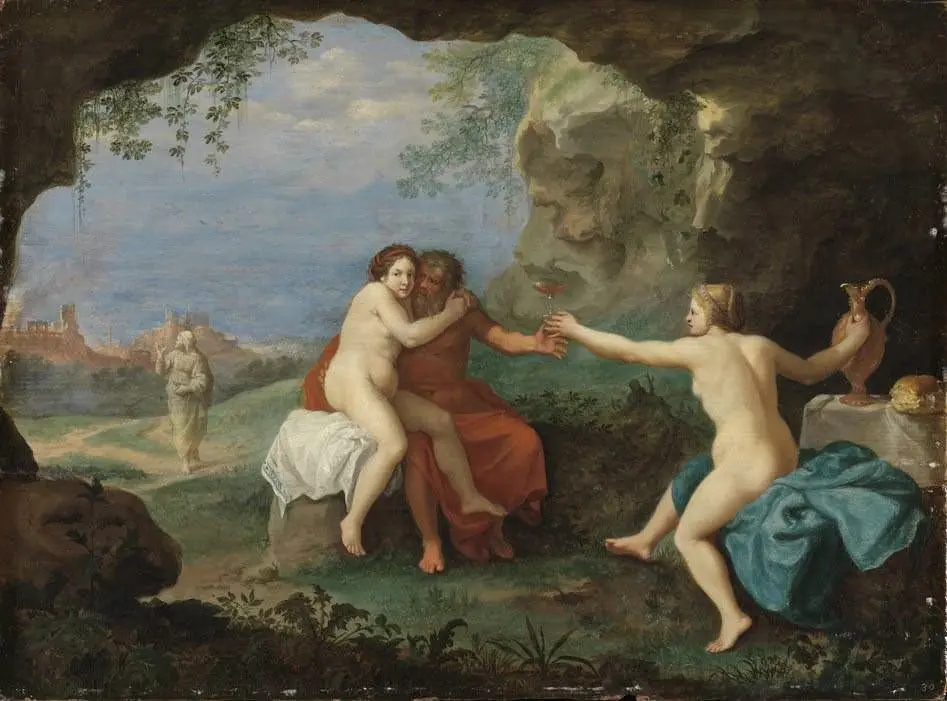
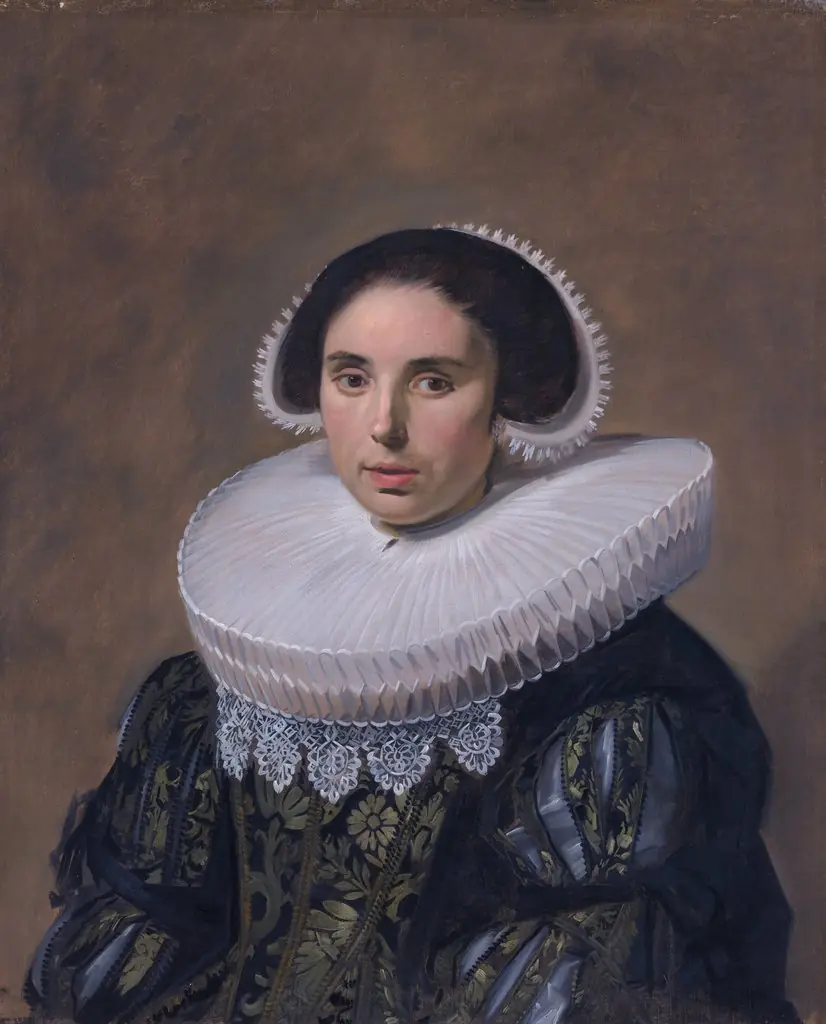 Portrait of Sara Wolphaerts van Diemen
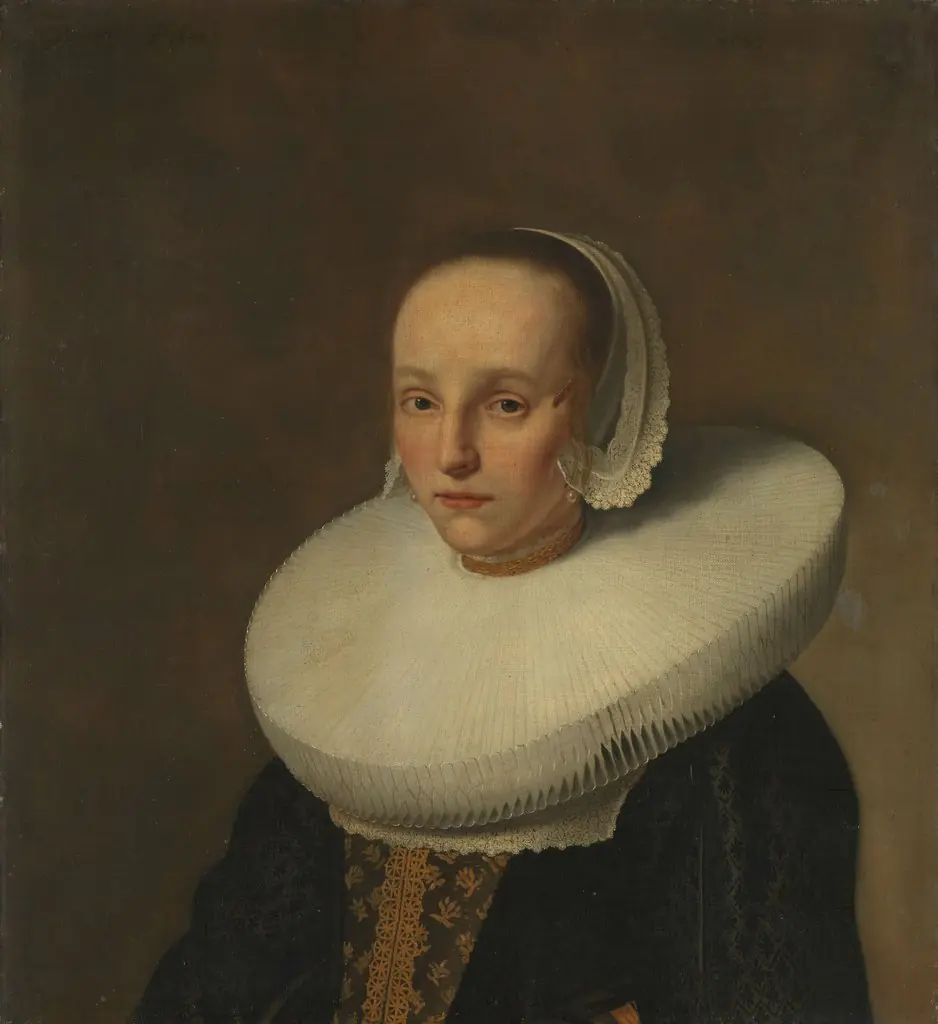 Anna van der Does (1609-50). Wife of Jan de Hooghe
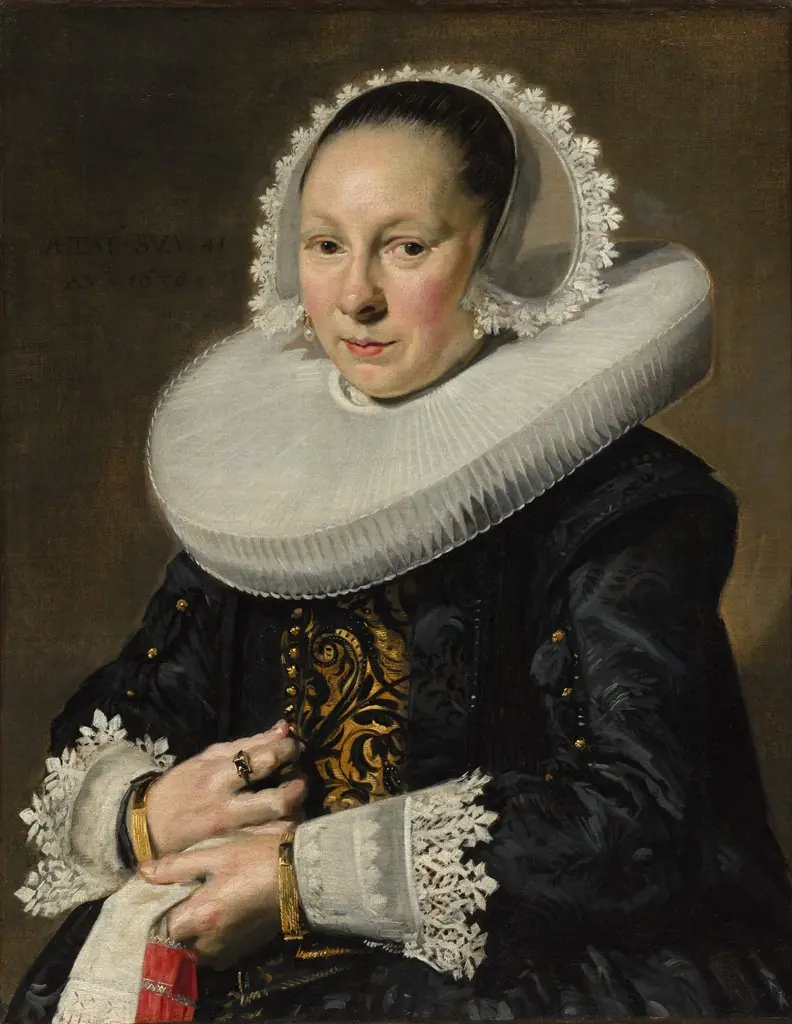 Portrait of a Woman, probably Aeltje Dircksdr. Pater
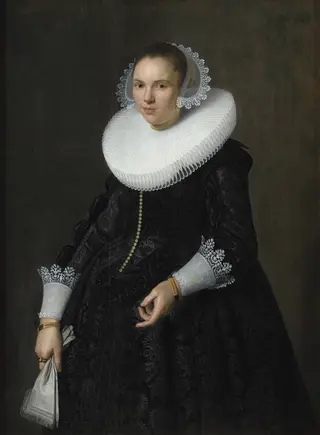 Portrait of a Lady
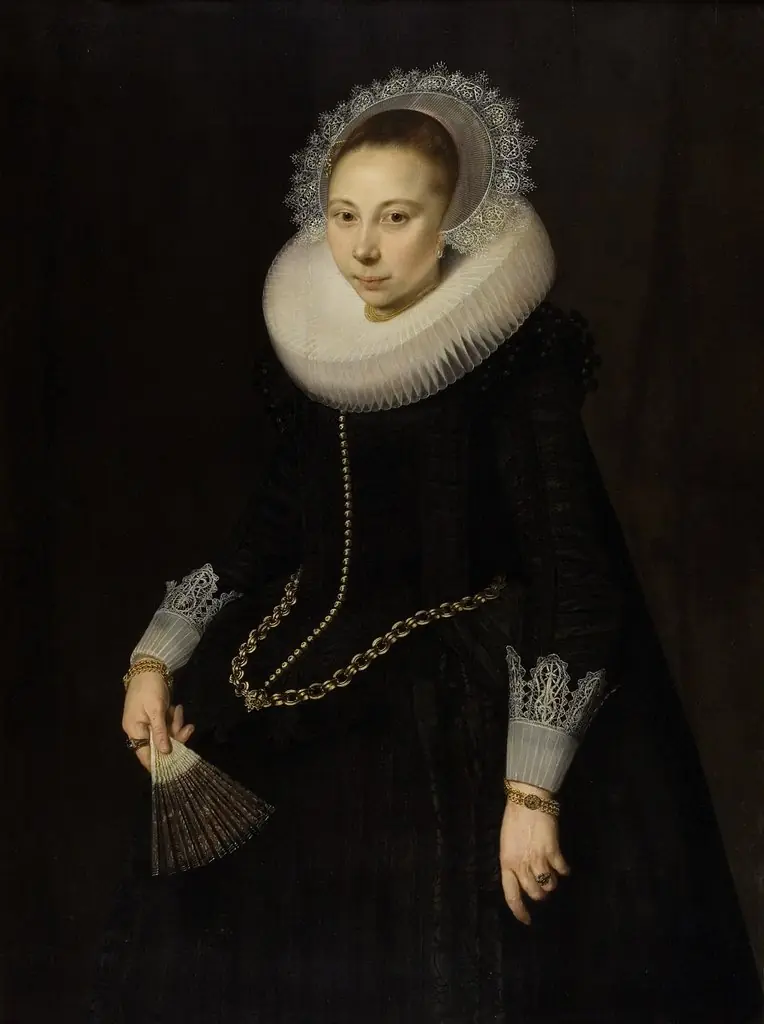 Portrait of Maria Overrijn van Schoterbosch (1599/1600-1638)
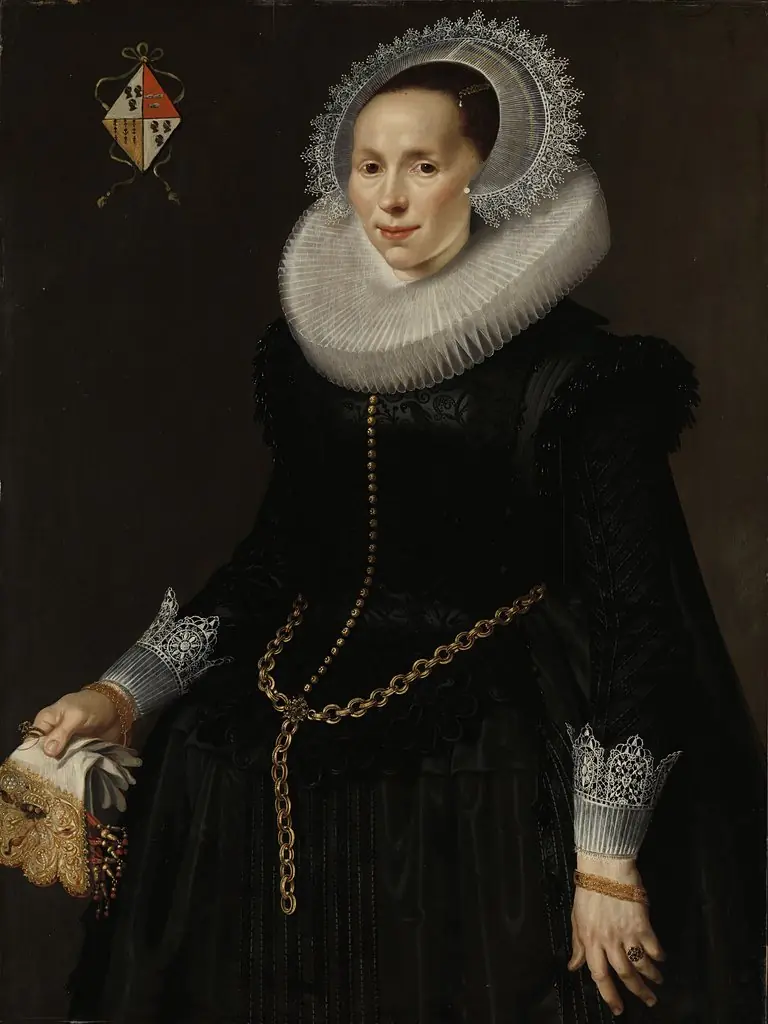
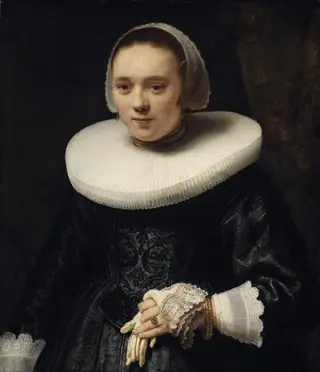 Portrait of a Woman with Gloves
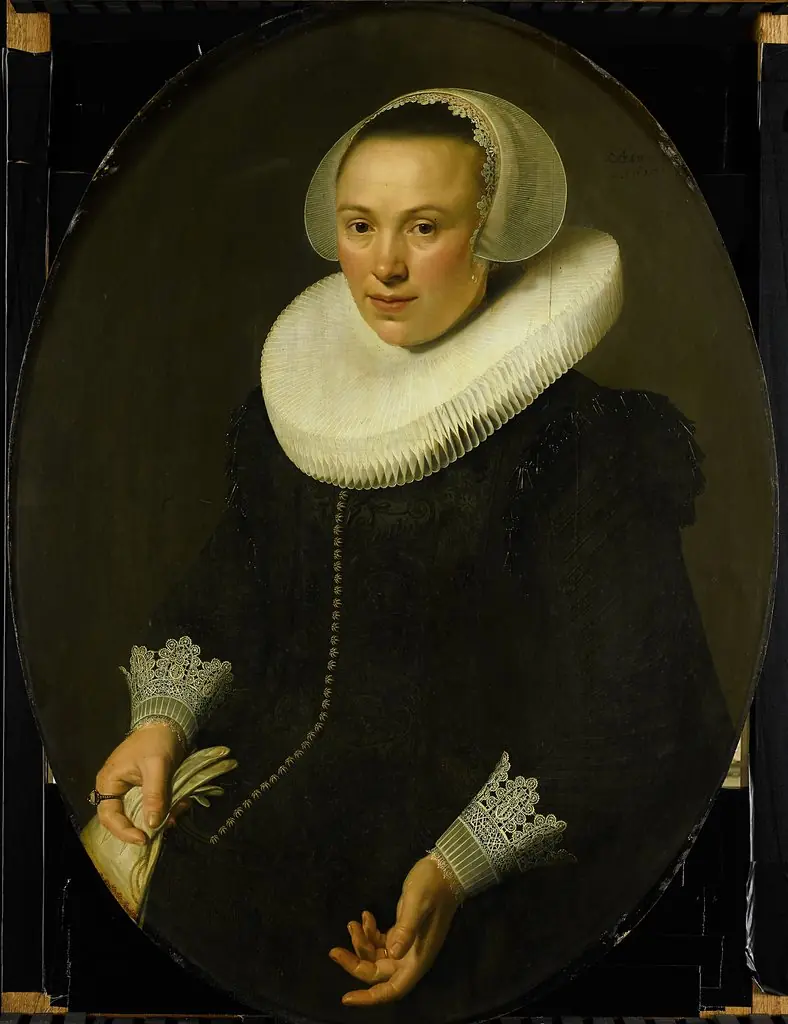 Portrait Maria Joachimsdr Swartenhont (1598-1631)
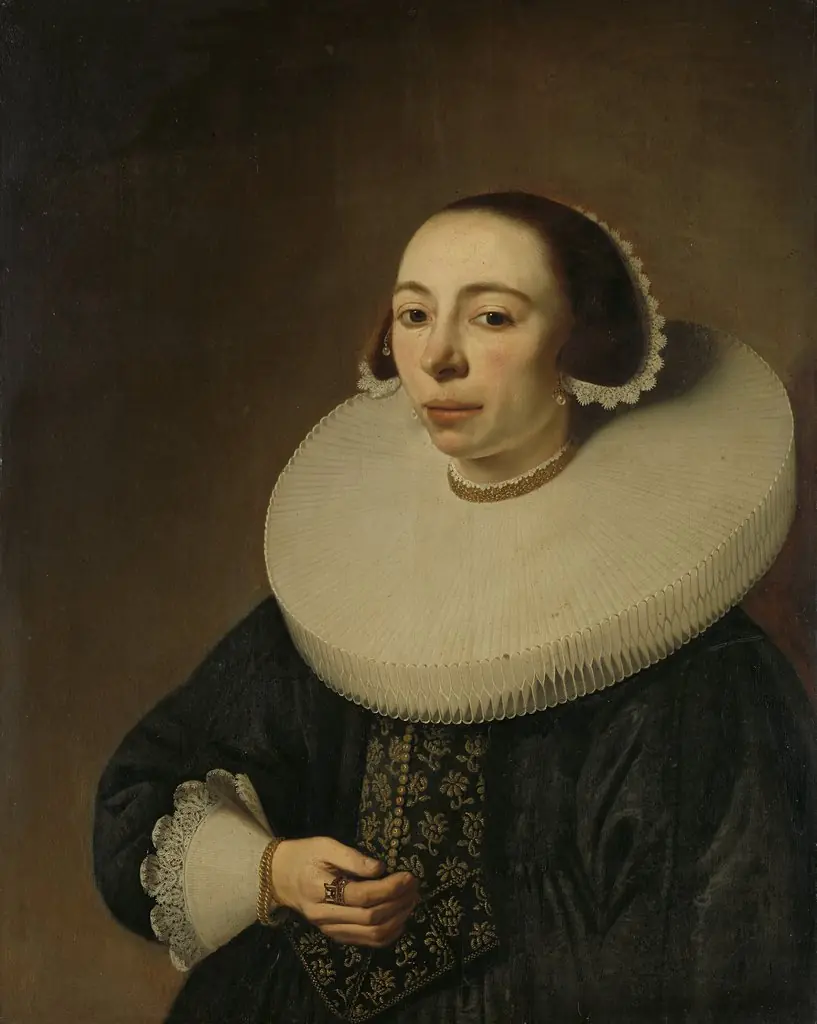 Portrait of a woman
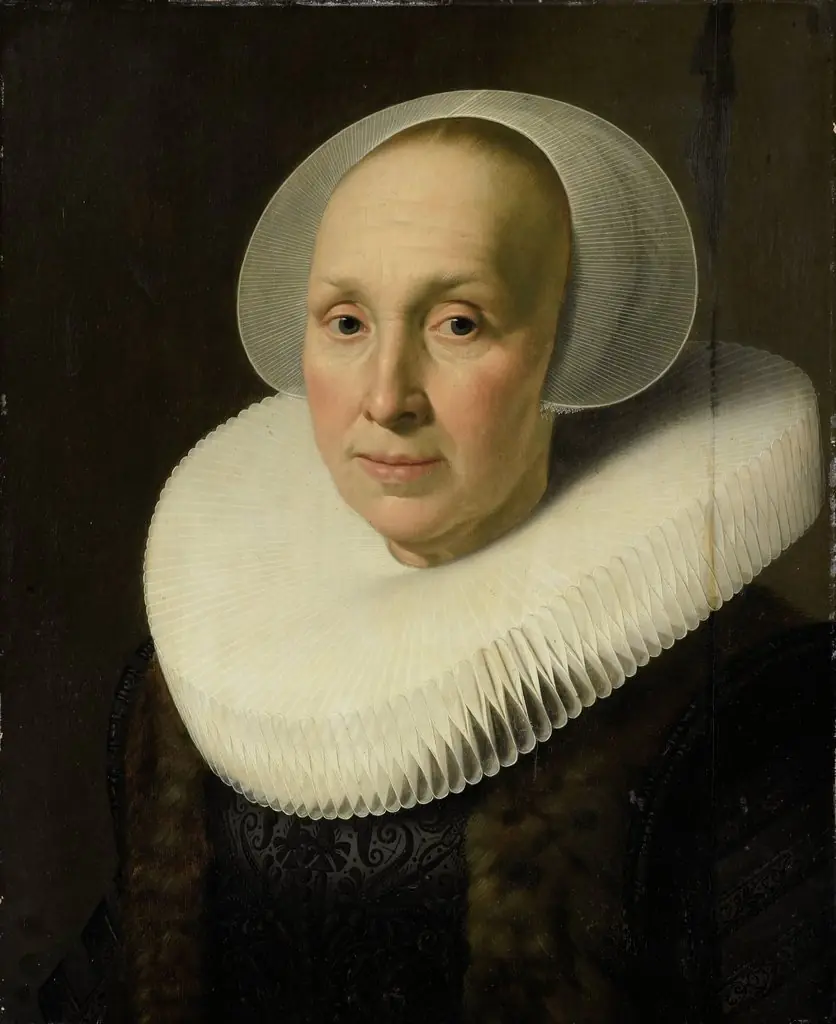 Portrait of Margriet Benningh (1565-1641)
 Portrait of Hendrickje Uylenburgh (1600-c. 1682)
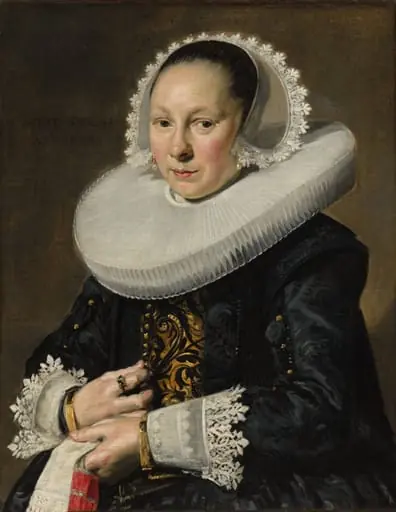 Portrait of a Woman, probably Aeltje Dircksdr. Pater
- Portrait of Johanna Le Maire (c. 1601-60)