Artwork
Landschaft mit Callisto und Diana
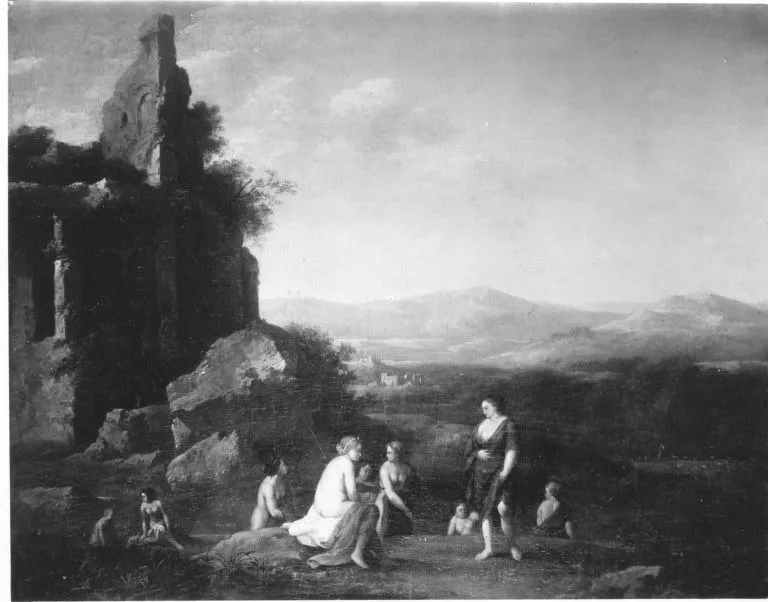
Landschaft mit Callisto und Diana is an unspecified painting by the Dutch Golden Age artist Cornelius van Poelenburgh. It dates from 1638 and is held in the collection of the Bavarian State Painting Collections.
About this work
Overview
Van Poelenburgh, a Dutch artist who spent much of his career in Rome, specialized in tranquil, ruin-strewn vistas populated by mythological figures.
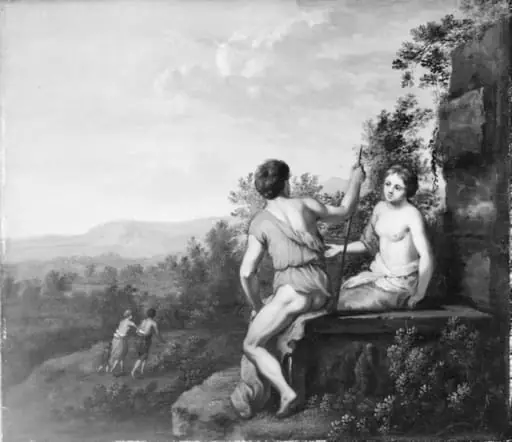
Painted in 1638 by Cornelius van Poelenburgh, this work is a small-scale landscape that blends Italianate scenery with classical mythology. Van Poelenburgh, a Dutch artist who spent much of his career in Rome, specialized in tranquil, ruin-strewn vistas populated by mythological figures. The painting reflects his distinctive fusion of Northern European detail with southern light and architecture, characteristic of Dutch artists working abroad during the early 17th century.
Subject & Meaning
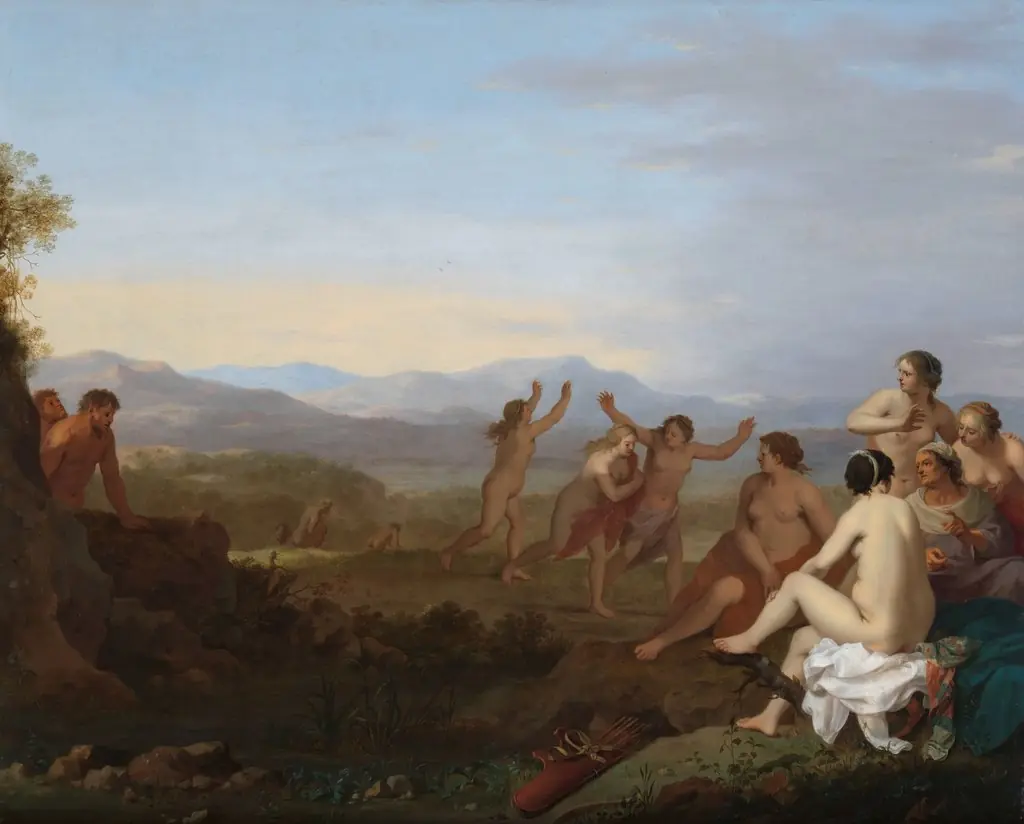
The scene depicts Callisto, a nymph of the goddess Diana, discovered in the act of pregnancy by her divine companion. Though the figures are rendered with quiet dignity, their identities are suggested through classical allusion rather than dramatic gesture. The inclusion of children and a ruined wall evokes themes of fallen grace and hidden transgression, common in mythological narratives of the period, rendered with restraint rather than spectacle.
Technique & Style
Van Poelenburgh employs chiaroscuro to model forms with subtle gradations of light and shadow, emphasizing the faces and upper bodies of the figures while allowing their garments and the landscape to recede into dimmer tones. The brushwork is precise yet unobtrusive, favoring atmospheric harmony over dramatic contrast. The composition balances naturalistic rock formations with carefully arranged human elements, creating a serene, contemplative mood.
History & Provenance
The painting entered the collection of the Alte Pinakothek in Munich in the 19th century, having passed through private European collections since its creation. Its attribution to van Poelenburgh has remained consistent, supported by stylistic parallels with his other dated works. The painting’s small size and intimate scale suggest it was intended for private contemplation rather than public display.
Context
During the 1630s, Dutch artists in Rome increasingly turned to mythological subjects set within idealized Italian landscapes, blending classical learning with personal observation. Van Poelenburgh’s work reflects this trend, responding to both Roman antiquities and the landscape traditions of northern Europe. His paintings offered patrons a refined alternative to grand historical narratives, favoring quiet introspection over theatricality.
Legacy
Van Poelenburgh’s integration of mythological figures into subdued, naturalistic landscapes influenced later Dutch and Flemish painters who favored poetic restraint. While not widely known today, his approach helped shape the development of the mythological landscape as a distinct genre, bridging the narrative traditions of the Renaissance with the quiet realism of the Dutch Golden Age.
Artist & collection
Artist
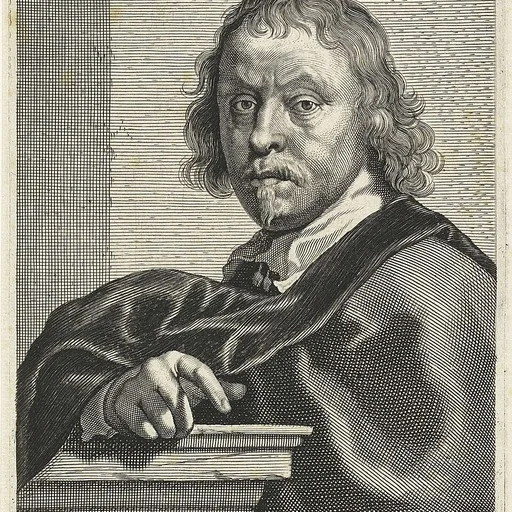
Cornelis van Poelenburgh or Cornelis van Poelenburch (1594 – 12 August 1667), was a Dutch landscape painter and draughtsman.

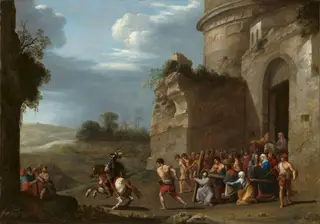
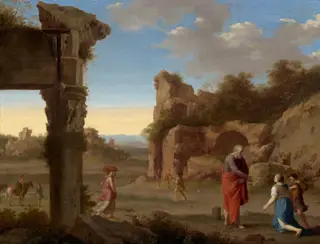
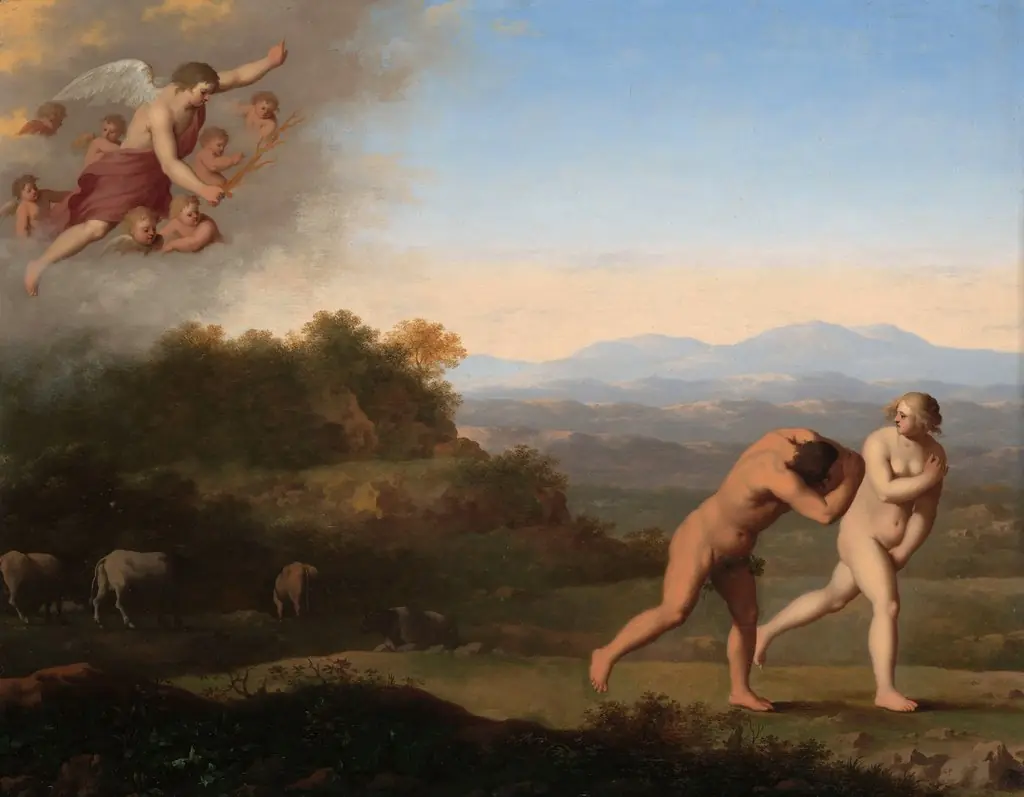
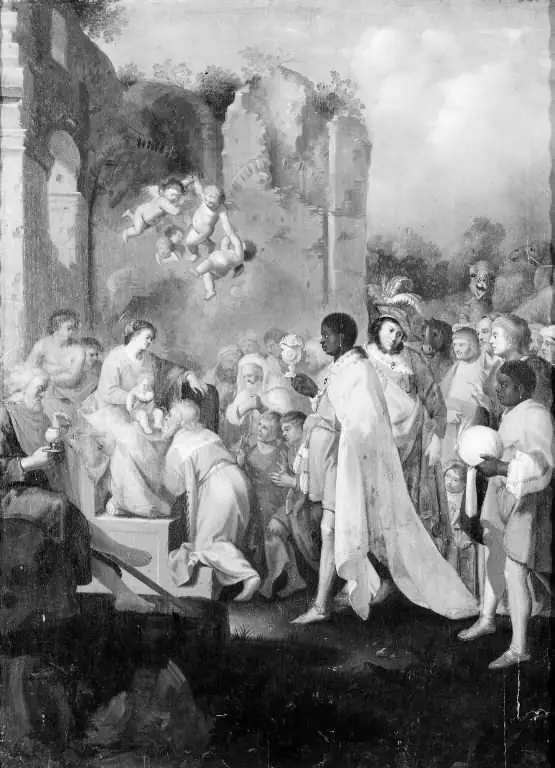
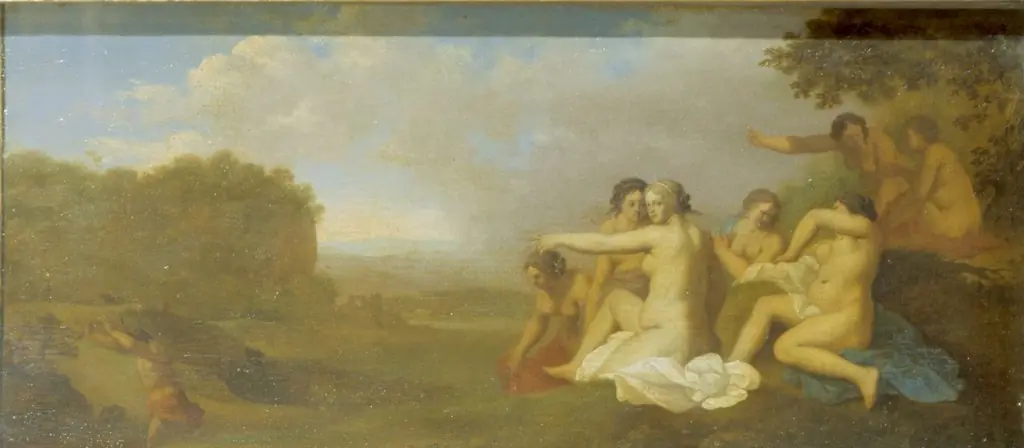
- Italienisch-klassische Landschaft
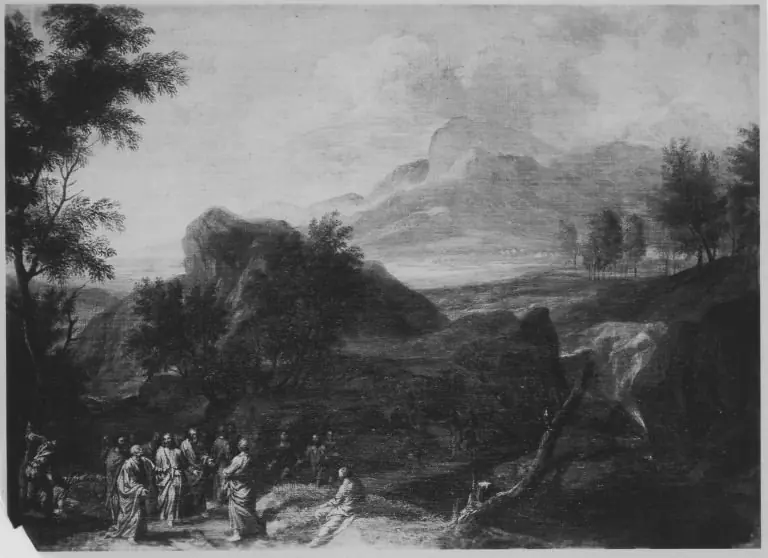 Landschaft mit Christus und Jüngern
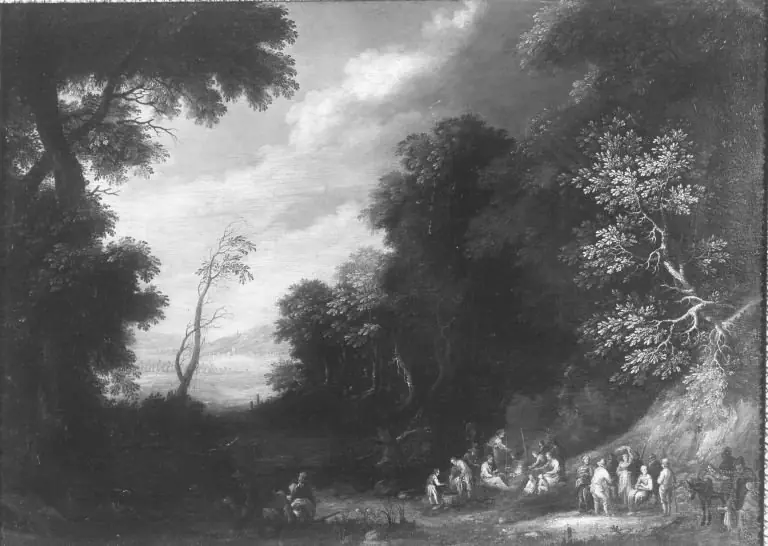 Rast am Waldrand
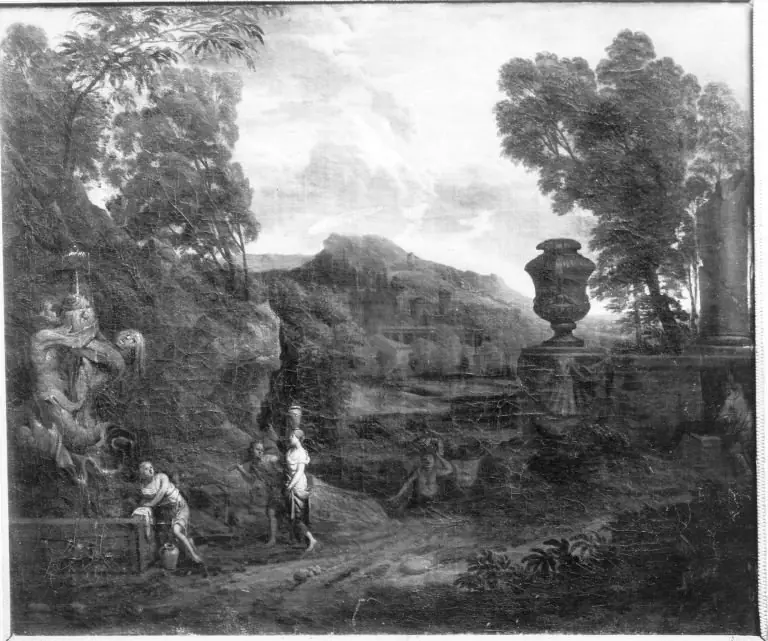
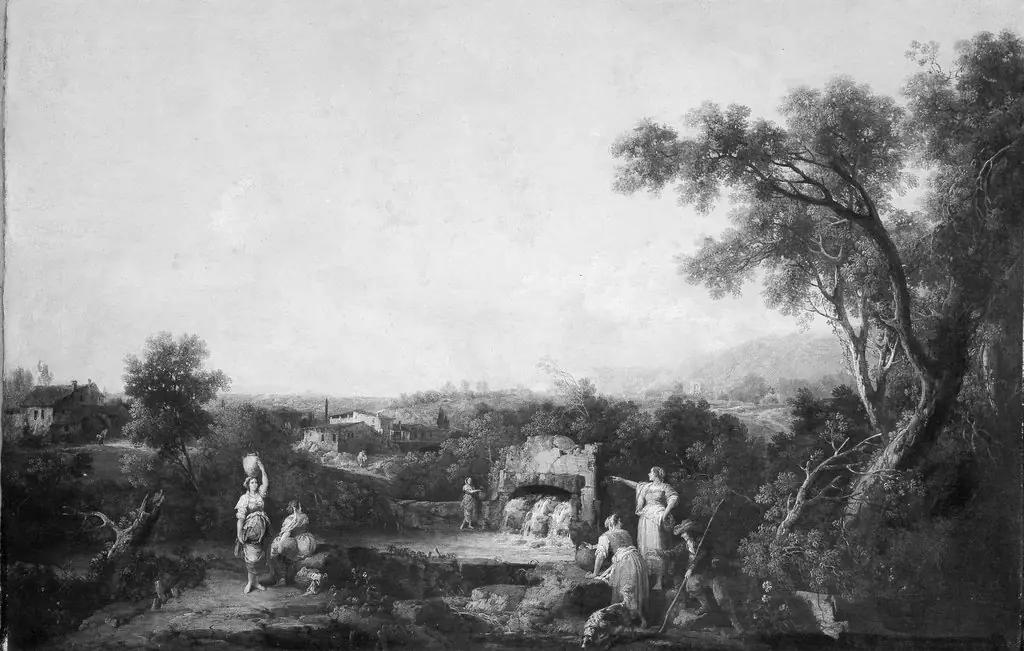 Landscape with Peasants at a Fountain
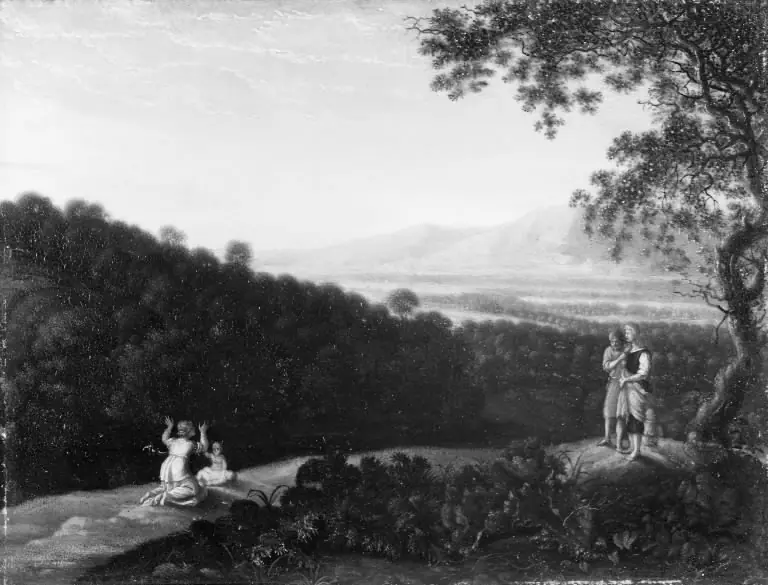 Latona and her Children
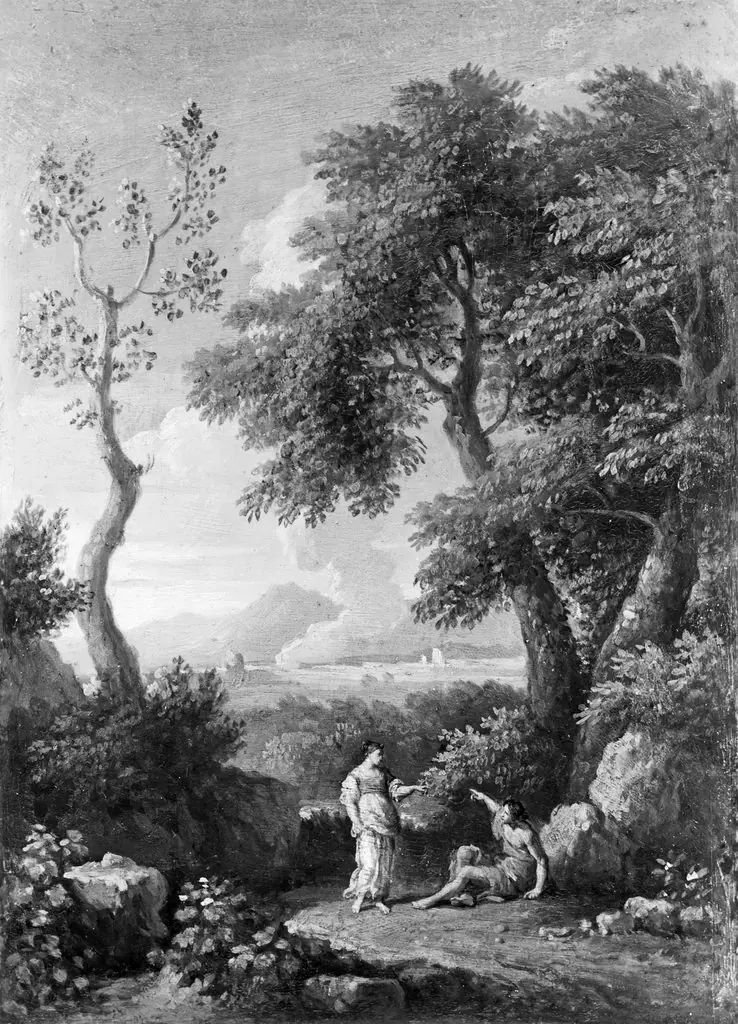 Landscape of the Roman "Compagna"
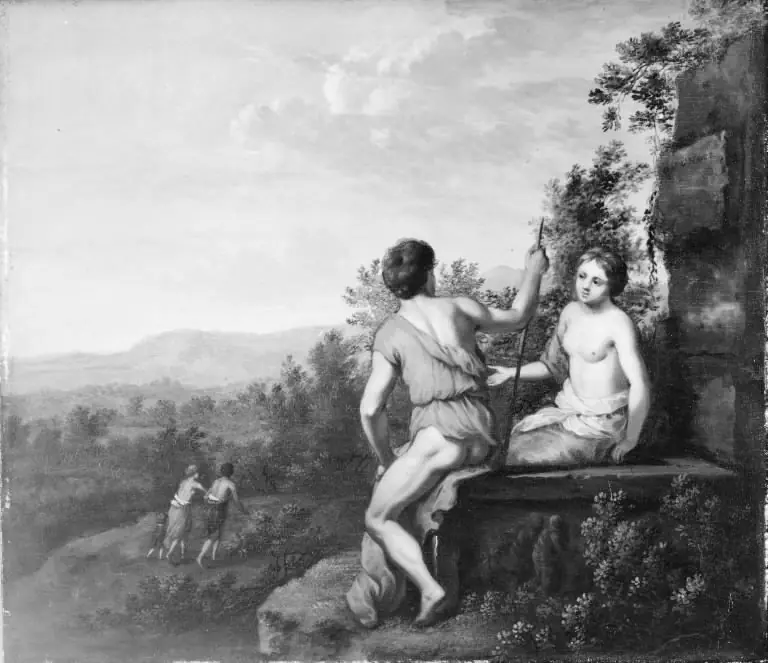 Landscape with Shepherd and Shepherdess
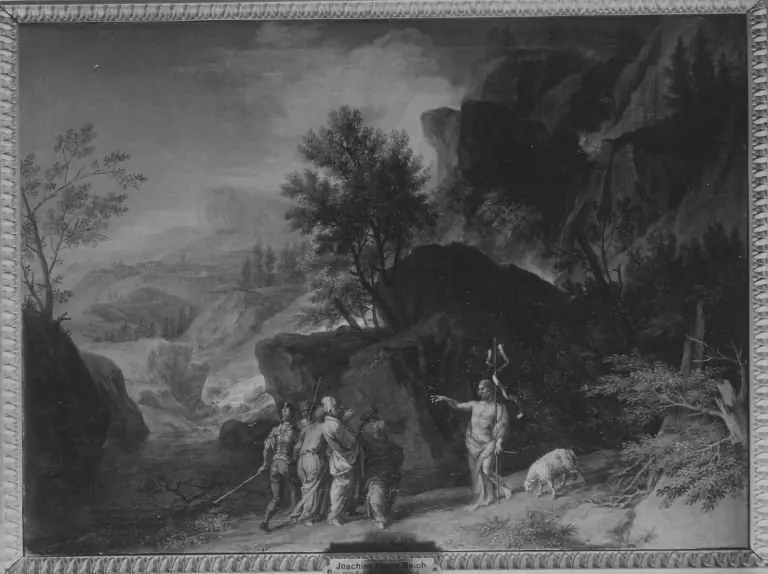 Fierce mountainous landscape with Saint John the Baptist preaching
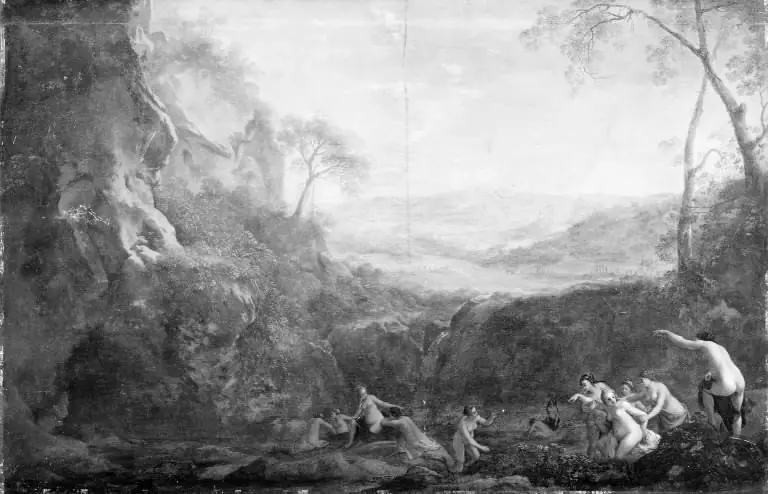 Landscape with Diana and Nymphs
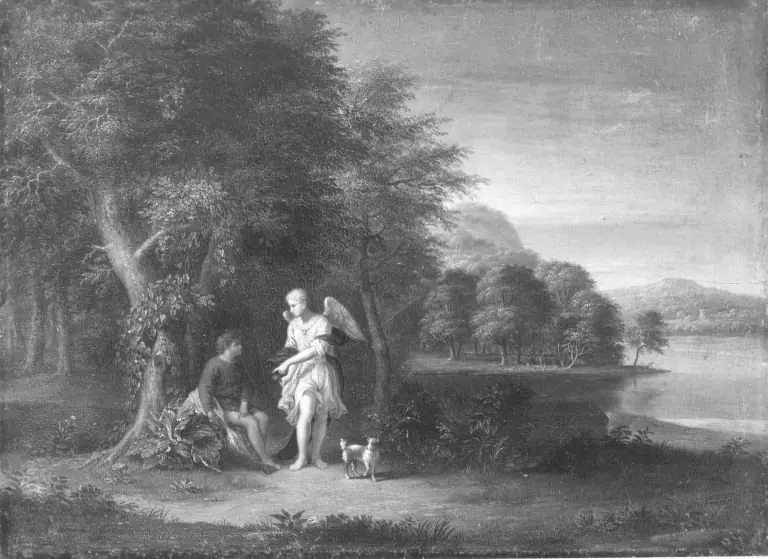 Landschaft mit Tobias und Engel
 Landscape with Shepherd and Shepherdess
 Landscape at Sunset