Artwork
Portrait of a Young Man
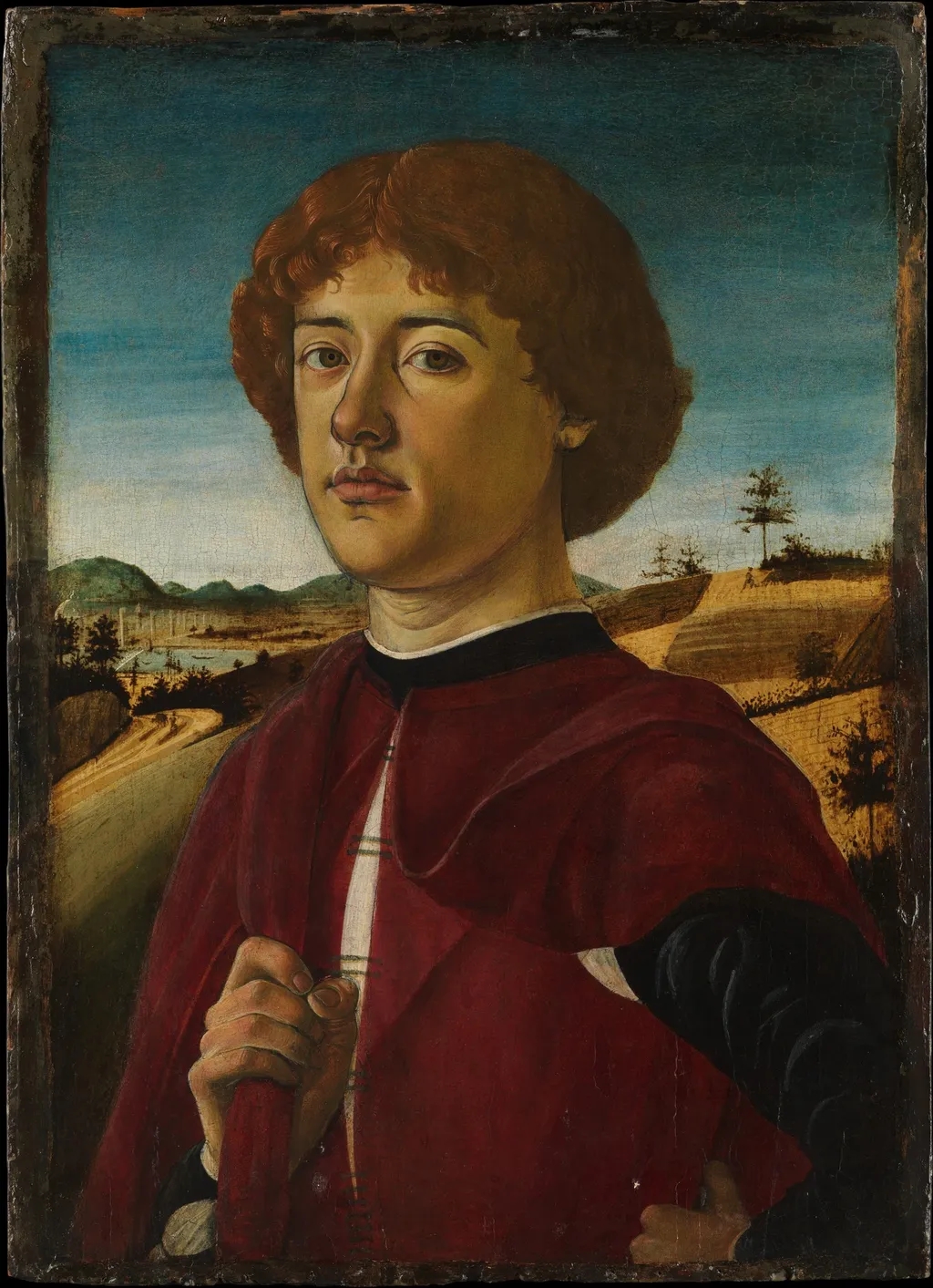
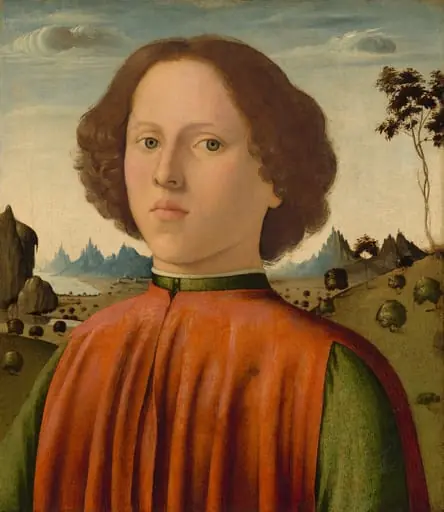
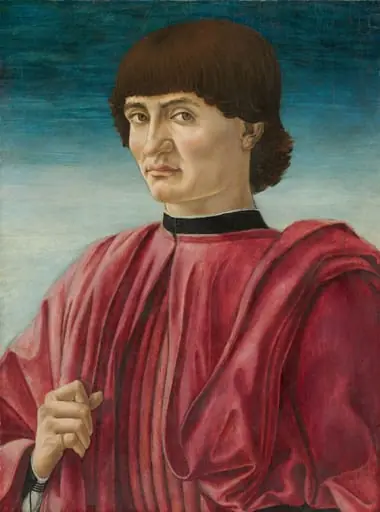
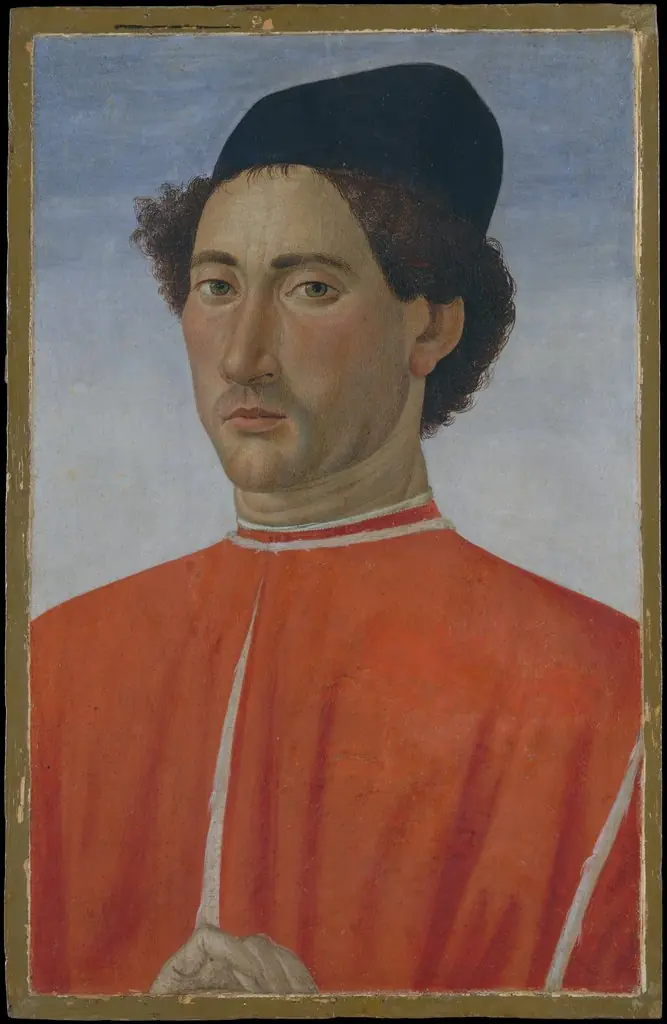
Portrait of a Young Man is a tempera painting by the Early Renaissance artist Biagio d'Antonio. It dates from 1470 and is held in the collection of the Metropolitan Museum of Art.
About this work
Technique & Style
As a genre piece, the painting focuses on the depiction of a man, utilizing the opaque and matte qualities of tempera to render the subject's features.
Created in 1470, the Portrait of a Young Man is executed in tempera on a wooden panel support. The work measures 51.4 centimeters in height and 36.2 centimeters in width, adhering to the traditional materials and scale characteristic of mid-15th century Italian portraiture. As a genre piece, the painting focuses on the depiction of a man, utilizing the opaque and matte qualities of tempera to render the subject's features.
The medium and panel construction reflect the standard workshop practices of Biagio d'Antonio during this period. The physical dimensions and material composition define the object's formal presence within the collection, distinguishing it from later oil-on-canvas traditions that would eventually supplant this technique.
History & Provenance
Portrait of a Young Man is a tempera painting by Biagio d'Antonio dated to 1470. No commission details are recorded for the work. The painting was once owned by Michael Friedsam before entering the Metropolitan Museum of Art's collection, where it is currently held.
The work was included in the exhibition The Renaissance Portrait: From Donatello to Bellini, tracing part of its public display history.
The work titled Portrait of a Young Man, painted by Biagio d'Antonio in 1470 using tempera on panel, is part of the Metropolitan Museum of Art’s collection. Its provenance includes ownership by Michael Friedsam before accession into the museum. The painting has been displayed in the exhibition The Renaissance Portrait.
From Donatello to Bellini at the Met, highlighting its significance within early Renaissance portraiture. The museum’s catalog records the accession number and inventory details as part of its permanent holdings, confirming its status as a key example of 15th‑century Italian portraiture.
Context
Attributed to Biagio d'Antonio, the 1470 tempera-on-panel Portrait of a Young Man is recognized as a significant example of mid-Quattrocento portraiture. The work entered the collection of the Metropolitan Museum of Art through the Michael Friedsam bequest, where it remains a key object for studying the artist's contribution to the Florentine school. Its inclusion in the major exhibition The Renaissance Portrait: From Donatello to Bellini underscores its scholarly importance in defining the evolution of the genre during the late 15th century.
While specific critical debates regarding its attribution are not detailed in the provided records, its presence in this thematic survey highlights its accepted status within the canon of Renaissance portraiture alongside works by Donatello and Bellini.
Overview
Biagio d'Antonio's "Portrait of a Young Man," created in tempera around 1470, captures a solemn figure against a detailed landscape. This work, now housed at The Metropolitan Museum of Art, exemplifies Florentine portraiture of the early Renaissance. The artist presents a young man with distinctive features, rendered with the precise detail characteristic of the period's painting techniques, offering a glimpse into the era's artistic conventions.
Subject & Meaning
The painting features a young man with curly, reddish-brown hair and a serious expression. He is attired in a dark red robe worn over a white garment, and subtly holds a small, unidentified object in his left hand. Behind him, a serene landscape unfolds, depicting rolling hills, scattered trees, and a body of water under a clear blue sky, providing a sense of depth and context to the sitter, a common feature in Renaissance portraits.
Own this work as a print
Artist & collection