Artwork
John William, Duke of Saxe-Coburg
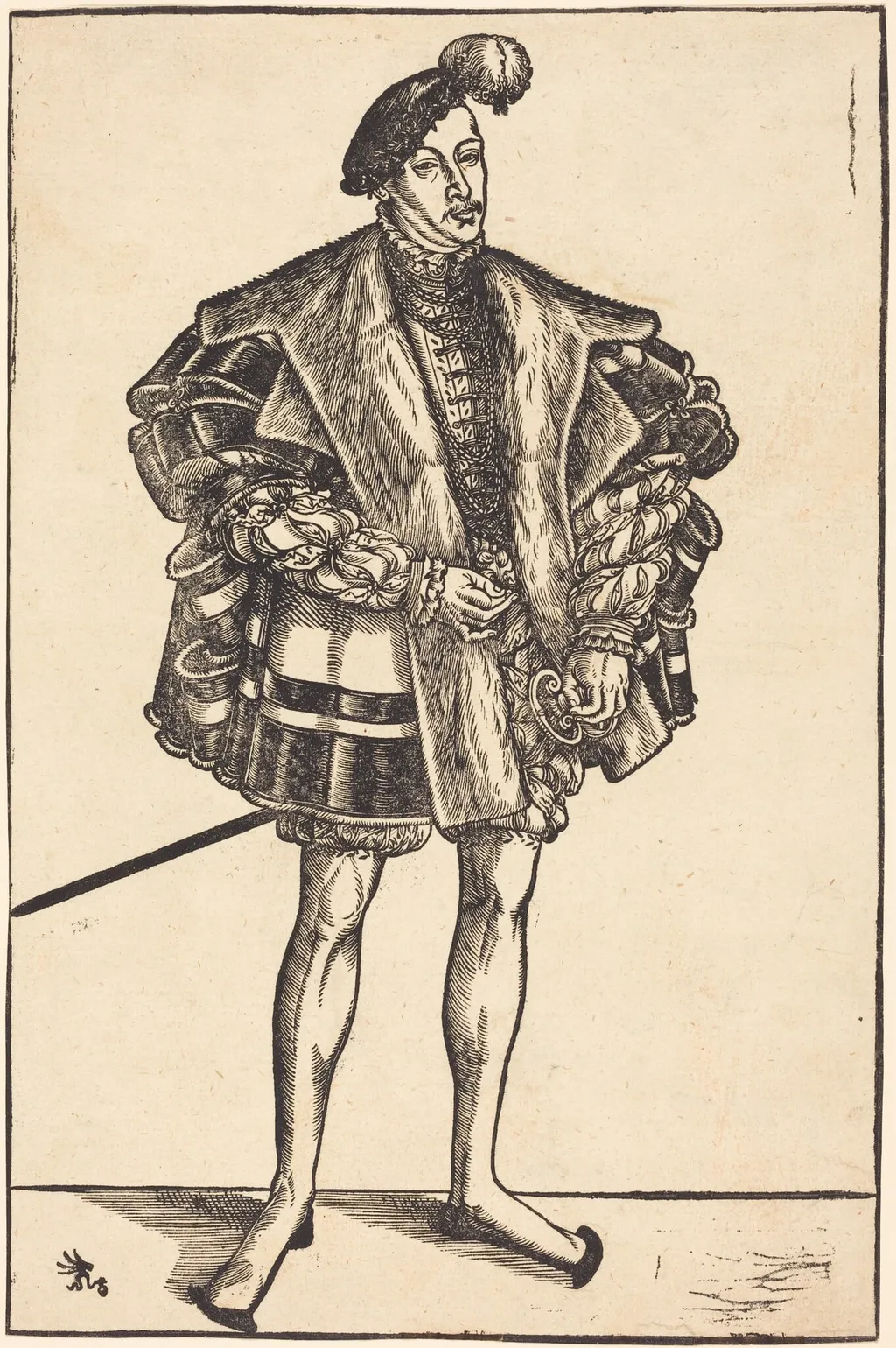
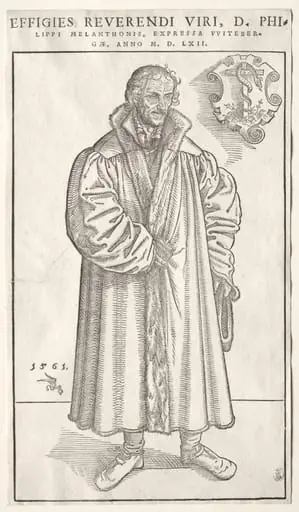
John William, Duke of Saxe-Coburg is an ink print by the Renaissance artist Lucas Cranach the Younger. It dates from 1550 and is held in the collection of the National Gallery of Art.
About this work
Overview
The woodcut medium allowed for the wider dissemination of the duke's image, functioning as both a commemorative object and a tool of dynastic representation.
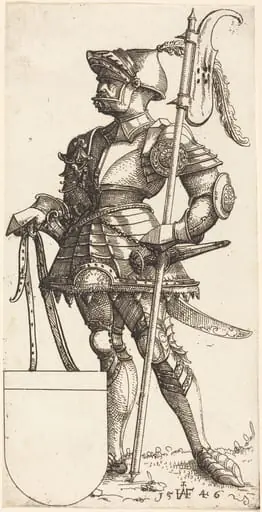
Created in 1550 by Lucas Cranach the Younger, this woodcut presents a formal portrait of John William, Duke of Saxe-Coburg. The composition depicts the duke in profile, facing left, with his hands tucked into the voluminous sleeves of his doublet, a common aristocratic pose of the German Renaissance. He is attired in elaborate contemporary fashion, featuring a long, puffy jacket with a prominent fur collar and a hat adorned with a feather.
Executed in black and white, the print relies on the artist's characteristic linear style to define the textures of the fabrics and the dignified bearing of the subject. As a work by Cranach the Younger, it continues the workshop tradition of the elder Lucas Cranach, known for producing numerous portraits of the Saxon ruling family. This piece serves as a visual record of the duke's status and attire during the mid-16th century, reflecting the courtly aesthetics of the Protestant German states.
The woodcut medium allowed for the wider dissemination of the duke's image, functioning as both a commemorative object and a tool of dynastic representation.
Subject & Meaning
The image presents the duke in elaborate dress, including a padded doublet with wide sleeves, a fur‑trimmed collar, and a feathered hat. The pose, with hands concealed within the sleeves and the figure turned slightly, conveys a dignified, almost ceremonial presence typical of courtly portraiture.
Technique & Style
Cranach employed the woodcut medium, carving the design into a block of timber and printing it in a single inked impression. The linear approach highlights the texture of the fabrics, the stitching, and the folds, while the stark contrast of black lines on white paper accentuates the figure’s silhouette.
History & Provenance
Created during a period when the Cranach workshop supplied portraits for German nobility, the print likely circulated among courtly circles as a means of reinforcing the duke’s visual identity. Surviving copies are documented in several European collections, reflecting its role as a representative example of mid‑Renaissance portrait prints.
Own this work as a print
Artist & collection
Artist
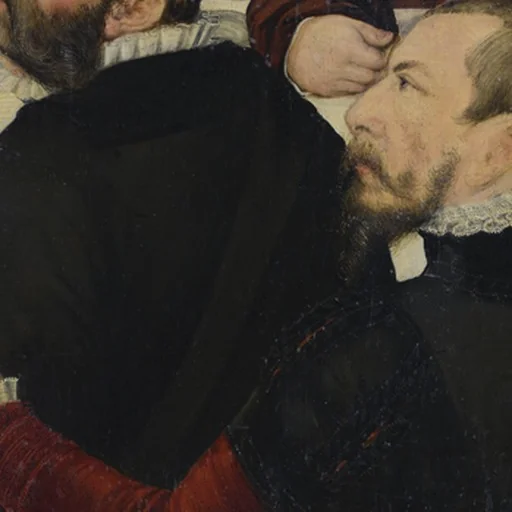
Lucas Cranach the Younger (German: Lucas Cranach der Jüngere, IPA:; 4 October 1515 – 25 January 1586) was a German Renaissance painter and portraitist, the son of Lucas Cranach the Elder and brother of Hans Cranach.