Artwork
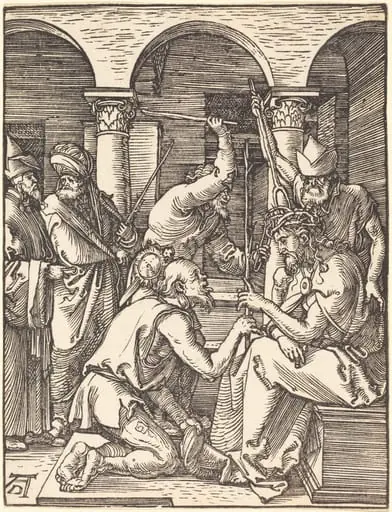
Christ Crowned with Thorns
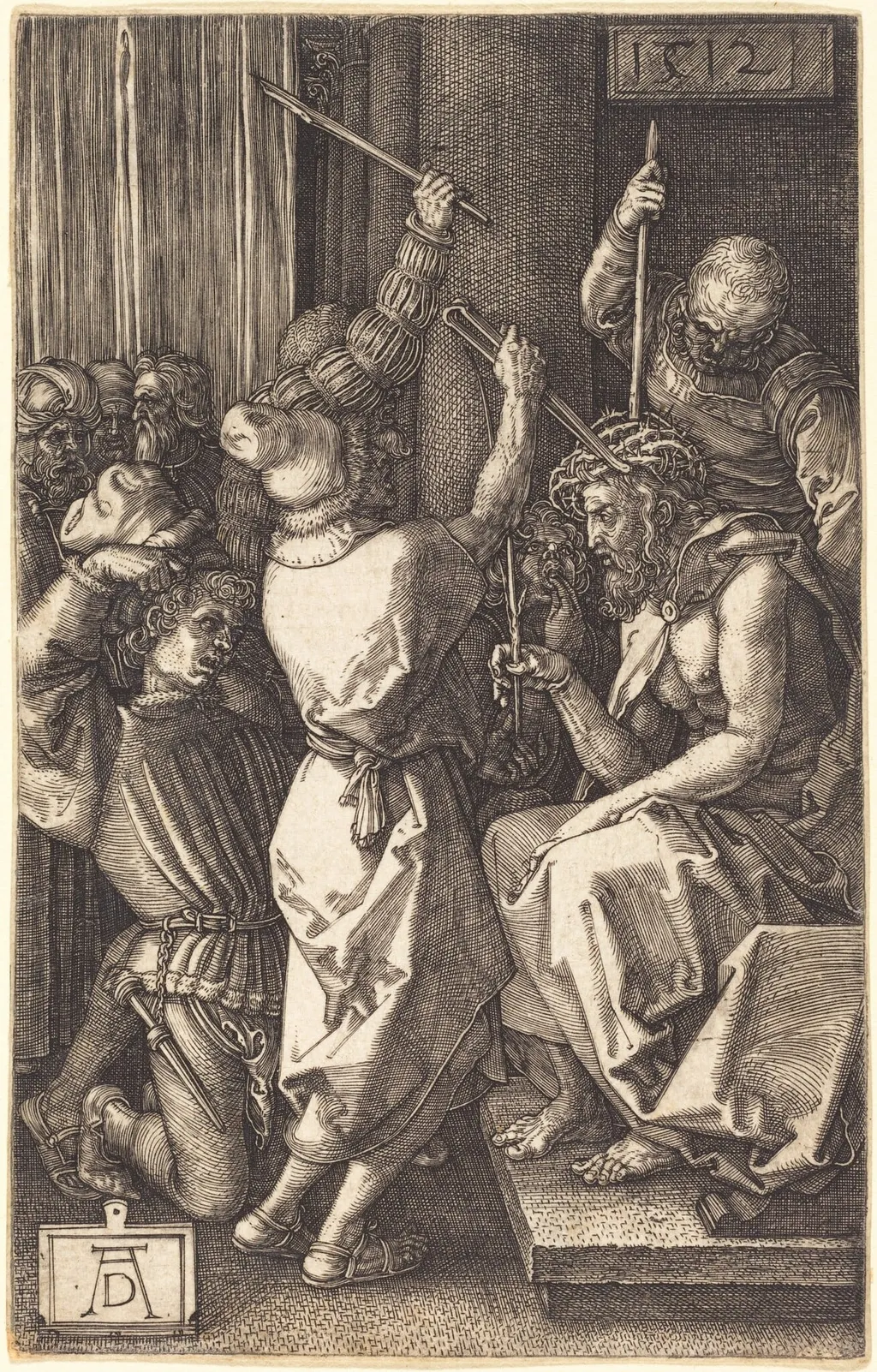
Christ Crowned with Thorns is an ink print by the Northern Renaissance artist Albrecht Dürer. It dates from 1512 and is held in the collection of the National Gallery of Art.
- Inscription
- Inscribed:in plate, top right: 1512; in plate, bottom left, in tablet: AD [artist's monogram]; verso, lower right, in graphite by a later hand: 15 [upside down]; verso, bottom left, in graphite by a later hand: NR [?] 25146; bottom center, in graphite by a later hand: B.9
- Markings
- Marked:none
About this work
Subject & Meaning
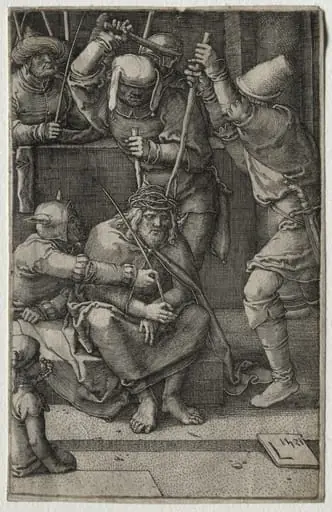
The engraving depicts the New Testament episode of Christ’s mock coronation with thorns, showing Jesus seated and crowned with a jagged circlet while soldiers gesture and jeer. Dürer’s composition emphasizes physical suffering and humiliation through Christ’s bowed posture and the sharp, angular lines of the thorns, aligning with Northern Renaissance emphases on emotional realism. The surrounding figures’ aggressive postures and implements (rods, a rope) underscore the scene’s violence, while Christ’s serene expression contrasts with his torment, signaling spiritual endurance and redemptive purpose.
Technique & Style
As a print from the German Renaissance, the piece utilizes incised lines to render the religious subject of Jesus Christ during the Crowning with Thorns.
Executed in 1512, this work is an engraving created on laid paper. As a print from the German Renaissance, the piece utilizes incised lines to render the religious subject of Jesus Christ during the Crowning with Thorns. The composition reflects the detailed linear approach characteristic of Dürer's graphic oeuvre, produced in Nuremberg.
Surviving impressions measure approximately 117 cm in height and 75 cm in width. The work exists in multiple institutional holdings, indicating the survival of several impressions from the original printing plate.
History & Provenance
Executed in 1512, Dürer’s engraving Christ Crowned with Thorns is dated by the artist’s monogram and the year on the plate.
The work entered the Brentano-Birckenstock collection in Vienna and later Frankfurt (Lugt 345), before passing to Arthur Friederich Theodor Bohnenberger in Stuttgart (Lugt 68). It was acquired by Lessing J. Rosenwald in 1928 and subsequently given to the National Gallery of Art, Washington, D.C., in 1943.
The engraving belongs to the Passion series and depicts the New Testament scene of Christ’s crowning with thorns.
The work is held by the National Gallery of Art in Washington, D.C. It entered the collection through the gift of Lessing J. Rosenwald in 1943, having been purchased by him in 1928 from Arthur Friederich Theodor Bohnenberger of Stuttgart. Prior to Rosenwald's acquisition, it belonged to the Brentano-Birckenstock Collection in Vienna and Frankfurt, documented in the Lugt catalogue as number 345. The print has been exhibited in at least one institutional exhibition, as noted in the National Gallery of Art's collection records related to the Rosenwald Collection.
Its provenance is further corroborated by its inclusion in the Chester Beatty Library holdings and the broader Rosenwald Collection at the National Gallery of Art, which maintains its physical custody today.
Context
The work is a religious engraving from 1512 that belongs to the German Renaissance movement and depicts Jesus Christ in the Crowning with Thorns episode. It is part of Dürer’s Passion series and appears in major print collections including the Chester Beatty Library, the Cleveland Museum of Art, and the National Gallery of Art, where it resides in the Rosenwald Collection. The print has a documented provenance linking Brentano-Birckenstock, Bohnenberger, and Rosenwald before its donation to the National Gallery of Art in 1943.
Legacy
The engraving has shaped how later artists approach the theme of Christ’s suffering, inspiring reinterpretations of the crown of thorns as a symbol of both spiritual anguish and human vulnerability. Its technical mastery of line and composition has been studied in printmaking curricula, influencing generations of artists who seek to convey emotional depth through precise detail. The work’s presence in major collections has reinforced its status as a benchmark for religious imagery in print, ensuring continued scholarly attention to Dürer’s contribution to the visual language of the Passion narrative.
The piece is held in the Chester Beatty Library, National Gallery of Art, and Cleveland Museum of Art, underscoring its recognized cultural significance.
Overview
Christ Crowned with Thorns is an engraving on laid paper created by Albrecht Dürer in 1512.
Own this work as a print
Artist & collection
Artist
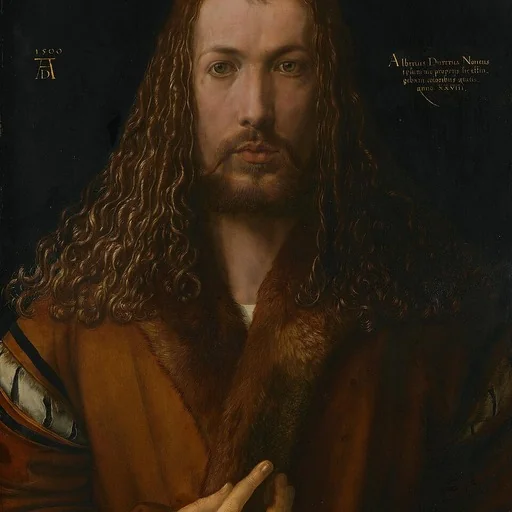
Albrecht Dürer spent his life in Nuremberg, a busy German city where artists traded prints like currency.

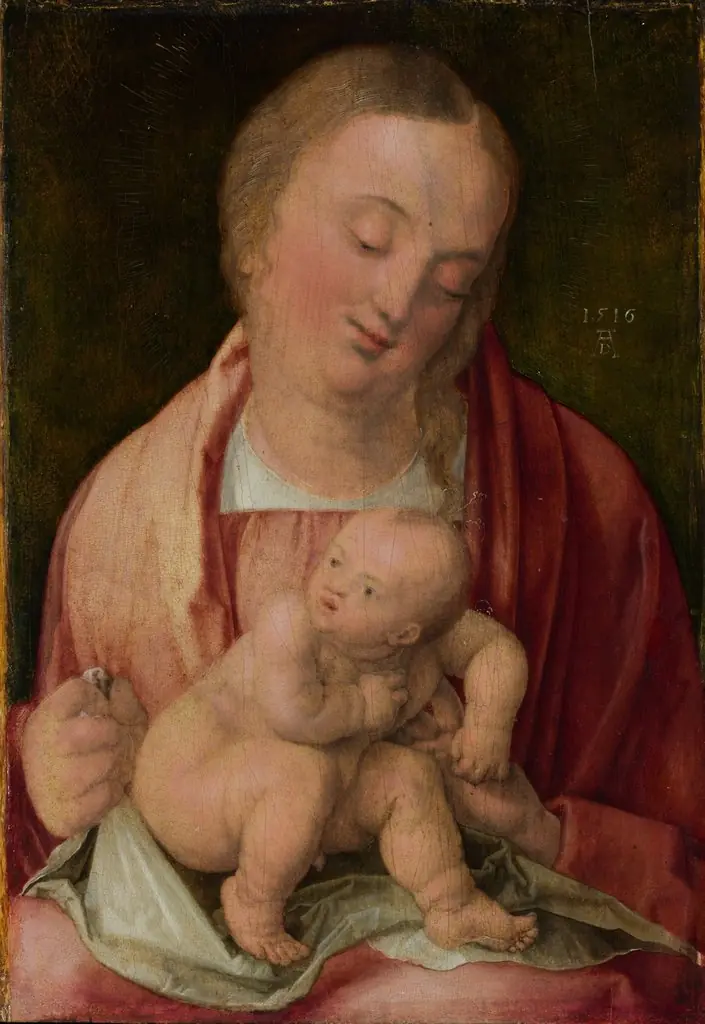
![Madonna and Child [obverse], by Albrecht Dürer](https://artifactworldgallery.com/img/albrecht-durer--madonna-and-child-obverse--d7b8ebf05d22ebe5-w320.webp)
![Lot and His Daughters [reverse], by Albrecht Dürer](https://artifactworldgallery.com/img/albrecht-durer--lot-and-his-daughters-reverse--b4ebf9b282faa17a-w320.webp)