Artwork
Christ Taking Leave from His Mother
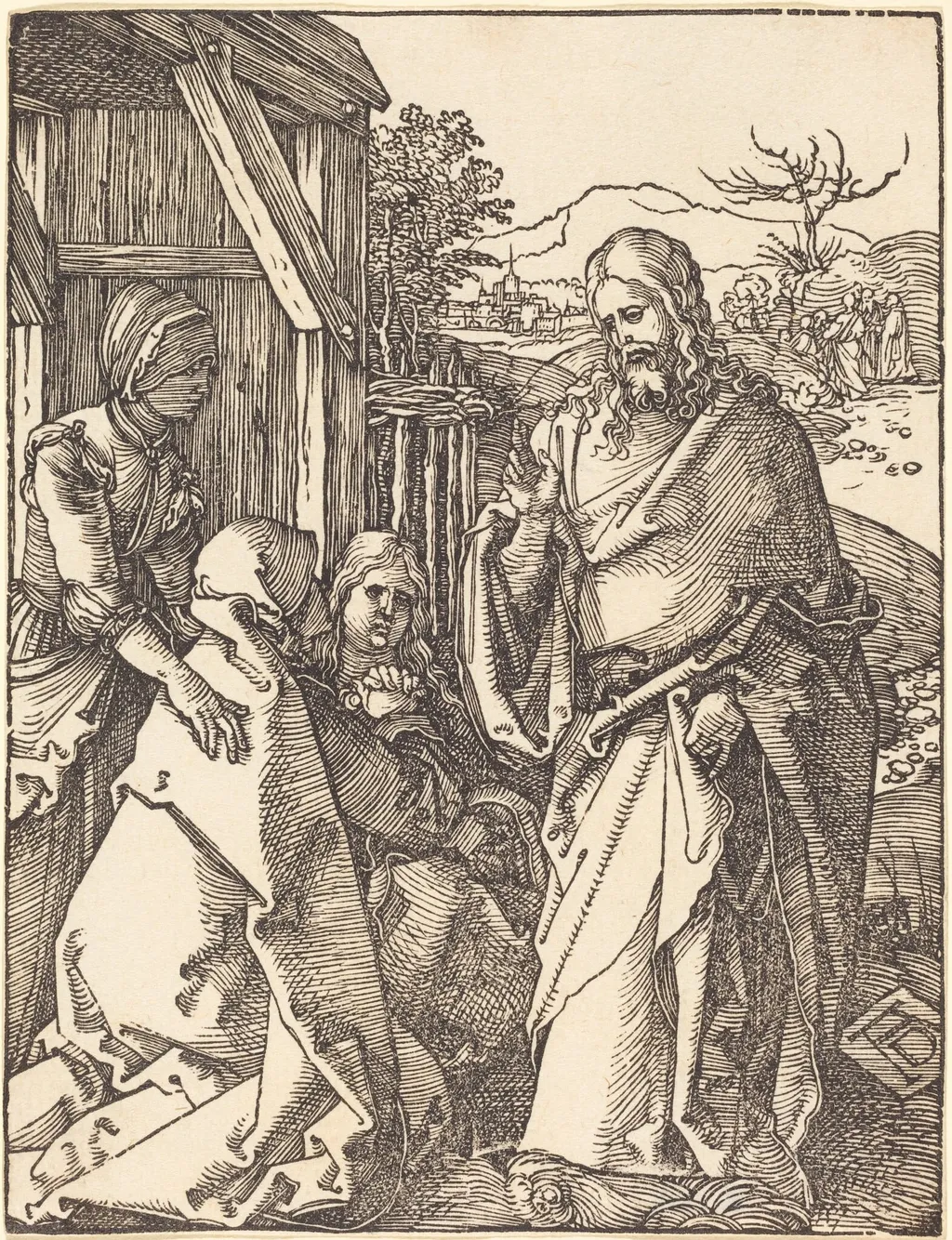
Christ Taking Leave from His Mother is an ink print by the Northern Renaissance artist Albrecht Dürer. It dates from 1510 and is held in the collection of the British Museum.
- Inscription
- Inscribed:in block, bottom right, on tablet: AD [artist's monogram]; verso, lower right, in graphite by a later hand: 627; verso, lower right, in graphite by a later hand: 6; verso, bottom left, in graphite by a later hand: B 21 [faded]
About this work
Subject & Meaning
The print functions within the German Renaissance tradition of using accessible media to foster personal piety through detailed narrative storytelling.
Created in 1509 as part of the Little Passion series, this woodcut illustrates the biblical moment where Jesus Christ bids farewell to his mother, Mary, prior to his arrest and crucifixion. The composition focuses on the emotional gravity of this separation, depicting the two central figures in a scene of solemn devotion. As a work of religious art grounded in the New Testament, the image serves as a visual meditation on the human cost of Christ's sacrifice, emphasizing the sorrow of the Virgin Mary alongside her son's acceptance of his fate.
The print functions within the German Renaissance tradition of using accessible media to foster personal piety through detailed narrative storytelling.
Technique & Style
Christ Taking Leave from His Mother is a woodcut printed on laid paper, classified as a print within the religious genre. The work belongs to Albrecht Dürer's Little Passion series and is associated with the German Renaissance movement.
As a relief printmaking process, the woodcut technique required Dürer to carve his design into a wooden block, allowing the raised lines to receive ink and transfer the image onto paper under pressure. The use of laid paper, characterized by its visible chain lines and laid patterns from the papermaking mould, is typical of early sixteenth-century European print production.
History & Provenance
Albrecht Dürer created the woodcut Christ Taking Leave from His Mother in 1509 as part of his Little Passion series. The work depicts a scene from the New Testament and is classified within the German Renaissance movement.
The known ownership chain begins with Joseph Daniel Böhm of Vienna, who held the print until his death in 1865. It subsequently entered the collection of Robert Scholtz in Budapest. By 1940, the print was in the possession of William Schab in New York, from whom it was purchased by Lessing J. Rosenwald.
Rosenwald gifted the work to the National Gallery of Art in Washington, D.C., in 1943, where it remains part of the Rosenwald Collection.
This 1509 woodcut is held in the collections of the National Gallery of Art in Washington, D.C., the British Museum, and the Cleveland Museum of Art. The specific impression at the National Gallery of Art belongs to the Rosenwald Collection. Its provenance traces from Joseph Daniel Böhm in Vienna to Robert Scholtz in Budapest, before passing through the dealer William Schab in New York.
Lessing J. Rosenwald acquired the work in 1940 and subsequently gifted it to the National Gallery of Art in 1943.
No specific exhibition history or inventory accession numbers for these institutions are provided in the available sources.
Overview
Christ Taking Leave from His Mother is a woodcut on laid paper created by Albrecht Dürer around 1510.
Own this work as a print
Artist & collection
Artist
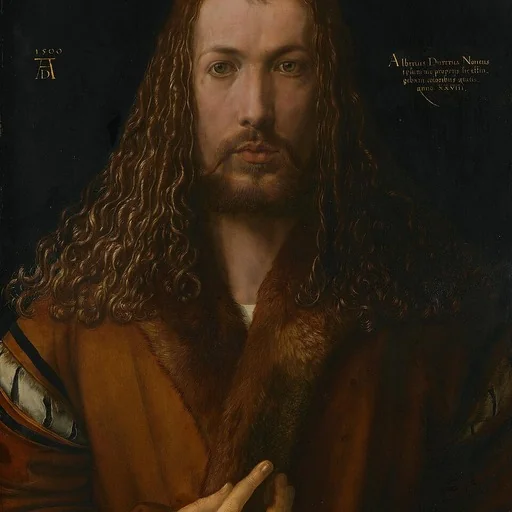
Albrecht Dürer spent his life in Nuremberg, a busy German city where artists traded prints like currency.

![Madonna and Child [obverse], by Albrecht Dürer](https://artifactworldgallery.com/img/albrecht-durer--madonna-and-child-obverse--d7b8ebf05d22ebe5-w320.webp)
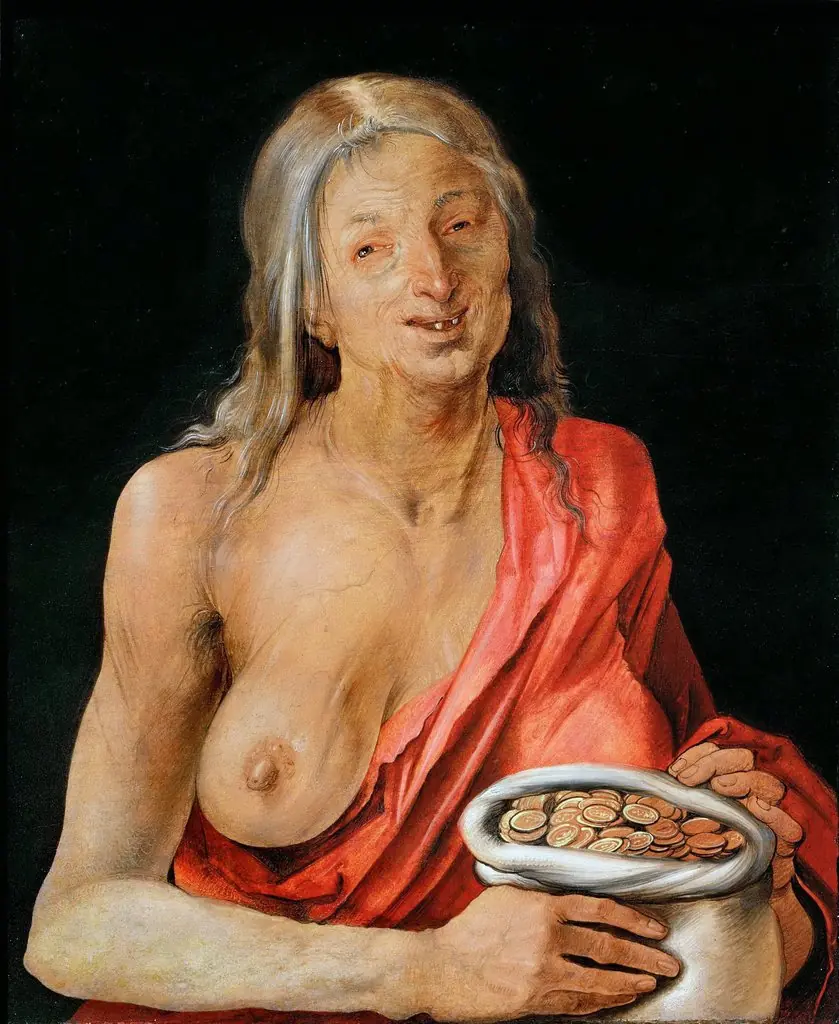
![Lot and His Daughters [reverse], by Albrecht Dürer](https://artifactworldgallery.com/img/albrecht-durer--lot-and-his-daughters-reverse--b4ebf9b282faa17a-w320.webp)
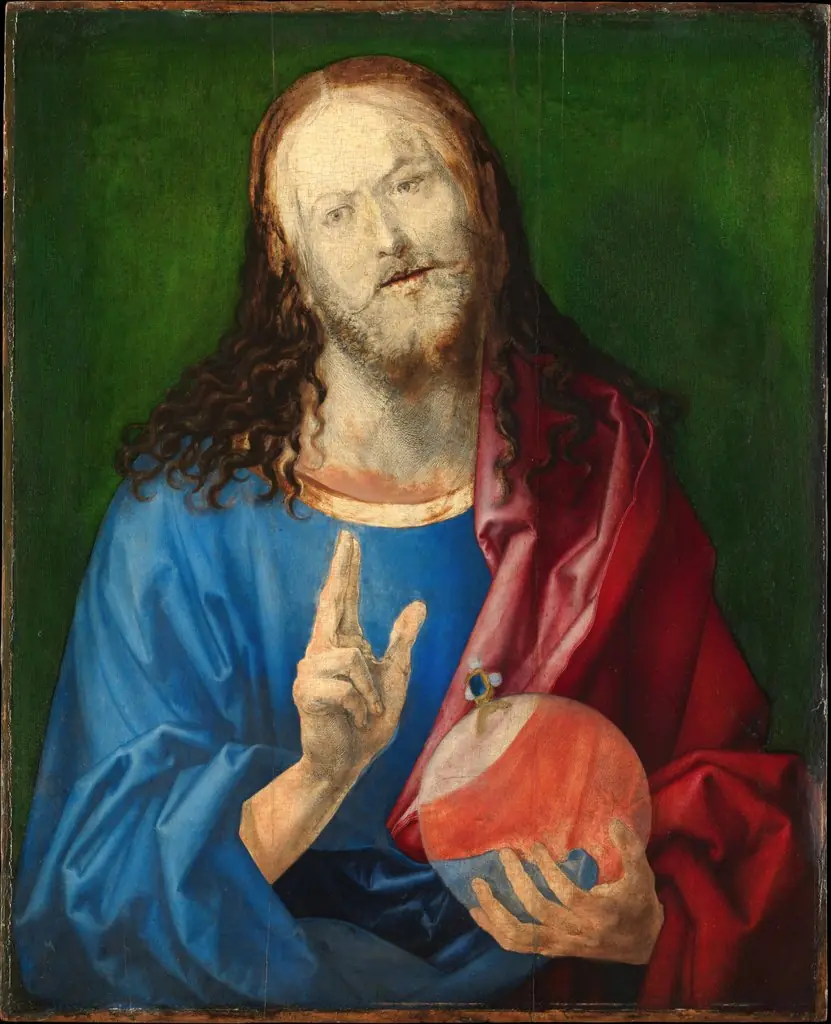
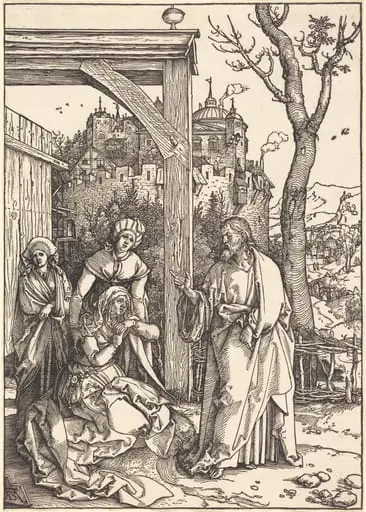
- Christ Taking Leave from His Mother
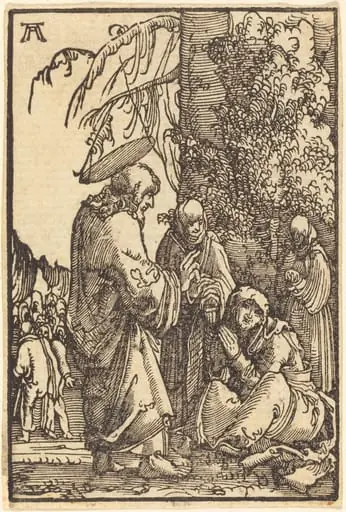 Christ Taking Leave of his Mother
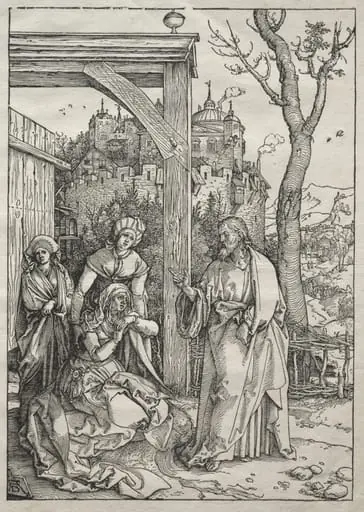 Life of the Virgin: Christ Taking Leave of His Mother
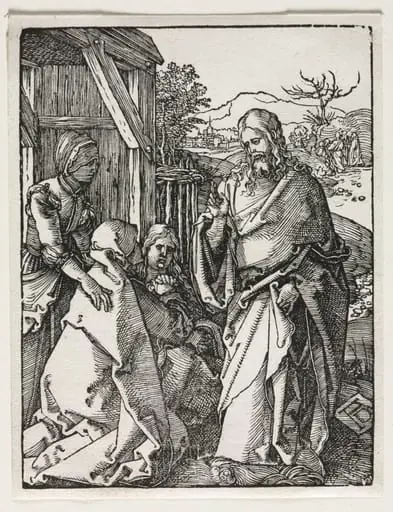 The Small Passion: Christ Taking Leave of the Virgin
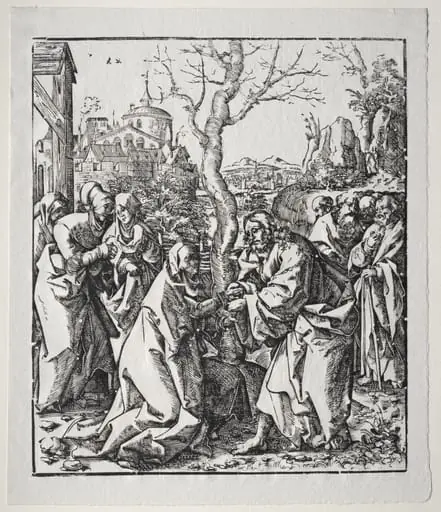 Christ Taking Leave of his Mother
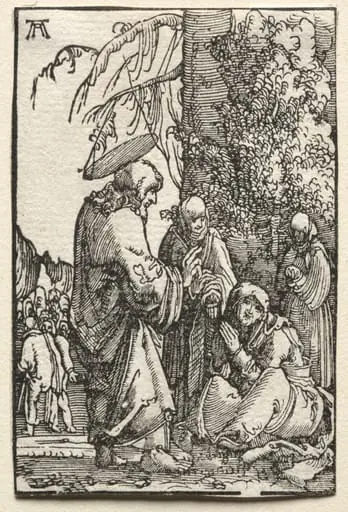 The Fall and Redemption of Man: Christ Taking Leave of His Mother before the Passion
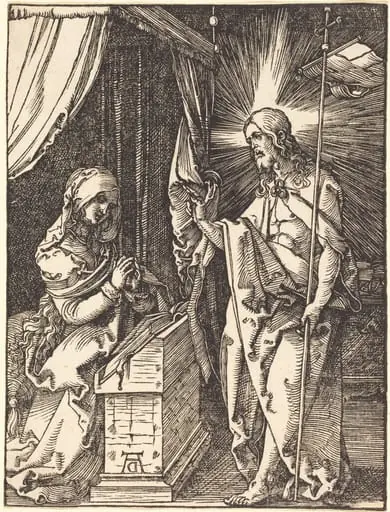 Christ Appearing to His Mother
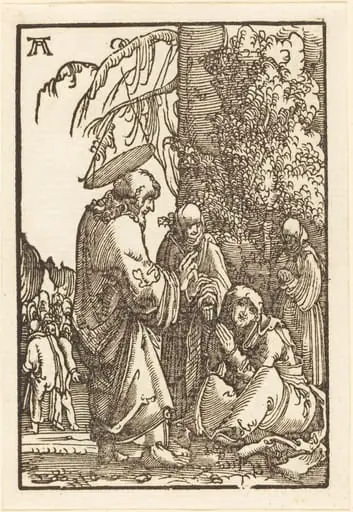 Christ Taking Leave of his Mother
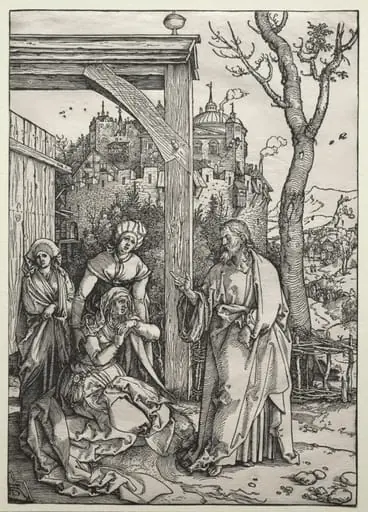 Christ Taking Leave of His Mother
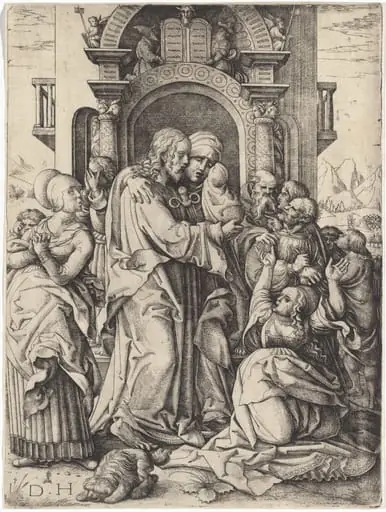 The Virgin Mary Taking Leave of Christ
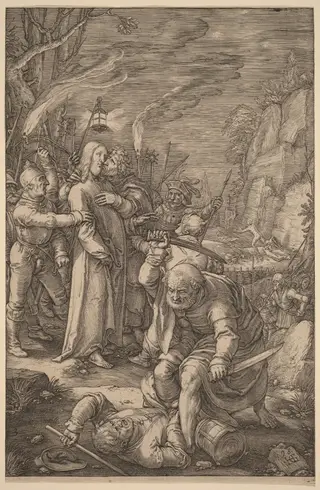 Christ Taken Captive