Artwork
Joachim and Anna at the Golden Gate
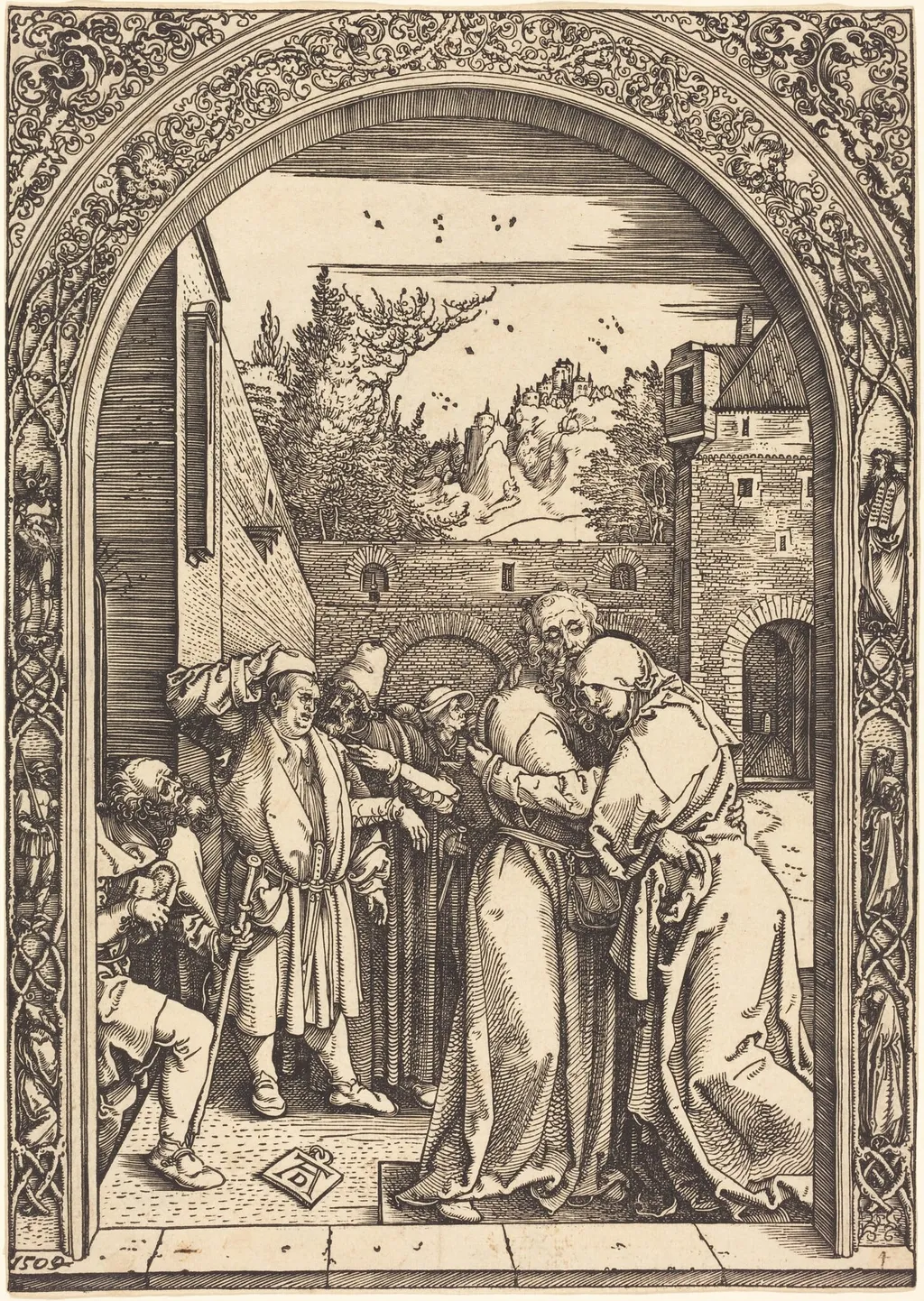
Joachim and Anna at the Golden Gate is an ink print by the Northern Renaissance artist Albrecht Dürer. It dates from 1504 and is held in the collection of the National Gallery of Art.
About this work
Subject & Meaning
This framing technique, combined with Northern European and sixteenth-century Nuremberg motifs, brings the holy figures closer to the contemporary audience.
Albrecht Dürer's 1504 woodcut depicts the biblical narrative of Joachim and Saint Anne meeting at the Golden Gate of Jerusalem after learning they will conceive a child. As part of the *Life of the Virgin* series, the scene represents the parents of the Virgin Mary, serving as a pivotal moment in the lineage leading to the Incarnation. The work functions as a blend of the sacred and the secular, utilizing a Renaissance arch to create an illusion of looking through an open window. This framing technique, combined with Northern European and sixteenth-century Nuremberg motifs, brings the holy figures closer to the contemporary audience. The image illustrates the Virgin Mary's role as an intermediary between the divine and the earthly realm, portrayed with human frailties while maintaining her spiritual significance.
Technique & Style
Joachim and Anna at the Golden Gate is a woodcut printed on paper, classified as a print and belonging to the German Renaissance movement. The sheet measures 29.6 cm in height by 20.9 cm in width and was produced in Nuremberg in 1504. It is part of the sixteen-woodcut Life of the Virgin series, of which it is the only sheet carrying a date, and the full series was first published in 1511.
Stylistically, Dürer employs the early Renaissance convention of framing the scene as if viewed through an open window, here outlining the composition with a Renaissance arch. He combines classical motifs with sixteenth-century Nuremberg elements and a northern European setting to bring the sacred subject closer to the viewer. Like the other prints in the series, the work is distinguished by virtuoso handling of line and highly skilled cutting of the woodblock.
History & Provenance
Albrecht Dürer created the woodcut *Joachim and Anna at the Golden Gate* in 1504 within the city of Nuremberg. This work serves as the only dated piece within his sixteen-print series, *Life of the Virgin*, which was executed between 1501 and 1511. The complete series was first published in 1511, featuring Latin texts on the reverse of each print written by the Benedictine Abbot Benedictus Chelidonius. While the specific commission details are not recorded, the work is currently held by several institutions, including the National Gallery of Art in Washington, D.C., where it resides in the Rosenwald Collection, as well as the Chester Beatty Library and the Cleveland Museum of Art.
Context
Joachim and Anna at the Golden Gate belongs to Dürer’s Life of the Virgin series, one of 16 woodcuts executed between 1501 and 1511 and first published in 1511. The print is the only dated work in the cycle and exemplifies Dürer’s fusion of Italianate form with northern European motifs, framing the sacred scene within a Renaissance arch to render the biblical event immediate to contemporary viewers.
Scholarly commentary emphasizes the series’ blend of piety and quotidian detail, noting how Dürer’s virtuoso linework and cutting elevate woodcut technique to a refined art form. Critics such as Laurie Meunier Graves highlight the prints’ capacity to balance the holy and the secular, a reading echoed across later assessments of the Life of the Virgin as a landmark in German Renaissance printmaking.
Own this work as a print
Artist & collection
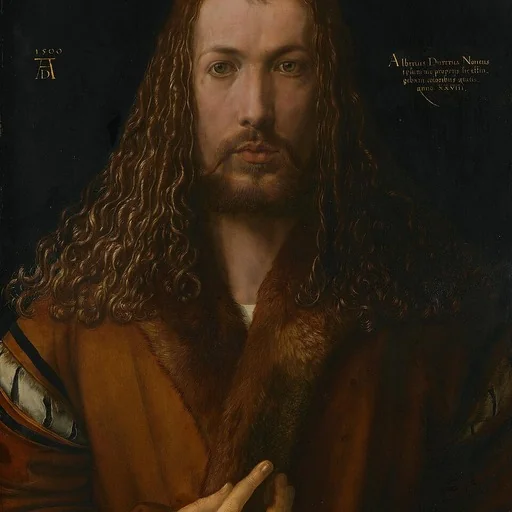
Artist
Albrecht Dürer spent his life in Nuremberg, a busy German city where artists traded prints like currency.

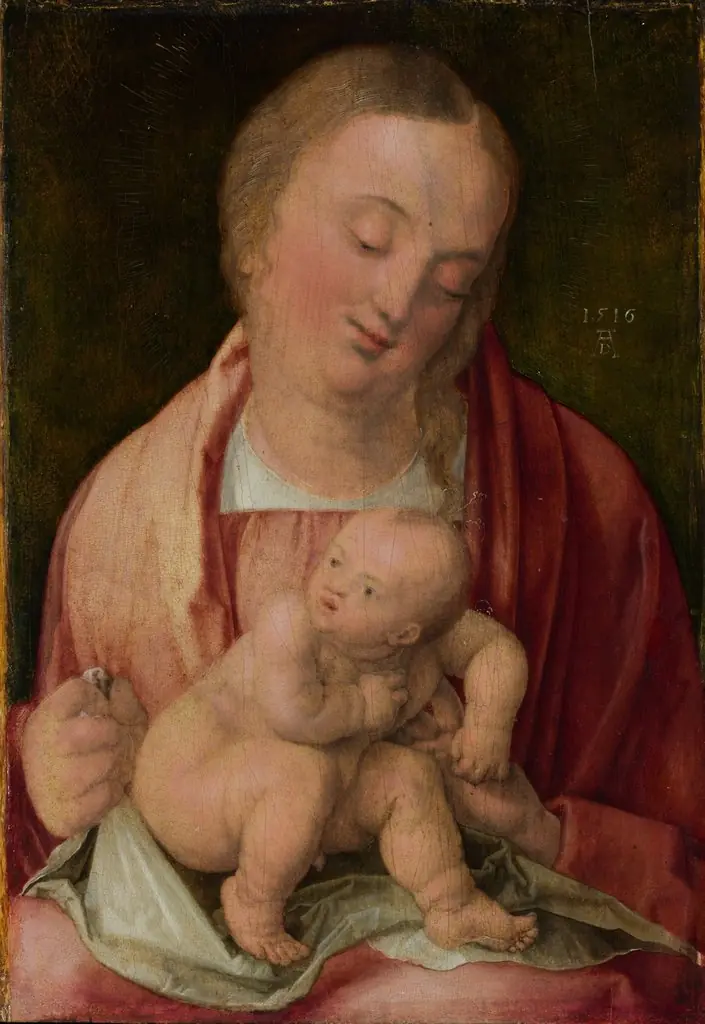
![Madonna and Child [obverse], by Albrecht Dürer](https://artifactworldgallery.com/img/albrecht-durer--madonna-and-child-obverse--d7b8ebf05d22ebe5-w320.webp)
![Lot and His Daughters [reverse], by Albrecht Dürer](https://artifactworldgallery.com/img/albrecht-durer--lot-and-his-daughters-reverse--b4ebf9b282faa17a-w320.webp)