Artwork
Justice, Truth and Reason in the Stocks with the Seated Judge and Sleeping Piety
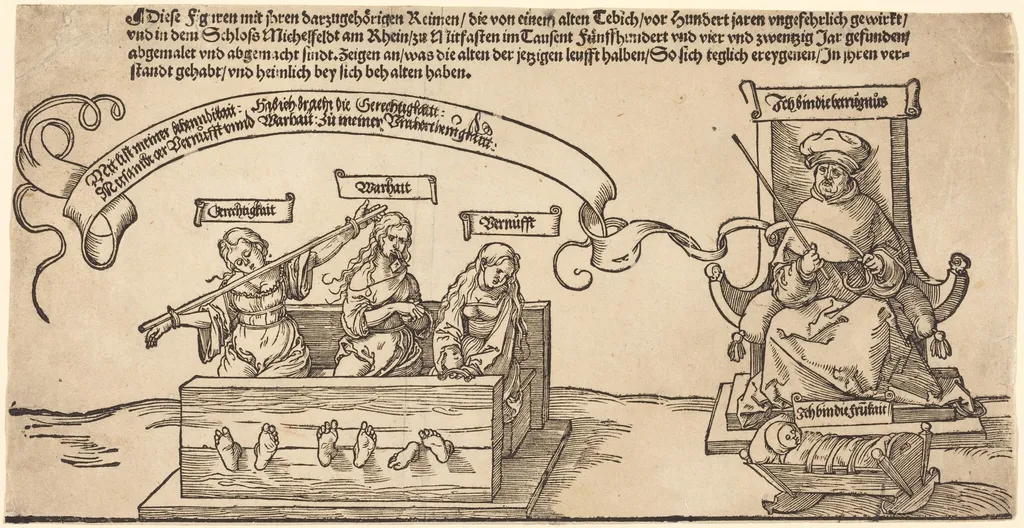
Justice, Truth and Reason in the Stocks with the Seated Judge and Sleeping Piety is an ink print by the Northern Renaissance artist Albrecht Dürer. It dates from 1526 and is held in the collection of the National Gallery of Art.
About this work
This print shows three women tied to stocks while a judge sleeps nearby. Truth holds a mirror. Justice clutches a sword. Reason points to her open book.
Dürer carved this in 1526. At the time, people debated fair laws and honest leaders. The women wear thin robes, almost like ghosts.
Look at how the lines press deep. See how the judge’s head tilts away.
Dürer, Albrecht
Subject & Meaning
The pairing with a seated judge and sleeping Piety frames the print as a moral and civic allegory about the breakdown of ethical order.
Albrecht Dürer's 1524 woodcut is a Renaissance allegory built around the personified virtues of Justice, Truth, and Reason, who are shown confined in the stocks. The title's reference to a "Seated Judge" and "Sleeping Piety" extends the allegorical program: the judge embodies worldly authority, while the slumber of Piety suggests that divine or moral vigilance has lapsed, allowing the virtuous ideals to be restrained.
By placing Justice, Truth, and Reason in the stocks, Dürer visualizes a paradox in which the very principles that should govern society are themselves imprisoned, a pointed commentary on the corruption or failure of justice in his time. The pairing with a seated judge and sleeping Piety frames the print as a moral and civic allegory about the breakdown of ethical order.
Technique & Style
Executed as a woodcut, the composition is cut on a single block of pear wood and printed in black ink on laid paper. The sheet measures 16.8 cm in height by 31.2 cm in width. The design combines fine, parallel hatching and cross-hatching to modulate light and shadow across the figures and architecture, while broader, open gouges articulate the wooded background and the rough textures of the stocks and judge’s bench.
The figures are arranged in a shallow, stage-like space, with Justice and Truth shown upright and Reason seated, creating a stable yet dynamic tableau that guides the viewer’s eye across the allegorical scene.
History & Provenance
Albrecht Dürer created the woodcut titled Justice, Truth and Reason in the Stocks with the Seated Judge and Sleeping Piety in 1524. The work was produced in Nuremberg, reflecting the German Renaissance context of its making. It is part of the Rosenwald Collection held by the National Gallery of Art in Washington, D.C., where it remains in the institution's prints collection.
The piece exemplifies allegorical representation of justice, reason, and truth, aligning with Dürer's thematic interests during this period.
The work measures 16.8 cm in height and 31.2 cm in width, consistent with the dimensions recorded for the print.
The woodcut is held in the collection of the National Gallery of Art in Washington, D.C., specifically within its Prints department as part of the Rosenwald Collection. While the work was created in 1524, catalog records associated with the holding institution list inception dates ranging from 1524 to 1526. The physical object measures 16.8 cm in height and 31.2 cm in width. No specific exhibition history or inventory accession numbers are provided in the available records.
Overview
Created around 1526, this woodcut by Albrecht Dürer presents a symbolic scene of three female figures bound in stocks, representing Justice, Truth, and Reason. A seated judge, his head turned away in slumber, observes them indifferently. The composition is stark and linear, emphasizing the vulnerability of these virtues as they are immobilized, while Piety sleeps nearby, unresponsive to their plight.
Context
In the 1520s, debates over legal fairness, clerical corruption, and civic responsibility were widespread. Dürer’s image responds to these tensions, drawing on medieval allegory but infusing it with contemporary urgency. The depiction of passive authority figures mirrors public frustration with rulers who neglected their duties, making the work a quiet but potent critique of its time.
Legacy
Though not widely reproduced in Dürer’s lifetime, this woodcut has since been recognized as a rare example of his political allegory. Its restrained imagery and symbolic clarity influenced later artists exploring themes of moral decay and institutional failure. It remains a significant artifact of early modern visual dissent, valued for its understated power and historical resonance.
![A Courtier Standing Between Covetousness and Dissimulation [fol. 14 recto]](https://artifactworldgallery.com/img/french-early-16th-century--a-courtier-standing-between-covetousness-and-dissimulation-f--2578f4fe9846edc2-w320.webp)
Artist & collection
Artist
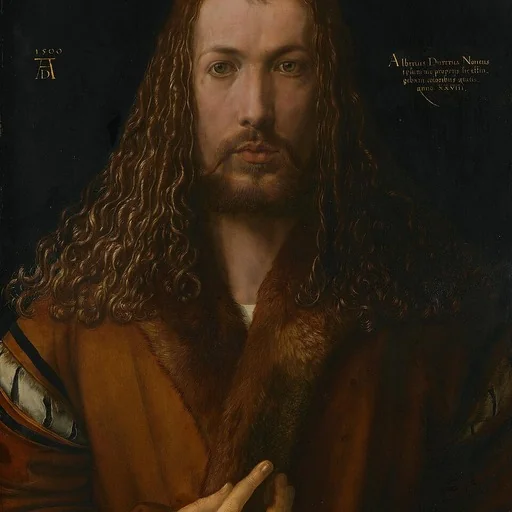
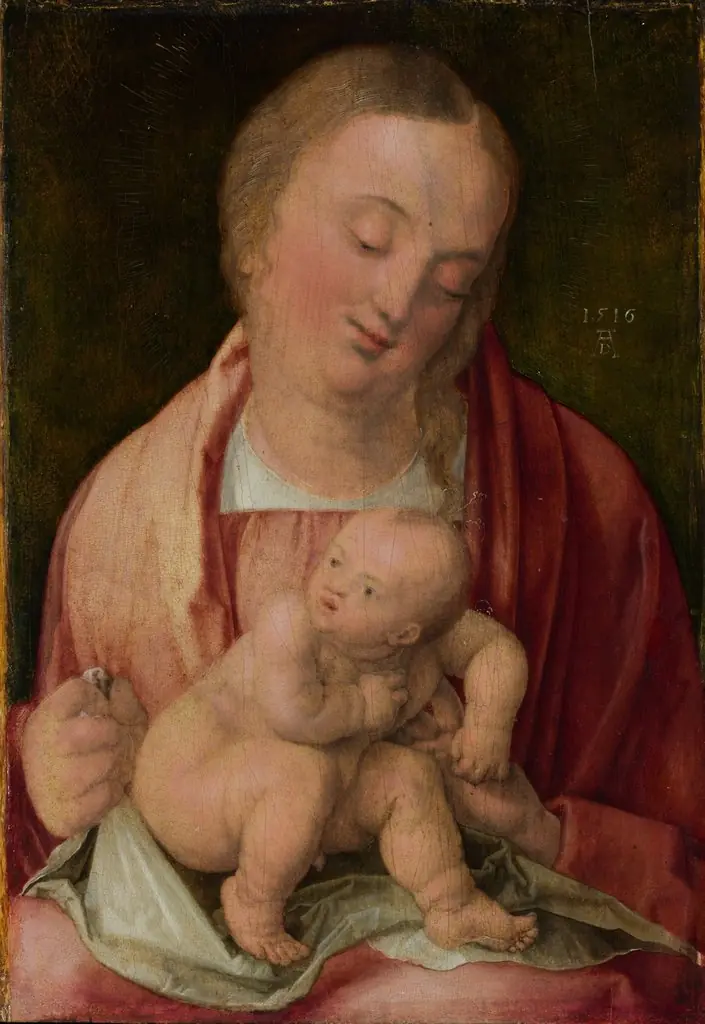
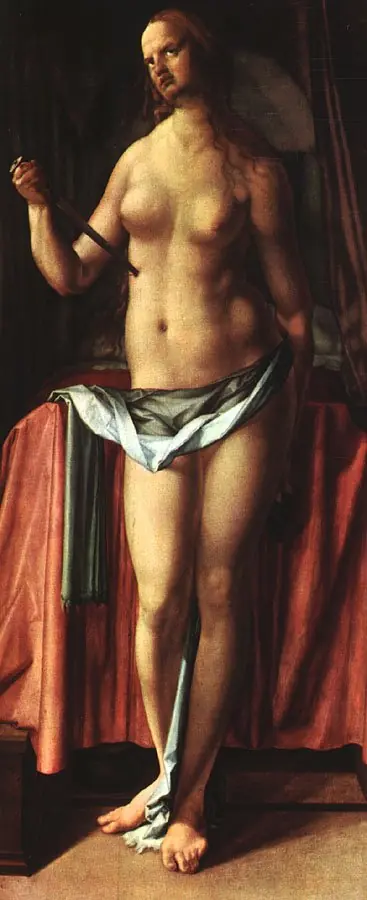
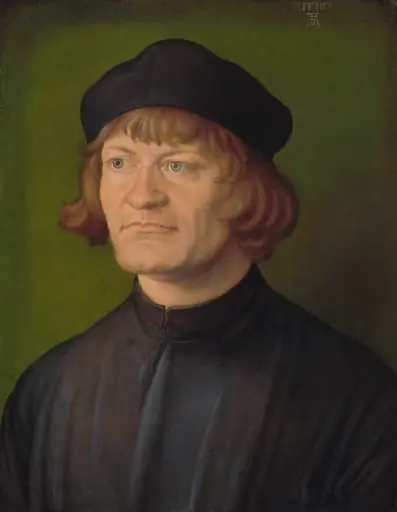
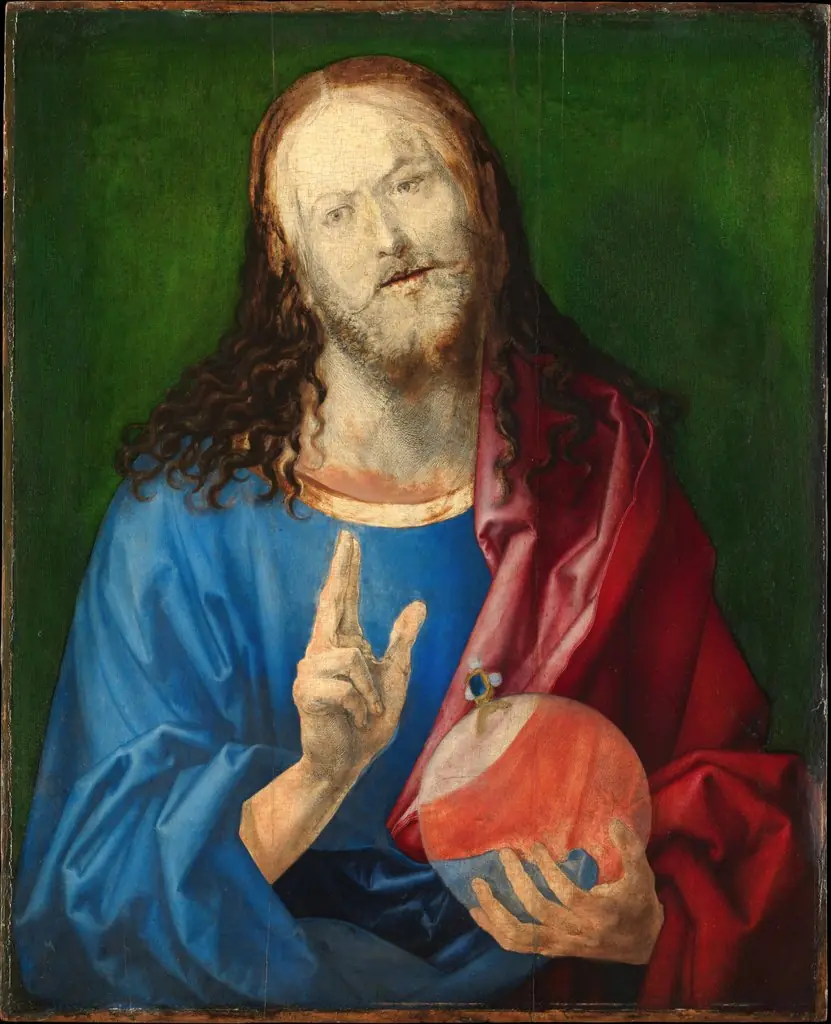
Albrecht Dürer spent his life in Nuremberg, a busy German city where artists traded prints like currency.

![Madonna and Child [obverse], by Albrecht Dürer](https://artifactworldgallery.com/img/albrecht-durer--madonna-and-child-obverse--d7b8ebf05d22ebe5-w320.webp)
![Lot and His Daughters [reverse], by Albrecht Dürer](https://artifactworldgallery.com/img/albrecht-durer--lot-and-his-daughters-reverse--b4ebf9b282faa17a-w320.webp)
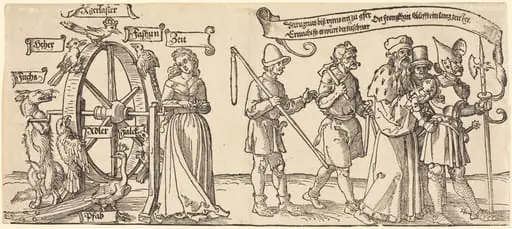 Time and a Fox Turning the Wheel of Fortune with People of all Ranks to the Right
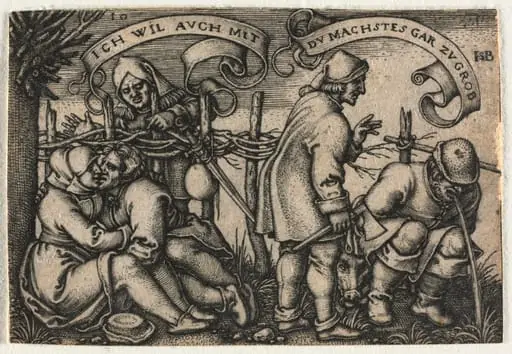 The Peasant Wedding or the Twelve Months: No. 10
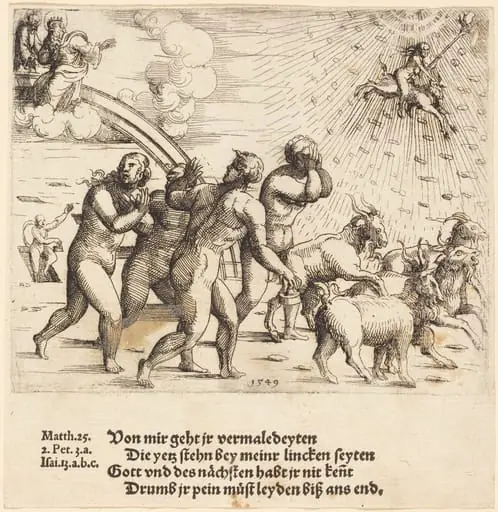 The Last Judgment
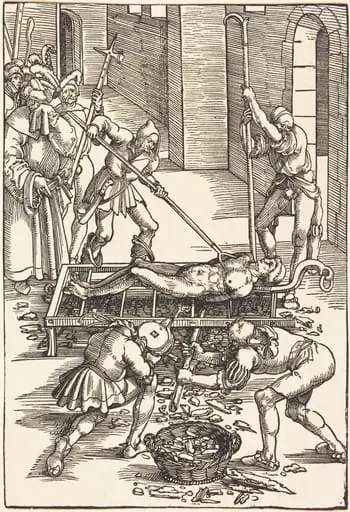 Martyrdom of Saint Lawrence
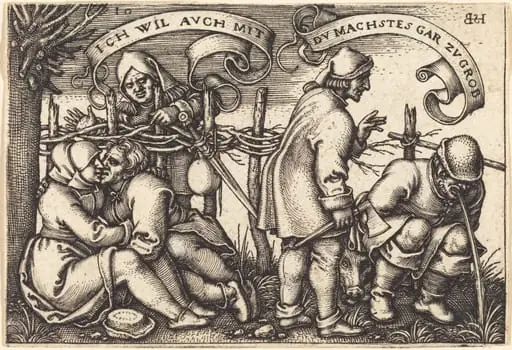 Peasants Behind the Fence
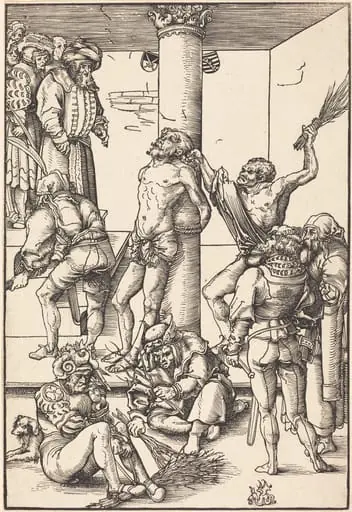 The Flagellation
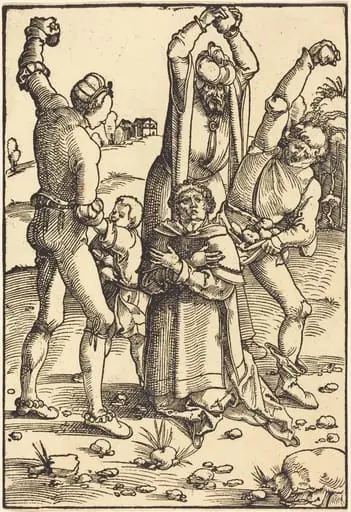 The Stoning of Saint Stephen
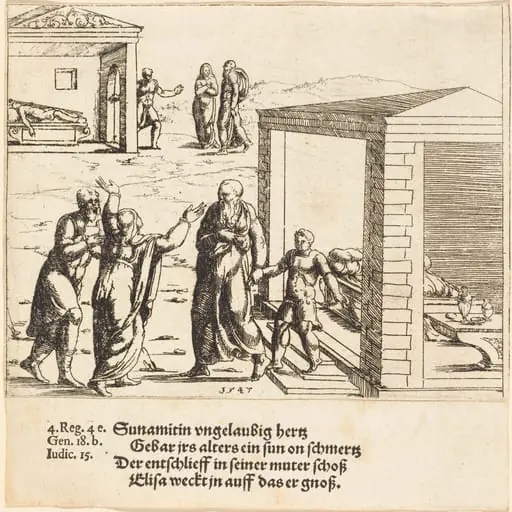 Elisha Raises the Son of the Shunammite
 The Fall of Man
 Saint Simon
 Saint Bartholomew
- A Courtier Standing Between Covetousness and Dissimulation [fol. 14 recto]