Artwork
The Flight into Egypt
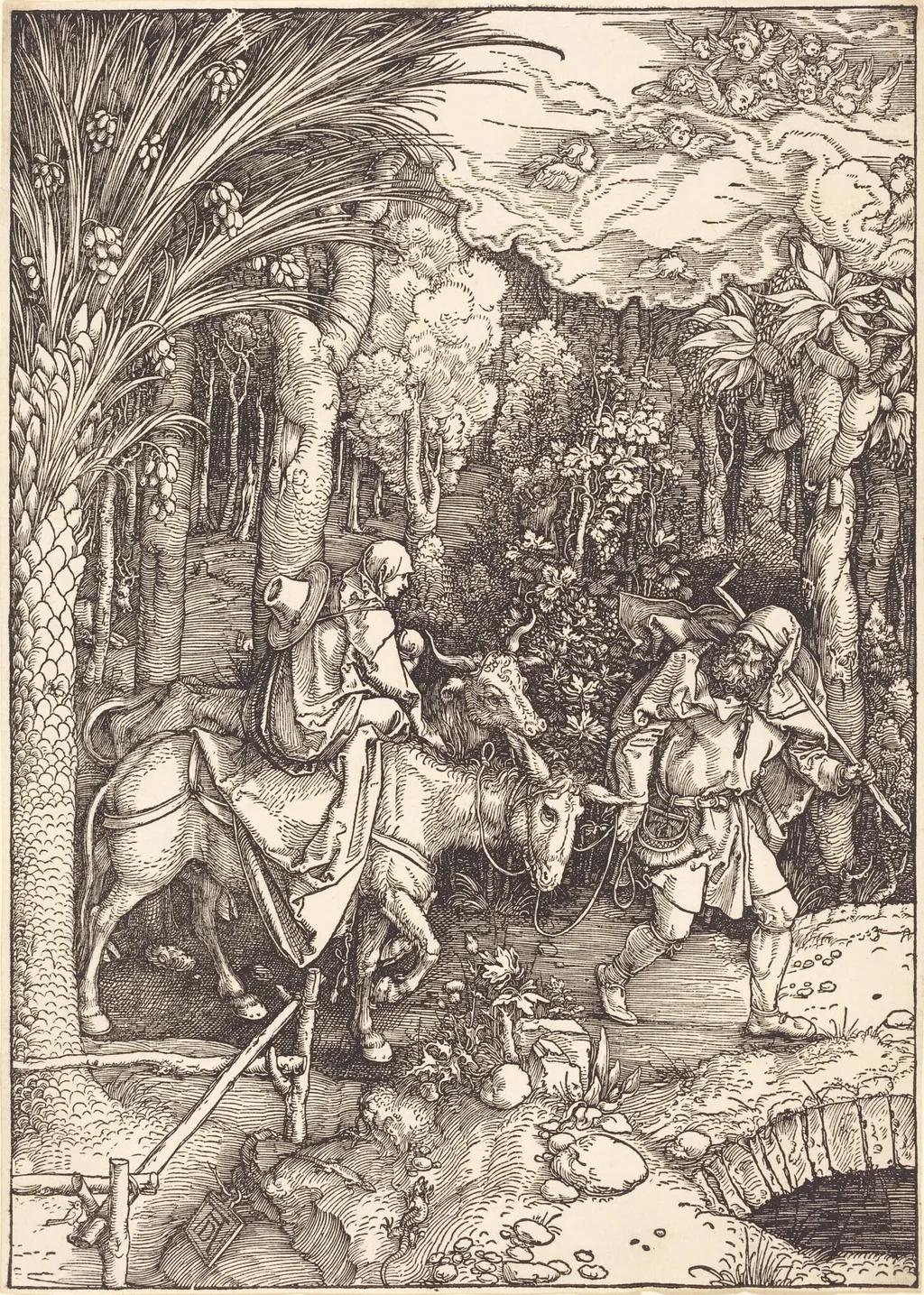
The Flight into Egypt is an ink print by the Northern Renaissance artist Albrecht Dürer. It dates from 1504 and is held in the collection of the National Gallery of Art.
About this work
Overview
Dürer integrates the figures into a richly detailed natural setting filled with specific flora and fauna, characteristic of his Northern Renaissance style.
Albrecht Dürer's woodcut The Flight into Egypt, created in 1504, depicts the biblical narrative of the Holy Family fleeing to Egypt to escape King Herod's massacre of the innocents. The composition features the Virgin Mary seated on a donkey, holding the Christ Child, while Joseph leads the animal through a dense, meticulously rendered landscape. Dürer integrates the figures into a richly detailed natural setting filled with specific flora and fauna, characteristic of his Northern Renaissance style.
This work is part of the artist's series of woodcuts illustrating the Life of the Virgin, produced during a period when he was refining his printmaking techniques to achieve unprecedented tonal range and linear precision. The image balances the solemnity of the religious subject with an intimate observation of the natural world, using the surrounding environment to enhance the narrative depth. Executed with fine hatching and cross-hatching, the print demonstrates Dürer's mastery of the medium, transforming a small-scale graphic work into a complex visual statement that reflects both theological significance and humanist interest in the natural order.
Subject & Meaning
The image captures the Holy Family on the move, accompanied by a donkey that traditionally symbolizes humility and service. Surrounding flora and other natural elements are rendered with careful attention, each likely serving as an emblematic reference to themes of protection, divine providence, and the journey’s spiritual significance.
Technique & Style
Created through the woodcut process, Dürer incised the design onto a wooden block, producing a high-contrast image when inked and pressed onto paper. The print demonstrates his mastery of line work, employing fine hatching and cross-hatching to convey texture, depth, and intricate detail despite the medium’s inherent limitations.
History & Provenance
The work emerged during Dürer’s early mature period, a time when he was exploring religious subjects in print form. While the original block has not survived, several impressions are held in European collections, attesting to the print’s circulation among patrons and its role in disseminating devotional imagery in the early sixteenth century.
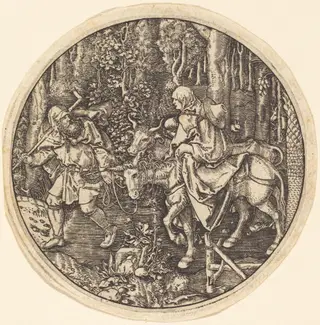
Own this work as a print
Artist & collection
Artist
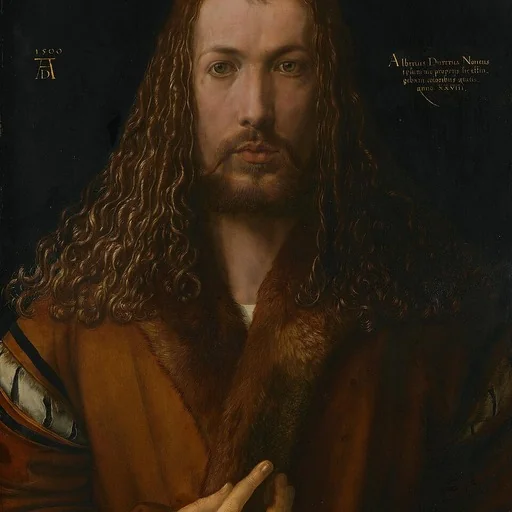
Albrecht Dürer spent his life in Nuremberg, a busy German city where artists traded prints like currency.

![Madonna and Child [obverse], by Albrecht Dürer](https://artifactworldgallery.com/img/albrecht-durer--madonna-and-child-obverse--d7b8ebf05d22ebe5-w320.webp)
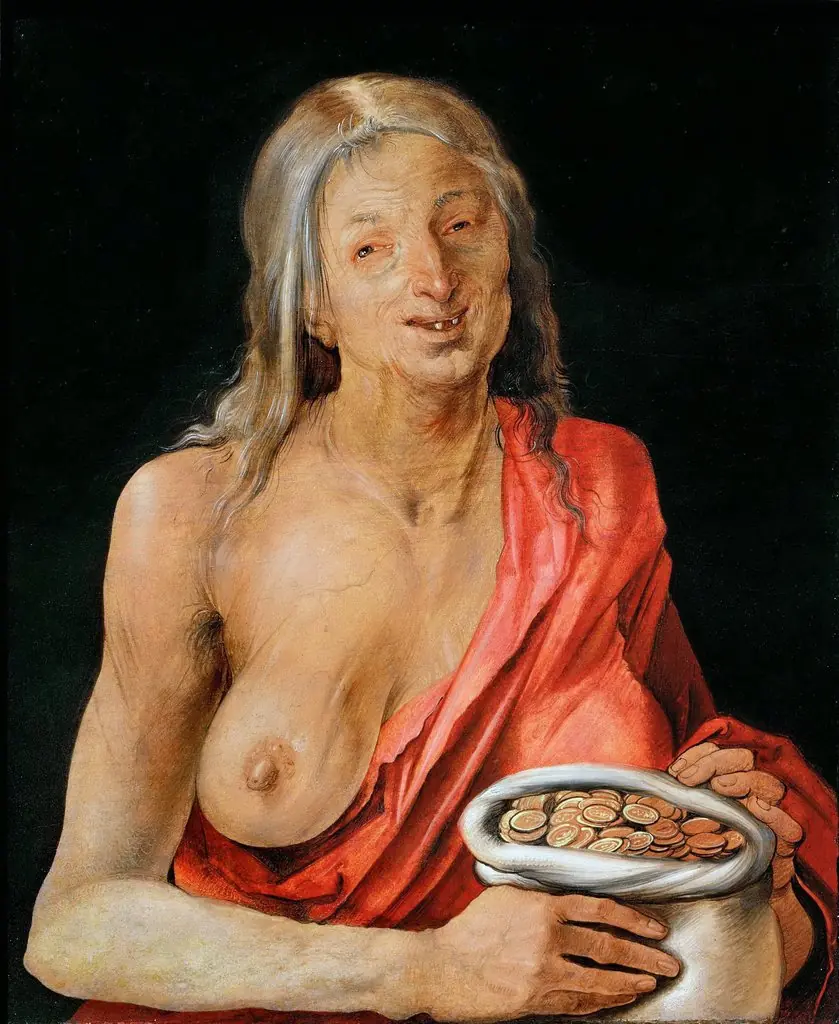
![Lot and His Daughters [reverse], by Albrecht Dürer](https://artifactworldgallery.com/img/albrecht-durer--lot-and-his-daughters-reverse--b4ebf9b282faa17a-w320.webp)
- The Flight into Egypt
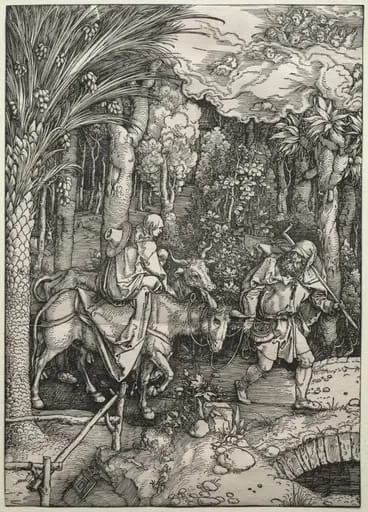 The Flight into Egypt
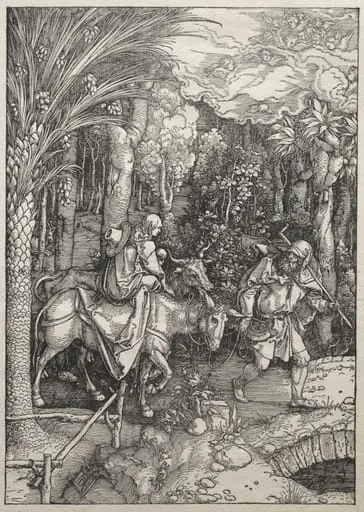 Life of the Virgin: Flight into Egypt
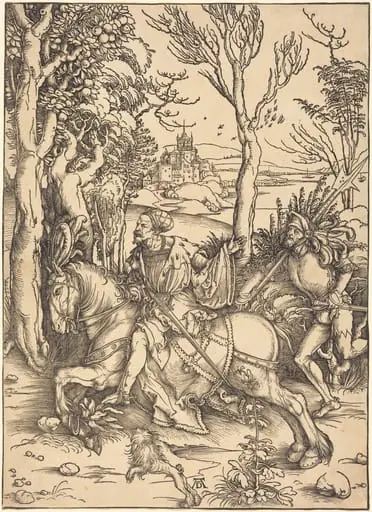 The Knight on Horseback and the Lansquenet
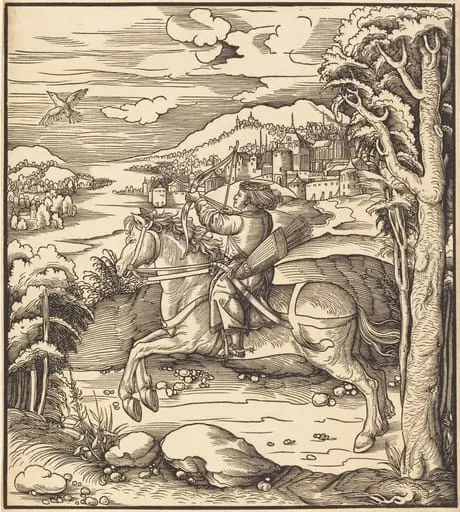 The Prince at the Bird-Catching
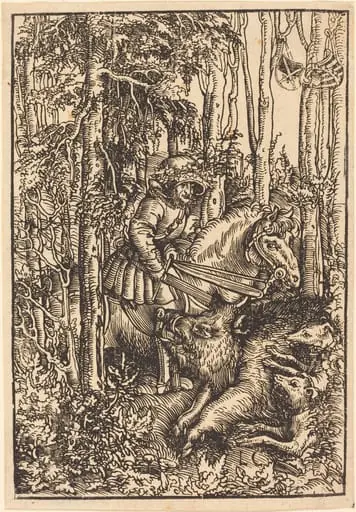 Hunter on Horseback Hunting a Wild Boar
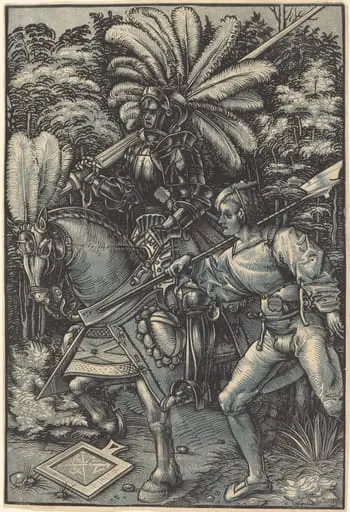 Knight and the Servant
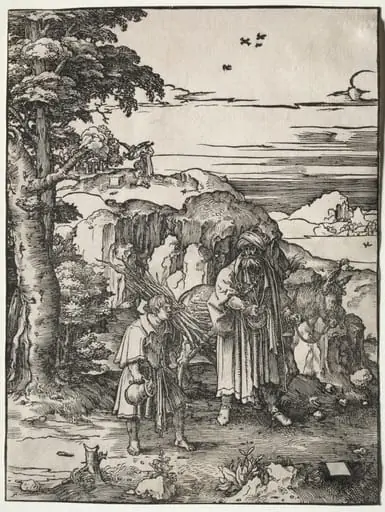 Abraham Going to Sacrifice Isaac
 The Little Courier
 Saint Eustace
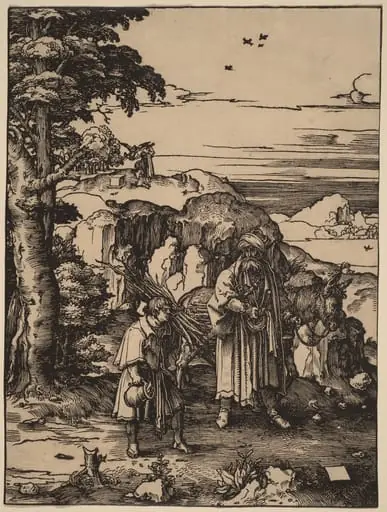 Abraham Going to Sacrifice Isaac
 Ain Man Schoss seinen nagsten ...