Artwork
The Knight on Horseback and the Lansquenet
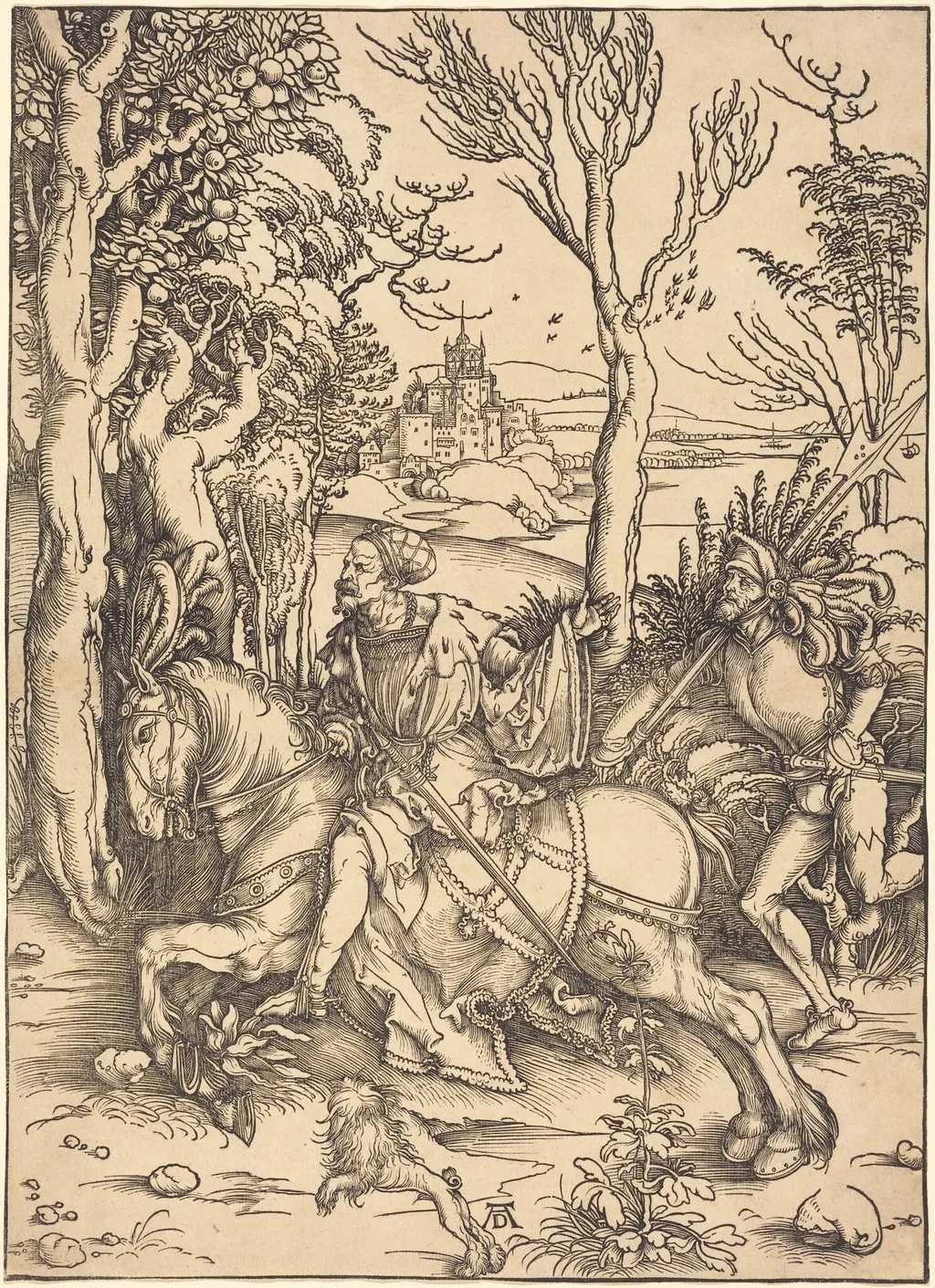
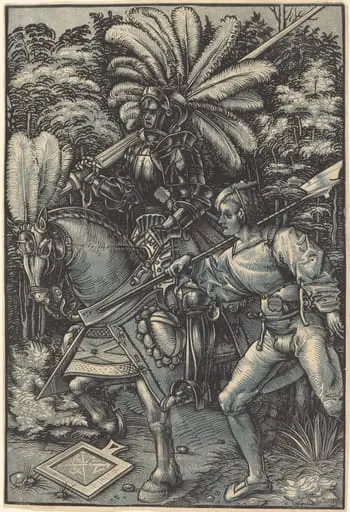
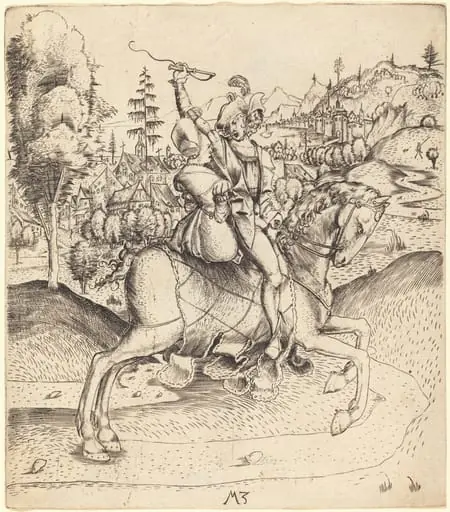
The Knight on Horseback and the Lansquenet is an ink print by the Northern Renaissance artist Albrecht Dürer. It dates from 1496 and is held in the collection of the National Gallery of Art.
About this work
Subject & Meaning
The imagery focuses on the visual identity of these warriors, capturing their attire and status within the secular world of the period.
Created in 1496, this woodcut by Albrecht Dürer presents a genre scene featuring two distinct figures from late medieval society: a mounted knight and a Landsknecht. The composition juxtaposes these representatives of different military classes, with the armored rider on horseback standing in contrast to the foot soldier known as a Landsknecht. As a work of the German Renaissance produced in Nuremberg, the print utilizes these specific character types to depict contemporary social and martial structures rather than illustrating a specific historical narrative or religious allegory.
The imagery focuses on the visual identity of these warriors, capturing their attire and status within the secular world of the period.
Technique & Style
Executed in 1496, the woodcut employs a burin-driven line to define the knight’s armored silhouette and the lansquenet’s billowing cloak with sharp contrasts between light and shadow. The composition is built from dense hatching and cross-hatching in the armor and foliage, while broader, open strokes articulate the sky and ground, guiding the eye across the scene. The work’s small scale and concentrated detail emphasize the figures’ dynamic stances and the textural variety of metalwork, fabric, and landscape.
History & Provenance
The woodcut The Knight on Horseback and the Lansquenet is dated 1496 and is associated with Albrecht Dürer’s early printmaking period in Nuremberg. The work was produced during a time when Dürer was refining his engraving and woodcut techniques, and it reflects the contemporary interest in military subjects and social types.
By the early modern period, impressions of the print entered major institutional collections. According to public records, copies are held at the National Gallery of Art, Washington, D.C., the Kupferstich-Kabinett Dresden, the Kunsthalle Kiel, the Kulturgeschichtliches Museum Osnabrück, the Art Institute of Chicago, the Museum of Fine Arts, Houston, the Cooper Hewitt, Smithsonian Design Museum, the Metropolitan Museum of Art, and the Prints in the National Gallery of Art.
The Knight on Horseback and the Lansquenet, a 1496 woodcut by Albrecht Dürer, is held in the Print Department collection of the National Gallery of Art in Washington, D.C. It was accessioned as part of the museum’s holdings and has been exhibited in the National Gallery’s German Renaissance gallery. The work is also listed in the collections of several other institutions, including the Cooper Hewitt, Smithsonian Design Museum and the Art Institute of Chicago. Its dimensions are 39.2 cm in height and 28.3 cm in width.
The print was created in Nuremberg and depicts a knight alongside a Landsknecht. It has been featured in exhibitions focused on German Renaissance prints at the National Gallery of Art.
The work is cataloged under the National Gallery of Art’s inventory and is part of the permanent collection displayed in the museum’s print study rooms and special exhibitions on Renaissance art.
Context
The Knight on Horseback and the Lansquenet is a woodcut print produced in Nuremberg circa 1496 during Albrecht Dürer's early period, reflecting the German Renaissance's fusion of classical detail and social commentary. The work emerged amid the transition from late medieval to early modern artistic practices in Northern Europe, with its genre scene depicting a knight accompanied by a Landsknecht soldier serving as a subtle critique of contemporary mercenary culture. Contemporary scholarship analyzes this print as part of Dürer's broader exploration of martial themes and his innovative use of woodcut technique to elevate printmaking to fine art status, situating it within his formative years before his renowned journeys to Italy.
Its creation coincides with the height of the German Renaissance movement, where artists like Dürer combined technical mastery with humanist inquiry into nature and society.
Overview
The Knight on Horseback and the Lansquenet is a woodcut print created by Albrecht Dürer around 1496, during his early career. It is a representative example of his work in this medium, which was a significant part of his initial success.
Own this work as a print
Artist & collection
Artist
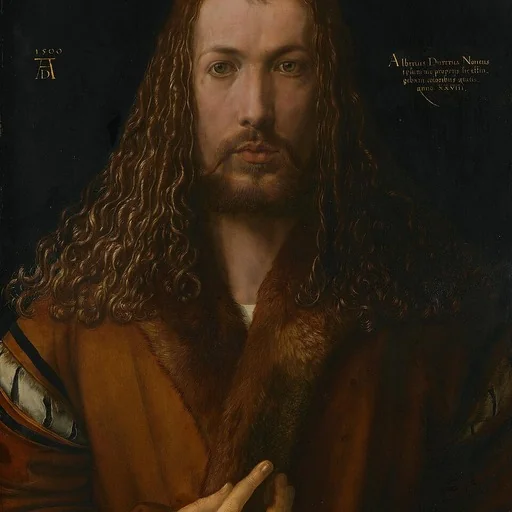
Albrecht Dürer spent his life in Nuremberg, a busy German city where artists traded prints like currency.

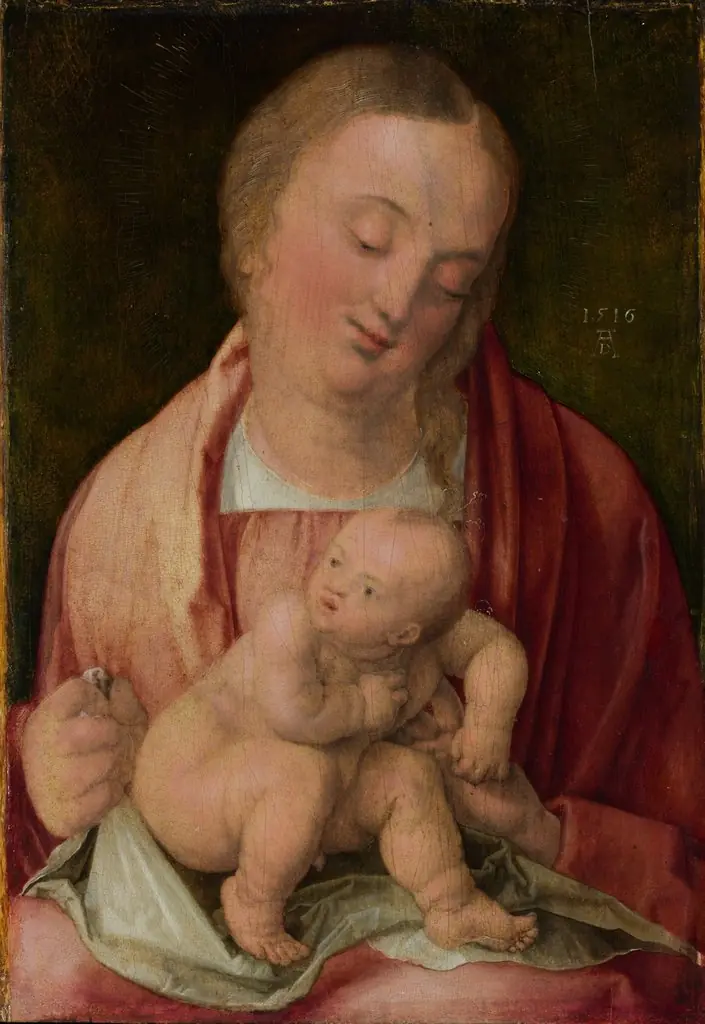
![Madonna and Child [obverse], by Albrecht Dürer](https://artifactworldgallery.com/img/albrecht-durer--madonna-and-child-obverse--d7b8ebf05d22ebe5-w320.webp)
![Lot and His Daughters [reverse], by Albrecht Dürer](https://artifactworldgallery.com/img/albrecht-durer--lot-and-his-daughters-reverse--b4ebf9b282faa17a-w320.webp)