Artwork
The Rhinoceros
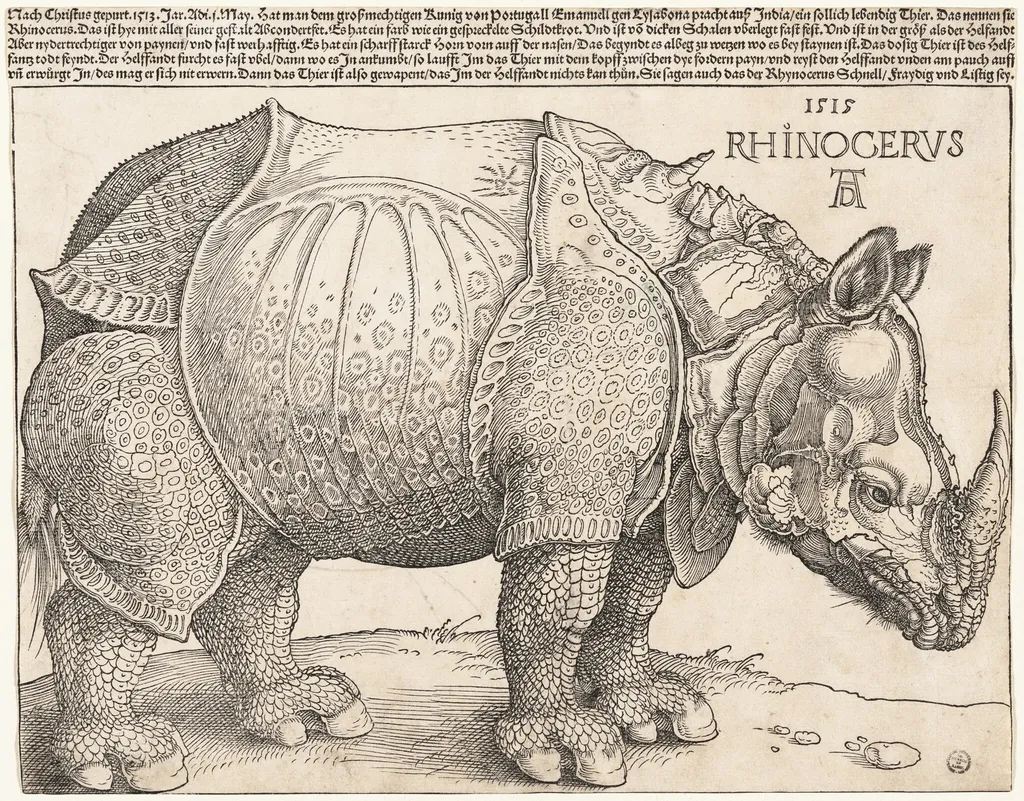
The Rhinoceros is an ink print by the Northern Renaissance artist Albrecht Dürer. It dates from 1515 and is held in the collection of the British Museum.
- Inscription
- Inscribed:upper right, in block: 1515 / RHINOCERVS / AD [artist's monogram]; printed in letterpress above image: Nach Christus gepurt. 1513. Jar. Adi. 1. May. Hat man dem groszmechtigen Kunig von Portugall Emanuell gen Lysabona pracht ausz India / ein sollich lebendig Thier. Das nennen sie Rhinocerus. Das ist hye mit aller seiner gestalt Abconderfet. Es hat ein farb wie ein gespreckelte Schildtkrot. Und ist von dicken Schalen uberlegt fast fest. Und ist in der grösz als der Helfandt Aber nydertrechtiger von paynen / und fast werhafftig. Es hat ein scharff starck Horn vorn auff der nasen / Das Begyndt es albeg zu werzen wo es Bey staynen ist. Das dosig Thier ist des Helffantz todt feyndt. Der Helffandt furcht es fast ubel / dann wo es In ankumbt / so laufft Im das Thier mit dem kopff zwischen dye fordern payn / und reyst den Helffandt unden am pauch auff un erwürgt In / des mag er sich nit erwern. Dann das Thier ist also gewapent / das Im der Helffandt nichts kan thun. Sie sagen auch das der Rhynocerus Schnell / Fraydig und Listig sey. (On 1 May 1513 was brought from India to the great and powerful king Emanuel of Portugal to Lisbon such a live animal called a rhinoceros. It is represented here in its complete form. It has the color of a speckled tortoise and it is covered and well covered with thick plates. It is like an elephant in size, but lower on its legs and almost invulnerable. It has a strong sharp horn on the front of its nose which it always begins sharpening when it is near rocks. The obstinate animal is the elephant’s deadly enemy. The elephant is very frightened of it as, when it encounters it, it runs with its head down between its front legs and gores the stomach of the elephant and throttles it, and the elephant cannot fend it off. Because the animal is so well armed, there is nothing that the elephant can do to it. It is also said that the rhinoceros is fast, lively, and cunning. [translations by Susan Dackerman in "Prints and the Pursuit of Knowledge in Early Modern Europe." exh. cat., Harvard Art Museums, 2011, pp. 167-168.]
- Markings
- Marked:Kupferstichkabinett, Kunstmuseum Basel (Lugt 222a)
About this work
Overview
The image has become a historically significant visual record of the animal, despite being based on indirect sources rather than direct observation.
Albrecht Dürer’s woodcut titled The Rhinoceros, executed on laid paper, presents a solitary animal rendered in a striking profile. The creature is depicted with a massive, armor‑like hide and a stout, tank‑like stance, its limbs positioned side‑by‑side. The image has become a historically significant visual record of the animal, despite being based on indirect sources rather than direct observation.
Subject & Meaning
The print portrays a rhinoceros with exaggerated, overlapping plates that suggest a protective cuirass. Dürer’s interpretation emphasizes the animal’s formidable bulk and perceived exoticism, reflecting contemporary fascination with rare beasts. The stylized folds, while not anatomically accurate, convey a sense of solidity and mystery that resonated with viewers unfamiliar with the species.
Technique & Style
Created through the woodcut process, Dürer carved the design into a single block of wood, inked the surface, and pressed it onto laid paper. The medium allowed for bold, linear contrasts and fine detailing, evident in the intricate texture of the hide and the crisp outlines of the limbs. The technique underscores the print’s graphic clarity and durability.
History & Provenance
Dürer never encountered a living rhinoceros; his composition derives from a brief sketch and a written description sent to Portugal. By synthesizing these limited references, he produced an image that served as the primary visual source for the animal in Europe for centuries, influencing scientific illustration and popular imagination alike.
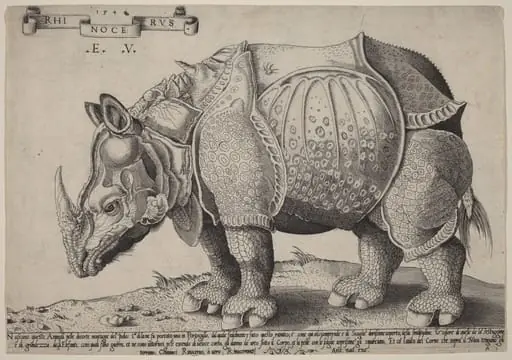
Own this work as a print
Artist & collection
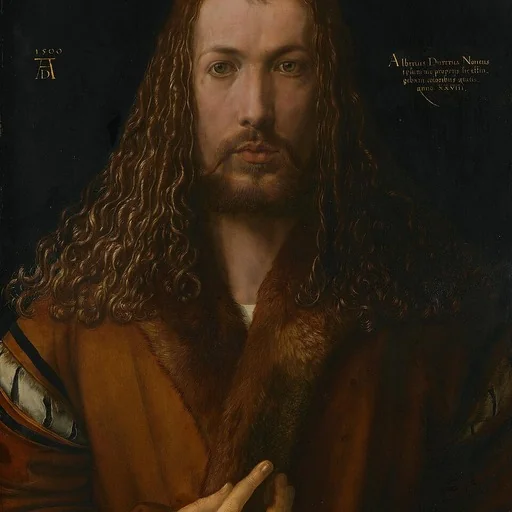
Artist
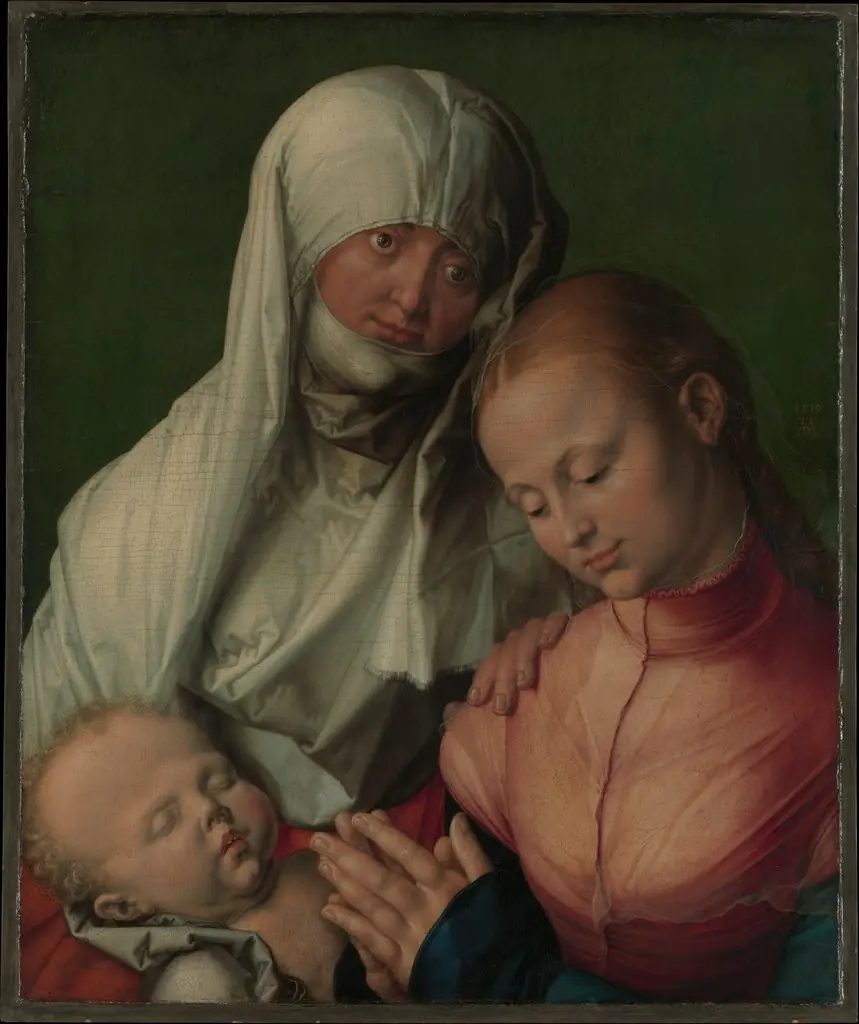
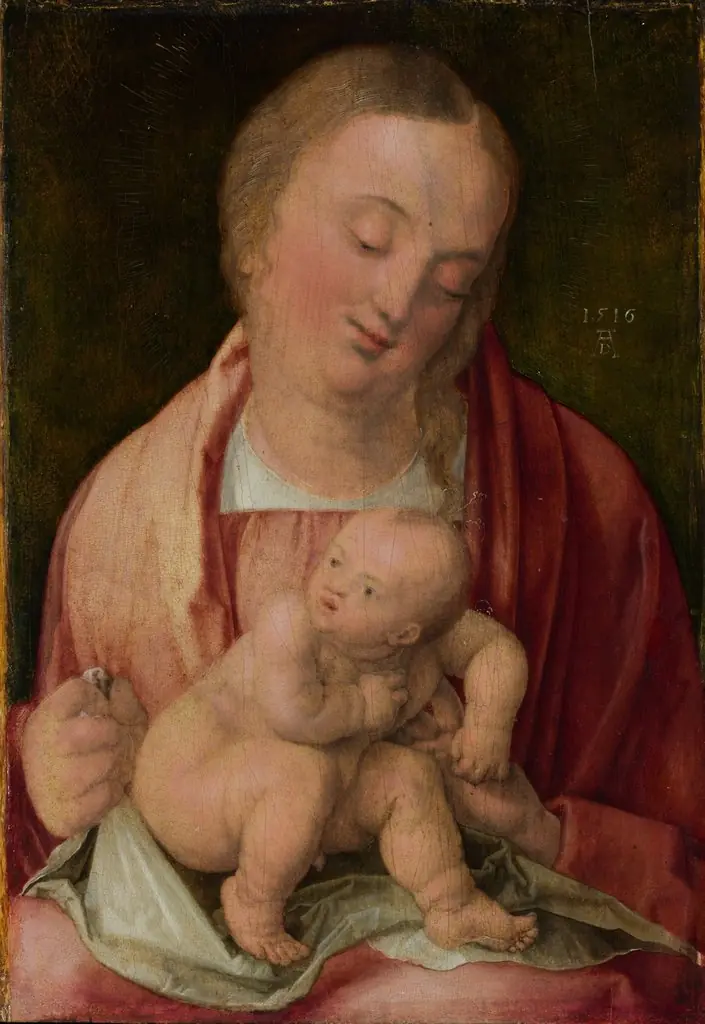
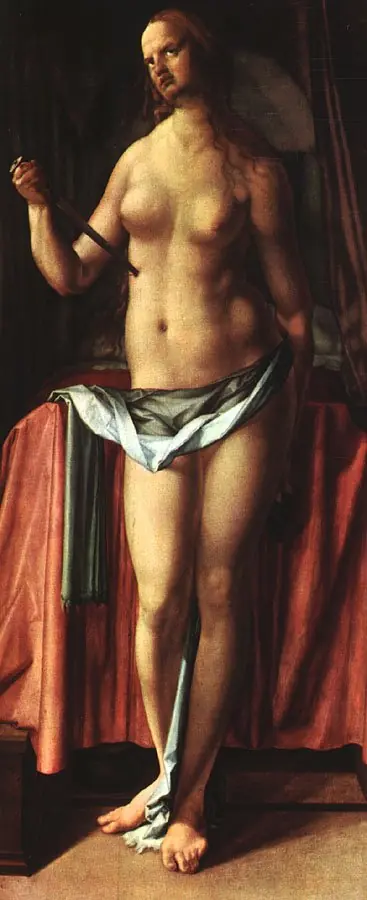
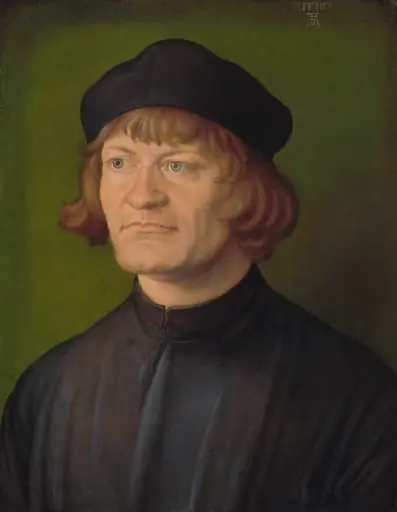
Albrecht Dürer spent his life in Nuremberg, a busy German city where artists traded prints like currency.

![Madonna and Child [obverse], by Albrecht Dürer](https://artifactworldgallery.com/img/albrecht-durer--madonna-and-child-obverse--d7b8ebf05d22ebe5-w320.webp)
![Lot and His Daughters [reverse], by Albrecht Dürer](https://artifactworldgallery.com/img/albrecht-durer--lot-and-his-daughters-reverse--b4ebf9b282faa17a-w320.webp)
![Animals from an Ancient Wall Painting [Plate III], by Italian 16th Century](https://artifactworldgallery.com/img/italian-16th-century--animals-from-an-ancient-wall-painting-plate-iii--14d3e3b797914853-w320.webp)
![Animals from an Ancient Wall Painting [Table II], by Italian 16th Century](https://artifactworldgallery.com/img/italian-16th-century--animals-from-an-ancient-wall-painting-table-ii--fdc669e7ba8752d4-w320.webp)