Artwork
The Virgin Appearing to Saint John
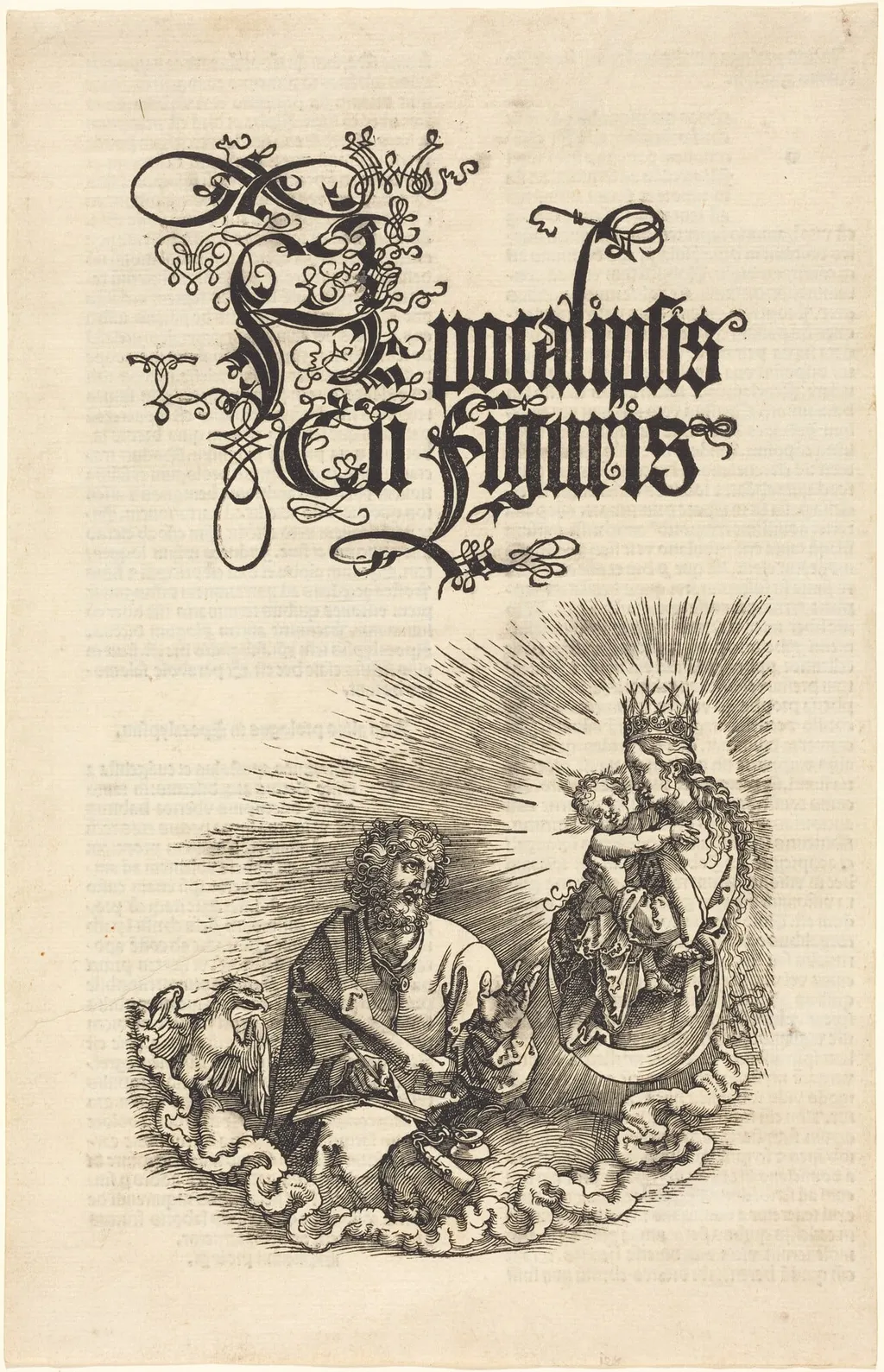
The Virgin Appearing to Saint John is an ink print by the Northern Renaissance artist Albrecht Dürer. It dates from 1510 and is held in the collection of the Metropolitan Museum of Art.
About this work
Subject & Meaning
The iconography links directly to Revelation’s vision of the woman clothed with the sun, merging Marian devotion with Christological symbolism.
The work shows the Virgin Mary presenting the Christ Child to the apostle John, a scene drawn from the Book of Revelation. The composition emphasizes the divine revelation through the figures of Mary, the infant Jesus, and John the Evangelist, embodying themes of prophetic vision and spiritual encounter. The print functions as a symbolic representation of apocalyptic revelation within the German Renaissance tradition.
The iconography links directly to Revelation’s vision of the woman clothed with the sun, merging Marian devotion with Christological symbolism. These elements convey theological meanings of divine motherhood, sacrificial destiny, and prophetic testimony.
The print was produced in Nuremberg circa 1510–1511, reflecting Dürer’s integration of scholarly humanist thought with devotional art.
Technique & Style
The work is a woodcut printed in black ink on paper, executed in Dürer’s mature Renaissance style. The composition is characterized by sharply delineated contours and cross-hatching that model forms with strong chiaroscuro, typical of his 1510–11 Apocalypse series. The scene presents the Virgin and Child appearing to Saint John in a compact, symmetrical arrangement, with the figures arranged frontally and the Christ Child centrally placed, framed by John’s upraised gesture.
The handling emphasizes graphic precision over painterly illusion, relying on rhythmic line and controlled tonal contrasts to convey volume and spatial recession.
Dimensions are approximately 39 cm in height and 28 cm in width.
History & Provenance
Albrecht Dürer created the woodcut The Virgin Appearing to Saint John in 1510 in Nuremberg. The work measures 39 cm in height and 28 cm in width. It functions as the title page for the second Latin edition of Dürer's Apocalypse series, which was published in 1511.
The imagery is based on the Book of Revelation and depicts the Virgin Mary, the Christ Child, and John the Evangelist. While the image dates to 1510, its specific role as a title page is tied to the 1511 publication of the Latin edition.
Impressions of Albrecht Dürer's 1510 woodcut The Virgin Appearing to Saint John are held in several major institutions, including the Metropolitan Museum of Art, the Cleveland Museum of Art, the Städel Museum, and the Kupferstichkabinett in Berlin. The work also resides within the Rosenwald Collection at the National Gallery of Art in Washington, D.C., and the Staatliche Kunsthalle Karlsruhe. Specific copies measure approximately 39 cm in height and 28 cm in width.
While the print was created as the title page for the second Latin edition of the Apocalypse series published in 1511, the provided records list these holding institutions without detailing specific inventory numbers or a chronological history of public exhibitions.
Overview
Albrecht Dürer’s woodcut, dated 1510, presents a devotional scene in which the Virgin Mary appears before Saint John the Evangelist, cradling the infant Christ. The composition is rendered in the stark contrasts typical of early 16th‑century printmaking, emphasizing the intimate encounter between the figures while maintaining a restrained visual tone.
Own this work as a print
Artist & collection
Artist
Albrecht Dürer spent his life in Nuremberg, a busy German city where artists traded prints like currency.

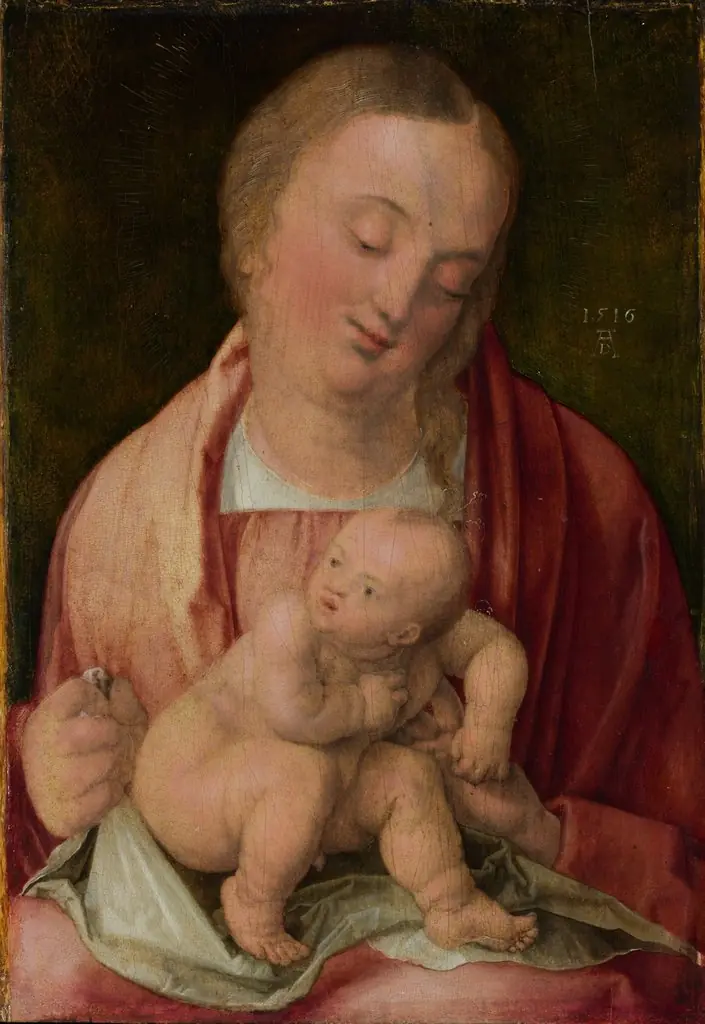
![Madonna and Child [obverse], by Albrecht Dürer](https://artifactworldgallery.com/img/albrecht-durer--madonna-and-child-obverse--d7b8ebf05d22ebe5-w320.webp)
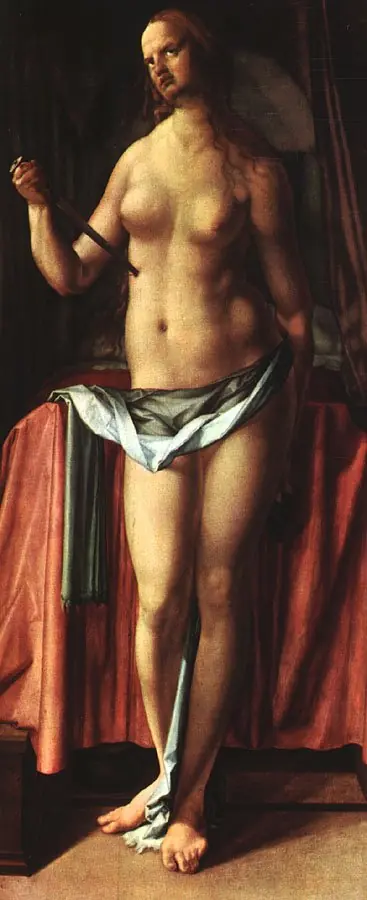
![Lot and His Daughters [reverse], by Albrecht Dürer](https://artifactworldgallery.com/img/albrecht-durer--lot-and-his-daughters-reverse--b4ebf9b282faa17a-w320.webp)
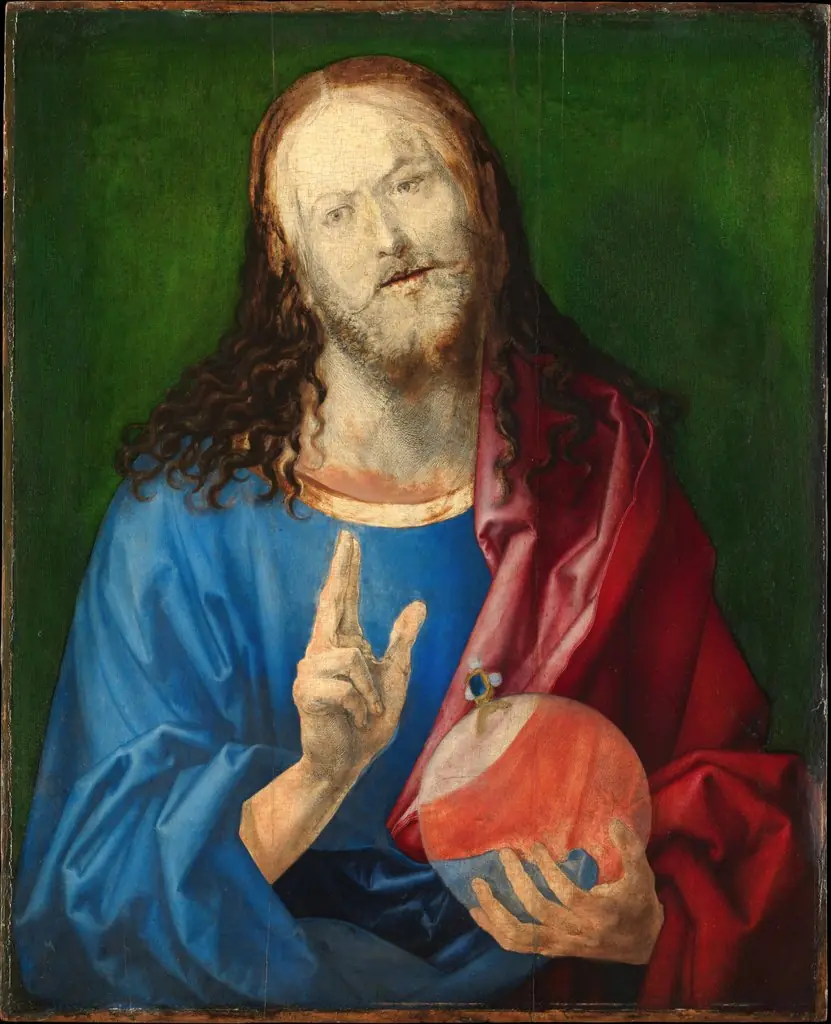
- Revelation of St. John
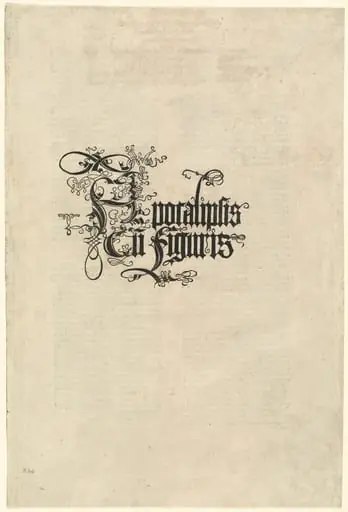 Title Page
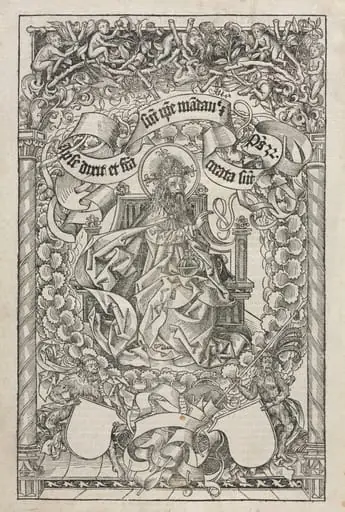 The Emblem
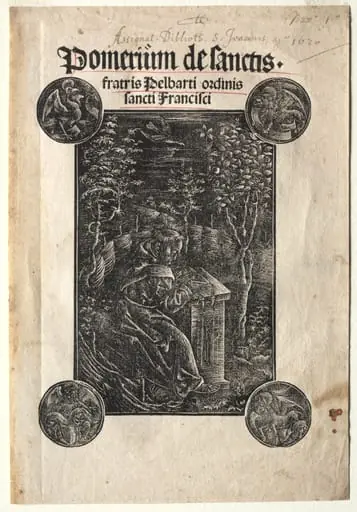 Pelbart of Temesvar Studying in a Garden
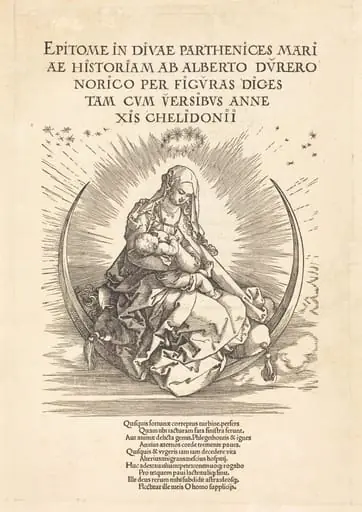 The Madonna on the Crescent
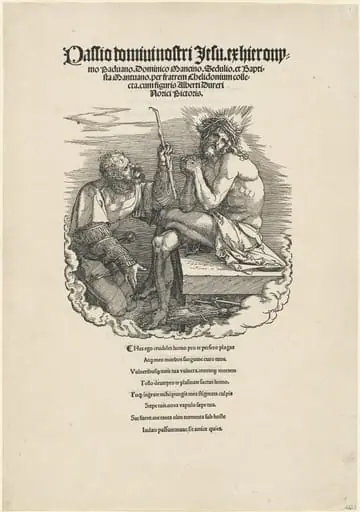 The Man of Sorrows Mocked by a Soldier
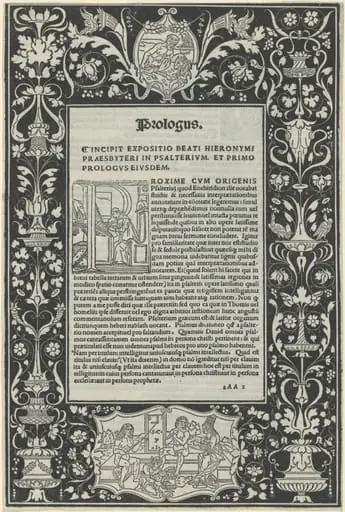 A White Line Border with Two Cartouches: "A Satyr Sacrificing a Ram," and "The Choice of Hercules"
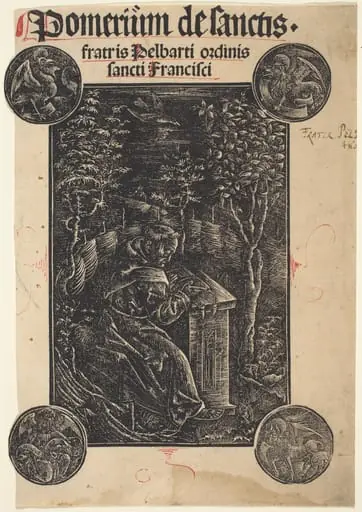 Franciscan, Pelbartus of Temesvar, in a Garden
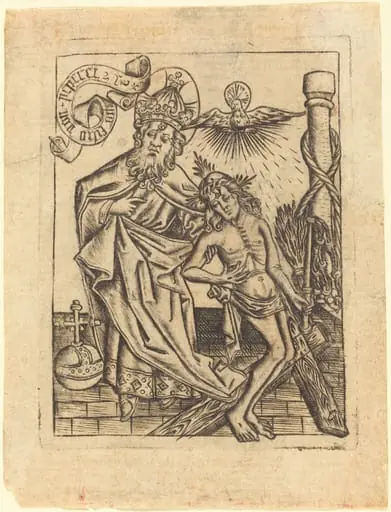 The Trinity
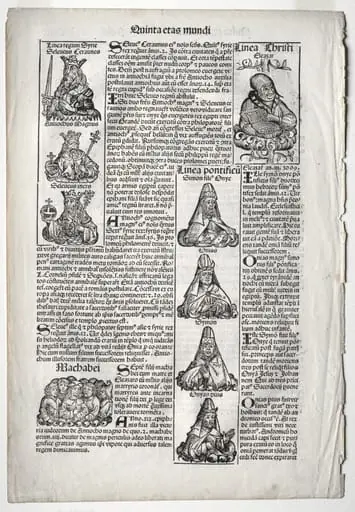 Genealogical Page; published in the Nuremberg Chronicle by Hartmann Schedel
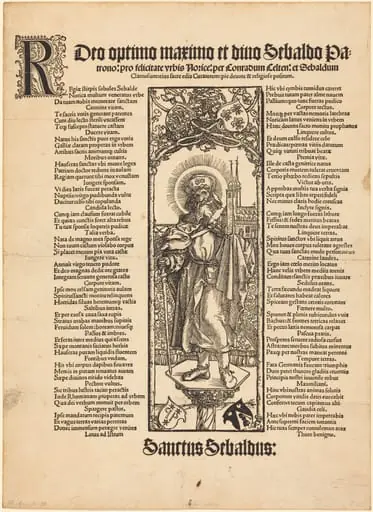 Saint Sebaldus Standing on a Column
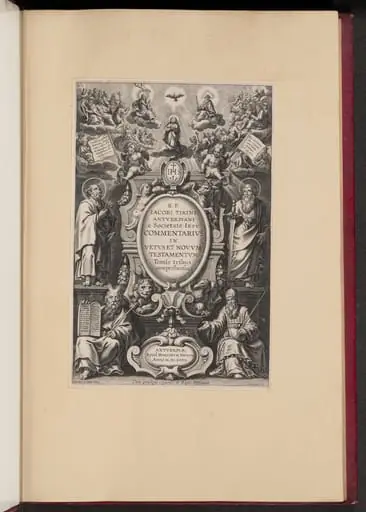 Title Page for R.P. Jacobi Tirini's "Commentarius in Vetvs et Novvm Testamentvm"