Artwork
Parohul Karl Fuss
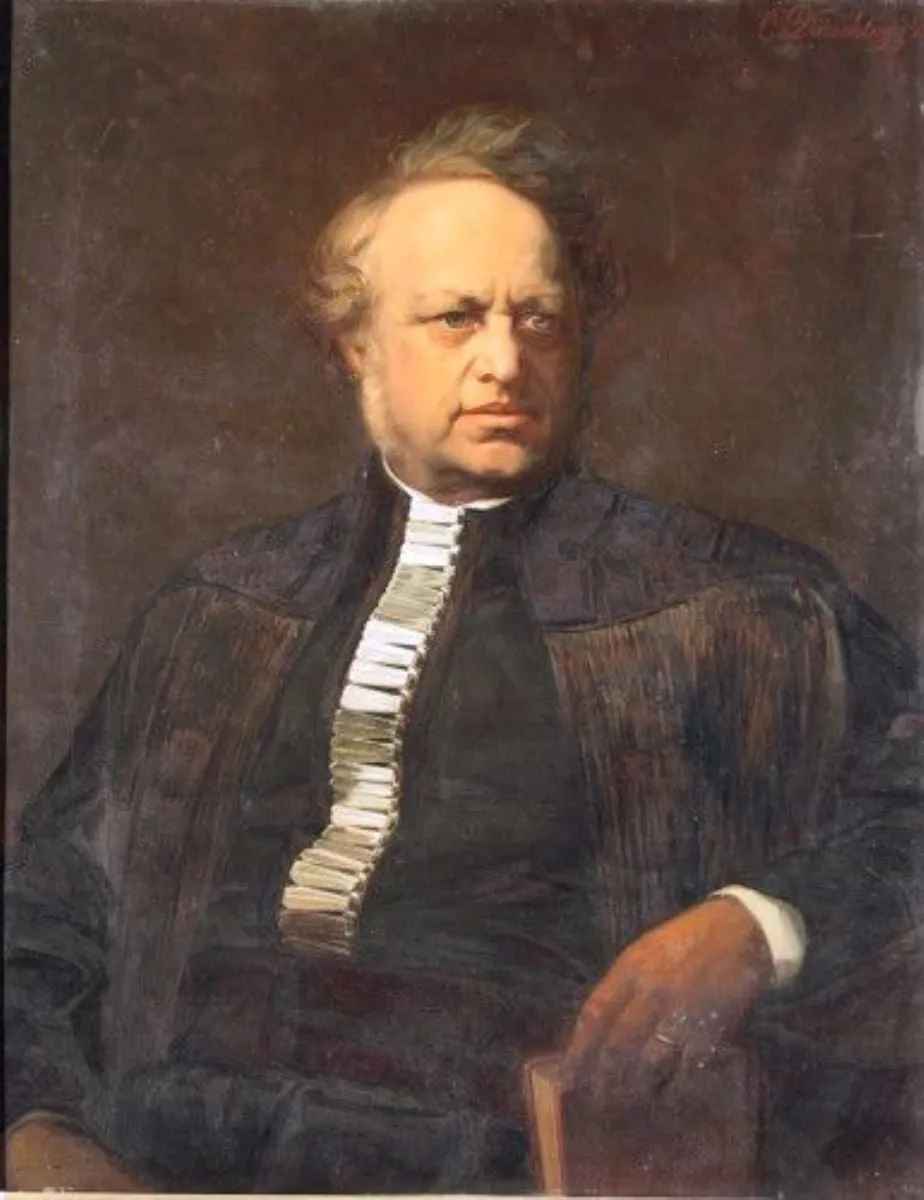
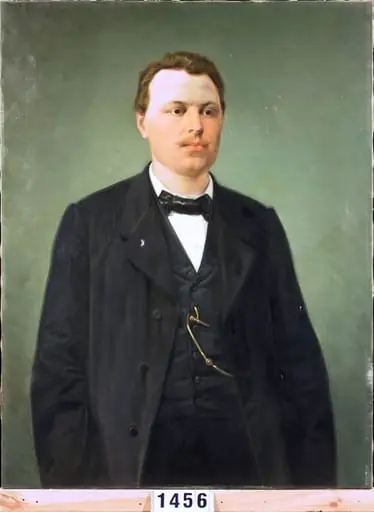
Parohul Karl Fuss is an unspecified painting by the Academic Art artist Carl Dörschlag. It dates from 1882 and is held in the collection of the Brukenthal National Museum.
About this work
Overview
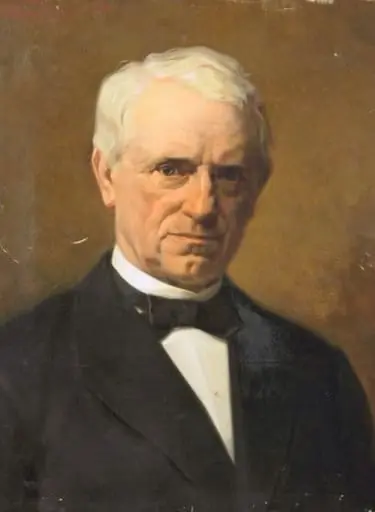
Carl Dörschlag’s painting, dated around 1882, portrays a solitary figure dressed in a dark robe with a white collar and cuffs. The man’s pale complexion and solemn gaze dominate the composition, while he holds a folded piece of paper or cloth in his right hand. The background is a uniform, deep brown that isolates the subject and directs attention to his features.
Subject & Meaning
The attire suggests an official capacity, possibly ecclesiastical or bureaucratic, hinting at the individual’s role within a structured institution. The restrained expression and the folded object may imply contemplation, duty, or the receipt of an important document, inviting viewers to consider the responsibilities associated with such positions in the late nineteenth‑century context.
Technique & Style
Dörschlag employs a chiaroscuro effect, using a soft, focused light that illuminates the figure’s face and hands against the surrounding darkness. This contrast enhances the three‑dimensionality of the form and creates a solemn atmosphere, while the limited color palette reinforces the work’s restrained, introspective tone.
History & Provenance
Created circa 1882, the painting’s title, Parohul Karl Fuss, references the sitter, though further documentation of its ownership history is scarce. The work remains an example of Dörschlag’s late‑period portraiture, reflecting the artist’s interest in depicting individuals within formal, muted settings.
Artist & collection

- Henry Ward Beecher
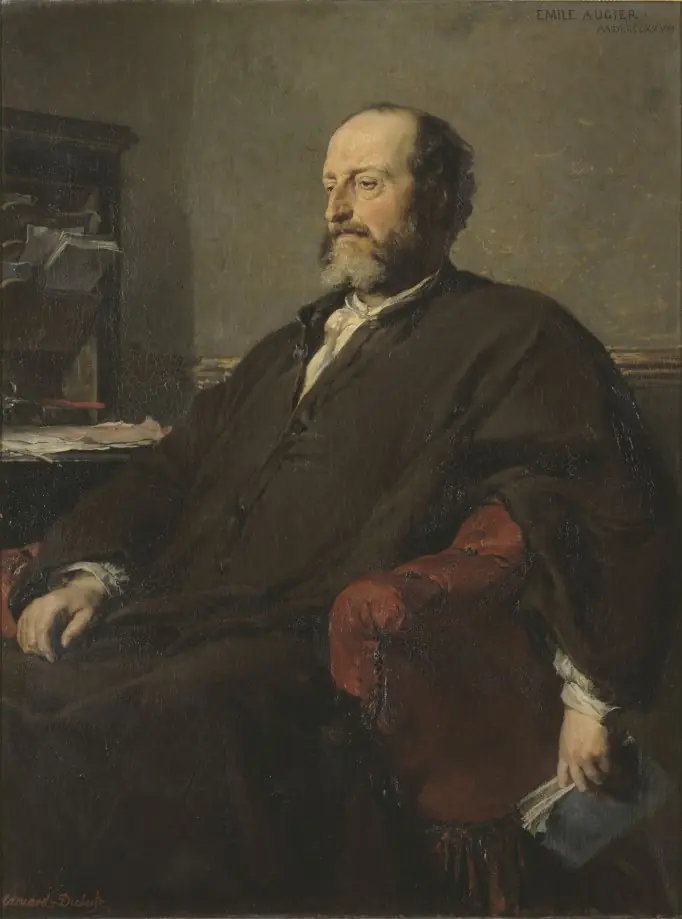 Portrait of Emile Augier
 Untitled
 Parch. Henry Rees, Lerpwl, 1798-1869
 Revd.John Hughes, 1787-1860
 Oulun kaupunginvoudin Jacob Forssin muotokuva
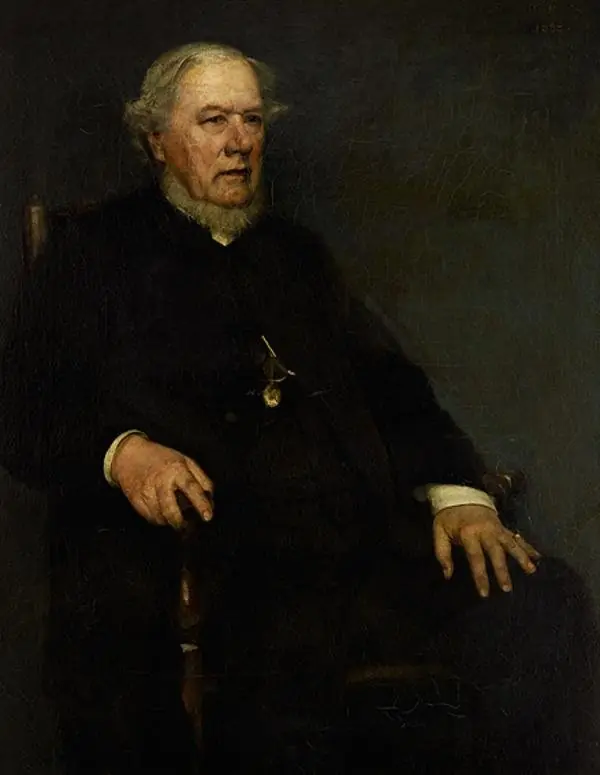 Revd Dr Andrew Gardiner (died 1892)
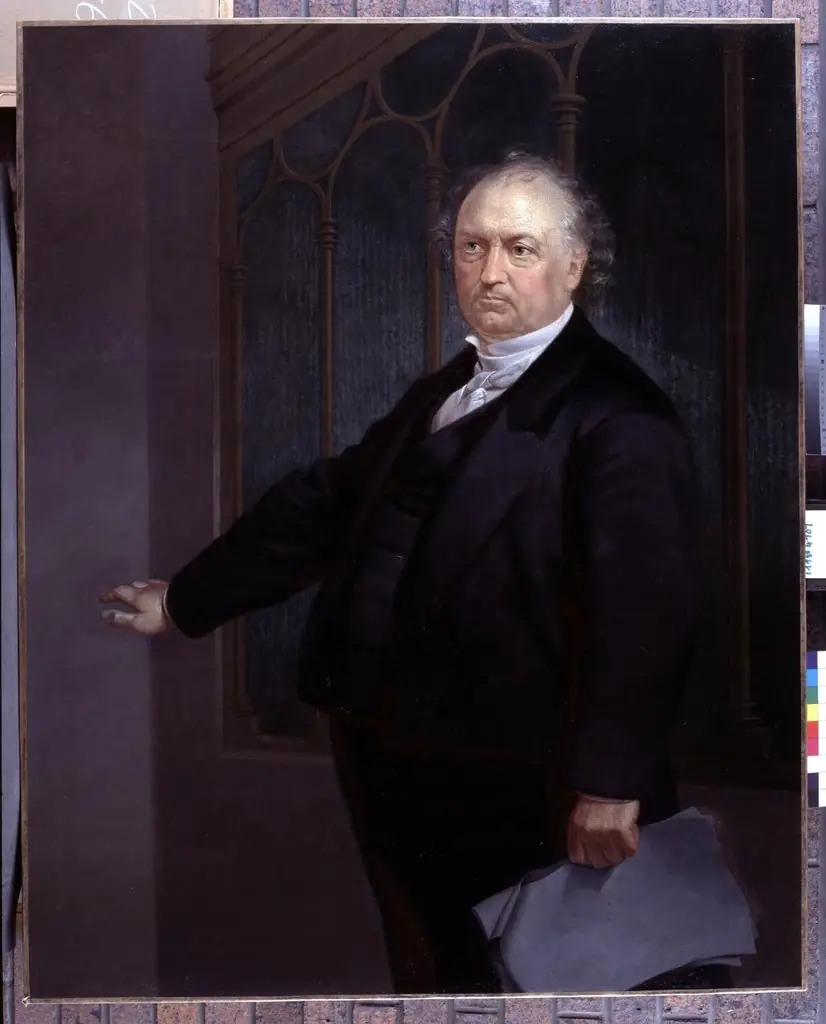 Portrait of a man
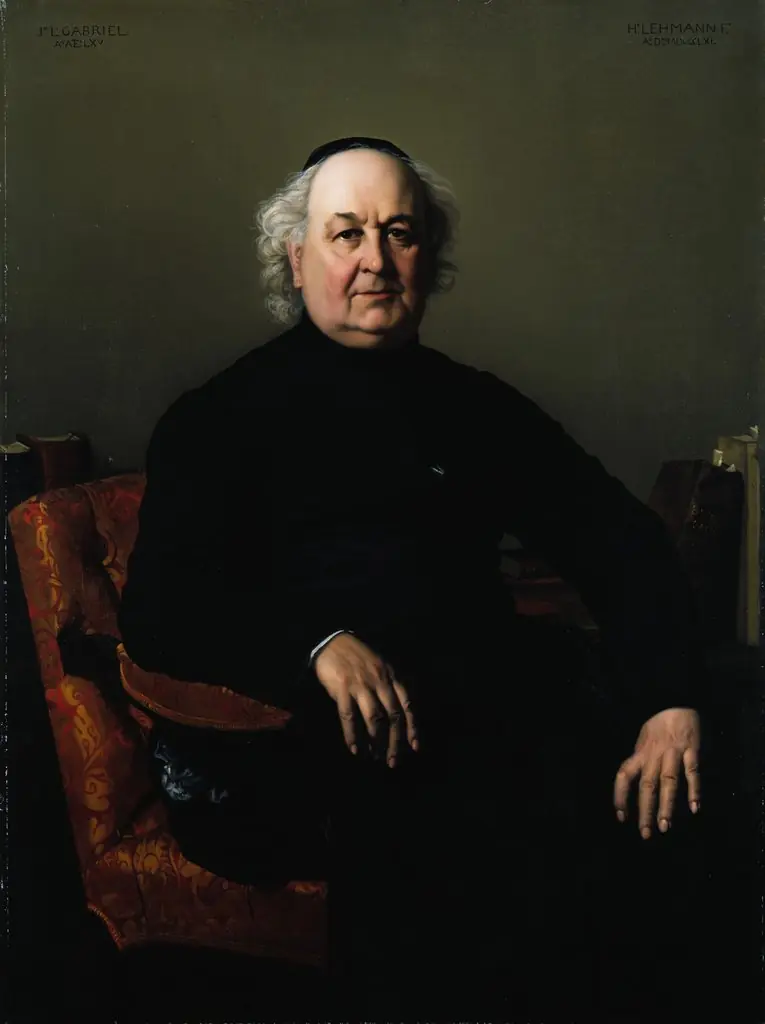 Jean Louis Gabriel, Rector of Saint Merri
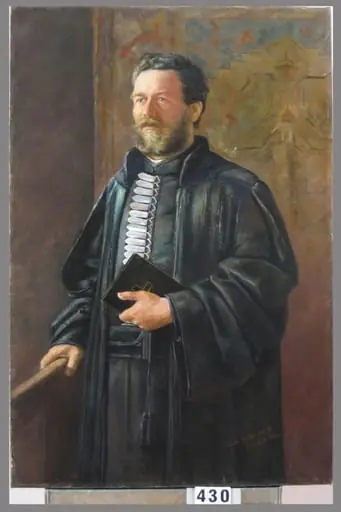 Predicator luteran din Brașov
 Portrait of Samuel Lover (1797-1868), Author and Artist
 Portrait of Reverend J.M. Hamilton