Artwork
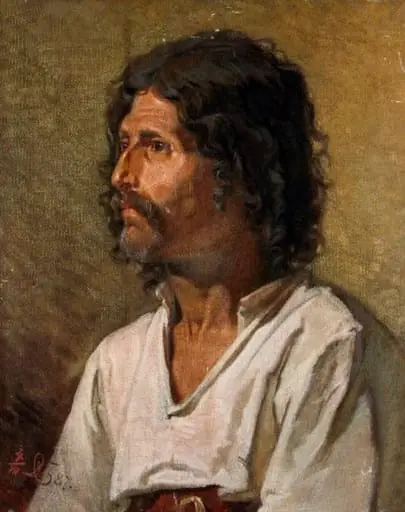
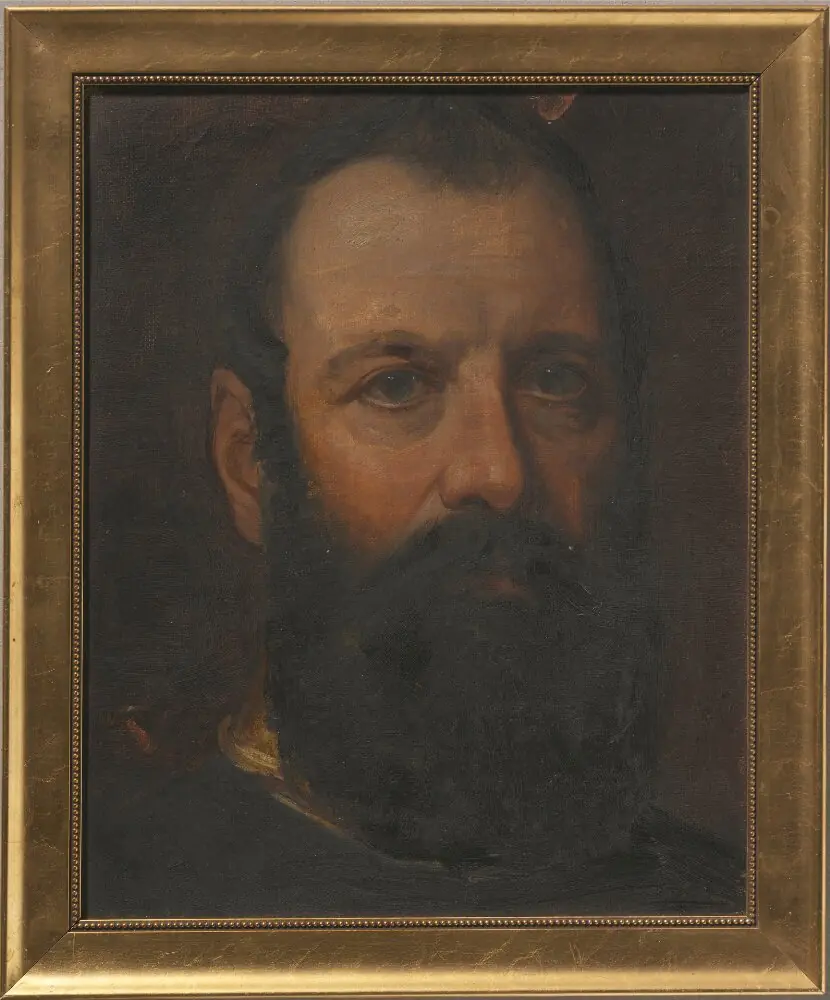
Cap de bărbat - studiu
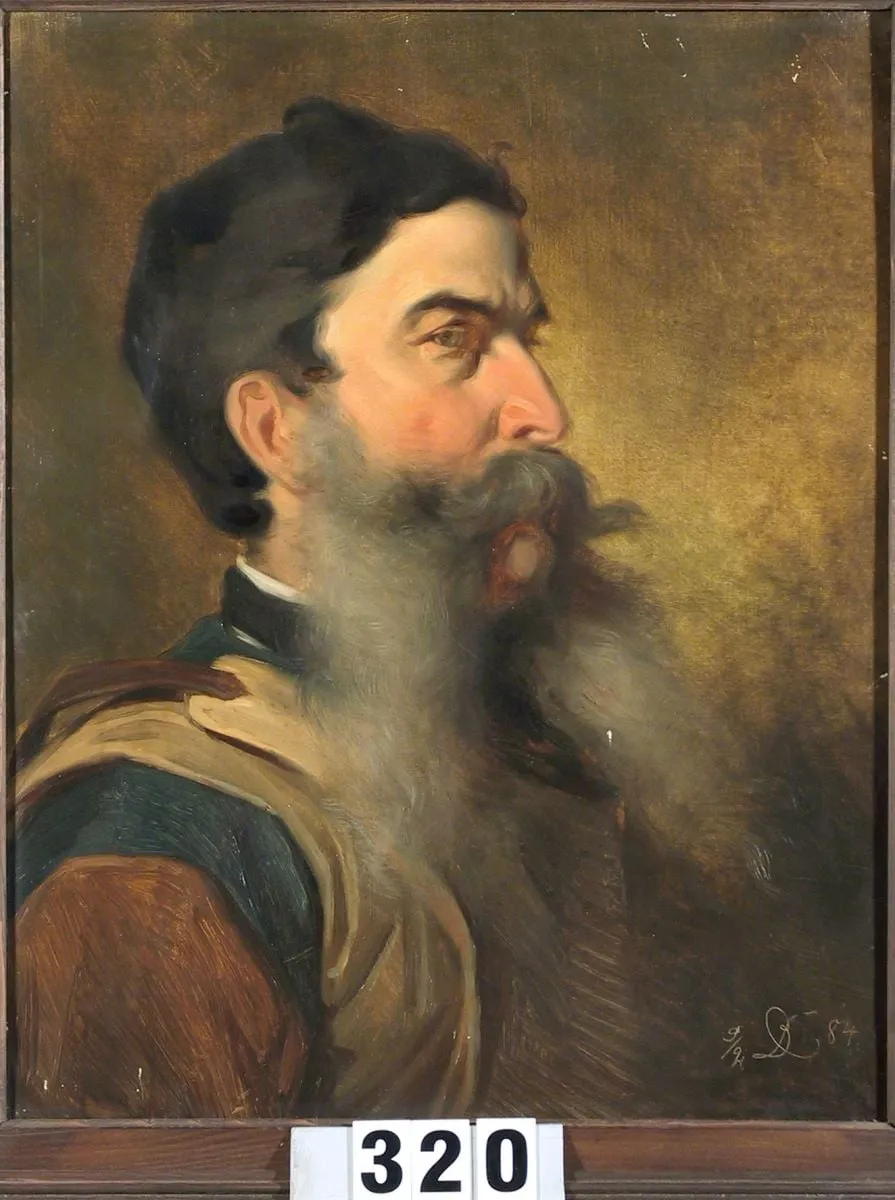
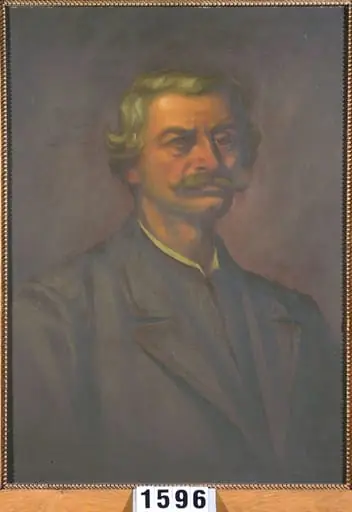
Cap de bărbat - studiu is an unspecified painting by the Academic Art artist Carl Dörschlag. It dates from 1882 and is held in the collection of the Brukenthal National Museum.
About this work
Overview
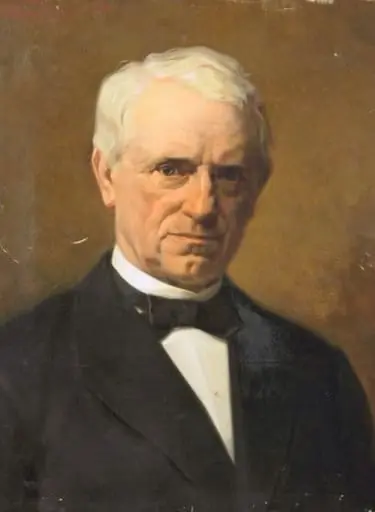
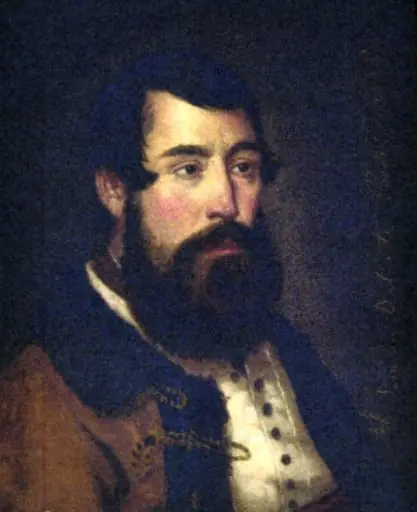
Cap de bărbat - studiu, created circa 1882 by Carl Dörschlag, is a portrait focusing on the upper body of a bearded man set against a muted brown background.
Subject & Meaning
The subject, a man with a thick beard and mustache, is dressed in a dark jacket with a lighter collar. His face is slightly averted, directing the viewer’s attention to the play of light on his features rather than direct engagement.
Technique & Style
The work employs loose, textured brushstrokes, notably on the fur collar and beard, creating a fuzzy appearance. The use of chiaroscuro is evident in how light and shadow sculpt the subject’s face.
History & Provenance
While the exact provenance is not detailed here, the painting is attributed to Carl Dörschlag with a small, somewhat illegible signature in the corner serving as the primary attribution detail.
Context
Given its late 19th-century creation, the piece reflects the continued interest in traditional portrait techniques, such as chiaroscuro, during a period of emerging modern art movements.
Legacy
The painting’s legacy is not broadly outlined in available information, suggesting it may not be among the most prominently recognized works of its time or the artist’s oeuvre.
Artist & collection