Artwork
Natură moartă cu două păsări
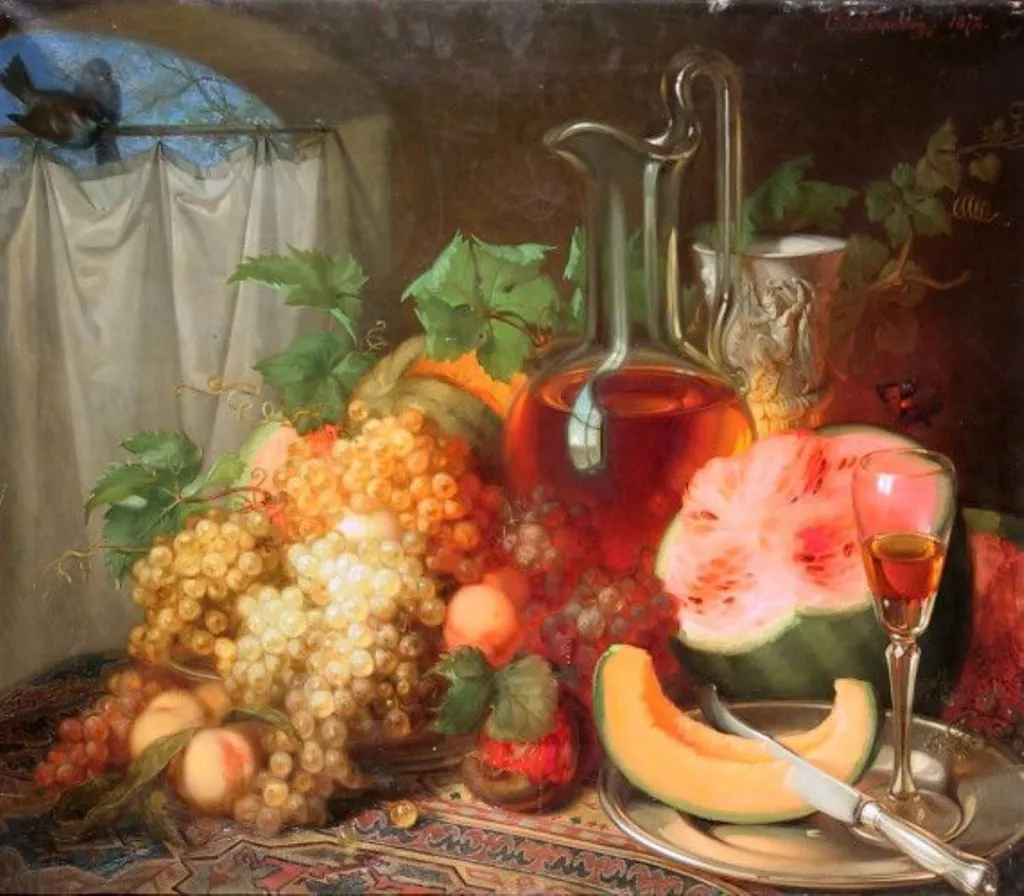
Natură moartă cu două păsări is an unspecified painting by the Academic Art artist Carl Dörschlag. It dates from 1882 and is held in the collection of the Brukenthal National Museum.
About this work
Overview
Painted around 1882 by Carl Dörschlag, this still life presents a modest table setting with ripe fruit, a poured drink, and a knife. The composition is tightly framed, focusing on textures and surfaces under controlled lighting. A quiet tension emerges between the freshness of the produce and the stillness of the scene, suggesting a moment suspended after a meal or before consumption.
Subject & Meaning
The arrangement includes watermelon, squash, grapes, and a poured liquid, all common elements in 19th-century still lifes. The presence of a bird on the wall above introduces a subtle contrast between the domestic and the wild. The objects, though ordinary, are rendered with care, possibly reflecting themes of transience, abundance, or the quiet rituals of daily life.
Technique & Style
Dörschlag employs precise brushwork to capture the sheen of fruit skin, the translucency of glass, and the matte surface of ceramic. Light falls deliberately across the scene, creating strong contrasts between illuminated surfaces and deep shadows. This use of chiaroscuro enhances volume and texture, grounding the objects in a tangible space without dramatic theatricality.
History & Provenance
The painting’s early ownership is undocumented, and no public exhibition records from the late 19th century are known. It remained in private hands until the mid-20th century, when it entered a regional collection in Romania. Its attribution to Dörschlag is based on stylistic comparison with his few surviving works, as his oeuvre is limited and poorly cataloged.
Context
Dörschlag worked during a period when still life painting in Eastern Europe was influenced by German and Dutch traditions, yet often retained a quieter, more restrained character. Unlike grander academic works, his paintings focused on humble domestic scenes, aligning with a broader trend toward intimate realism among regional artists seeking authenticity over spectacle.
Legacy
Though not widely known, Dörschlag’s work contributes to the understudied corpus of Romanian still life from the late 1800s. His attention to light and texture reflects a local adaptation of broader European techniques. The painting remains a quiet example of how everyday objects were elevated through careful observation, without overt symbolism or narrative.
Artist & collection

- Still Life with Flowers and Fruits
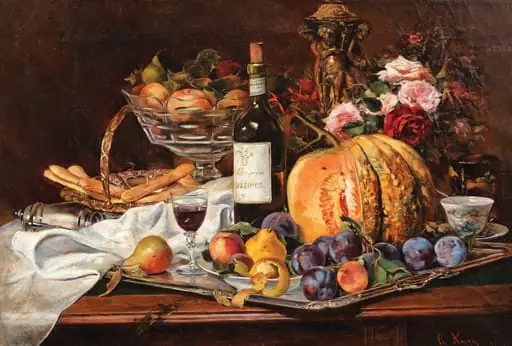 Natură statică cu fructe și sticlă de vin
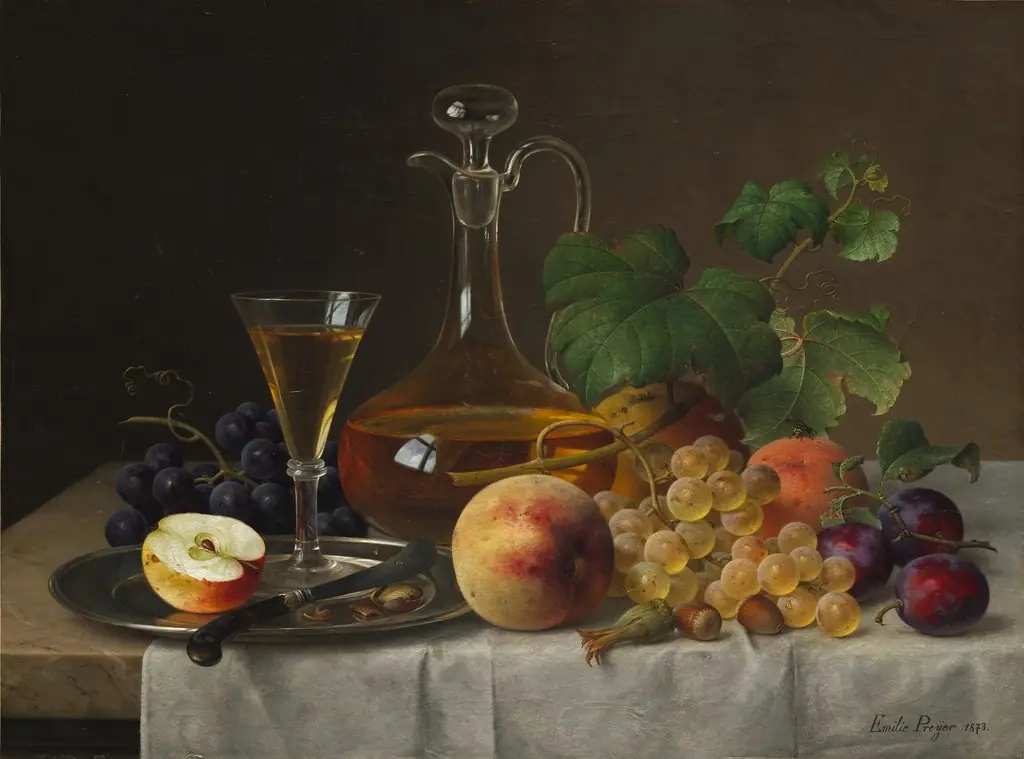 Still Life with Fruit
 Still Life with Fruit
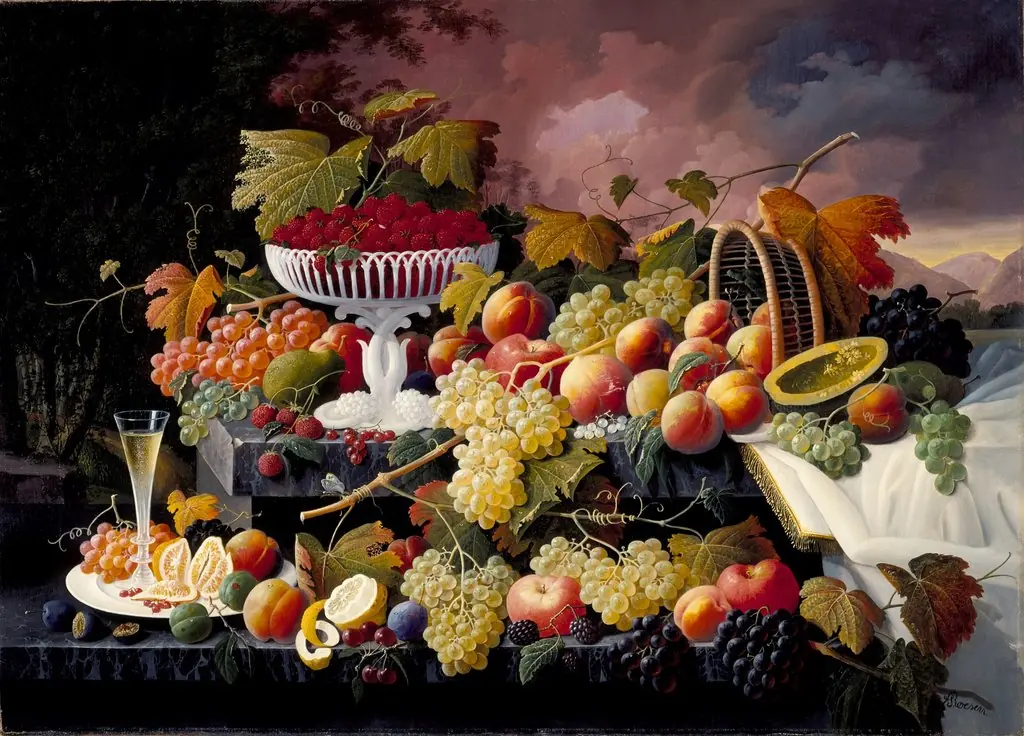 Fruit Still Life in a Landscape
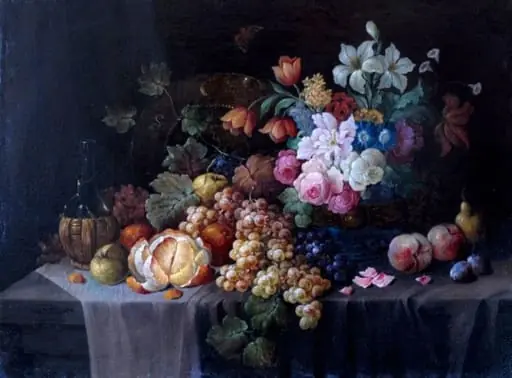 Natură statică
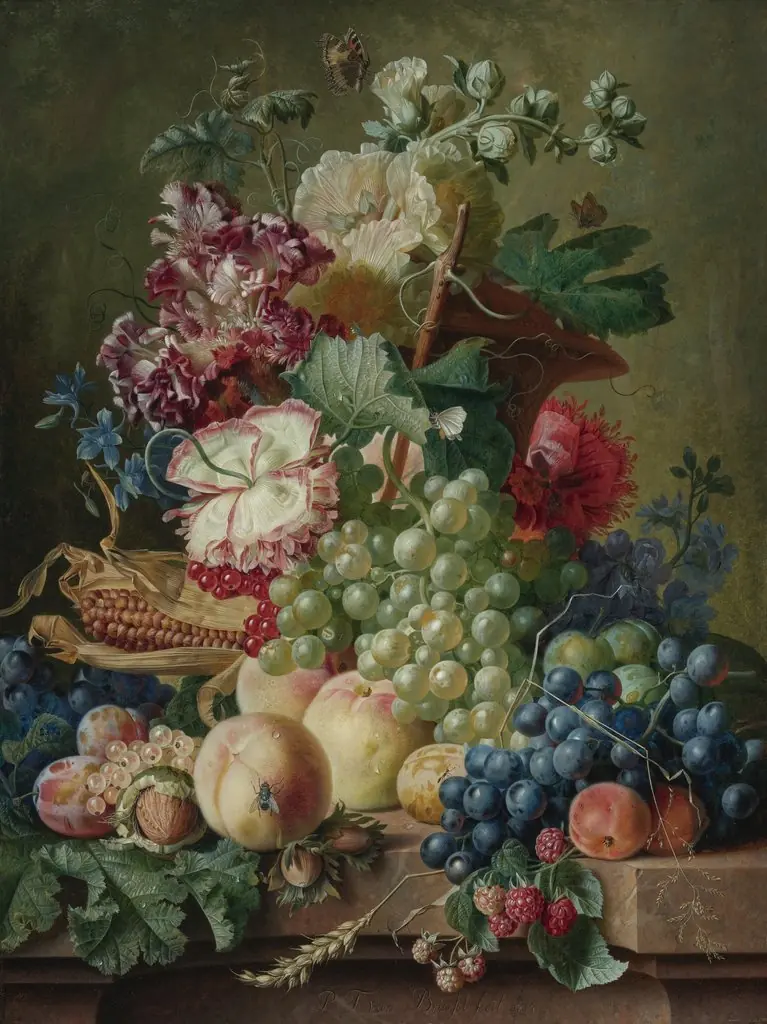 Still life of flowers and fruits on a marble ledge
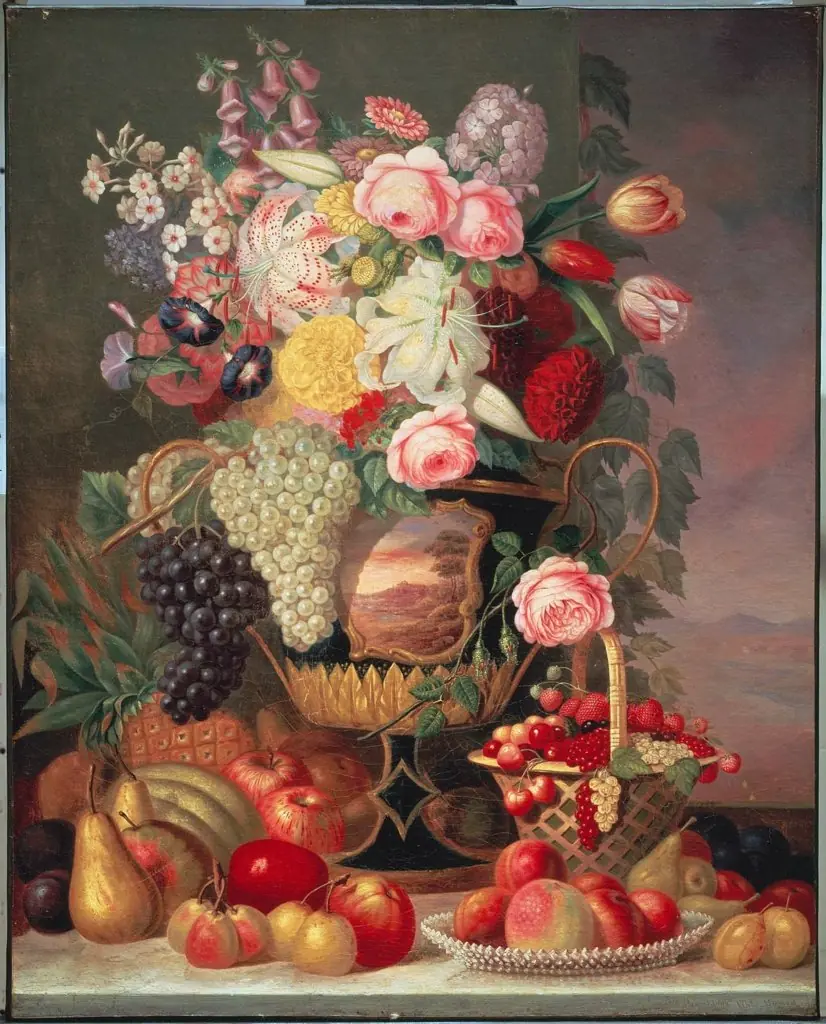 Fruit and Flower Piece
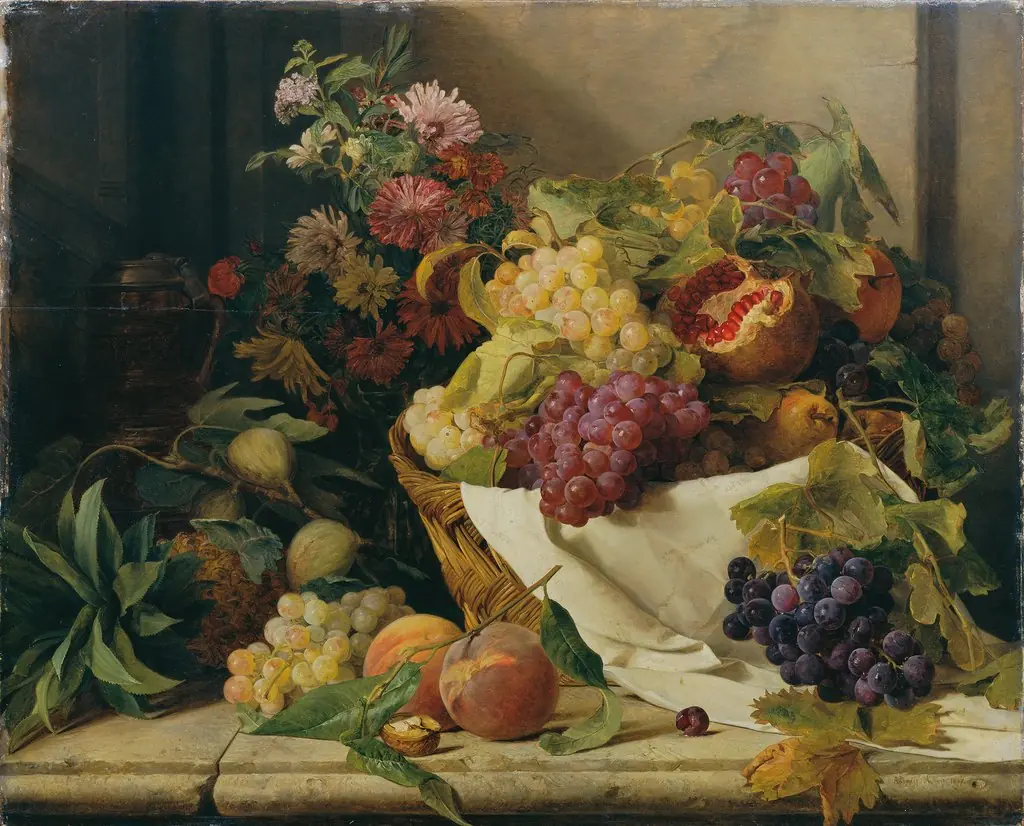 still life with fruits and flowers
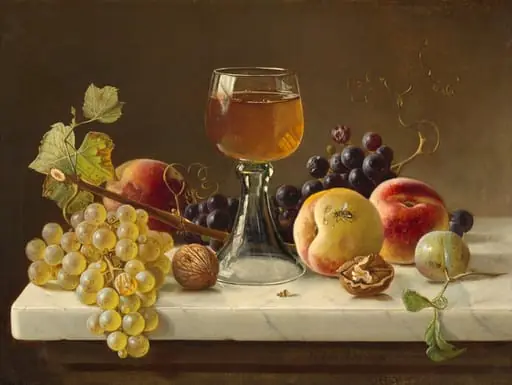 Marble Tabletop with Fruit and Wineglass
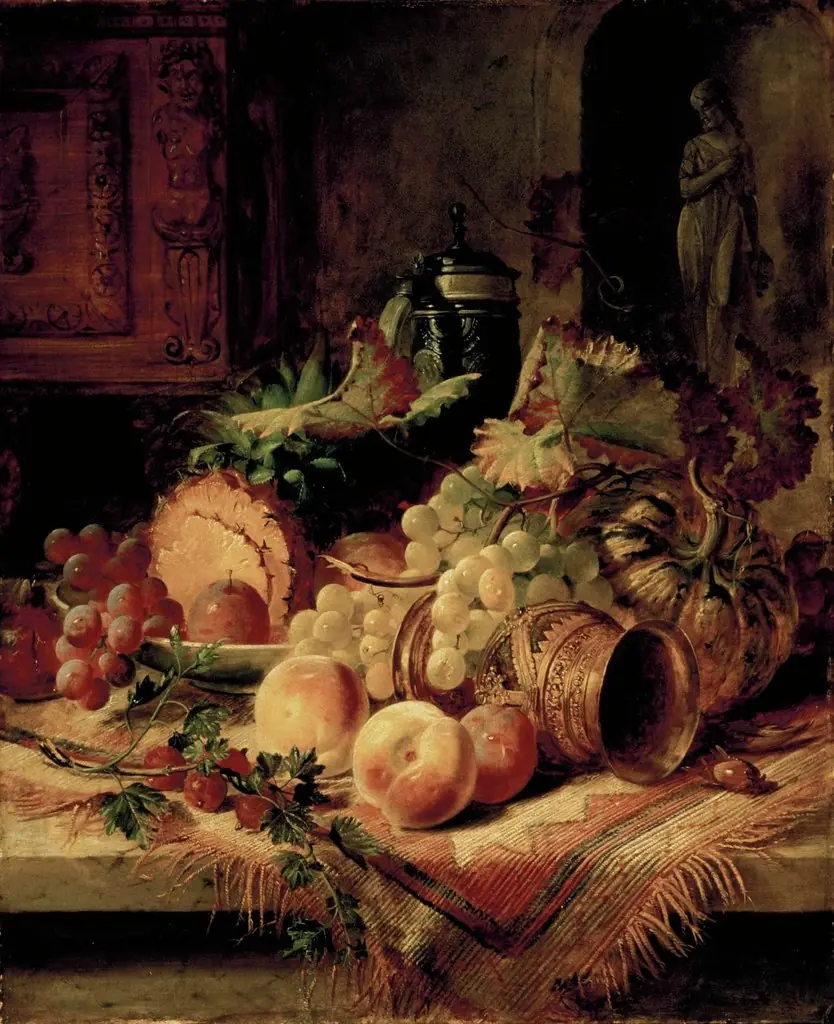 Still Life - Fruit
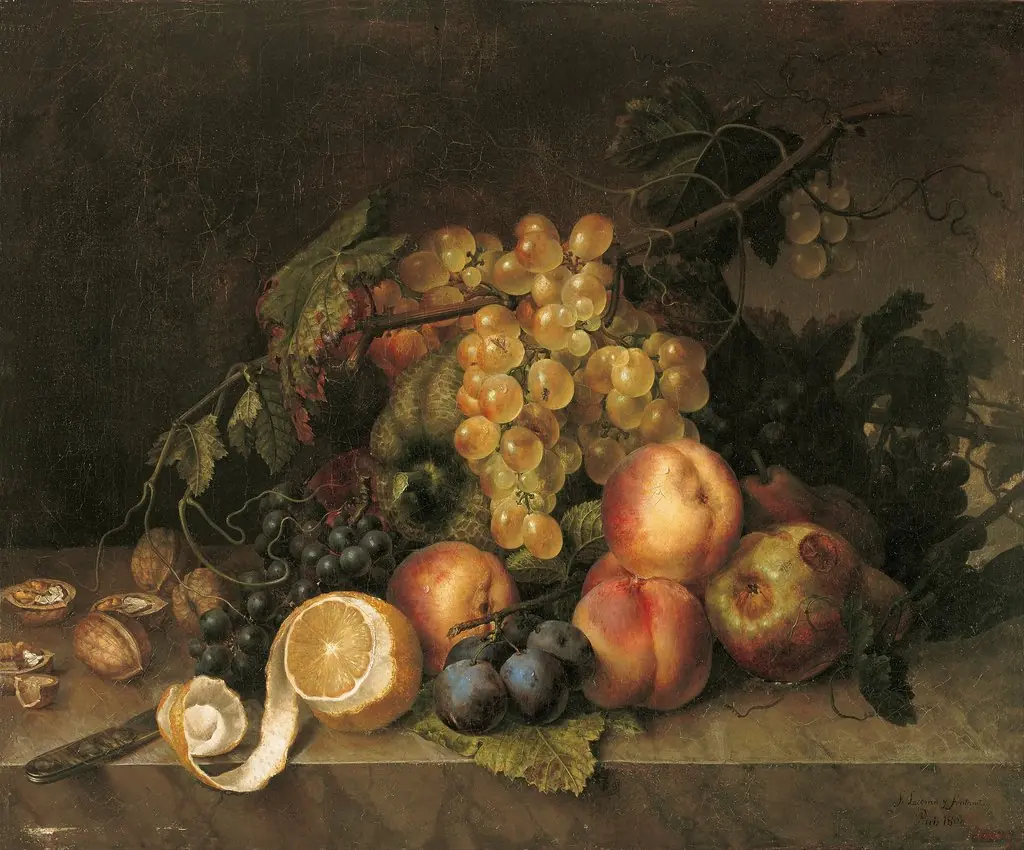 Still Life