Artwork
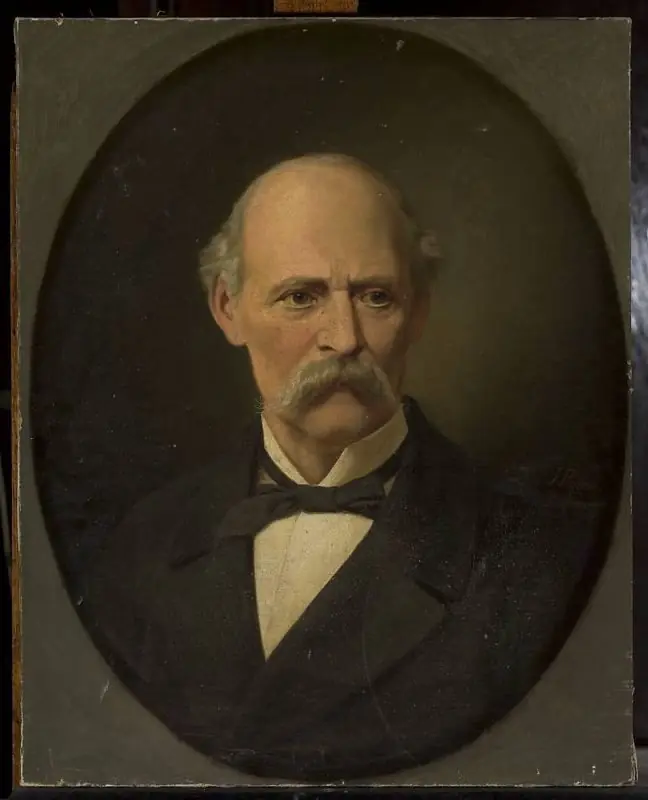
Episcopul sas, Dr. Georg Daniel Teutsch
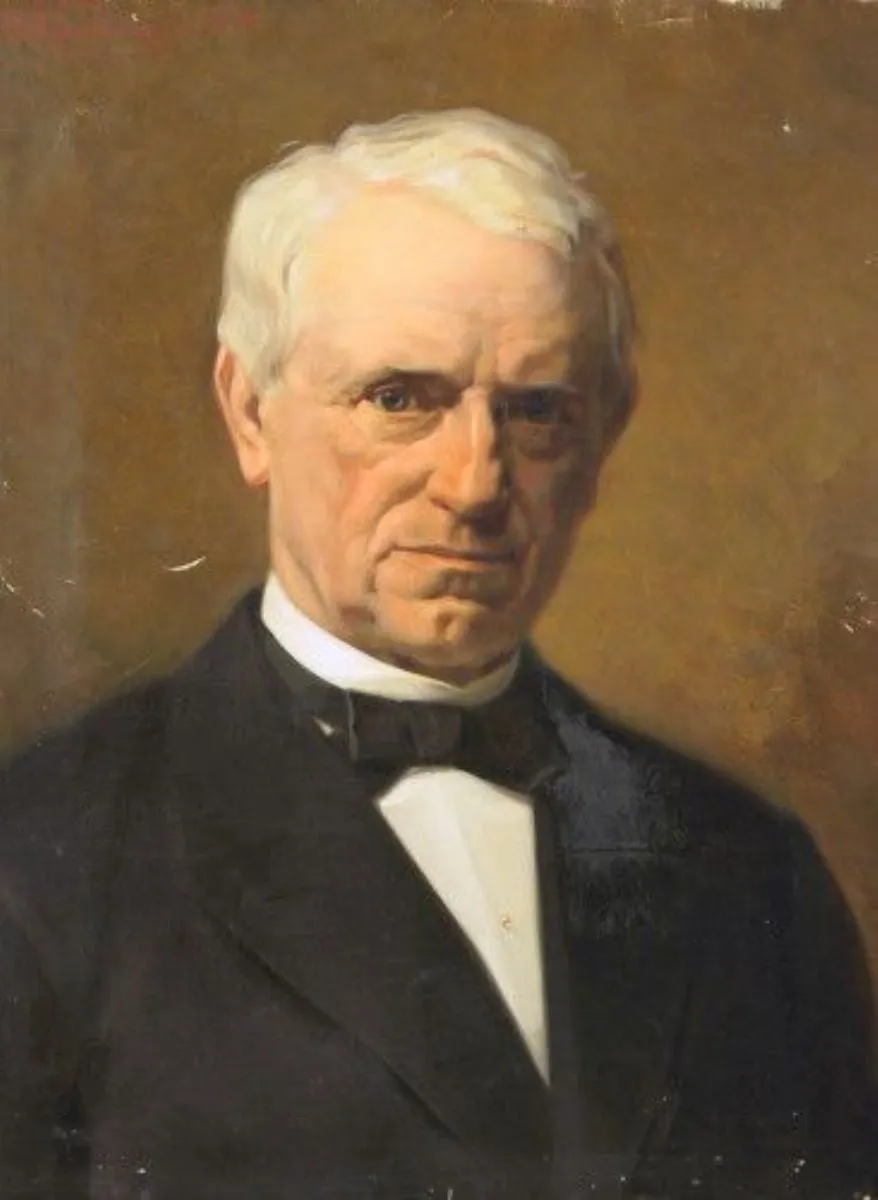
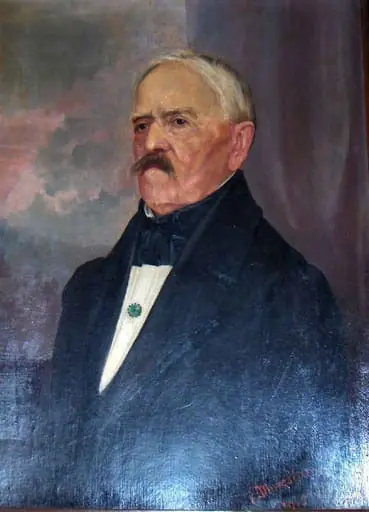
Episcopul sas, Dr. Georg Daniel Teutsch is an unspecified painting by the Academic Art artist Carl Dörschlag. It dates from 1882 and is held in the collection of the Brukenthal National Museum.
About this work
Overview
The composition centers on the sitter’s upper body, set against a muted brown backdrop that isolates him from any contextual detail.
Painted around 1882 by Carl Dörschlag, this portrait depicts Dr. Georg Daniel Teutsch, a Lutheran bishop in Transylvania. The composition centers on the sitter’s upper body, set against a muted brown backdrop that isolates him from any contextual detail. The restrained palette and deliberate focus on facial expression and attire convey a sense of solemn dignity, typical of ecclesiastical portraiture of the period.
Subject & Meaning
Dr. Teutsch, a respected religious leader and intellectual, is portrayed in formal clerical attire: a dark suit, crisp white collar, and bow tie. His white hair and composed gaze suggest age, experience, and quiet resolve. The absence of symbolic objects or ecclesiastical regalia shifts emphasis to his personal presence, implying authority derived from character rather than title or ritual.
Technique & Style
Dörschlag employs subtle chiaroscuro to model the bishop’s face, using soft gradations of light to define bone structure and skin texture. Brushwork is refined and unobtrusive, avoiding visible strokes in favor of smooth transitions. The background remains deliberately flat and neutral, ensuring the viewer’s attention remains fixed on the subject’s expression and attire.
History & Provenance
The portrait was likely commissioned during Teutsch’s tenure as bishop, reflecting his status within the Transylvanian Saxon community. It remained in private or ecclesiastical hands for much of the 20th century before entering public collection. Its preservation suggests continued recognition of Teutsch’s cultural significance among the region’s German-speaking Lutheran population.
Context
In late 19th-century Transylvania, Lutheran bishops like Teutsch played vital roles as educators and community leaders amid shifting political landscapes. Portraits such as this served not only as personal likenesses but also as symbols of institutional stability. Dörschlag’s approach aligns with Central European traditions of dignified, restrained portraiture favored by religious and civic elites.
Legacy
The portrait endures as a visual record of a key figure in Transylvanian Saxon religious life. Its quiet realism reflects a broader trend in regional portraiture that prioritized moral gravitas over flamboyance. While not widely known beyond its cultural sphere, it remains an important artifact for understanding the visual culture of minority communities in the Austro-Hungarian Empire.
Artist & collection

- Samuel Traugott Binder
 Portret de bărbat
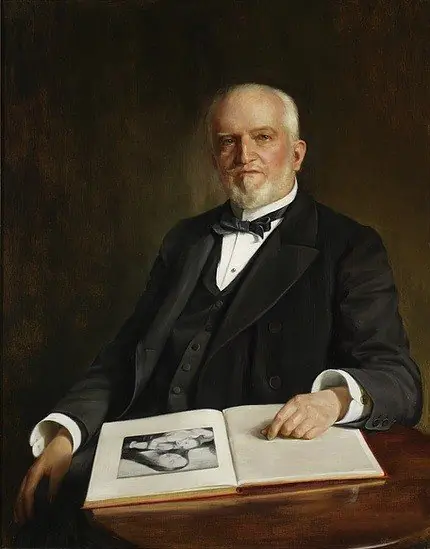 Portrait of Cyprian Lachnicki
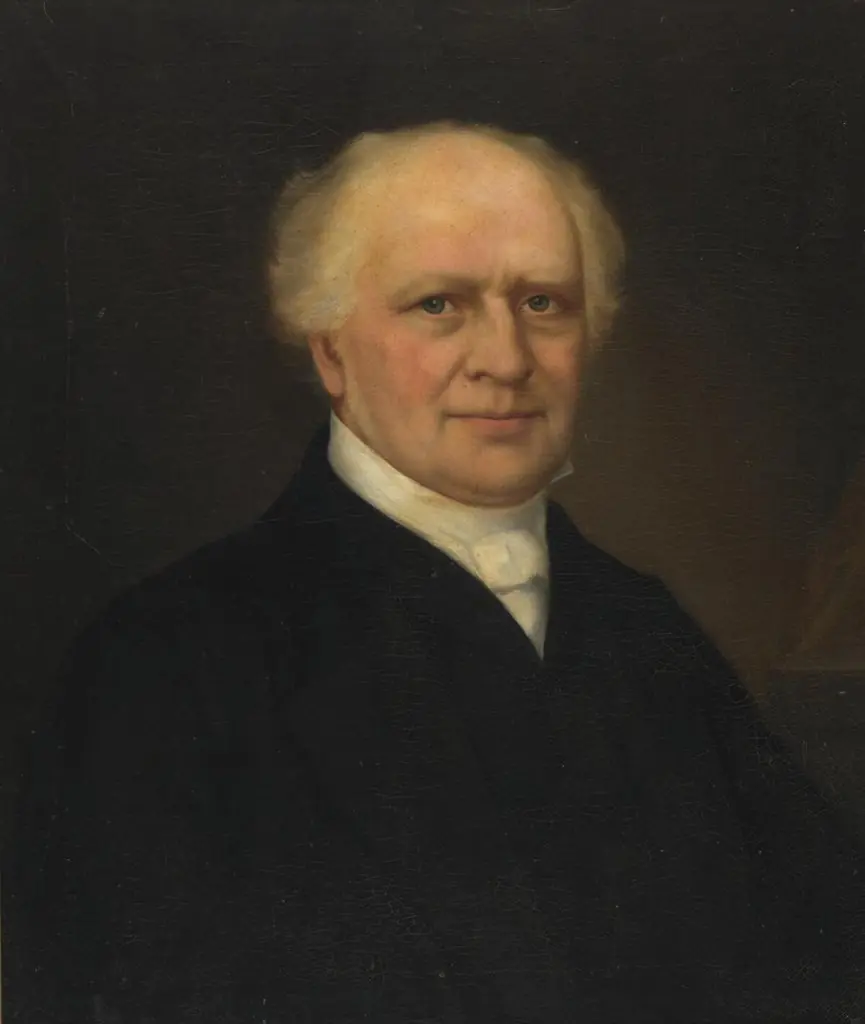 Parch. Henry Rees, Lerpwl, 1798-1869
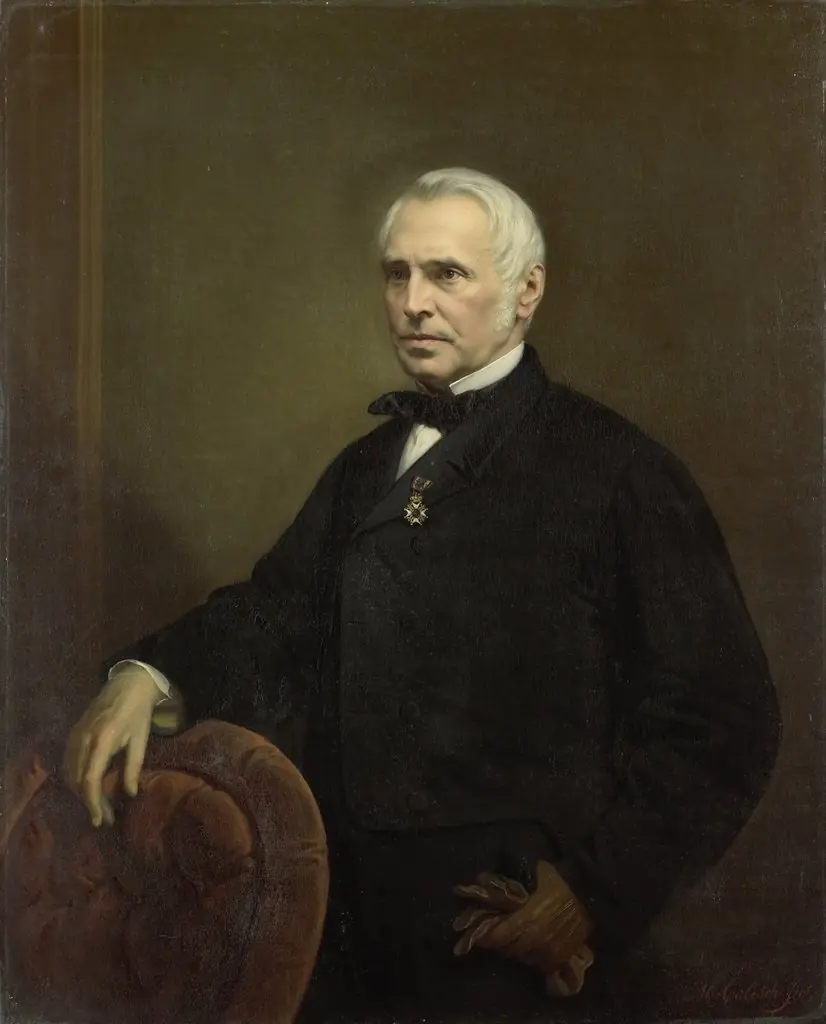 Cornelis Outshoorn (1810-75). Engineer and Architect
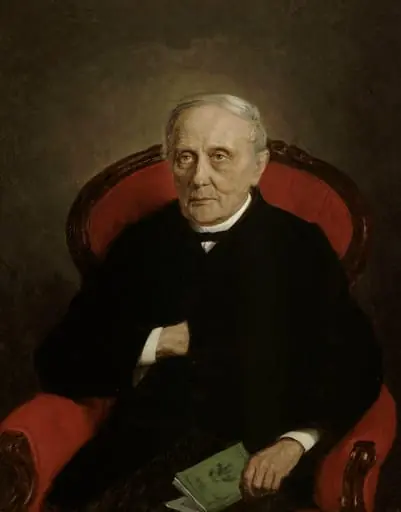 Nils Henrik Pinellon muotokuva
 Alexandru Hasdeu
 Portrait of Stephen Reynolds
 José Manoel de Mesquita
 Johan Lindroos vanhana.
 Self-portrait
 Dr. John Edwards Holbrook