Artwork
George P. Putnam
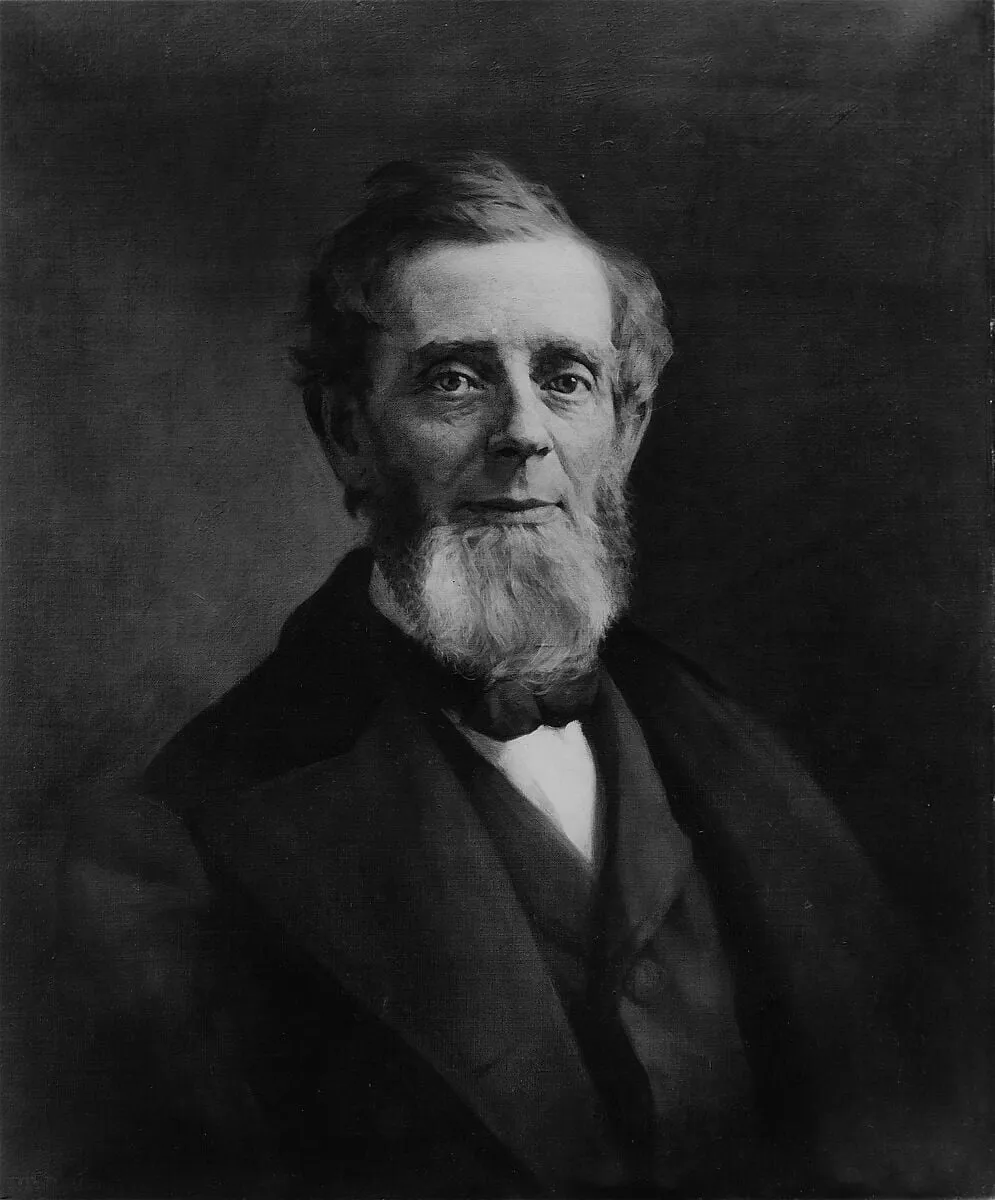
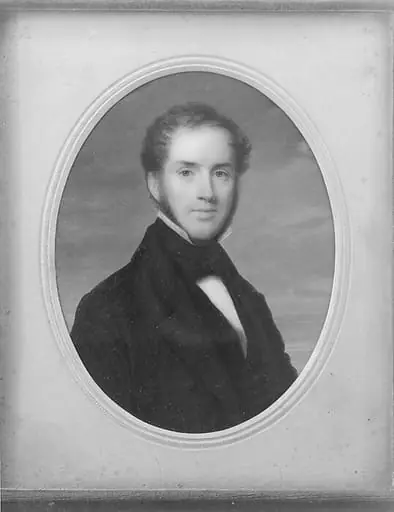
George P. Putnam is an oil painting by the American Impressionist artist Platt Powell Ryder. It dates from 1872 and is held in the collection of the Metropolitan Museum of Art.
About this work
The light comes from one side, making the shadows sharp, almost like a photo before cameras were common.
A man in a dark suit sits sideways in a wooden chair, one arm resting on the back. His face is half-lit, half in shadow, and his eyes look past us.
Ryder painted this in 1872, when most portraits showed people staring straight ahead. The sideways pose feels casual, like a snapshot. The light comes from one side, making the shadows sharp, almost like a photo before cameras were common.
If you like how light and shadow shape a face, look up chiaroscuro.
Overview
This oil on canvas, painted by Platt Powell Ryder in 1872, presents a portrait of George P. Putnam. The work captures its subject seated in a wooden chair, his body turned to the side. Ryder's approach to composition and illumination distinguishes this piece from many contemporary portraits, offering a particular insight into the sitter's presence through a more informal depiction.
Technique & Style
Ryder employed a distinctive compositional choice for this portrait, depicting Putnam in a casual, sideways pose rather than the more conventional direct gaze common in 1872. The lighting further enhances this effect, originating from one side to cast pronounced shadows across the sitter's face. This strong contrast between light and dark creates a dramatic, almost photographic quality, anticipating visual effects that would later become prevalent with the advent of widespread photography.
Subject & Meaning
The informal posture and the play of light and shadow on Putnam's face contribute to a sense of immediacy and depth. His gaze, directed beyond the viewer, adds to the contemplative or perhaps transient nature of the moment captured. This departure from rigid formality suggests an interest in portraying the individual with a more naturalistic sensibility, reflecting a shift in portraiture towards less conventional and more personal representations.
Artist & collection


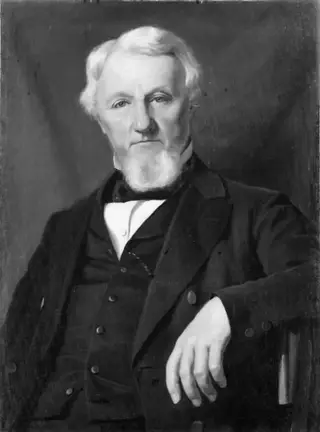
- Præsten Gjerløv Christian Krog Schiøler
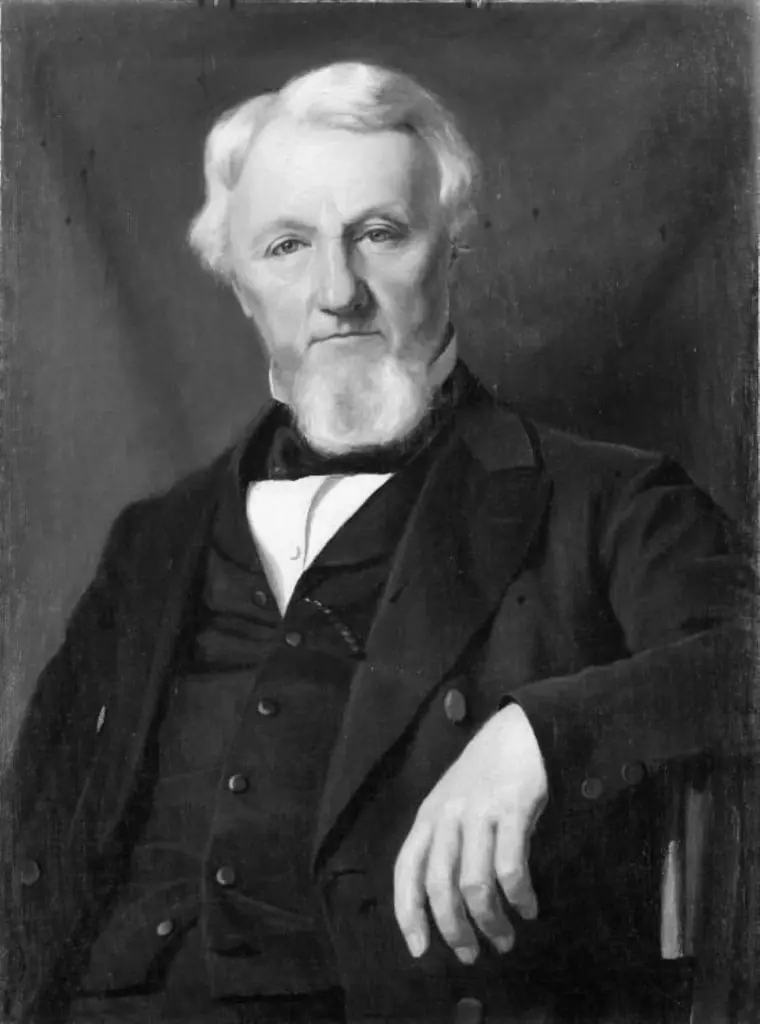 Præsten Gjerløv Christian Krog Schiøler
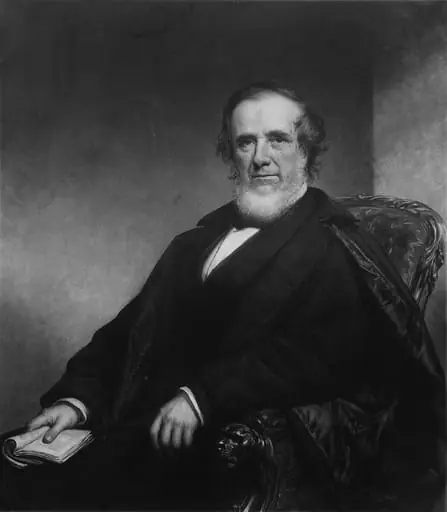 John David Wolfe
 Portrait of a bearded man
 Reverend Dr John Cynddylan Jones (1841–1930)
 Samuel Torrey Morse
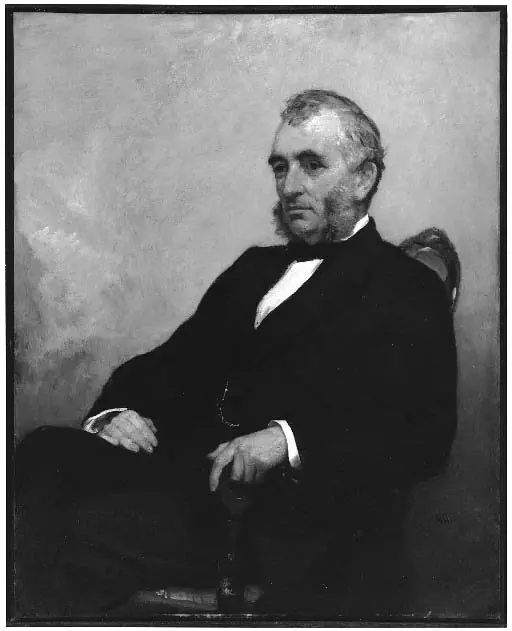 Charles J. Morrill
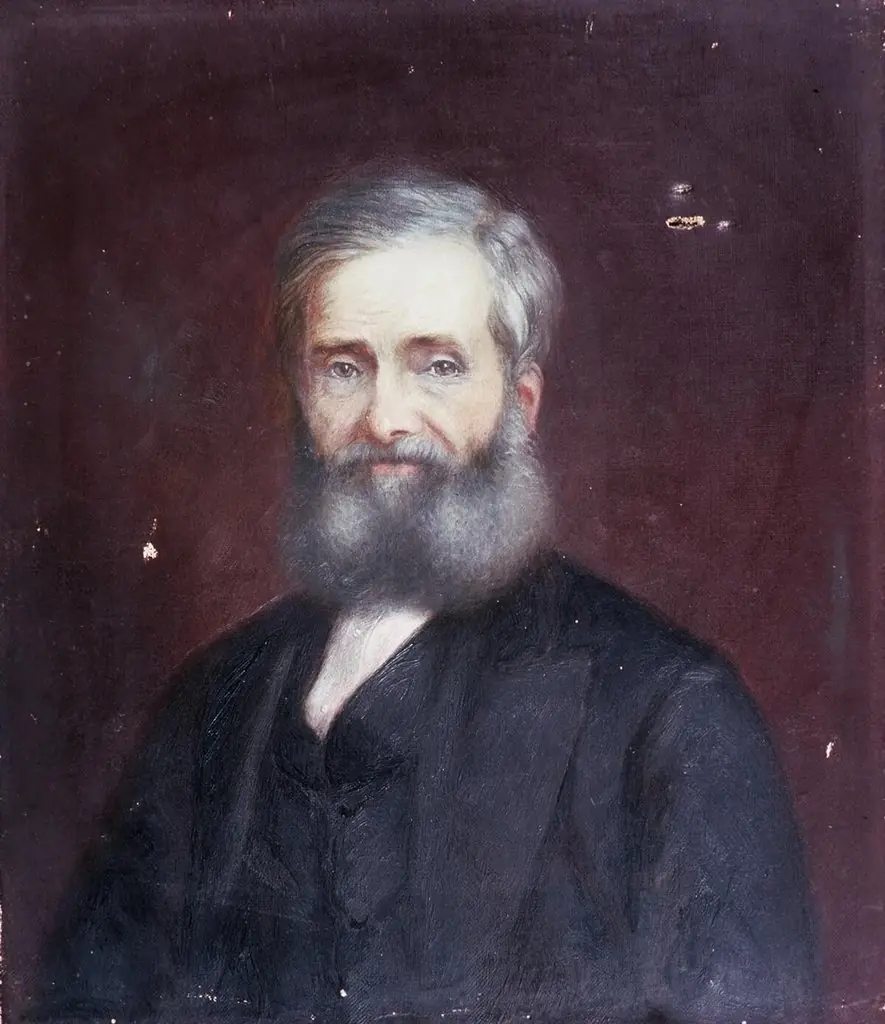 Portrait of a minister
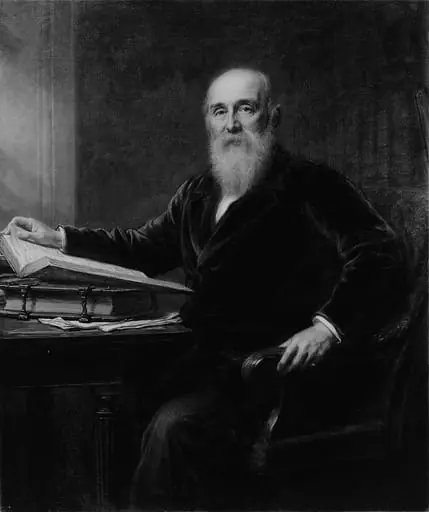 William C. Prime
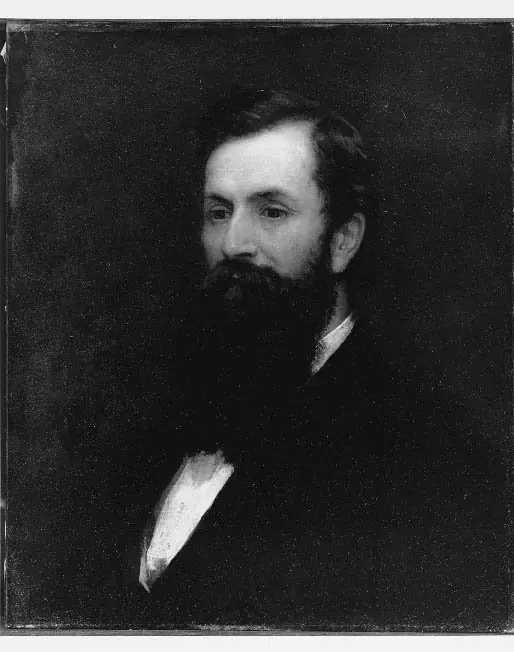 Isaac Fenno
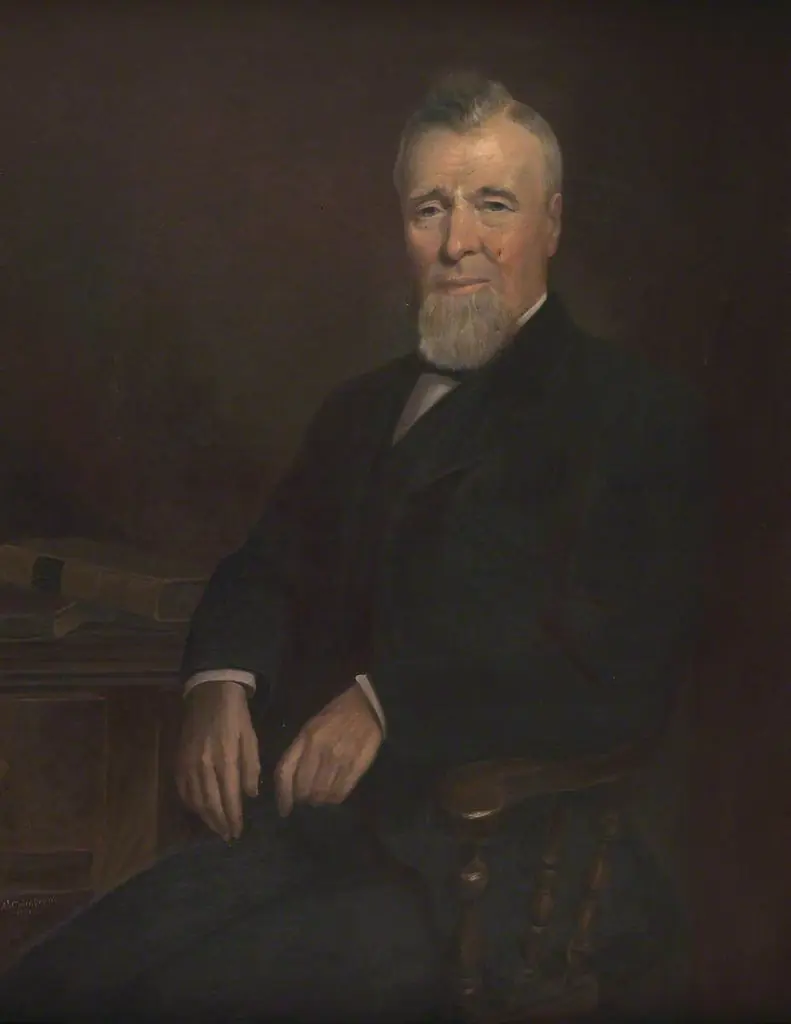 Reverend J. G. Morris of Newport, Pembrokeshire (1833–1919)
 Benjamin Daniel Greene