Artwork
Ecce Ancilla Domini
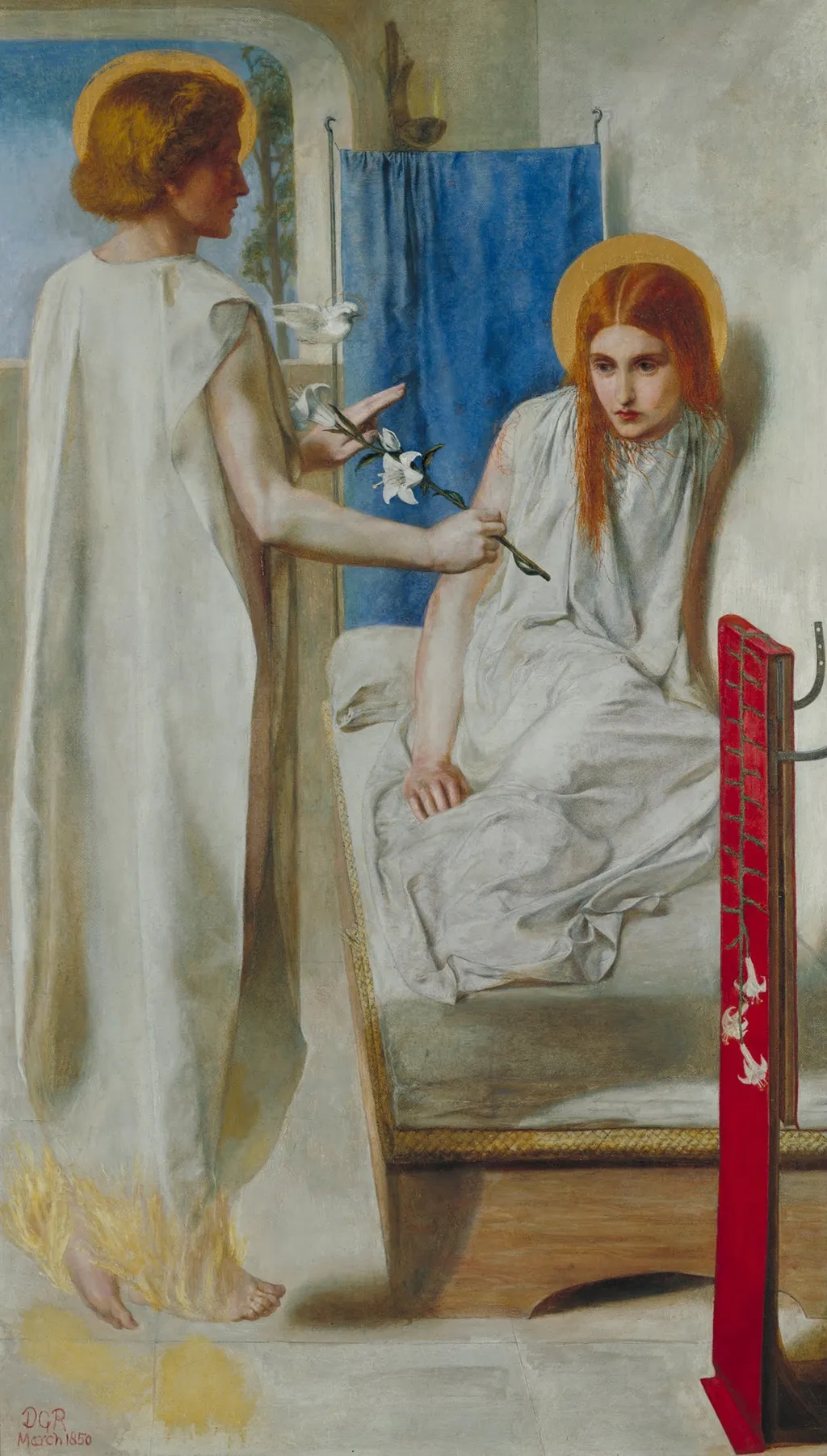
Ecce Ancilla Domini is an oil painting by the Pre-Raphaelite artist Dante Gabriel Rossetti. It dates from 1850 and is held in the collection of the National Gallery.
About this work
This painting shows the moment the angel Gabriel tells Mary she’ll have Jesus.
This painting shows the moment the angel Gabriel tells Mary she’ll have Jesus. Rossetti used oil paint to make it in 1850. It’s a quiet scene, not crowded with figures.
The Latin title comes straight from an old Bible line. Mary looks small and unsure. A single white lily sits between them, maybe for purity, maybe just for light.
It hangs in a big London museum now. If you like the style, check out the same artist.
Overview
Ecce Ancilla Domini is an 1850 oil painting by Dante Gabriel Rossetti, depicting the Annunciation. The work is now part of the collection at Tate Britain in London.
Subject & Meaning
The painting illustrates the moment Angel Gabriel informs Mary of her impending divine conception, as referenced by the Latin title from Luke 1:38 in the Vulgate Bible. Compositionally subdued, it focuses on the intimate exchange between the two central figures, with Mary portrayed in a humble and uncertain demeanor. A single white lily is prominently placed between them, potentially symbolizing purity or serving as a light source.
Technique & Style
Executed in oil paint, the piece reflects Rossetti's characteristic approach to capturing emotional depth through subdued, introspective scenes. The sparse composition emphasizes the solemnity of the moment, drawing attention to the psychological nuances of the figures.
History & Provenance
Originally painted in 1850, the artwork's provenance culminates in its current residence at Tate Britain in London, where it remains accessible to the public.
Context
As an early work by Rossetti, Ecce Ancilla Domini situates itself within the broader context of the Pre-Raphaelite movement, known for its emphasis on detail, color, and emotional intensity in depicting literary and religious themes.
Legacy
While not as widely recognized as some of Rossetti's later works, Ecce Ancilla Domini contributes to the artist's exploration of religious and symbolic themes, appealing to viewers familiar with his style and the Pre-Raphaelite aesthetic.
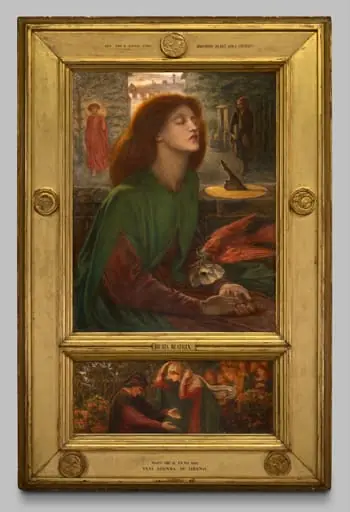
Artist & collection
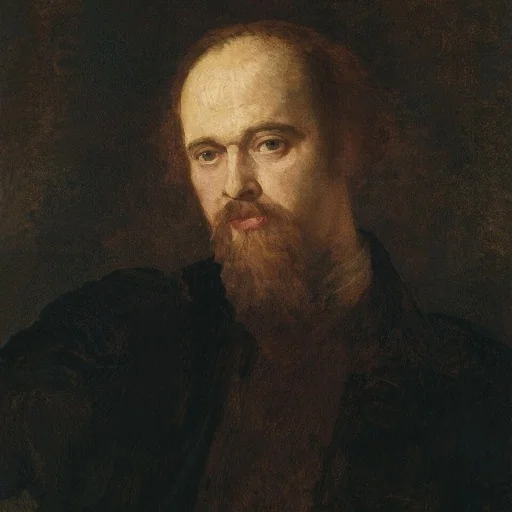
Artist
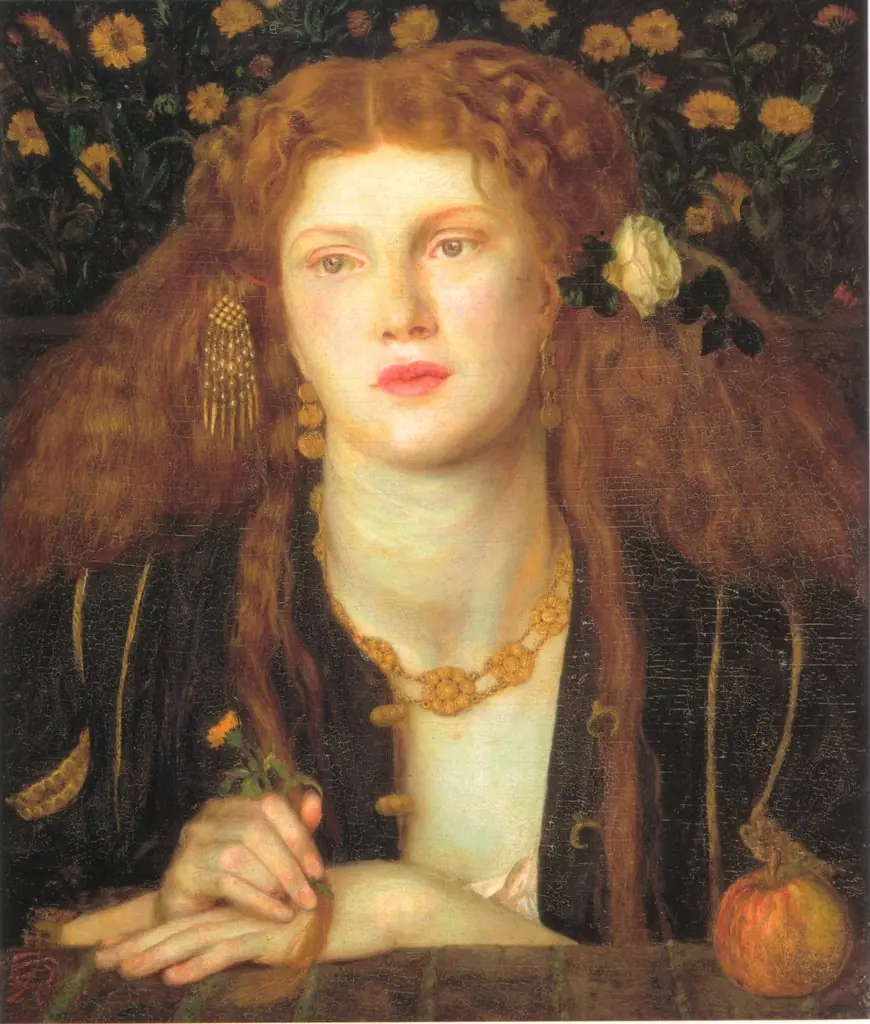
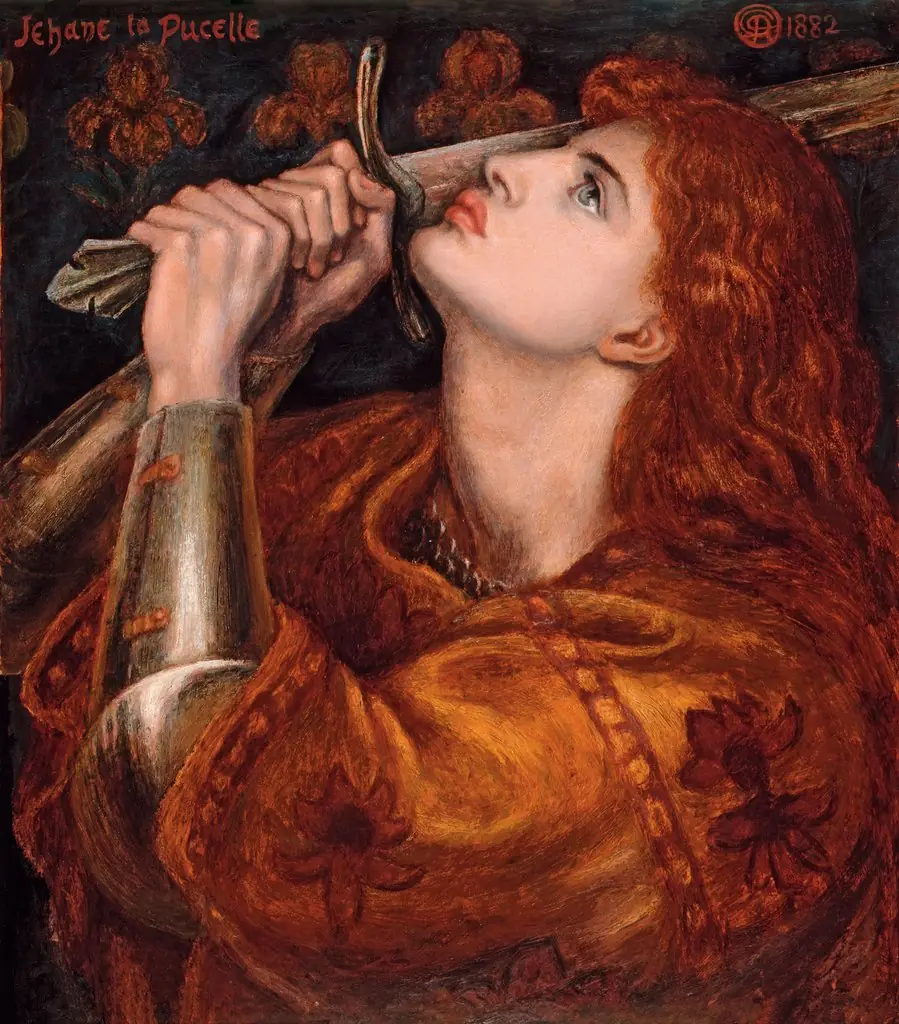
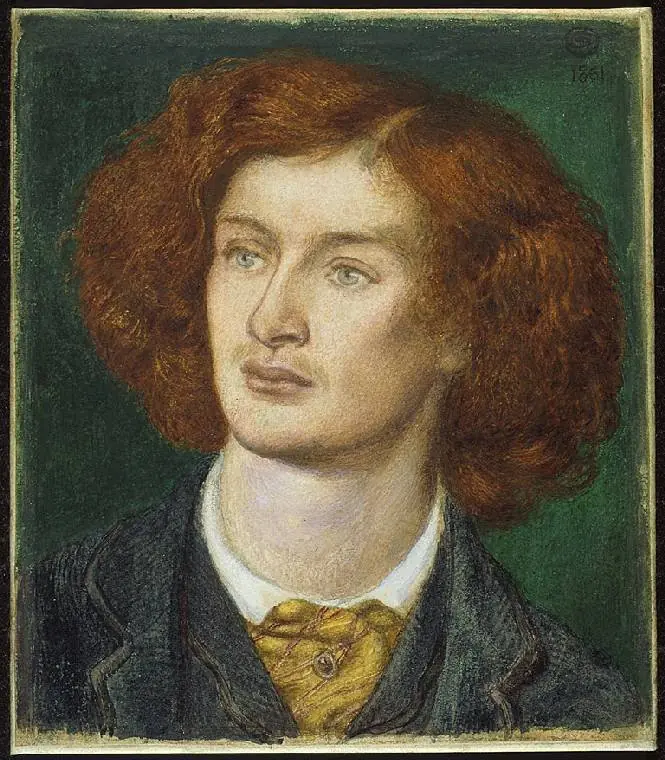
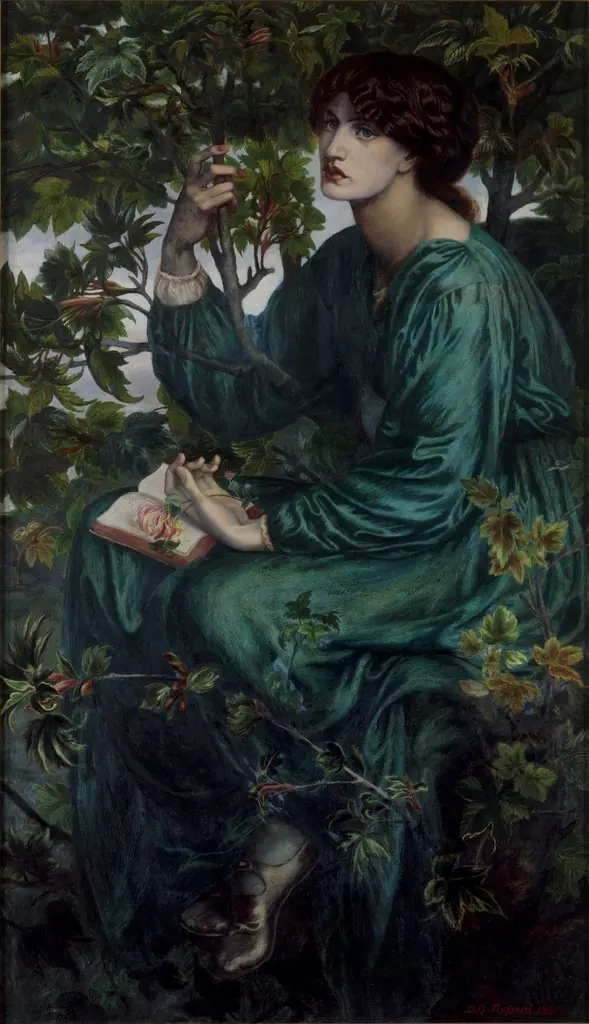
Gabriel Charles Dante Rossetti (12 May 1828 – 9 April 1882), generally known as Dante Gabriel Rossetti ( rə-ZET-ee; Italian: ), was an English poet, illustrator, painter and translator.

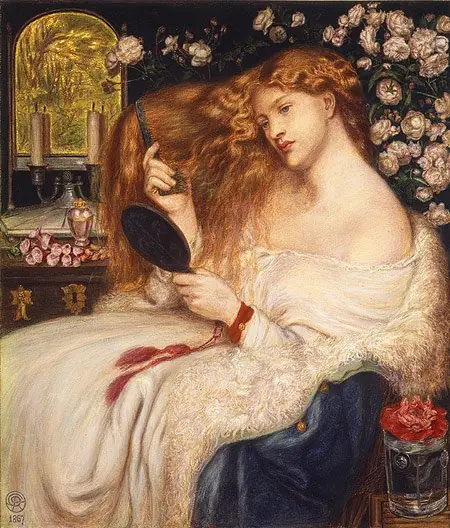
 Compared in the Pre-Raphaelites course