Artwork
Greek Vase
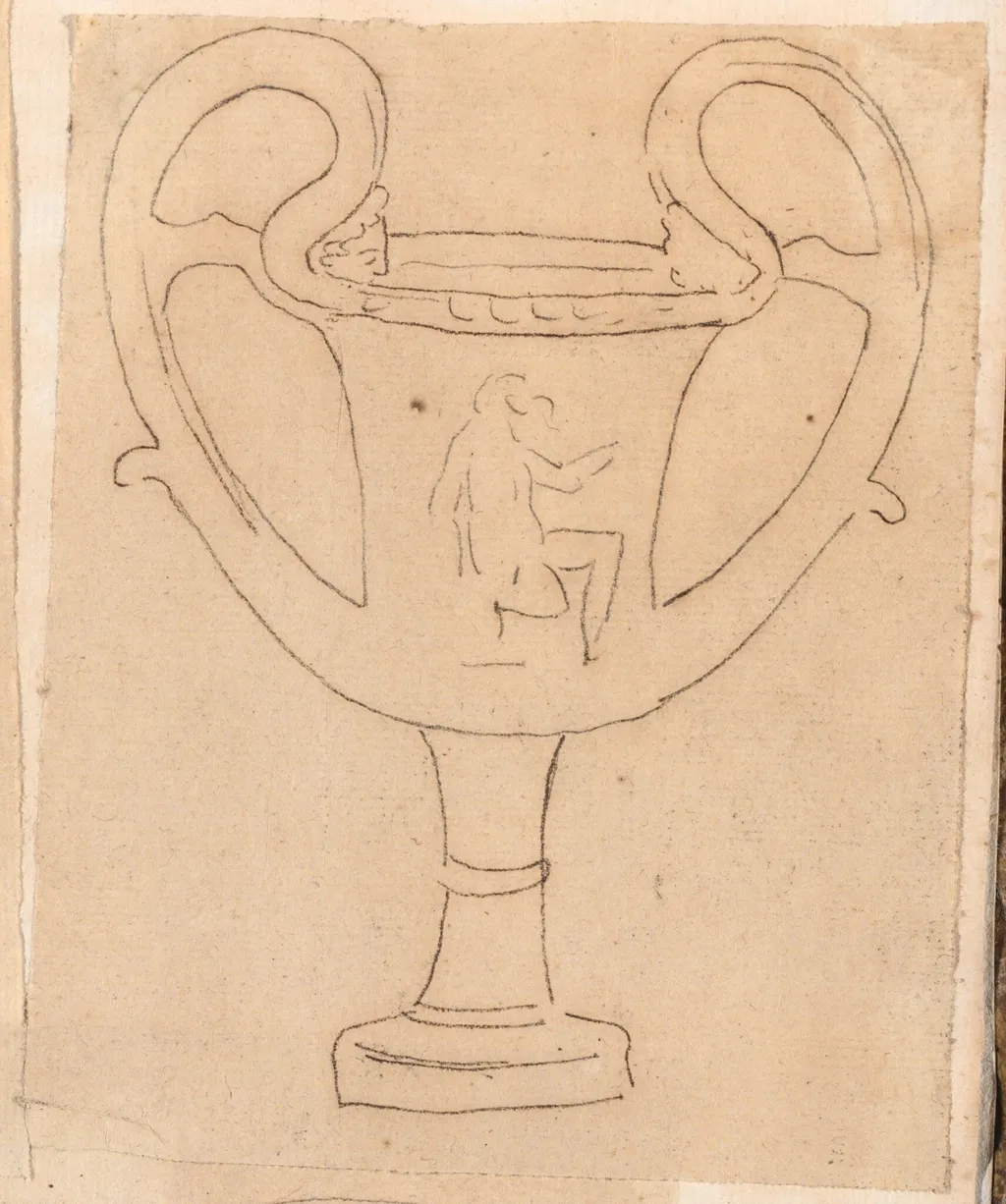
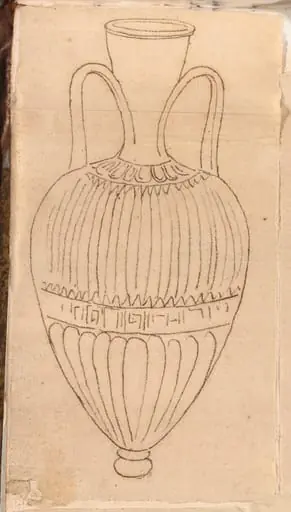
Greek Vase is an oil drawing by the Neoclassicist artist Jacques-Louis David. It dates from 1778 and is held in the collection of the National Gallery of Art.
About this work
Overview
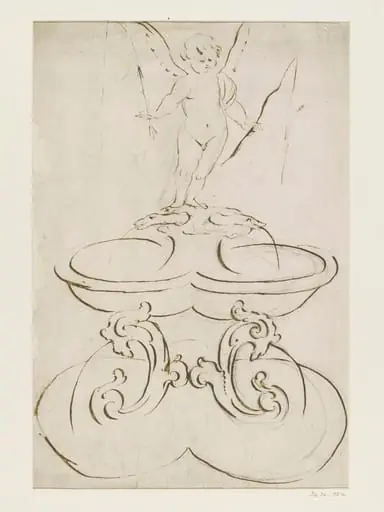
Greek Vase is a drawing executed by Jacques‑Louis David in 1778. Rendered as a transfer tracing on oiled laid paper, the work presents a single ceramic vessel rendered in a restrained, linear manner. The composition is modest in scale, emphasizing the silhouette of the vase rather than elaborate ornamentation.
Subject & Meaning
The central motif of the drawing is a two‑handled vase, its form defined by clean, unembellished lines. A solitary figure is positioned on the vase’s surface, providing a focal point that suggests a narrative or decorative purpose without overt storytelling. The simplicity invites contemplation of classical shape and proportion.
Technique & Style
David employed a transfer tracing technique, allowing the initial outline to be reproduced accurately on oiled laid paper. The medium, oil‑saturated paper, offers a smooth, slightly glossy ground that enhances line clarity. The drawing’s minimal detail and precise contouring reflect the neoclassical emphasis on order and clarity of form.
History & Provenance
Created in the late 1770s, the work belongs to David’s early period, preceding his more ambitious historical canvases. While specific ownership records are sparse, the piece has been catalogued among his preparatory studies, illustrating his engagement with classical motifs that would later dominate his oeuvre.
Own this work as a print
Artist & collection
Artist
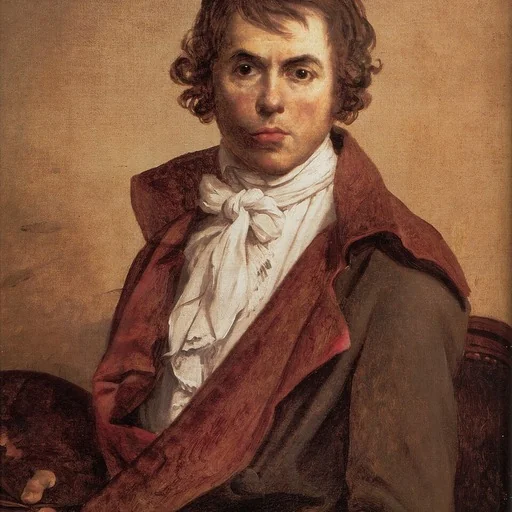
Jacques-Louis David was born in Paris on 30 August 1748 into a bourgeois family; his father died in a duel when the boy was nine, and a maternal uncle guided his education.

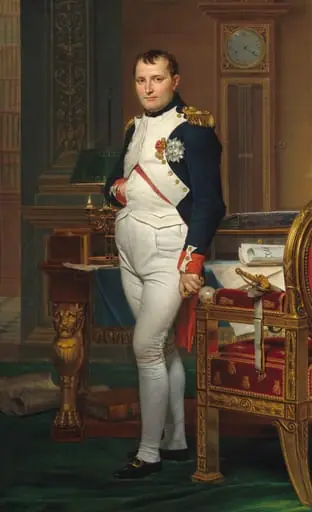 The Emperor Napoleon in His Study at the Tuileries
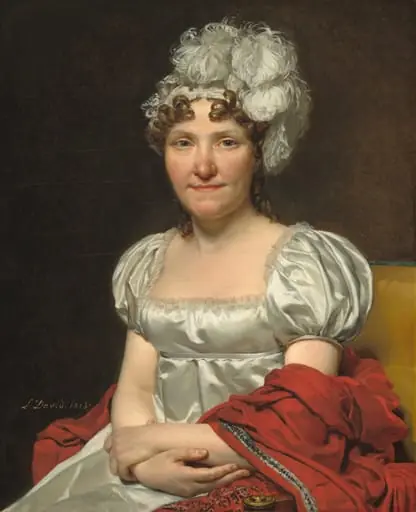 Madame David
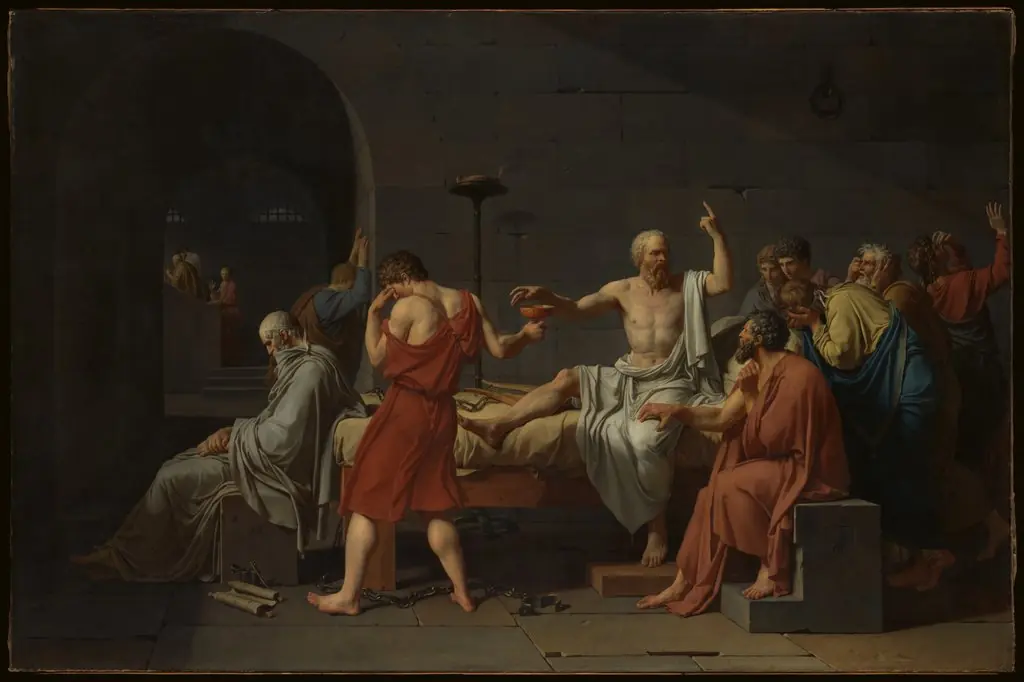 The Death of Socrates
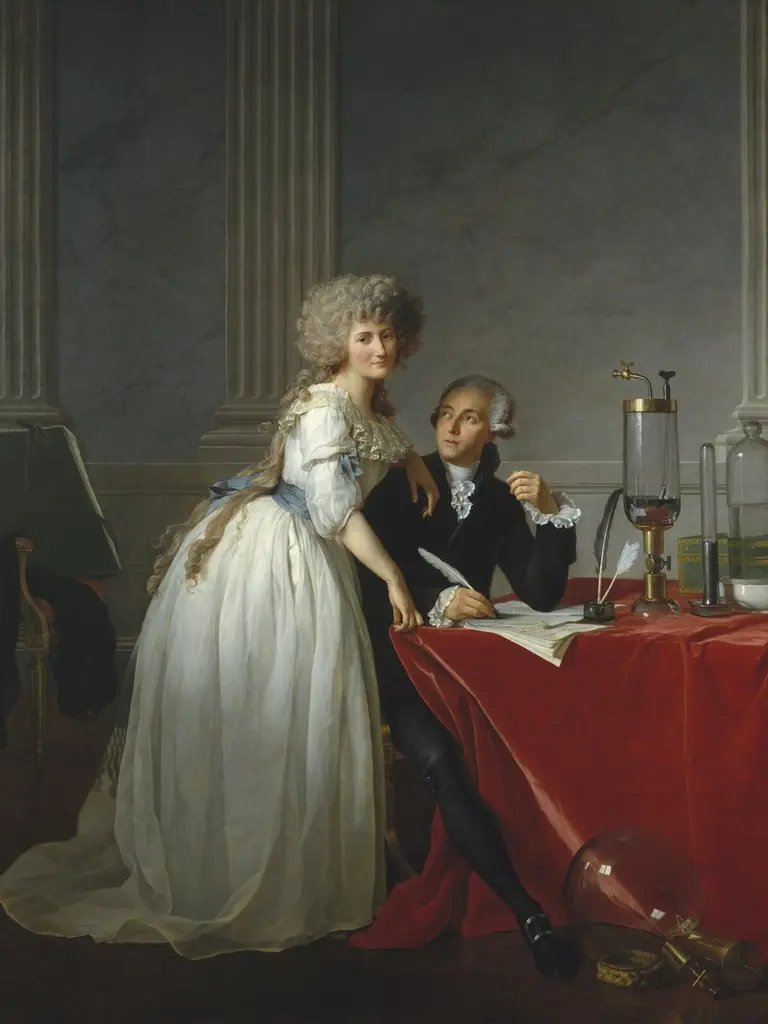 Portrait of Antoine-Laurent Lavoisier and his wife
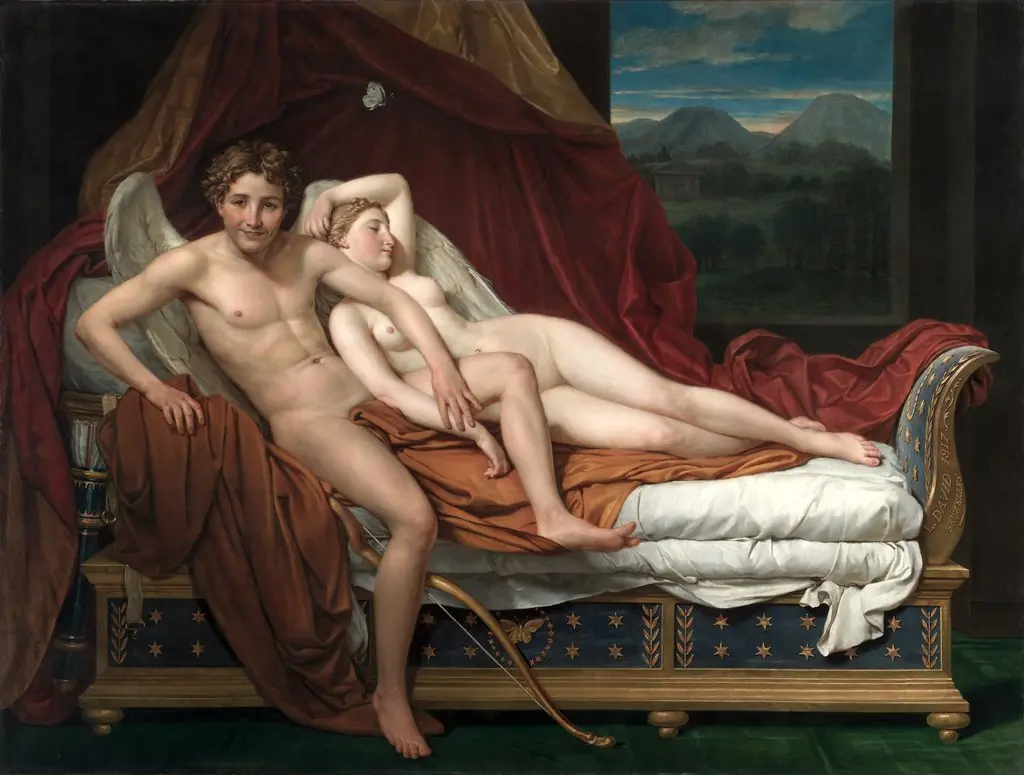 Cupid and Psyche
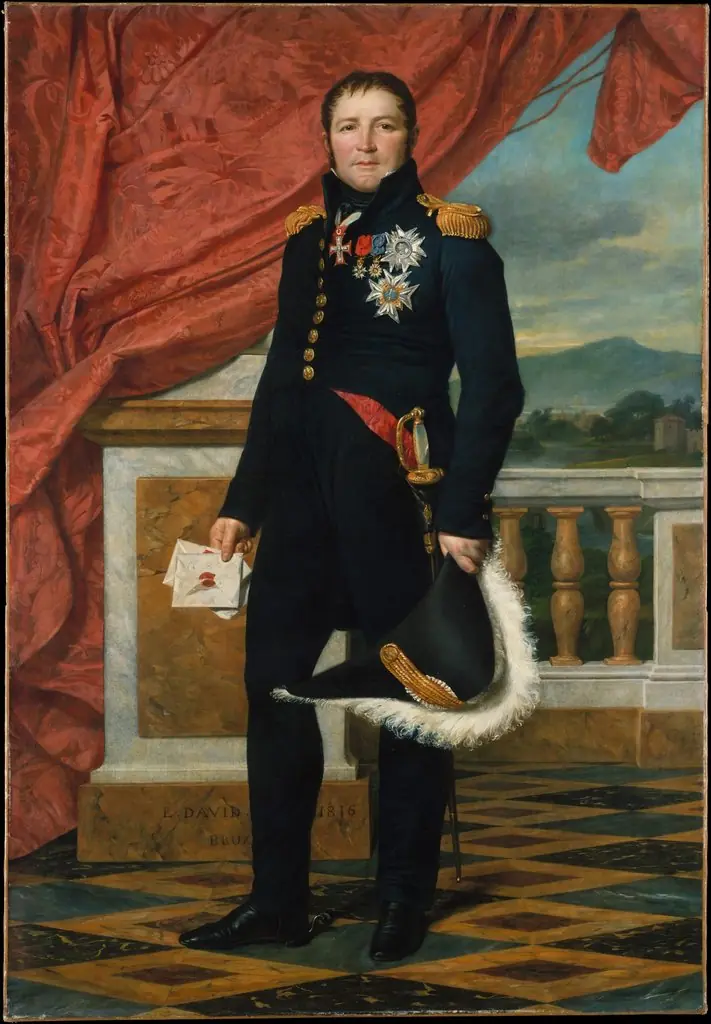 General Étienne-Maurice Gérard (1773–1852), Marshal of France
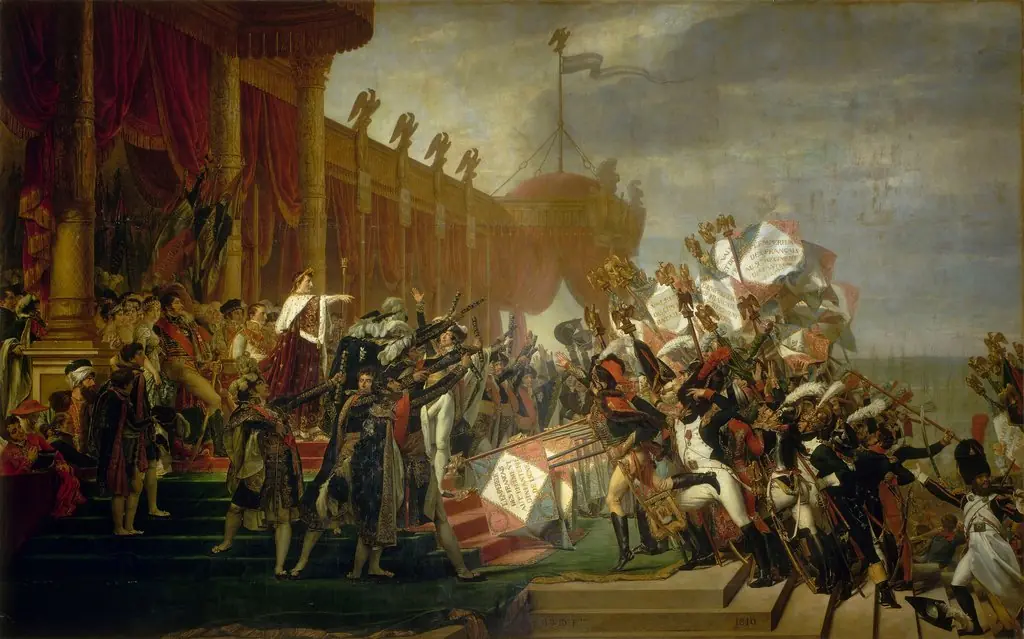 The Distribution of the Eagle Standards
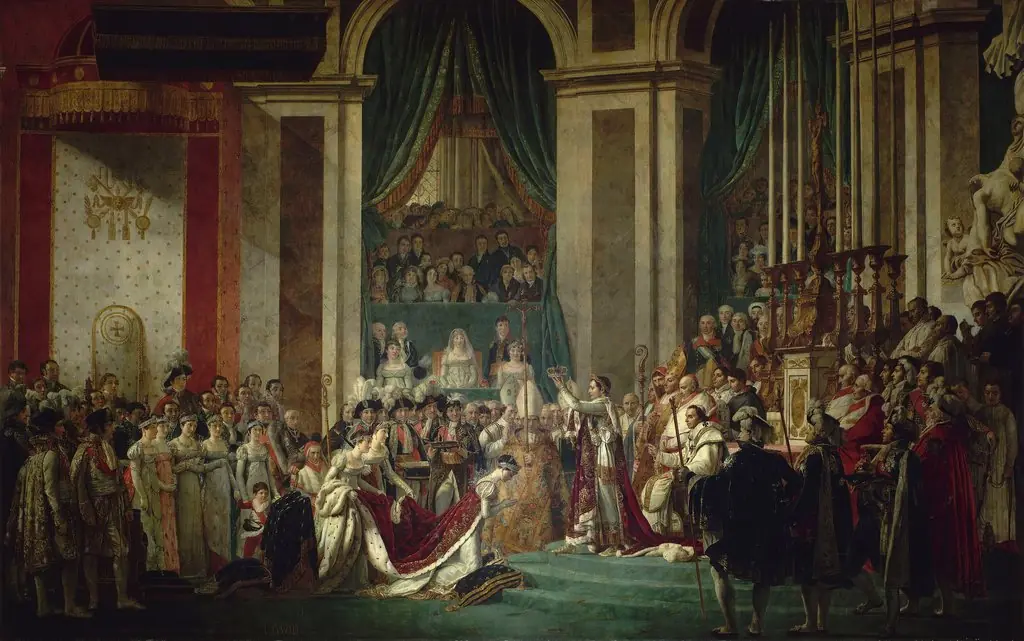 Coronation of Emperor Napoleon I and Coronation of the Empress Josephine