Artwork
Two Studies of the Head of a Young Man Crowned with a Laurel Wreath
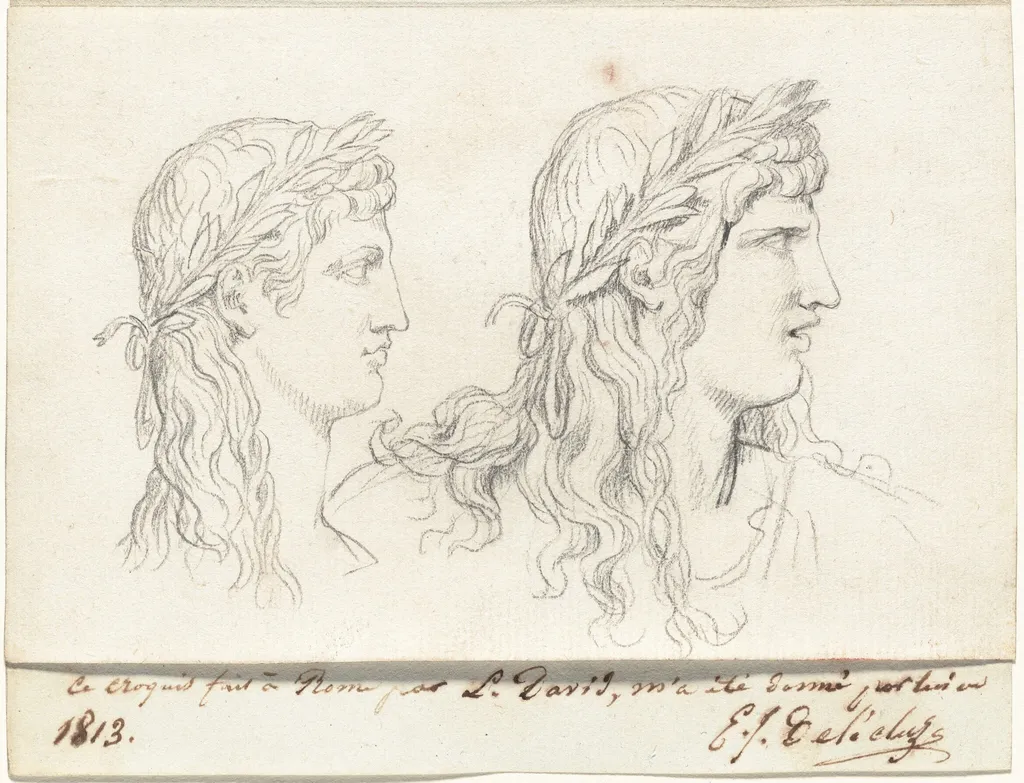
Two Studies of the Head of a Young Man Crowned with a Laurel Wreath is a chalk drawing by the Neoclassicist artist Jacques-Louis David. It dates from 1778 and is held in the collection of the National Gallery of Art.
- Inscription
- Inscribed:on attached sheet in brown ink, by the hand of David's student and biographer: Ce croquis fait à Rome par L. David, m'a été donné par lui en / 1813. [large space] E. J. Delécluze [sheet was separated from drawing in 2021, and is stored in a separate folder]
About this work
Overview
The loose, rapid strokes suggest a focus on observation rather than finish, characteristic of preparatory sketches from this period in David’s career.
Created in 1778, this drawing by Jacques-Louis David consists of two side-profile studies of a young man wearing laurel wreaths. Executed in black chalk on laid paper, the work reflects the artist’s early engagement with classical themes and figure study. The loose, rapid strokes suggest a focus on observation rather than finish, characteristic of preparatory sketches from this period in David’s career.
Subject & Meaning
The subject, a young man crowned with laurel, evokes classical associations with honor, victory, and poetic achievement. Both profiles are rendered with quiet introspection, their expressions subdued rather than triumphant. The wreaths, lightly indicated, appear as symbolic accents rather than central motifs, hinting at the artist’s interest in idealized form over narrative grandeur.
Technique & Style
David employed black chalk with a fluid, almost spontaneous touch, using varied pressure to suggest volume through soft shading along the jawline and temples. The hair and laurel leaves are rendered in quick, textured strokes, avoiding fine detail. The paper’s laid texture enhances the chalk’s granular quality, contributing to the sketch’s intimate, unpolished character.
History & Provenance
The drawing entered the collection of the National Gallery of Art in Washington, D.C., as part of a broader acquisition of David’s works on paper. Its origins trace to his time in Rome, where he studied antiquity and refined his draftsmanship. Though not a finished piece, it was preserved as an example of his evolving approach to portraiture and classical idealism.
Context
In the late 1770s, David was immersed in the study of ancient sculpture and Roman portraiture, preparing for his academic ambitions. This drawing reflects the academic practice of repeated figure studies, often conducted from live models or casts. The laurel wreath, a recurring motif in classical art, served as a visual shorthand for virtue and achievement in Enlightenment-era artistic training.
Legacy
Though modest in scale, this drawing exemplifies David’s foundational skill in capturing form with economy and sensitivity. It stands as a testament to the importance of drawing in his artistic development and influenced later generations of academic artists who valued preparatory studies as essential to compositional rigor.
Own this work as a print
Artist & collection

Artist
Jacques-Louis David was born in Paris on 30 August 1748 into a bourgeois family; his father died in a duel when the boy was nine, and a maternal uncle guided his education.

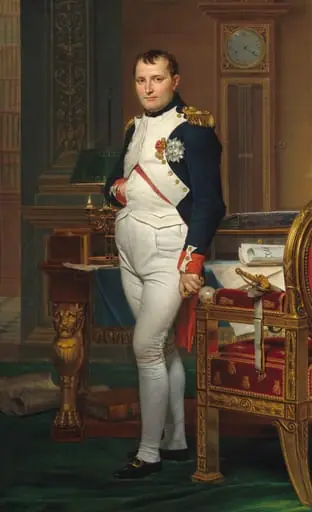 The Emperor Napoleon in His Study at the Tuileries
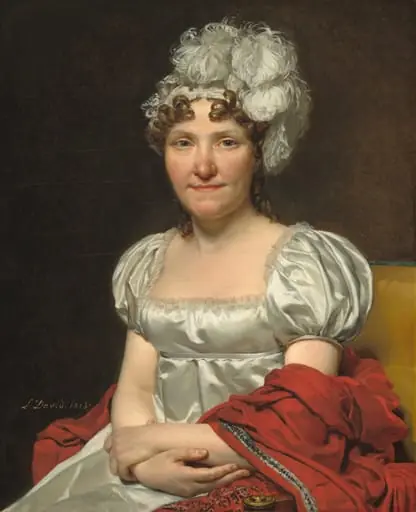 Madame David
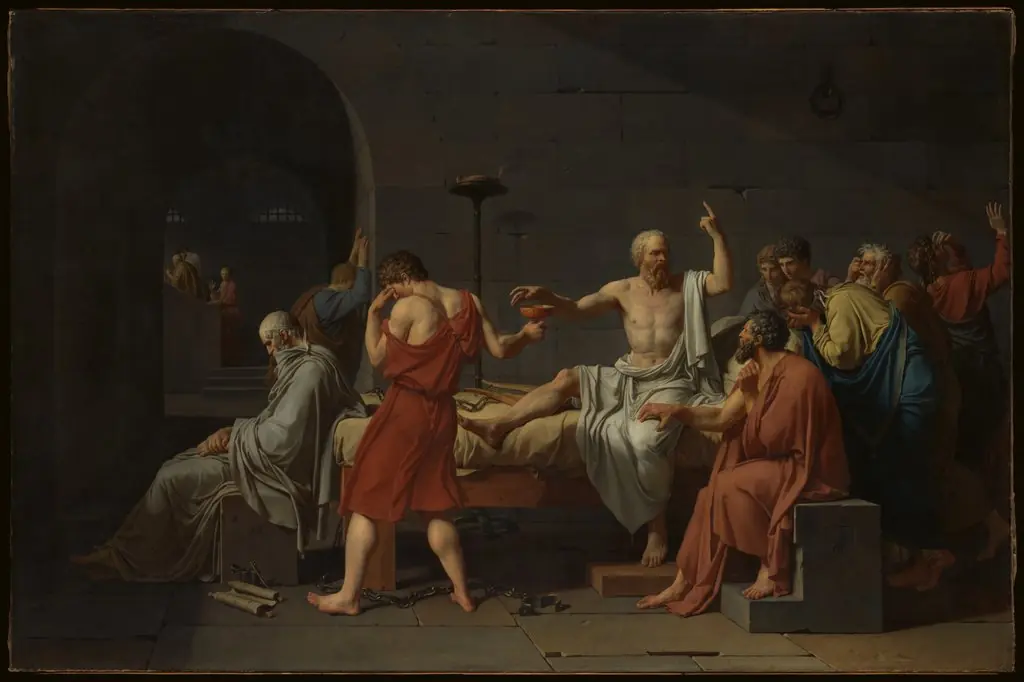 The Death of Socrates
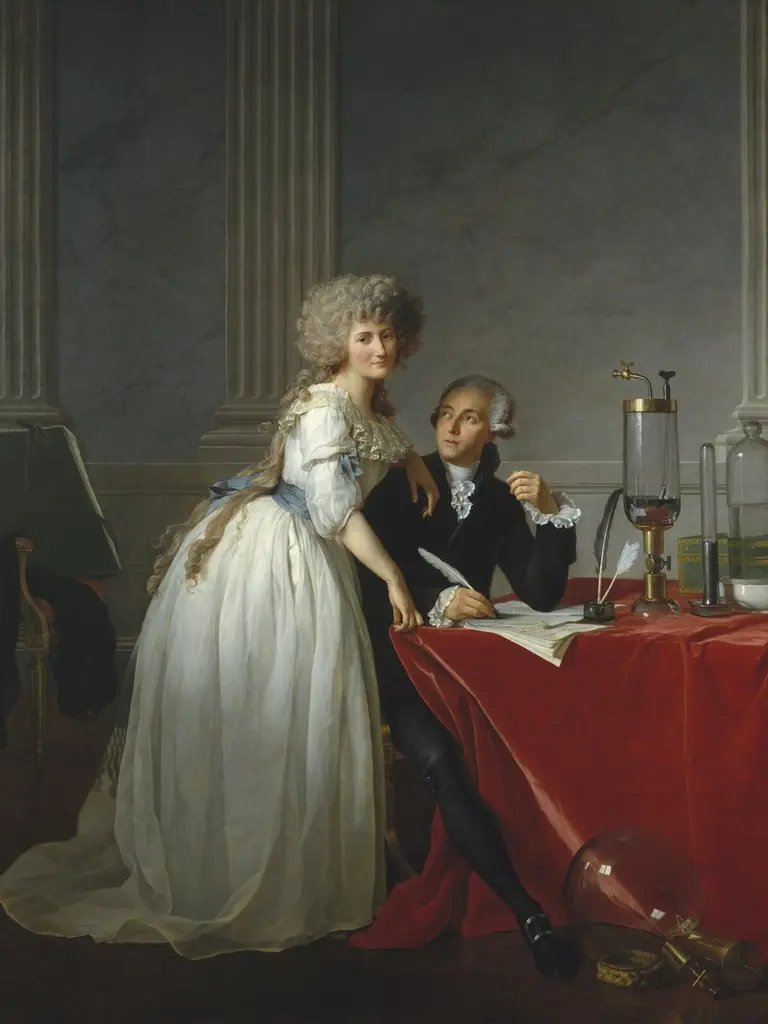 Portrait of Antoine-Laurent Lavoisier and his wife
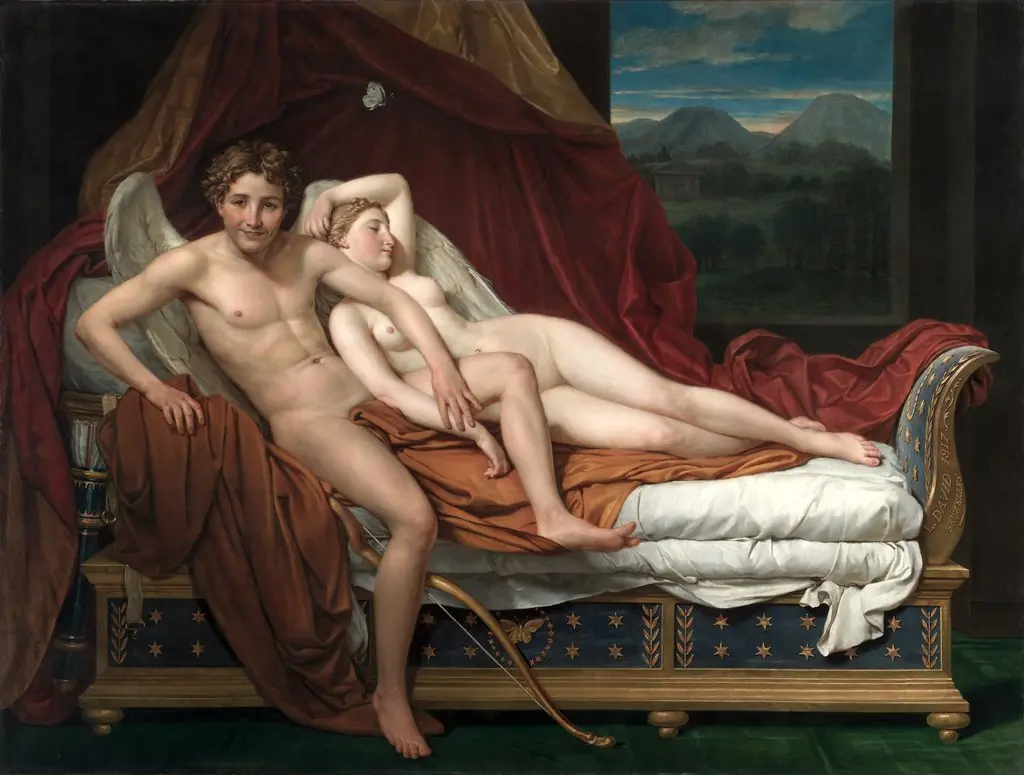 Cupid and Psyche
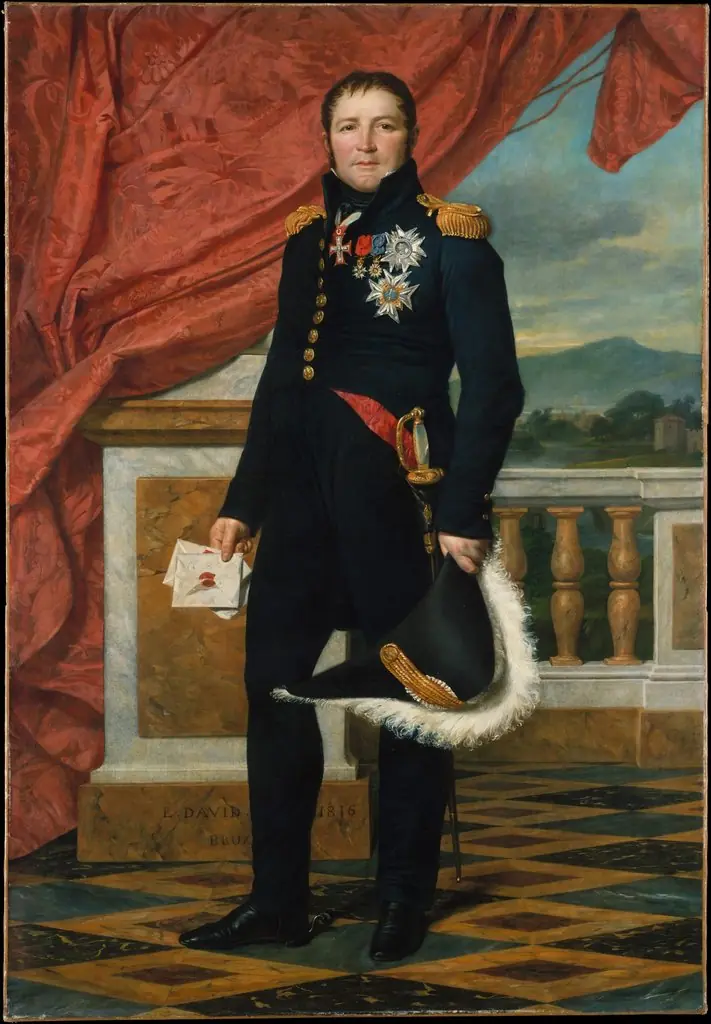 General Étienne-Maurice Gérard (1773–1852), Marshal of France
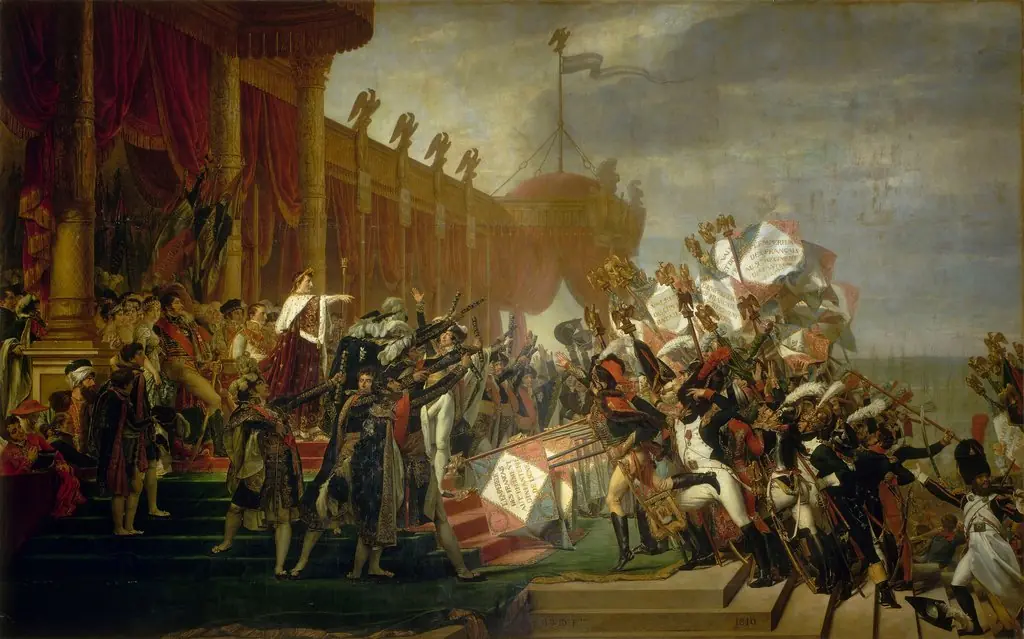 The Distribution of the Eagle Standards
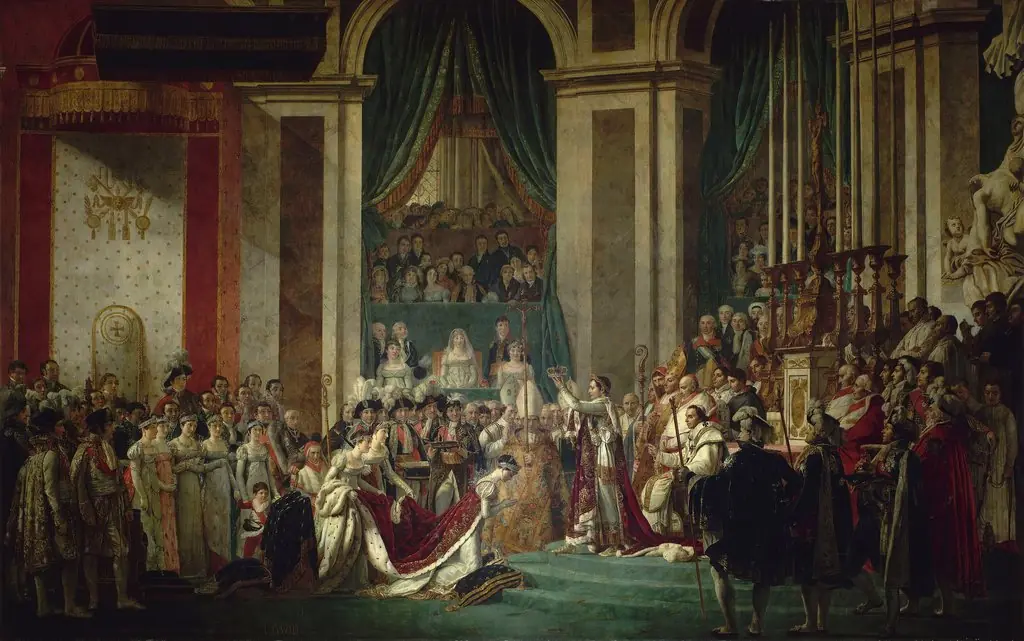 Coronation of Emperor Napoleon I and Coronation of the Empress Josephine
- Classical Head in Profile
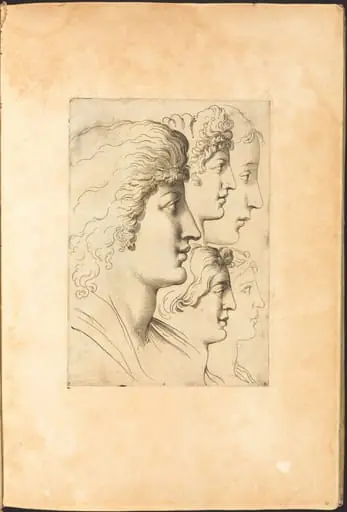 Print from Drawing Book
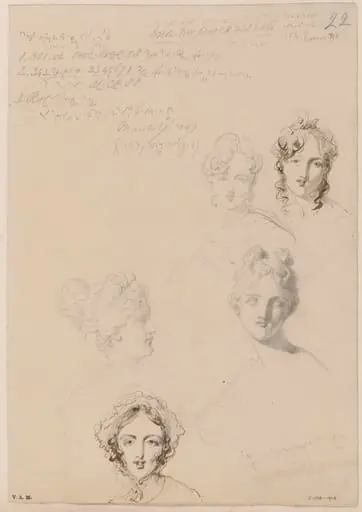 Five drawings of female heads
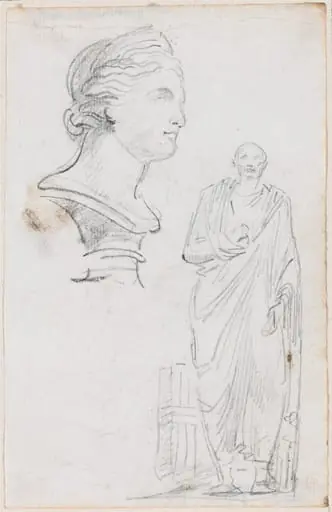 Bust of a Roman Woman and Statue of a Roman Man
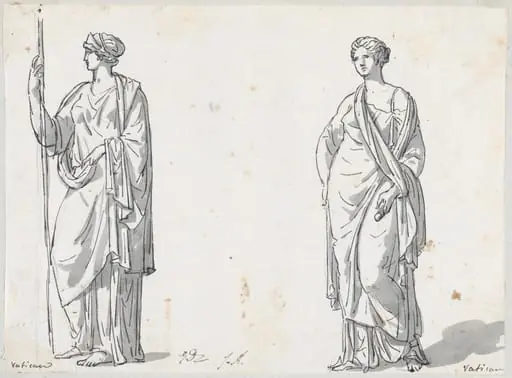 Hera and Ceres, from the Vatican
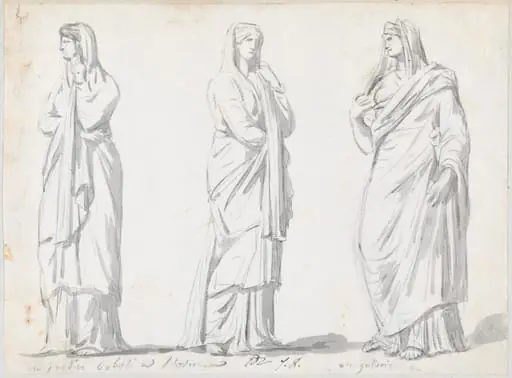 Three Draped Women from the Boboli Gardens and the Uffizi
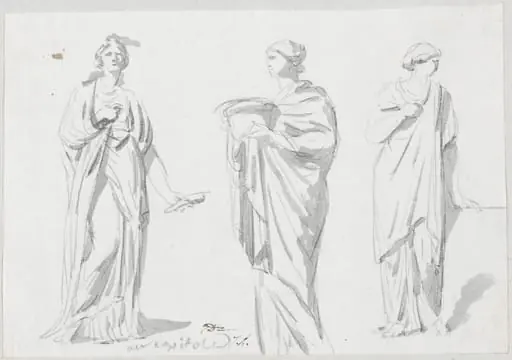 A Muse and Two Female Figures
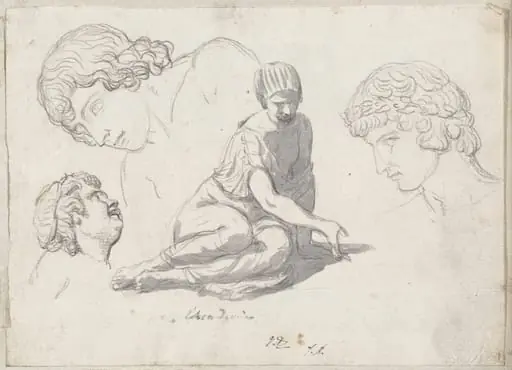 Dice-Thrower and Other Studies after Ancient Sculptures
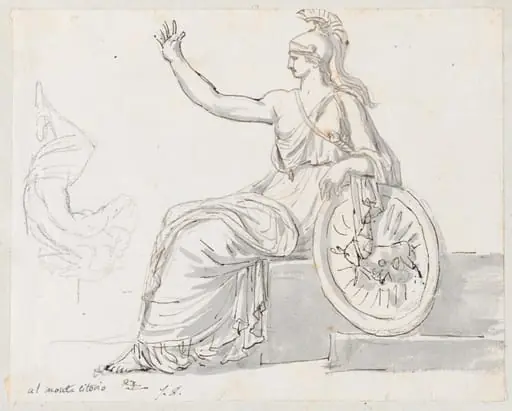 Roma, from the Base of the Antonine Column
 Untitled
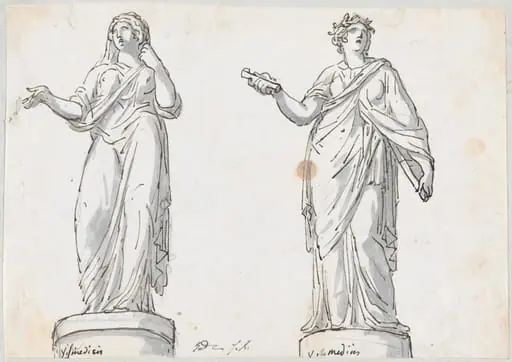 Two Female Figures from the Villa Medici
 Print from Drawing Book