Artwork
Carlos y Ubaldo en las islas Afortunadas
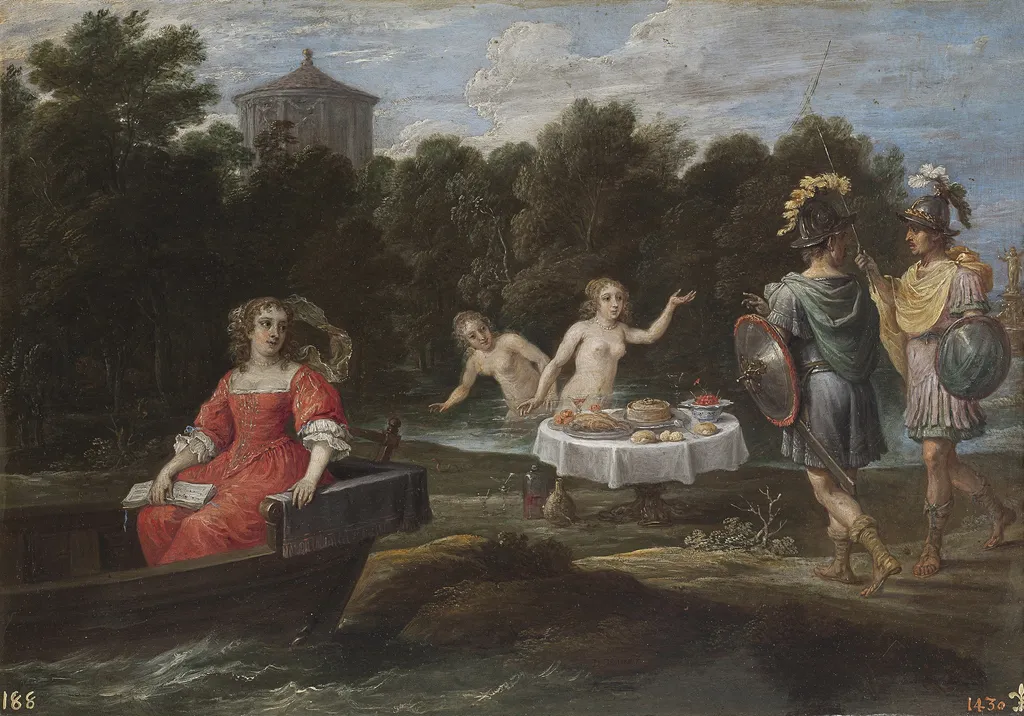
Carlos y Ubaldo en las islas Afortunadas is an oil painting by the Flemish Baroque painting artist David Teniers the Younger. It dates from 1628 and is held in the collection of the Museo del Prado.
About this work
Subject & Meaning
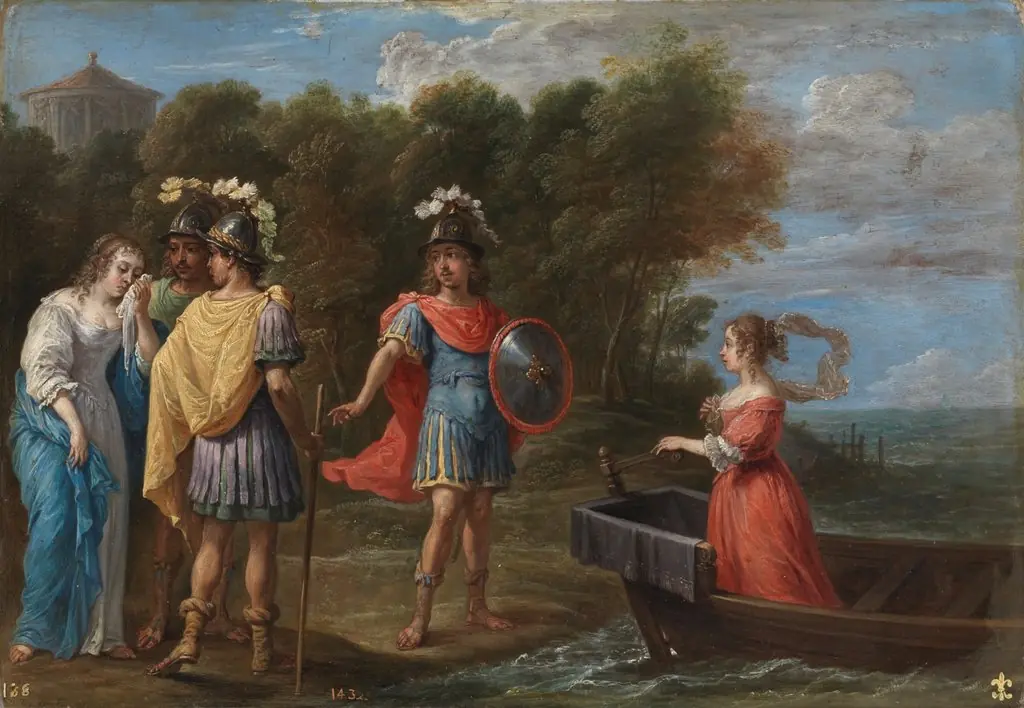
The painting depicts the literary scene of Carlo and Ubaldo in the Fortunate Islands, a narrative drawn from Torquato Tasso's epic poem Jerusalem Delivered.
The painting depicts the literary scene of Carlo and Ubaldo in the Fortunate Islands, a narrative drawn from Torquato Tasso's epic poem Jerusalem Delivered. The composition illustrates the two knights encountering the temptations of the islands, a pivotal moment where they must resist distraction to fulfill their mission. Visual symbolism is conveyed through specific attributes held or worn by the figures, including combat helmets, shields, and swords that denote their martial identity.
These objects of war are juxtaposed with items representing indulgence and knowledge, such as a bottle and a book, highlighting the thematic conflict between duty and pleasure central to the story.
Technique & Style
Carlos y Ubaldo en las islas Afortunadas is executed in oil paint, with the support and gilding incorporating copper leaf alongside the painted medium. The composition is rendered on a small-scale support measuring 27 cm in height by 39 cm in width, a compact format consistent with cabinet pictures intended for close viewing.
The painted surface depicts the literary figures Ubaldo and Carlo together with attributes of combat, a helmet, shield, and sword, alongside a bottle and a book, drawn from the narrative of Jerusalem Delivered. The handling of such small-scale oil-on-copper works by Teniers typically allows for tightly controlled brushwork and precise detail, though the available records do not specify the work's present condition or any subsequent restoration history.
History & Provenance
Created by David Teniers the Younger, the painting Carlos y Ubaldo en las islas Afortunadas is dated to 1628 or 1629. Executed in oil paint on a support featuring copper leaf, the work depicts characters from the narrative Jerusalem Delivered. The piece entered the Spanish royal collection through a documented chain of ownership that included Philip V, Elisabeth Farnese, Charles III, and Ferdinand VII.
It is currently held by the Museo del Prado, with records indicating it has been located at the Royal Palace of Aranjuez and the Royal Palace of La Granja de San Ildefonso.
The painting is held in the collection of the Museo del Prado. Its recorded locations within the royal sphere include the Royal Palace of Aranjuez and the Royal Palace of La Granja de San Ildefonso. Historically, the work was owned by a succession of Spanish monarchs, including Philip V, Elisabeth Farnese, Charles III, and Ferdinand VII.
While specific inventory or accession numbers are not provided in the available records, the piece is documented as part of the museum's holdings. The sources do not list any specific public exhibitions for this work.
Overview
David Teniers the Younger completed Carlos y Ubaldo en las islas Afortunadas, an oil painting, in 1628. This work depicts a complex narrative scene set within a lush landscape, featuring several figures, including the titular characters. The painting is part of the collection at the Museo del Prado, where it is preserved as an example of early 17th-century Flemish art. Its detailed composition combines elements of realism with fantastical undertones.
Own this work as a print
Artist & collection
Artist
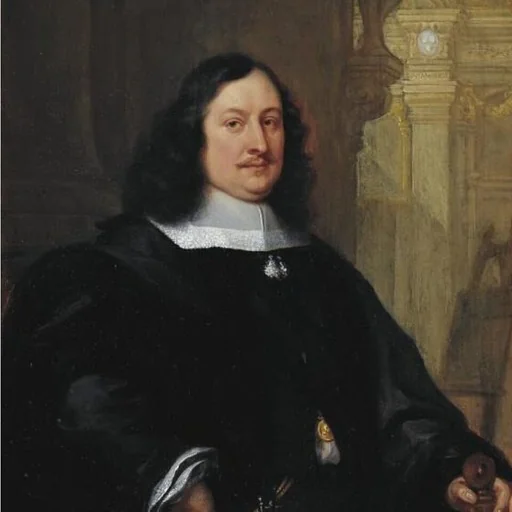
David Teniers the Younger or David Teniers II was a Flemish Baroque painter, printmaker, and artist.

- Armida and Rinaldo
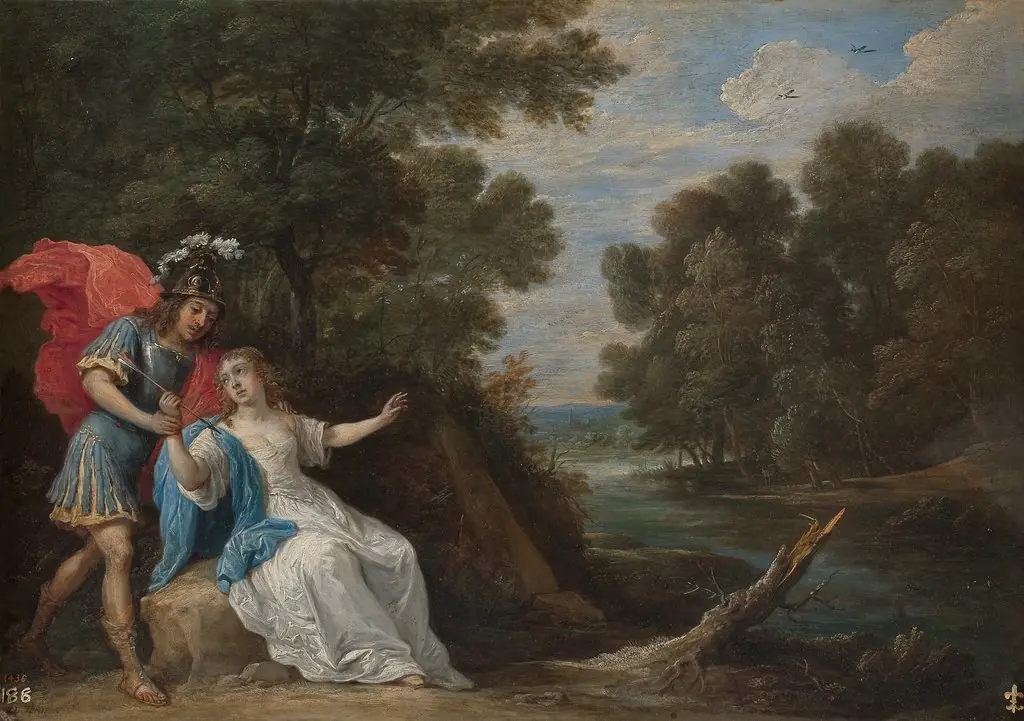 Reconciliación de Reinaldo y Armida
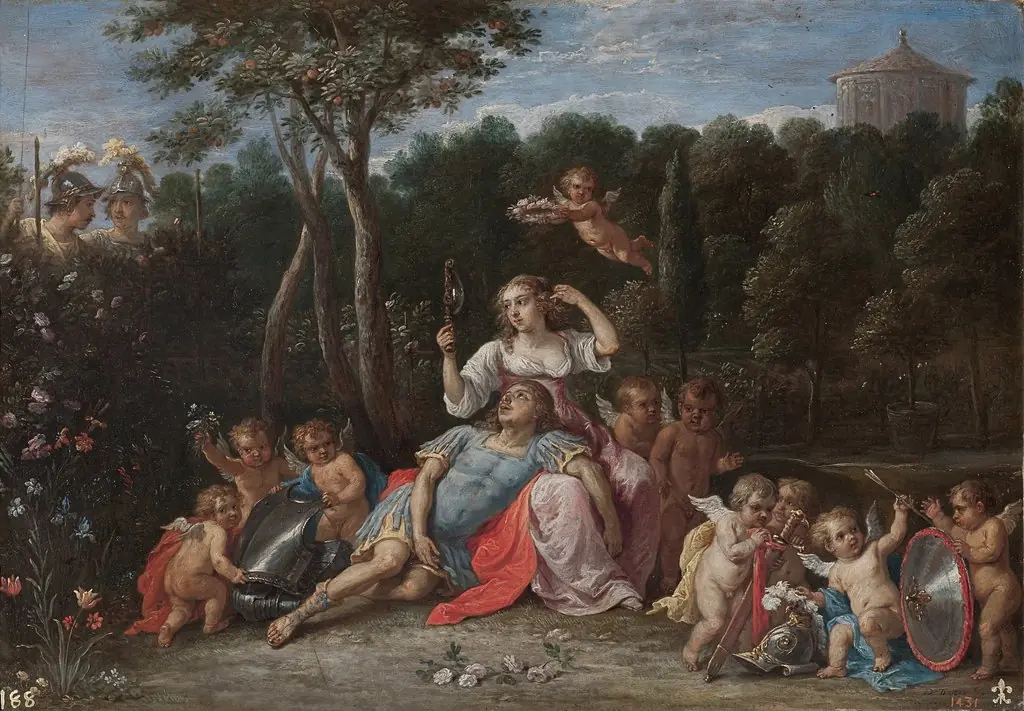 El jardín de Armida
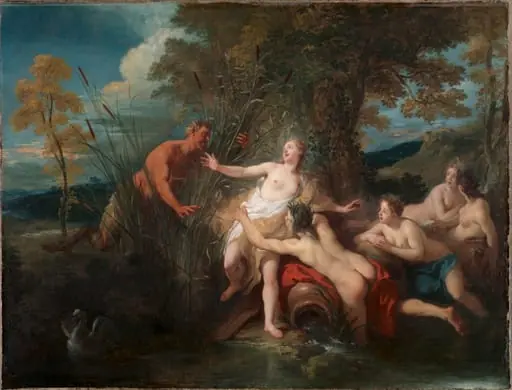 Pan and Syrinx
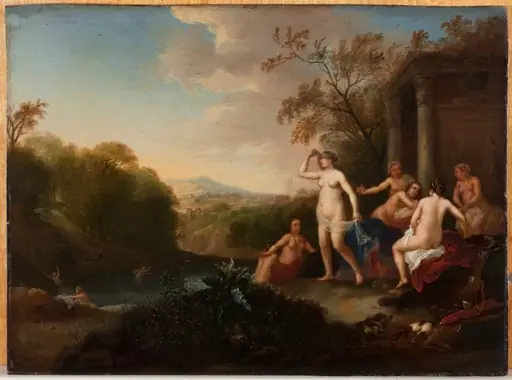 Diana und Aktäon
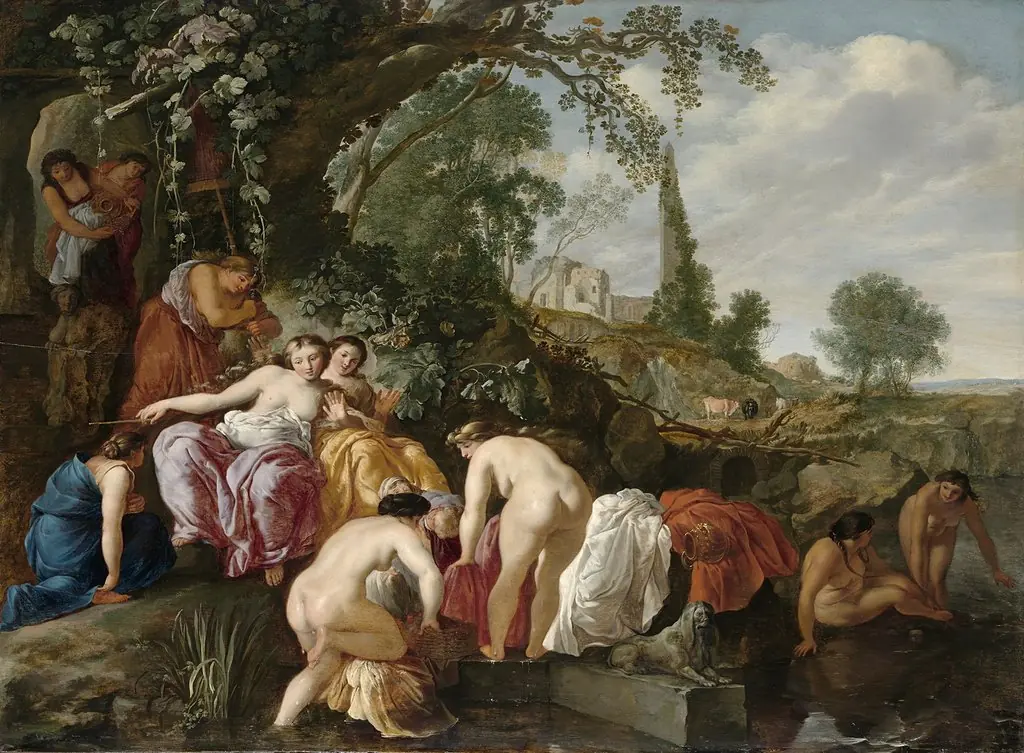 The Finding of Moses
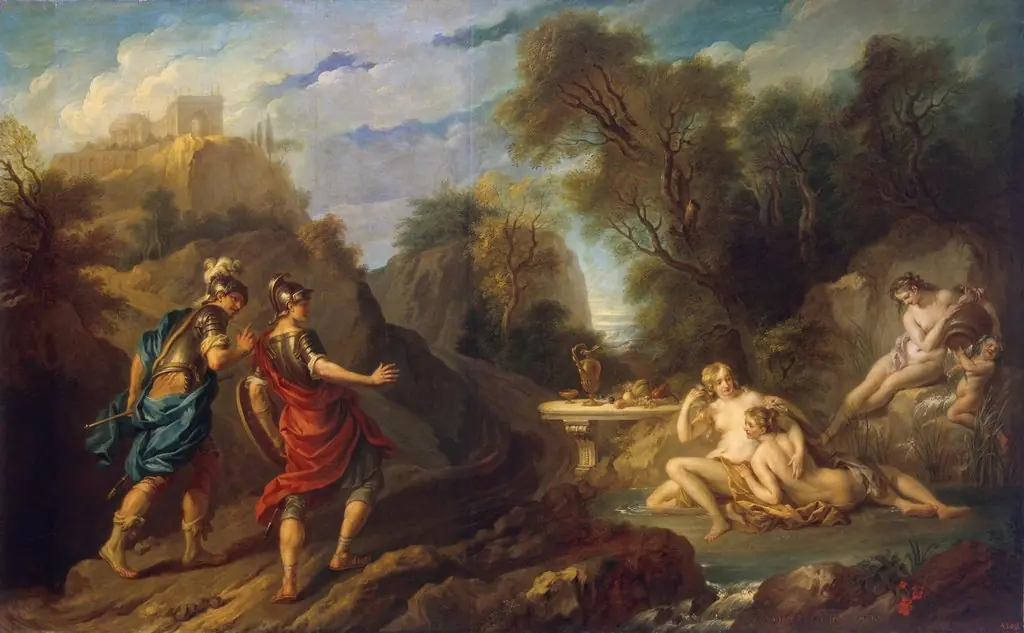 Messengers of Godfrey of Bouillon in Gardens of Armida
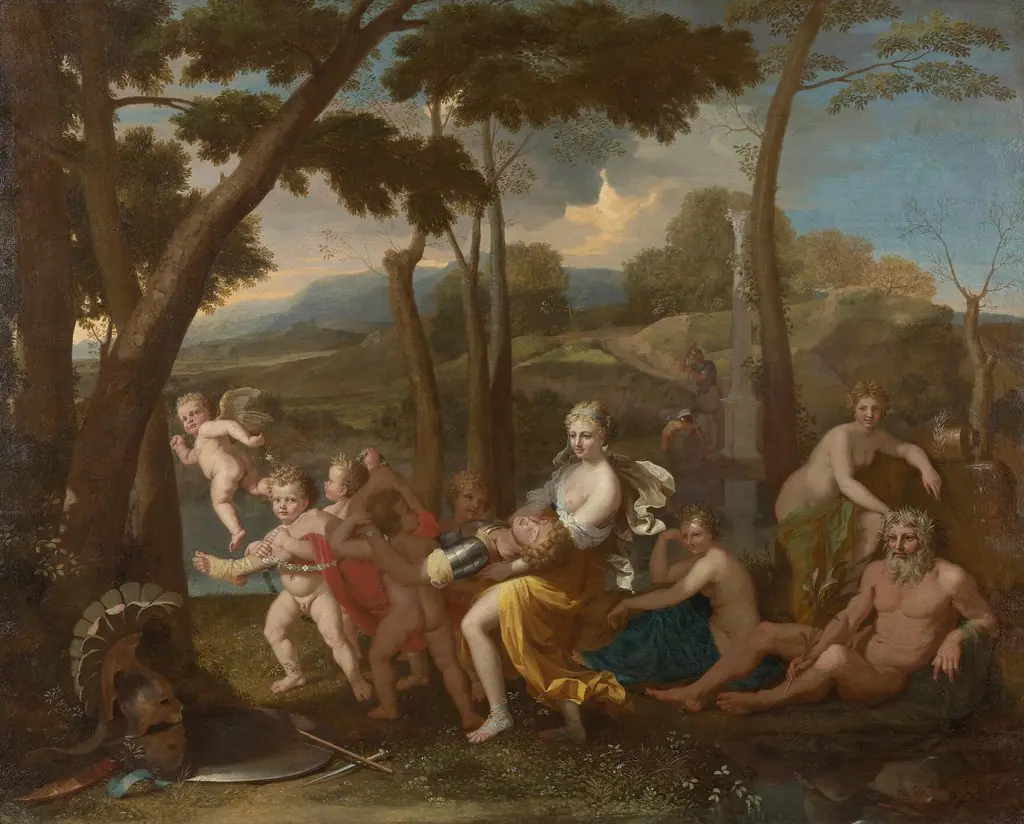 The Abduction of the Euthanized Rinaldo
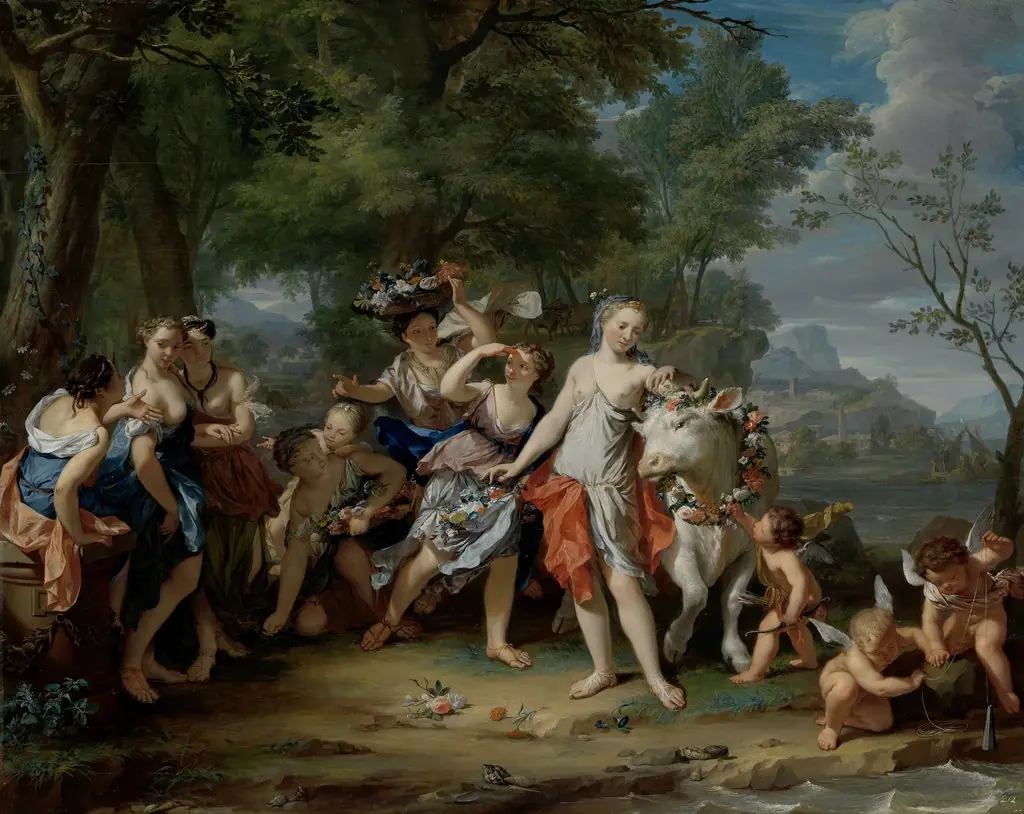 The Rape of Europa
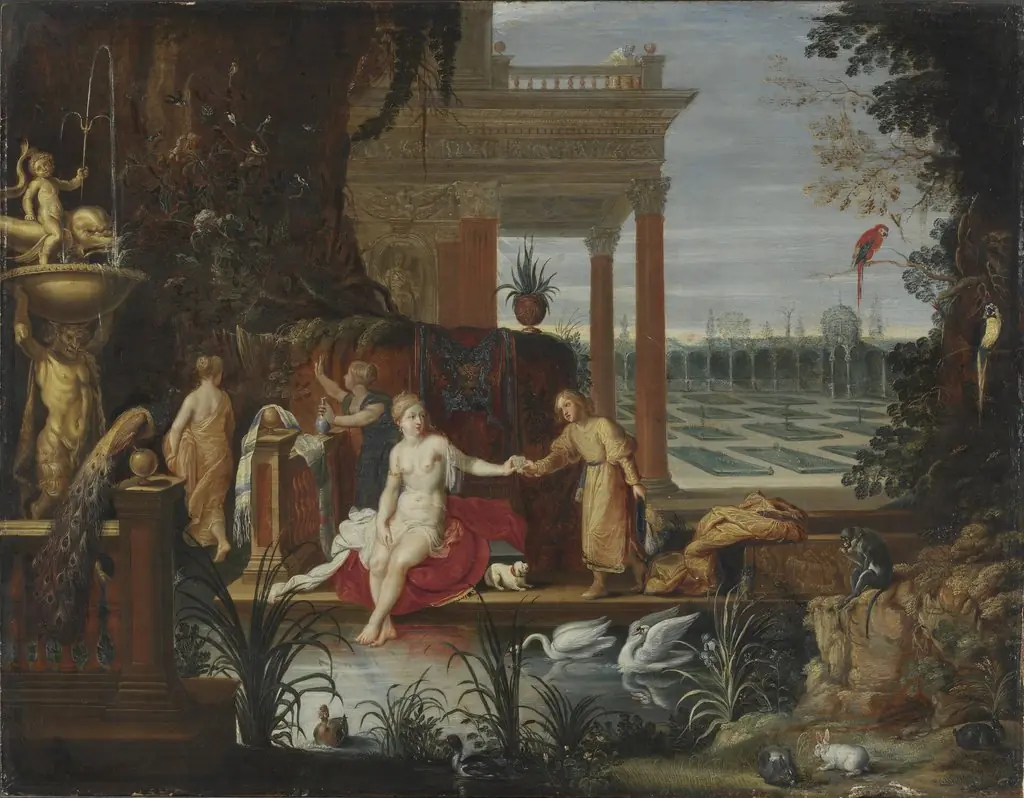 Bathseba in the Bath Receiving the Letter from King David
 Bacchus and Ariadne on the Island of Naxos
 Diana and her Nymphs