Artwork
Daniel in the Lions' Den
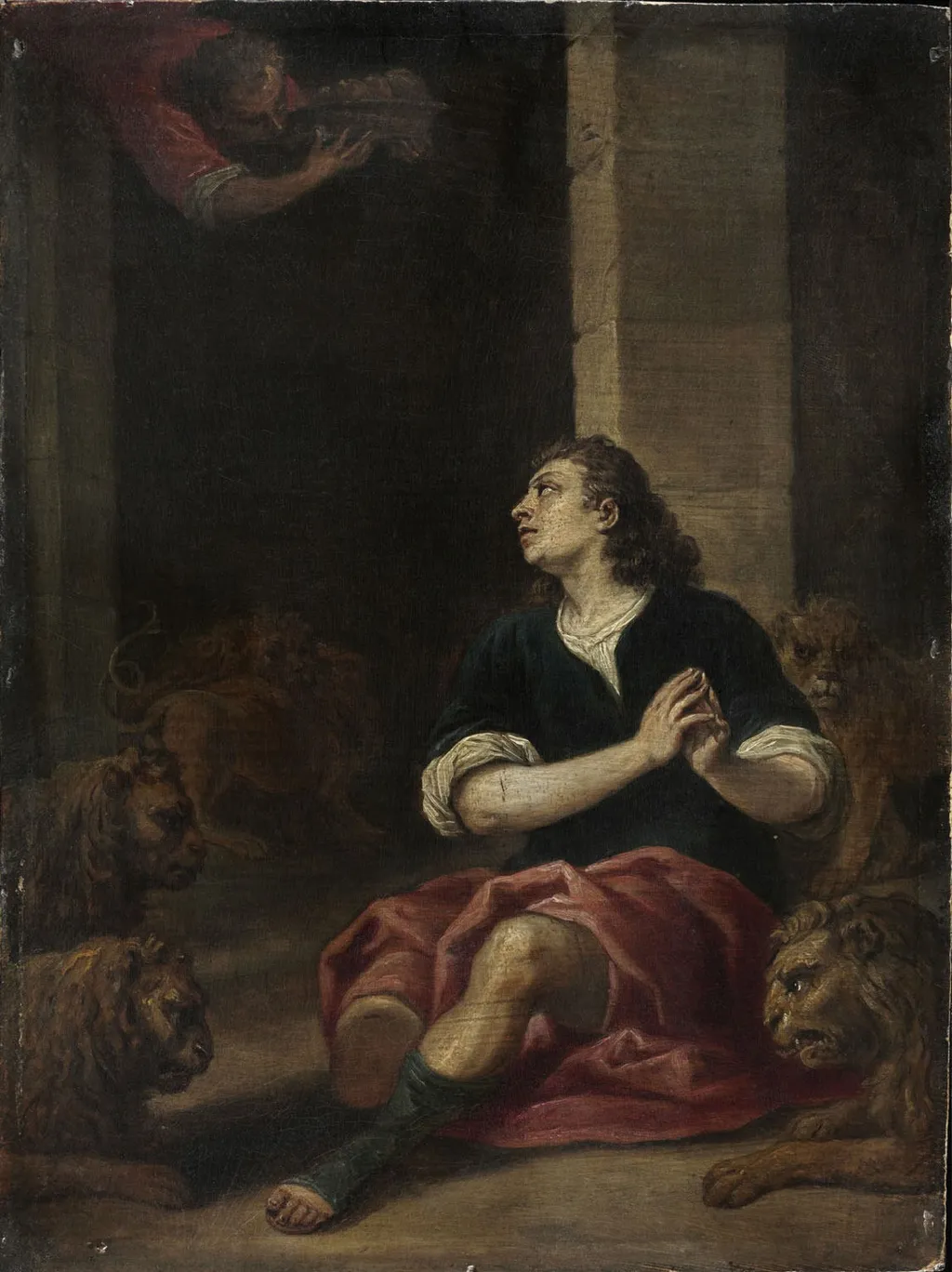
Daniel in the Lions' Den is an oil painting by the Flemish Baroque painting artist David Teniers the Younger. It dates from 1655 and is held in the collection of the Philadelphia Museum of Art.
About this work
Overview
Painted in 1655 by David Teniers the Younger, this oil on canvas work illustrates the biblical story of Daniel in the lions' den.
Painted in 1655 by David Teniers the Younger, this oil on canvas work illustrates the biblical story of Daniel in the lions' den. The scene is rendered with quiet intensity, focusing on Daniel’s stillness amid the presence of three composed lions. The painting resides in the Philadelphia Museum of Art, where it stands as an example of 17th-century Flemish religious narrative painting, distinguished by its restrained drama and atmospheric lighting.
Subject & Meaning
The painting captures Daniel at the moment of divine protection, as described in the Book of Daniel. Rather than depicting violence or fear, Teniers emphasizes serenity and faith. Daniel sits calmly, hands clasped in prayer, while the lions, though formidable, lie motionless, suggesting divine restraint.
The figure above, partially visible, may represent an angel or divine presence, reinforcing the theme of providential intervention.
Technique & Style
Teniers employs chiaroscuro to model form and direct attention, using a narrow shaft of light to illuminate Daniel and the lions against a deep, shadowy background. The lions’ fur is rendered with subtle texture, and their stillness contrasts with the implied tension of the setting. The composition is tightly focused, minimizing distraction and heightening the psychological weight of the moment through controlled lighting and spatial economy.
History & Provenance
Created during Teniers’s mature period in Antwerp, the painting entered the Philadelphia Museum of Art’s collection in the early 20th century. Its provenance traces through private European collections, though specific ownership records before the 1900s remain incomplete. It has been consistently attributed to Teniers since its acquisition, with no significant scholarly dispute over authorship or date.
Context
In mid-17th-century Flanders, religious subjects remained popular despite the Protestant Reformation’s influence. Teniers, known for genre scenes, occasionally turned to biblical themes for patrons seeking moral or devotional imagery. This work reflects a broader trend of humanizing sacred narratives, emphasizing inner resolve over spectacle, aligning with Counter-Reformation ideals of quiet piety.
Legacy
While not among Teniers’s most widely reproduced works, the painting exemplifies his skill in conveying emotional depth through understatement. It contributes to the understanding of how Flemish artists adapted biblical stories for intimate, contemplative viewing. Its preservation in a major American museum ensures continued study of Northern European religious painting beyond grand altarpieces.
Artist & collection
Artist
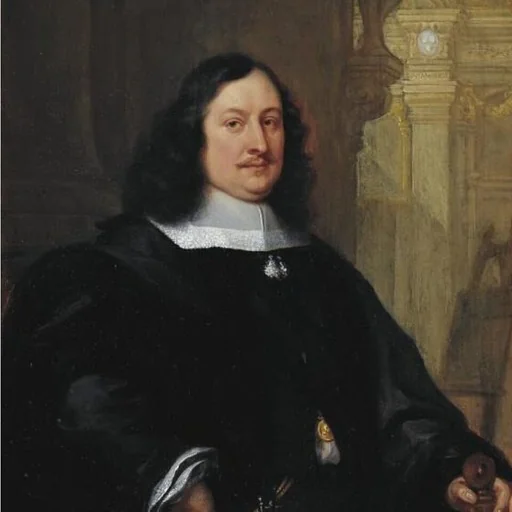
David Teniers the Younger or David Teniers II was a Flemish Baroque painter, printmaker, and artist.

 Saint John the Baptist
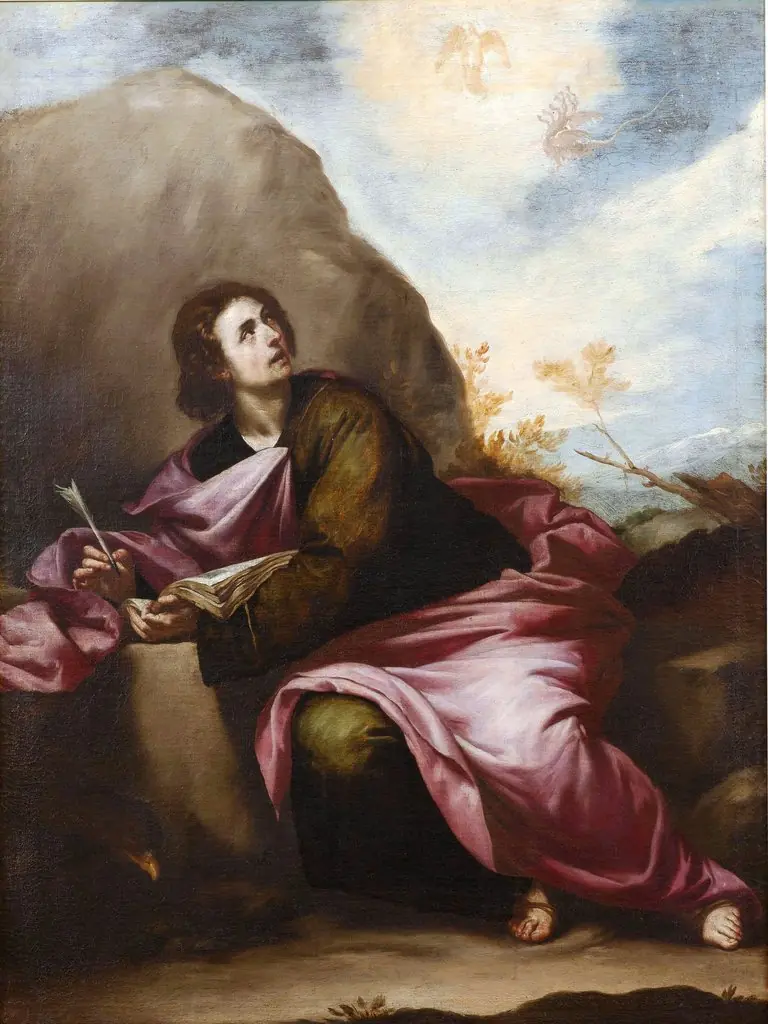 Saint John the Evangelist in Patmos
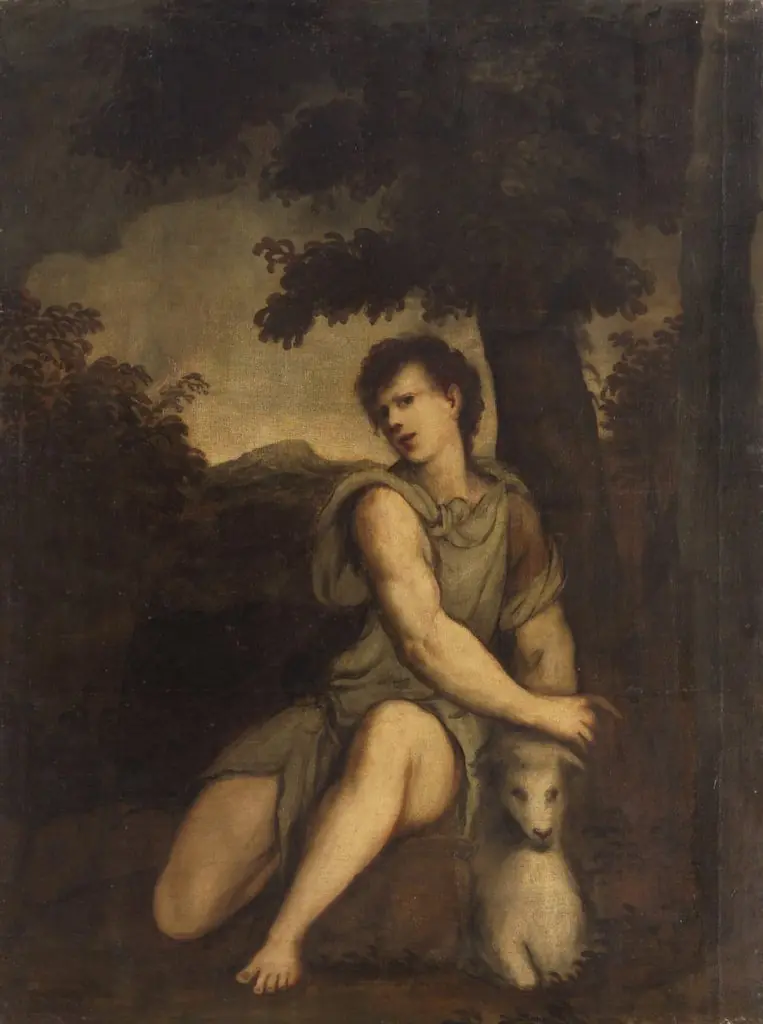 Der junge Abel
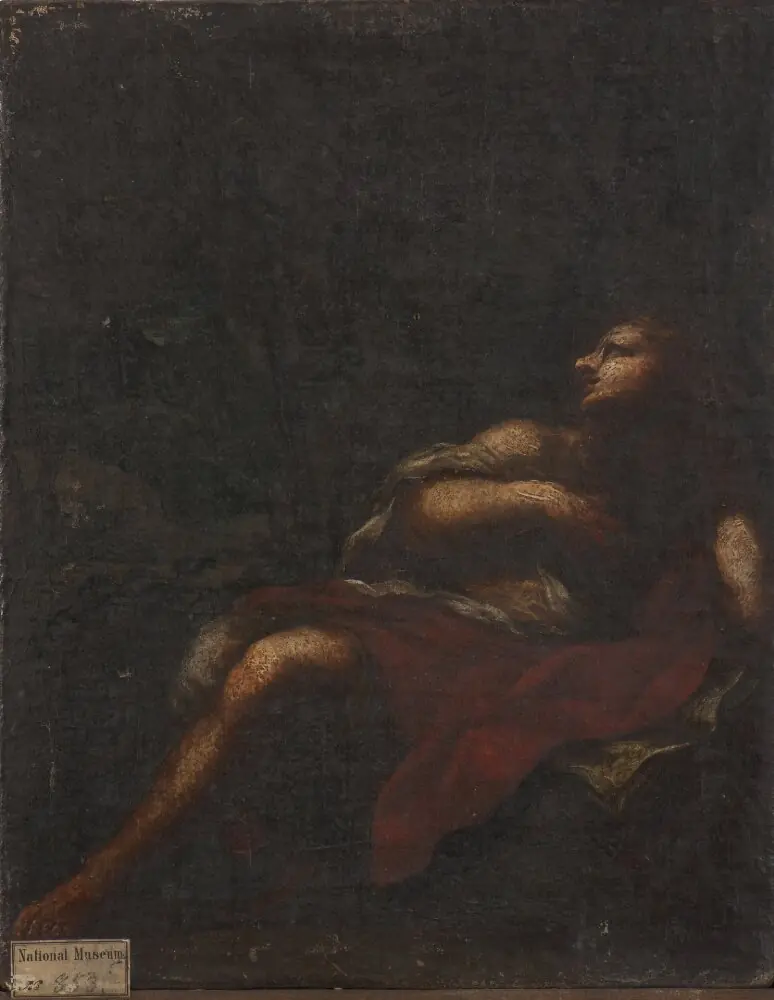 St Mary Magdalen
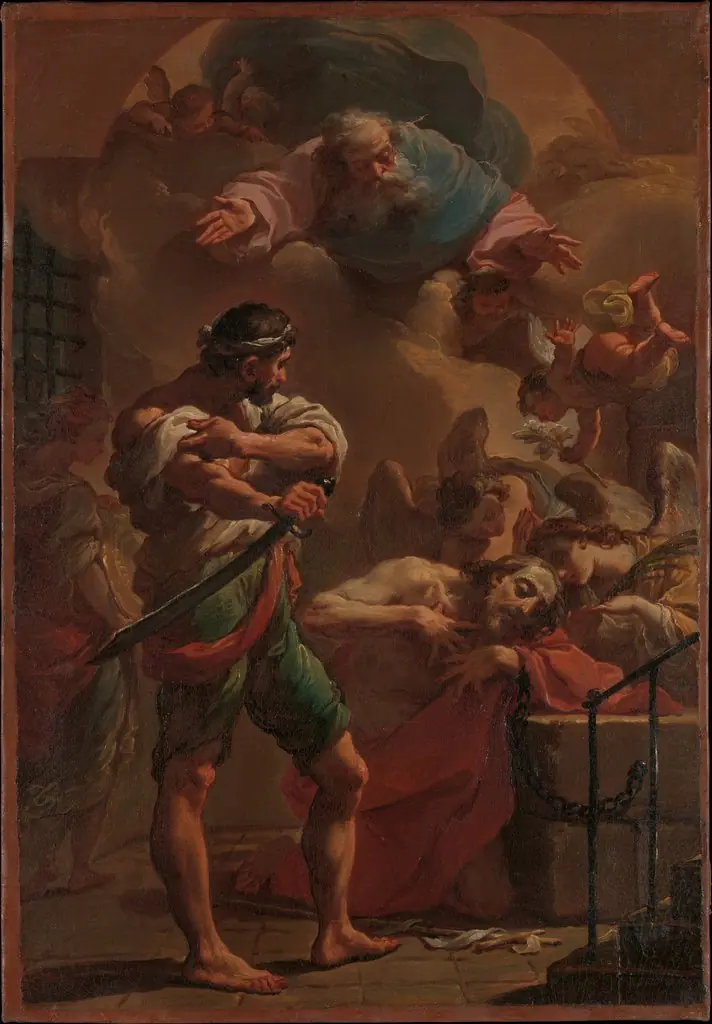 The Execution of Saint John the Baptist
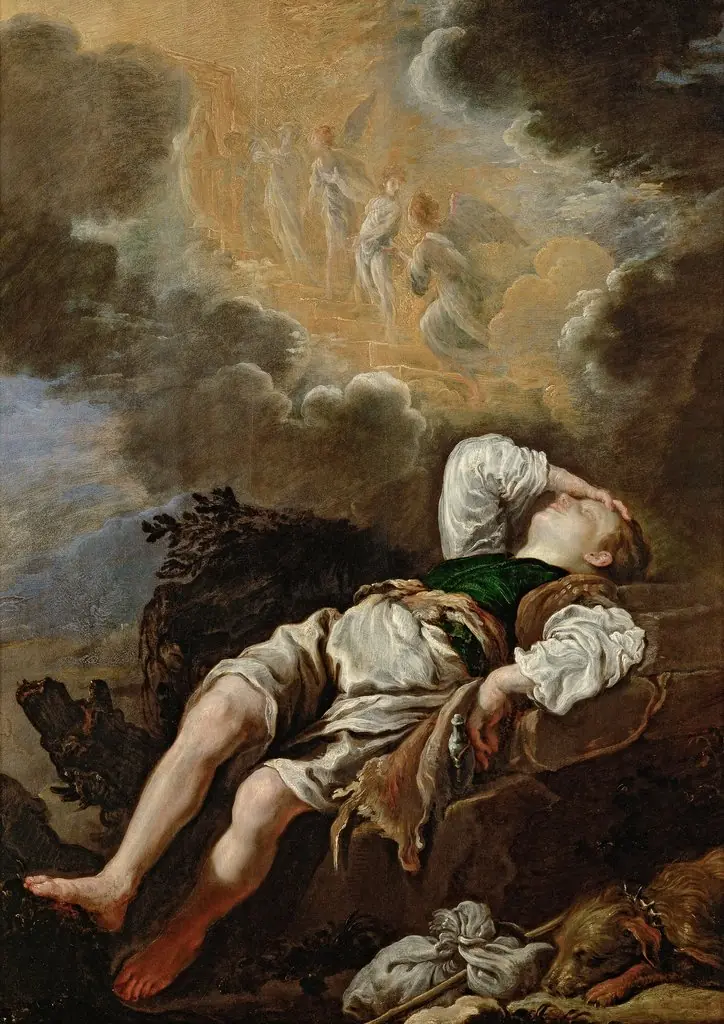 Jacob's dream of the ladder to heaven
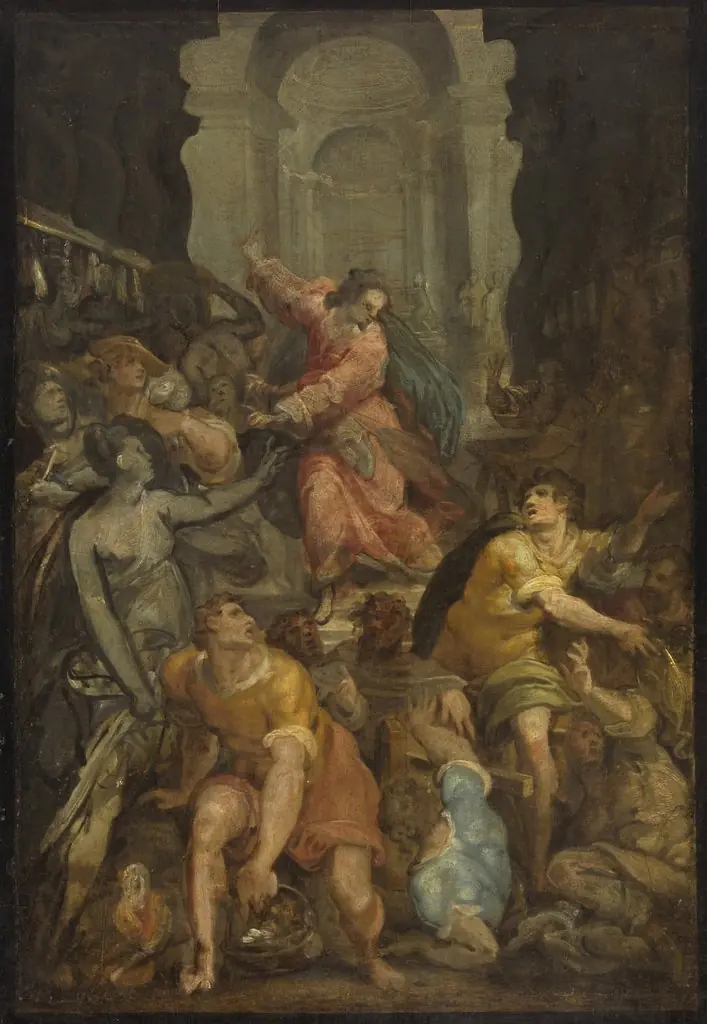 Christus vertreibt die Händler aus dem Tempel (?)
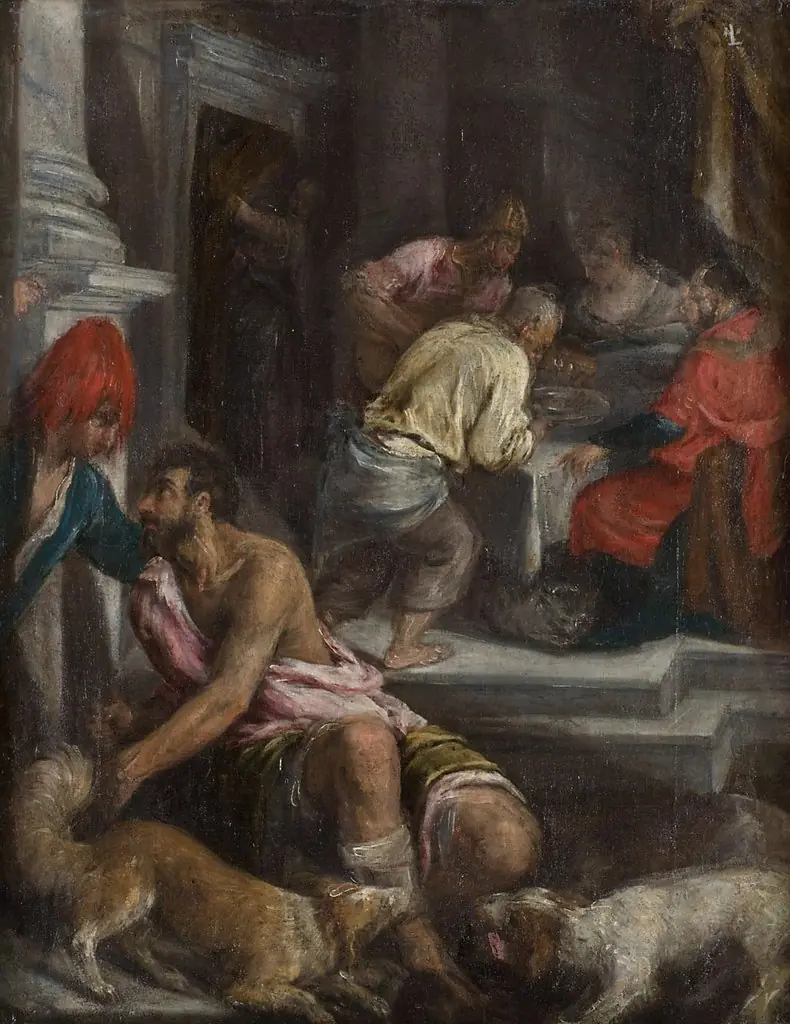 The parable of the rich man and poor Lazarus
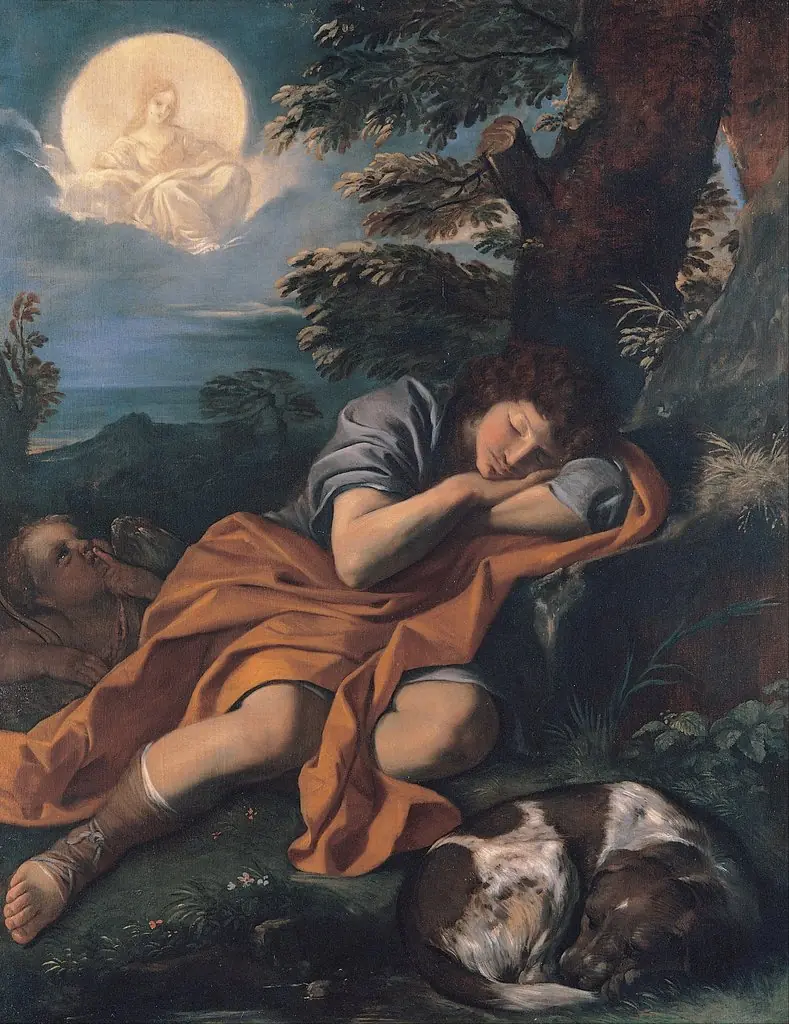 Diane and Endymion
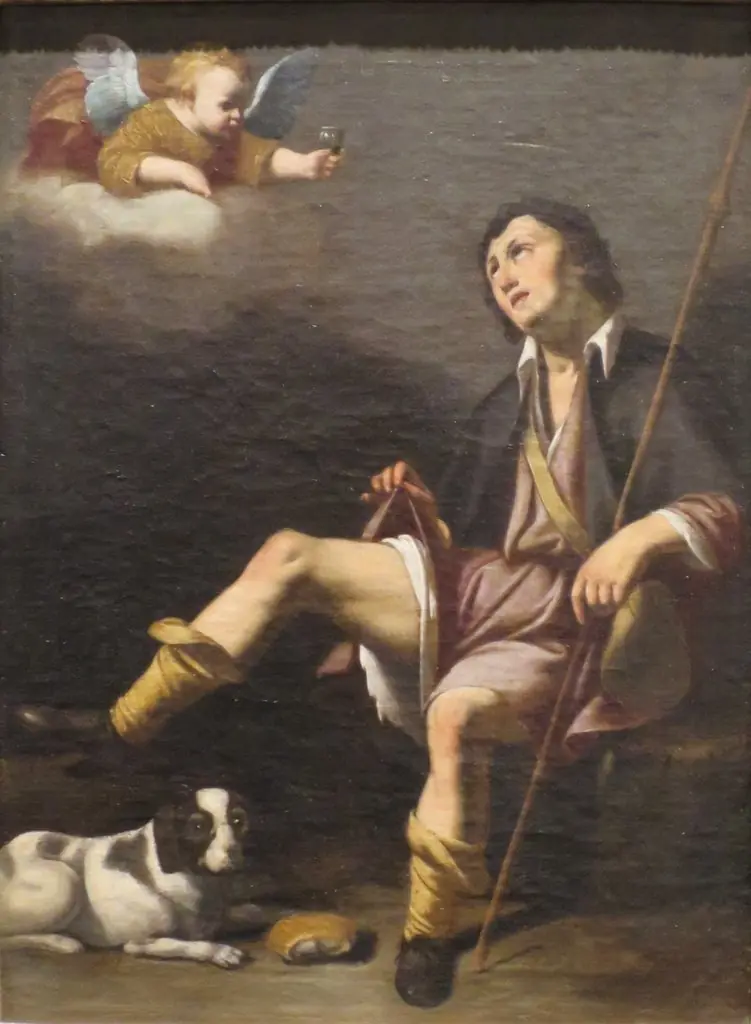 Saint Roch and the Angel
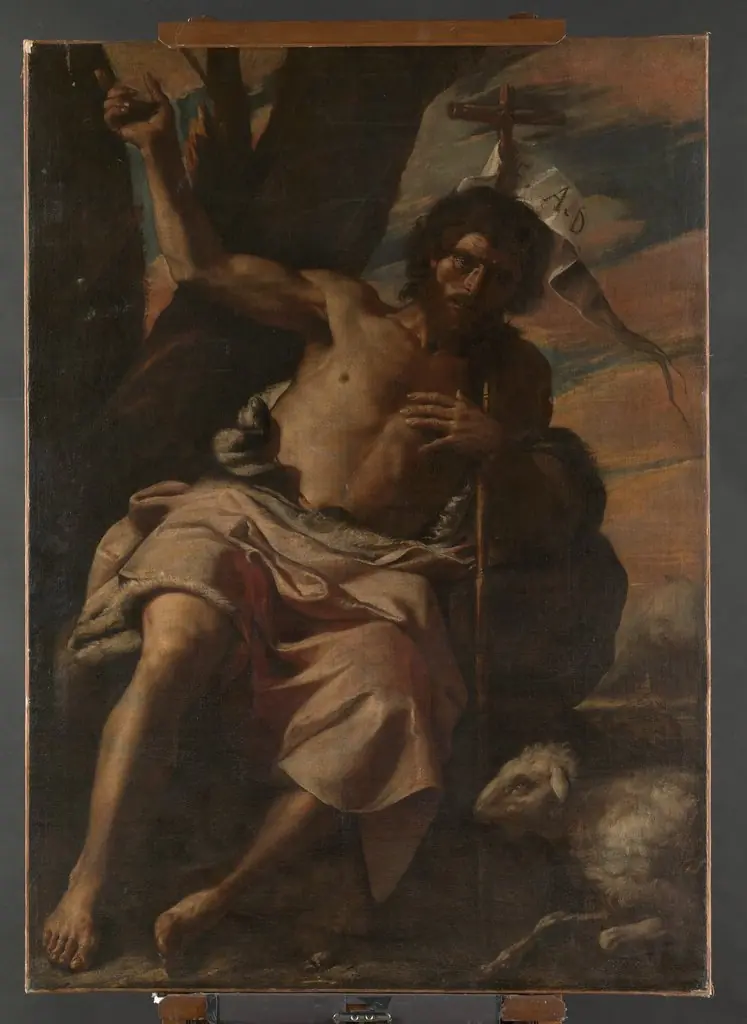 Saint John the Baptist Preaching
- Daniel in the Lion's Den