Artwork
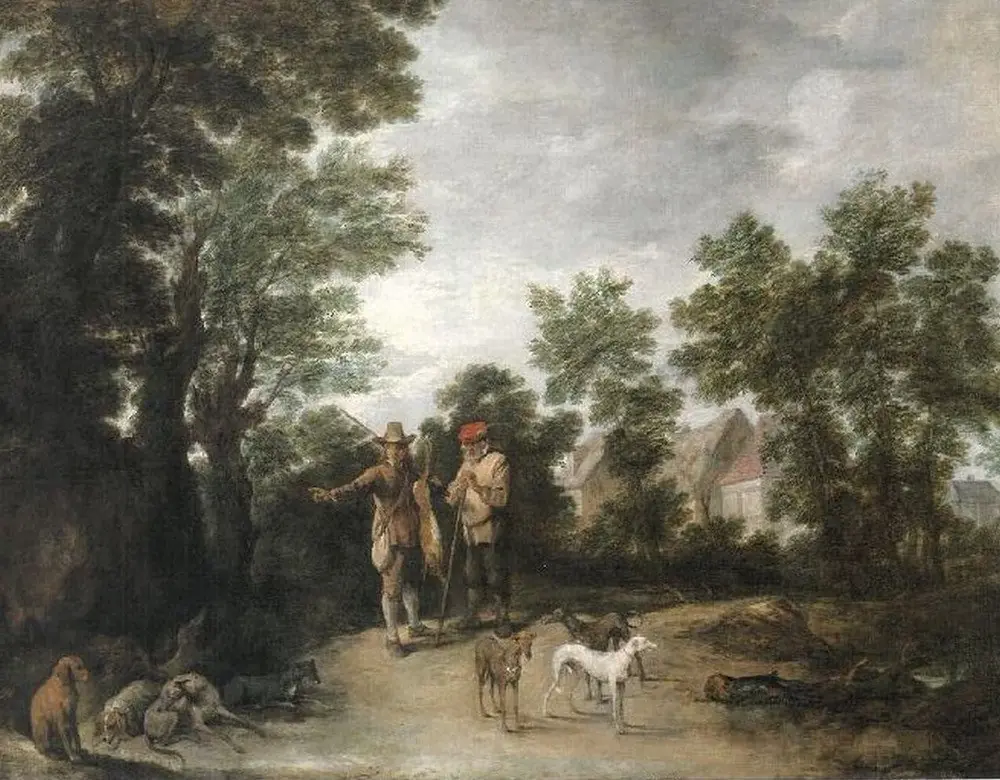
Landscape with Huntsmen and Dogs
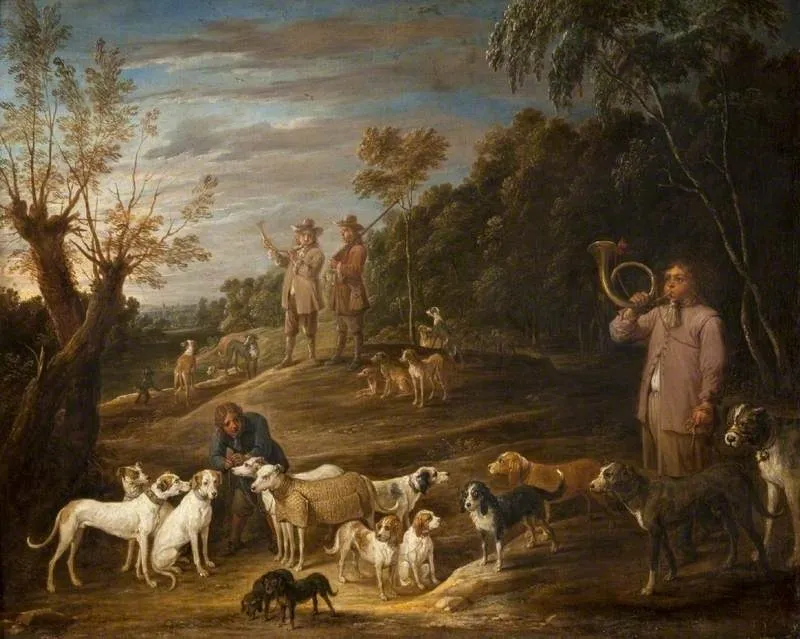
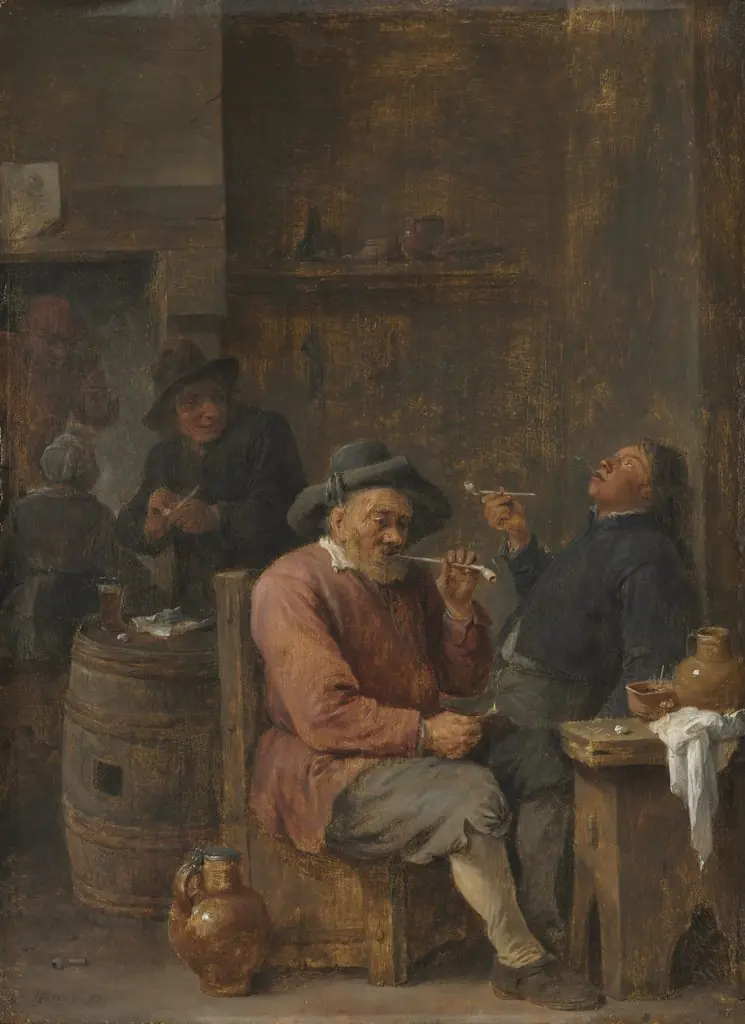
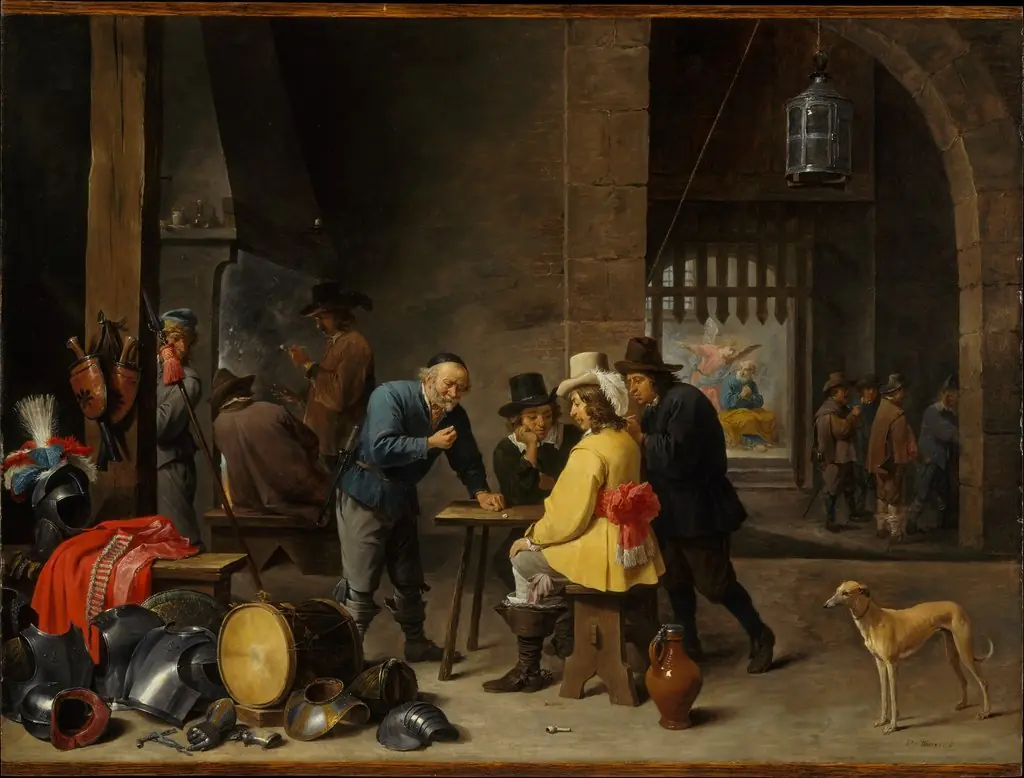
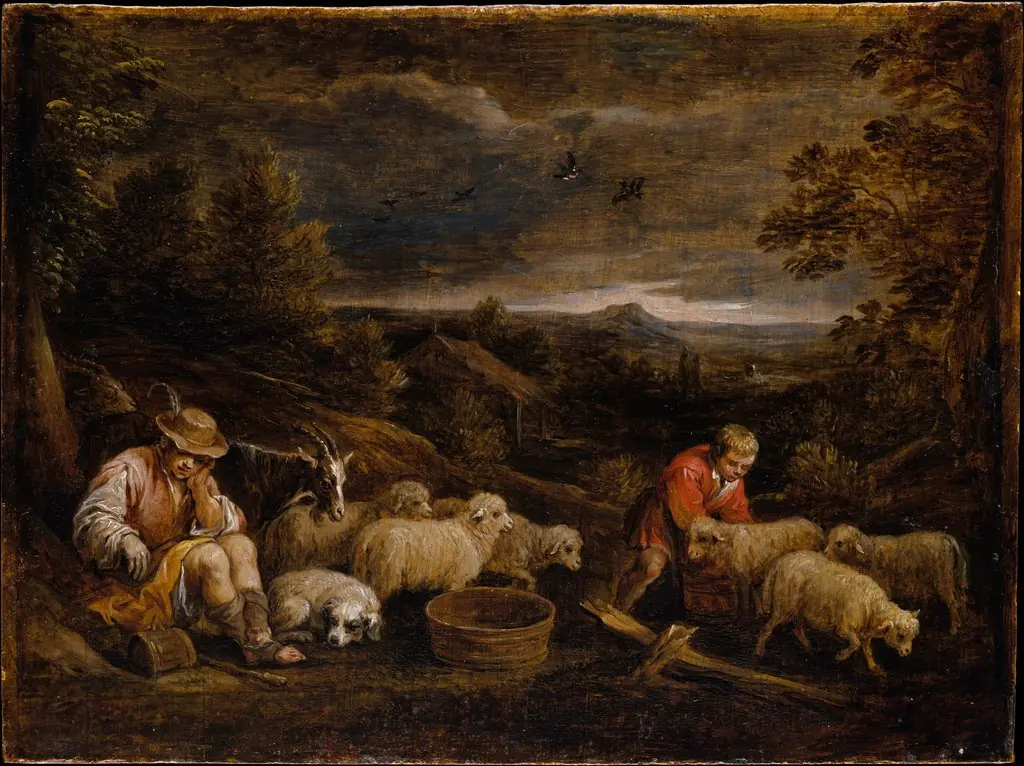
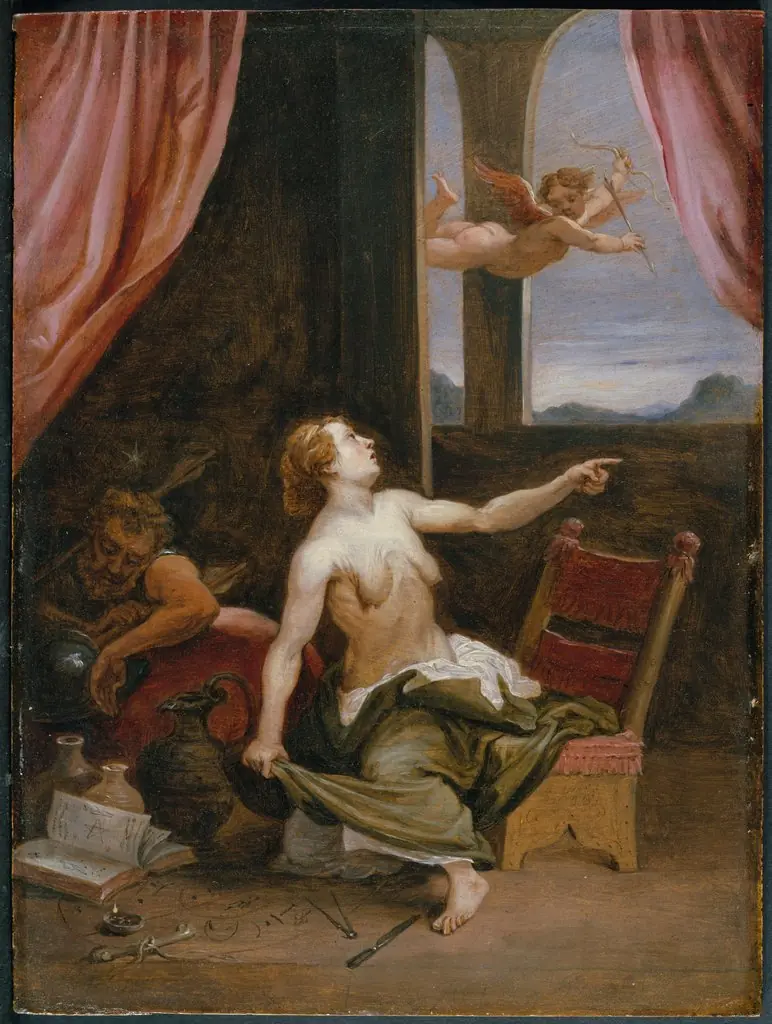
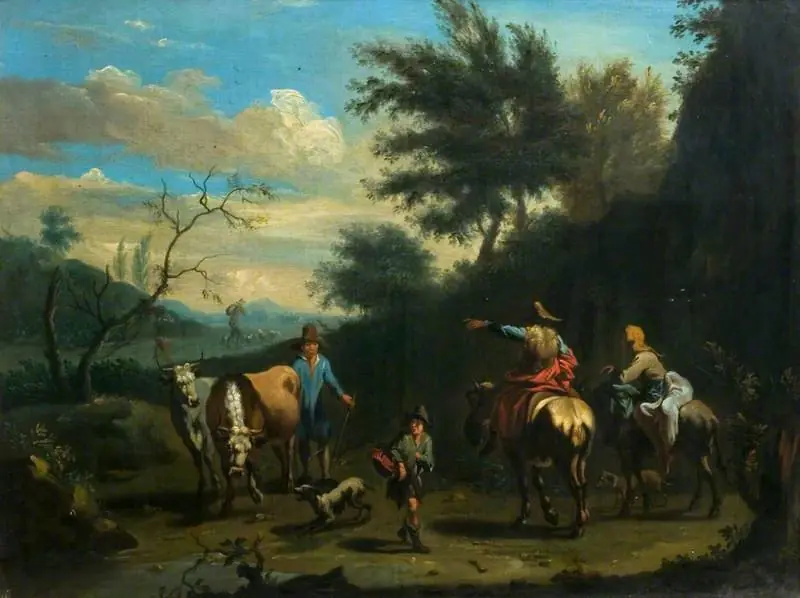
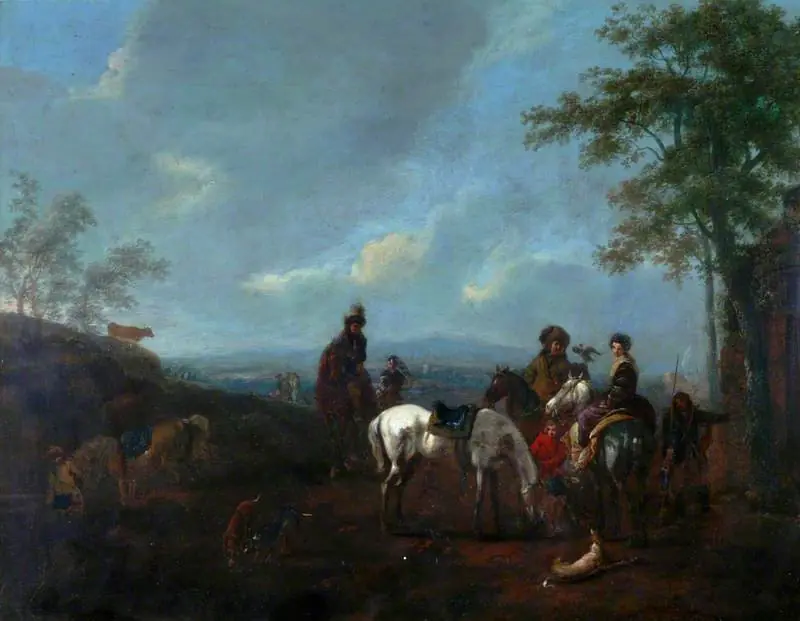
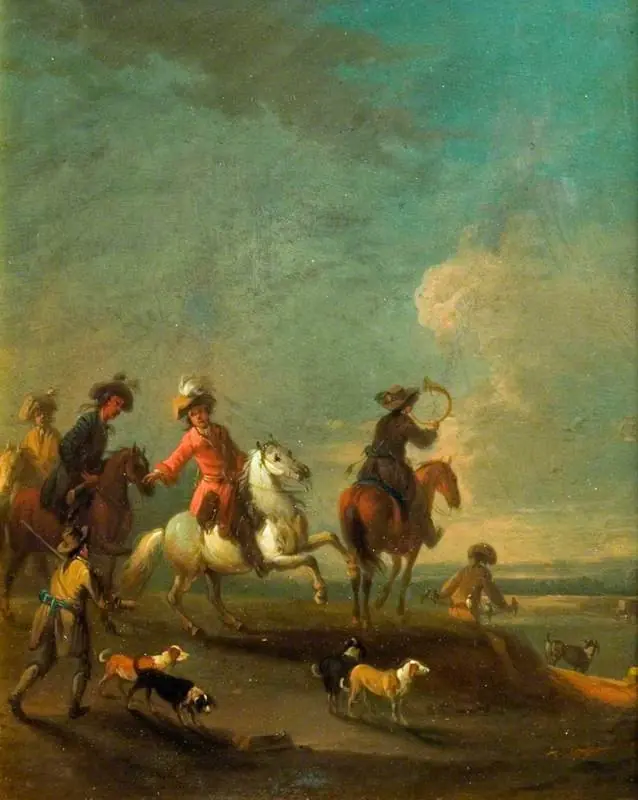
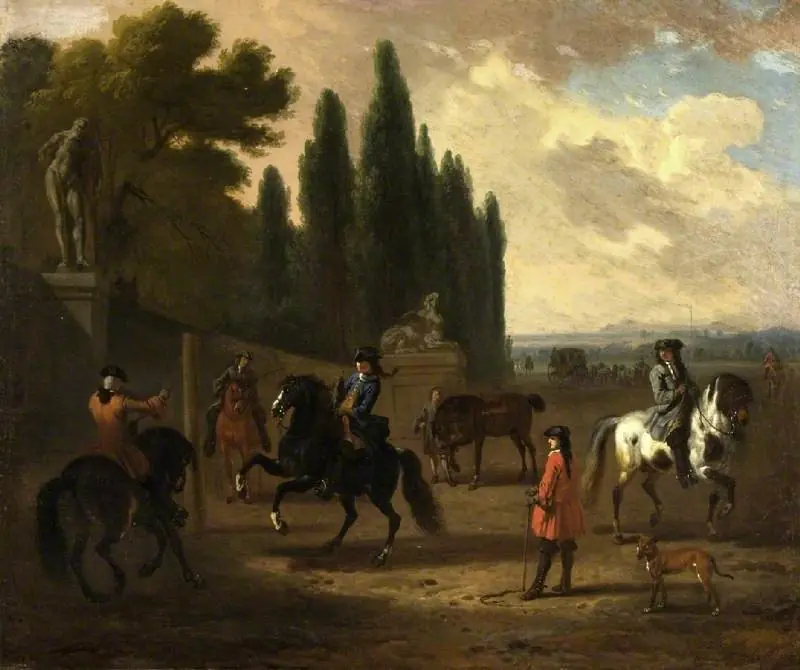
Landscape with Huntsmen and Dogs is an oil painting by the Flemish Baroque painting artist David Teniers the Younger. It dates from 1645 and is held in the collection of the Kelvingrove Art Gallery and Museum.
About this work
Overview
The scene balances human activity with natural stillness, avoiding dramatic action in favor of a contemplative atmosphere.
Painted in 1645 by David Teniers the Younger, this oil-on-canvas work presents a quiet moment within a woodland setting. It belongs to the collection of the Kelvingrove Art Gallery and Museum in Glasgow. The scene balances human activity with natural stillness, avoiding dramatic action in favor of a contemplative atmosphere. The composition draws the viewer into a rural environment where leisure and labor intersect.
Subject & Meaning
The painting portrays a group of huntsmen and their dogs paused during a hunt, suggesting a moment of rest rather than pursuit. Figures are dressed in period clothing, hats, cloaks, and practical footwear, indicating their social role. The white dogs, clustered around their owners, imply loyalty and domestication.
The absence of prey or violence shifts focus from the hunt’s outcome to the companionship and routine of the activity.
Technique & Style
Teniers employs a soft, atmospheric perspective to create depth, with layered trees and a hazy sky receding into the distance. Brushwork is precise yet unobtrusive, capturing textures of fur, fabric, and bark without overt detail. Light filters gently through the canopy, casting subtle shadows that ground the figures in their environment. The palette is muted, dominated by earth tones and pale grays, reinforcing the scene’s calm tone.
History & Provenance
The painting entered the Kelvingrove collection in the early 20th century, likely through a private acquisition or donation. Its documented history before that is limited, though it aligns with Teniers’s known output from his Antwerp period. As a prolific genre painter, Teniers often depicted rural life, and this work fits within a broader series of hunting scenes he produced in the 1640s, reflecting contemporary Flemish tastes for tranquil, everyday narratives.
Context
In mid-17th century Flanders, landscape painting with figures was gaining popularity among middle-class patrons. Teniers, working under the influence of Rubens and Bruegel, specialized in scenes of peasant and noble leisure. This painting reflects a cultural shift toward valuing nature as a setting for quiet human interaction, distinct from earlier religious or mythological themes.
Hunting, while a noble pursuit, was increasingly portrayed as a social ritual rather than a display of power.
Legacy
Though not among Teniers’s most widely reproduced works, this painting exemplifies his skill in integrating figures harmoniously within natural settings. It contributed to the development of Flemish genre landscape traditions, influencing later artists who favored understated, observational scenes. Its presence in a major public collection ensures continued study of how everyday moments were elevated in Baroque art without grandeur or spectacle.
Artist & collection
Artist
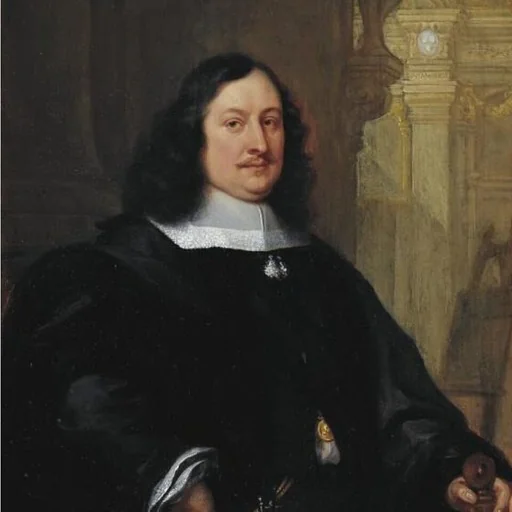
David Teniers the Younger or David Teniers II was a Flemish Baroque painter, printmaker, and artist.