Artwork
Temptation of St. Anthony
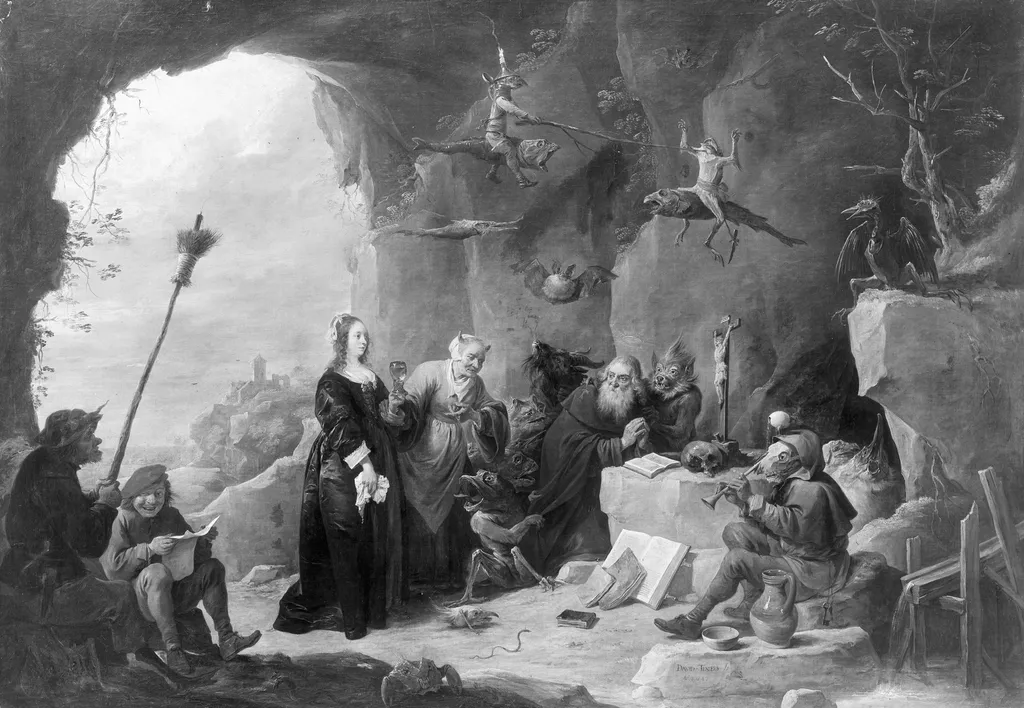
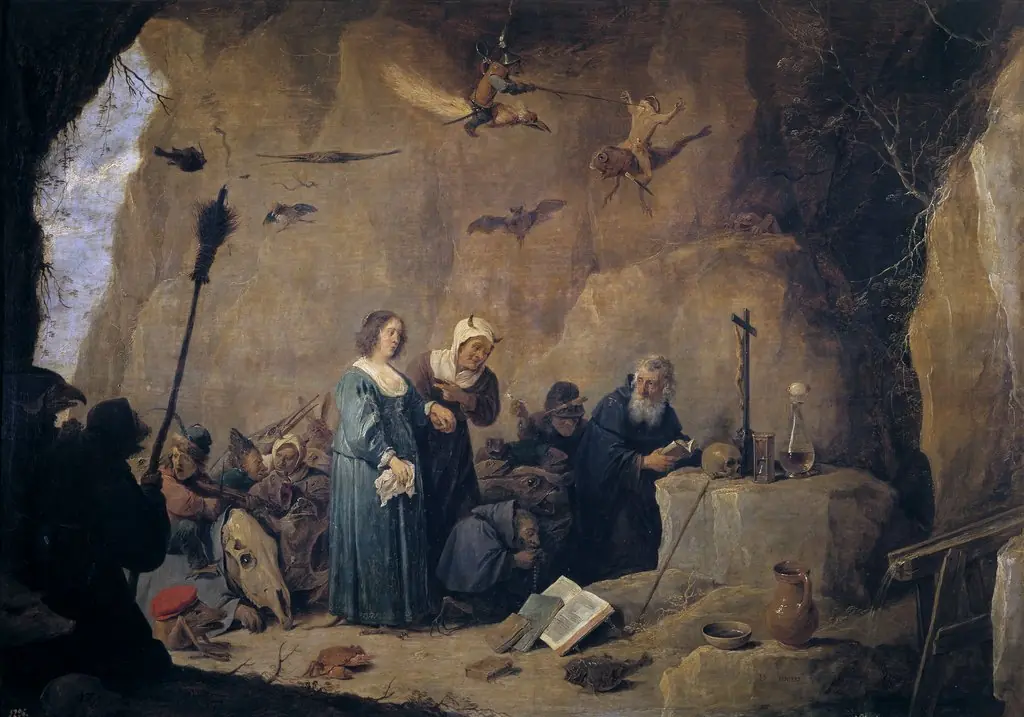
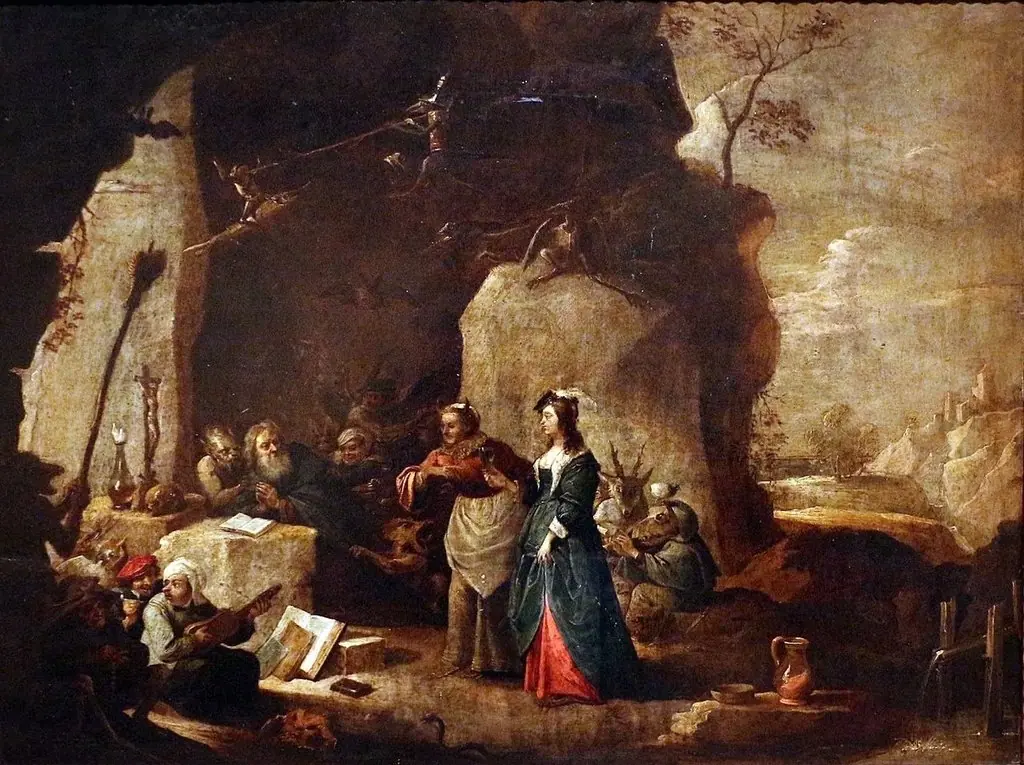
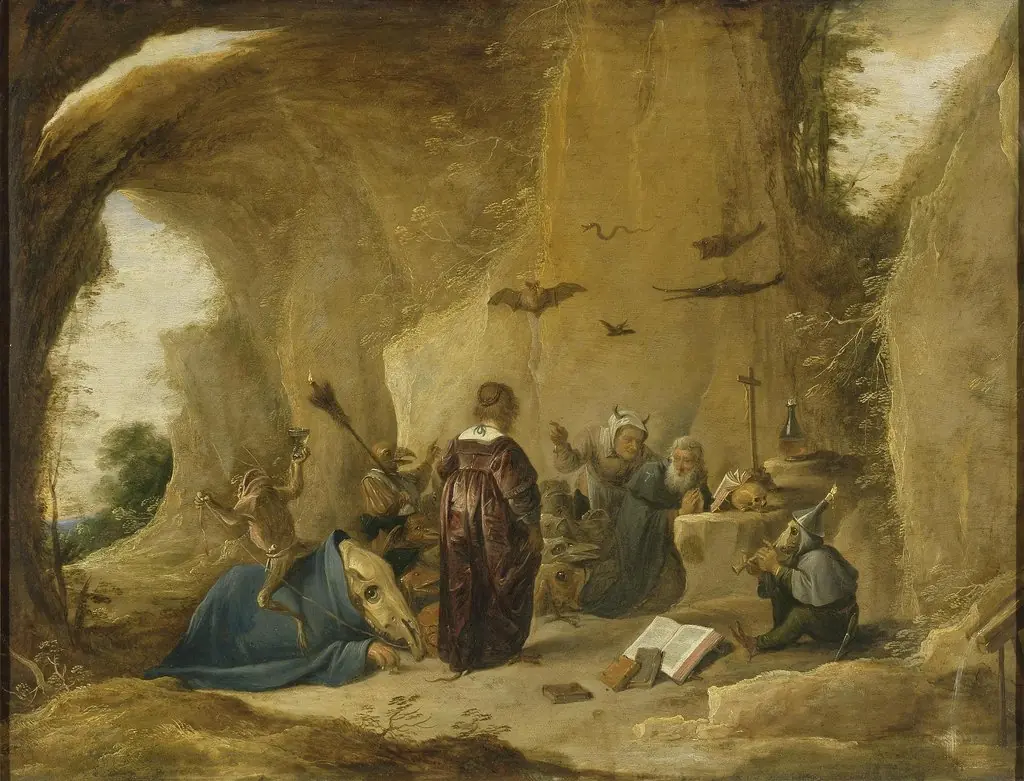
Temptation of St. Anthony is an oil painting by the Flemish Baroque painting artist David Teniers the Younger. It dates from 1647 and is held in the collection of the Gemäldegalerie Berlin.
About this work
Overview
Measuring 81 by 117 centimeters, the work is held in the collection of the Gemäldegalerie Berlin at the Bode Museum.
The Temptation of St. Anthony is an oil on canvas painting by the Flemish Baroque artist David Teniers the Younger, dated 1647. Measuring 81 by 117 centimeters, the work is held in the collection of the Gemäldegalerie Berlin at the Bode Museum. Teniers, one of the most prolific and versatile painters of the seventeenth century, returned to the subject of St. Anthony repeatedly throughout his career, making it the largest homogeneous group among his religious paintings. This 1647 canvas exemplifies his ability to merge devotional narrative with fantastical imagery, positioning it as a significant work within both his own oeuvre and the broader Flemish Baroque tradition.
Subject & Meaning
The painting depicts the third-century hermit saint Anthony the Great kneeling in prayer within a cave interior that opens onto a distant landscape. At center, the bearded saint kneels before a stone table bearing a skull, crucifix, and open book, vanitas symbols that remind the viewer of the choice between salvation and the secular world. He is beset by hybrid demons: a wolf-like beast whispers at his ear, a fish-headed creature plays a pipe, and other demons with animal features lurk nearby. To the left, a woman in dark elegant dress holds out a glass, accompanied by an older woman with horns indicating her demonic nature; the temptress's clawed bird feet betray her infernal origin. Above, small figures ride flying fish and a bat-like creature hangs midair. The scene derives from the Life of St. Anthony by Athanasius of Alexandria and its popularization through Jacobus de Voragine's Golden Legend, representing the spiritual battle between good and evil that resonated deeply in an era of religious conflict.
Technique & Style
Teniers executed the work in oil on canvas, employing smooth brushwork with careful attention to figures and scattered objects including books, a jug, and a serpent on the ground. The palette is dominated by dark greys and blacks, illuminated by bright light emanating from the cave mouth. Bare trees and rock formations frame the scene, while the demons are freely constructed from elements of fish, birds, human figures, and animal bones. The composition draws upon the fantastical tradition of Hieronymus Bosch, filtered through the influence of Jan Brueghel the Elder, to whom Teniers was connected by marriage. Compared to Teniers's earlier treatments of the subject set firmly in caves, this work and his later period examples place greater emphasis on landscape integration.
History & Provenance
The painting was created in 1647, a year that marked the beginning of Archduke Leopold Wilhelm's patronage of Teniers, though the artist did not move to Brussels until around 1650. The canvas bears a signature at the lower right. Its provenance before modern times is not documented in the available sources. The work is currently located in the Gemäldegalerie Berlin, Bode Museum, though its specific accession history and exhibition record are not detailed in the provided materials.
Context
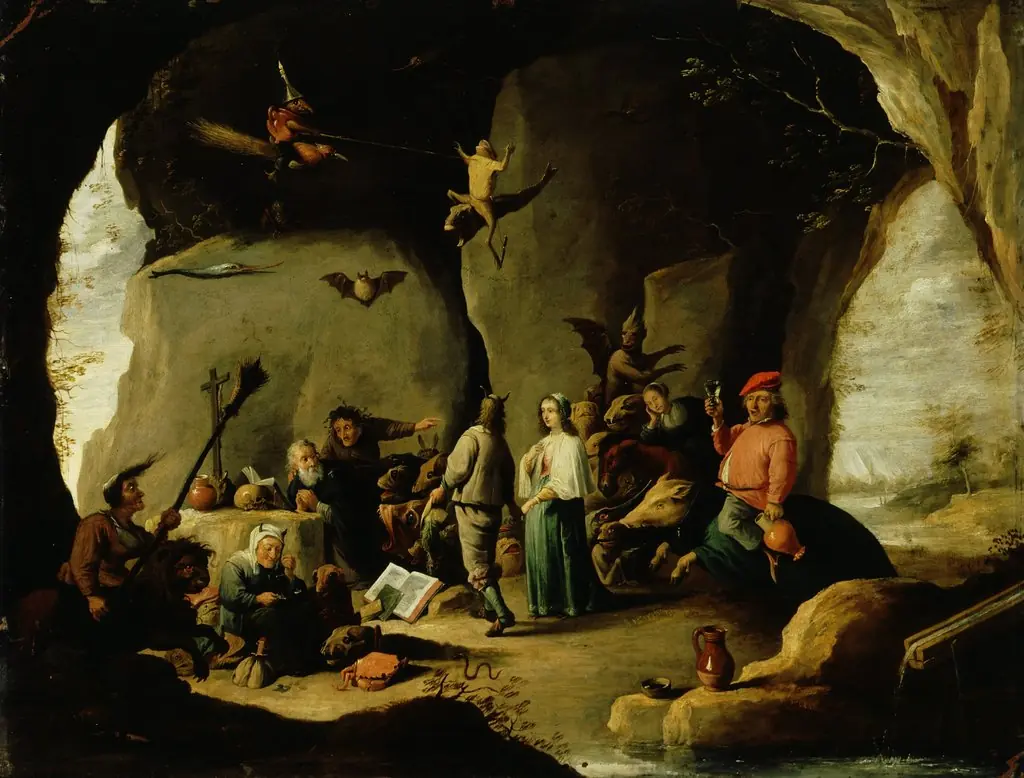
Teniers's engagement with the Temptation of St. Anthony must be understood within several intersecting contexts. The subject constituted the largest homogeneous group among his religious paintings, with examples dating from 1635 to the mid-1660s, indicating sustained patronage demand. This popularity reflected both the subject's moralizing function and its affinity with the contemporary fashion for Wunderkammer, or cabinets of curiosities, among wealthy collectors fascinated by rare and exotic objects. Teniers's treatment of the theme explicitly referenced the tradition of Jan Brueghel the Elder, who had himself looked back to Bosch's compositions. The artist's position within the Flemish Baroque was secured by his extraordinary versatility across genres and his role as court painter and curator to Archduke Leopold Wilhelm, for whom he assembled one of Europe's most important art collections. He also founded the Antwerp Academy in 1663, seeking to revive Flemish art after the deaths of Rubens and Van Dyck.
Legacy
The Temptation of St. Anthony by Teniers entered into a rich pictorial tradition that continued to attract artists and collectors for centuries. Within Teniers's own career, the motif's repetition, with variations in the arrangement of demons, monsters, and temptresses, established a recognizable prototype that scholars such as John Smith catalogued in the nineteenth century. The work's hybrid creatures and moral allegory preserved the Boschian legacy within Flemish Baroque painting while adapting it to contemporary tastes. The painting's afterlife also includes its role in the broader cultural imagination of demonic temptation, as the saint's legend remained a touchstone for artistic exploration of spiritual struggle. The specific legacy of this 1647 canvas, however, is less documented in the available sources than the general pattern of Teniers's repeated engagement with the subject.
Own this work as a print
Artist & collection
Artist
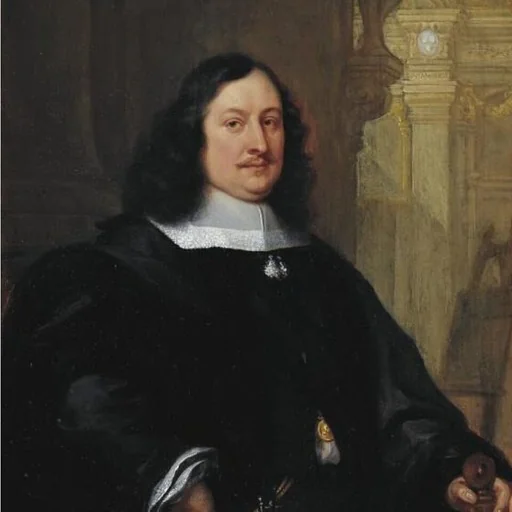
David Teniers the Younger or David Teniers II was a Flemish Baroque painter, printmaker, and artist.