Artwork
Mercury and Argus in a Landscape
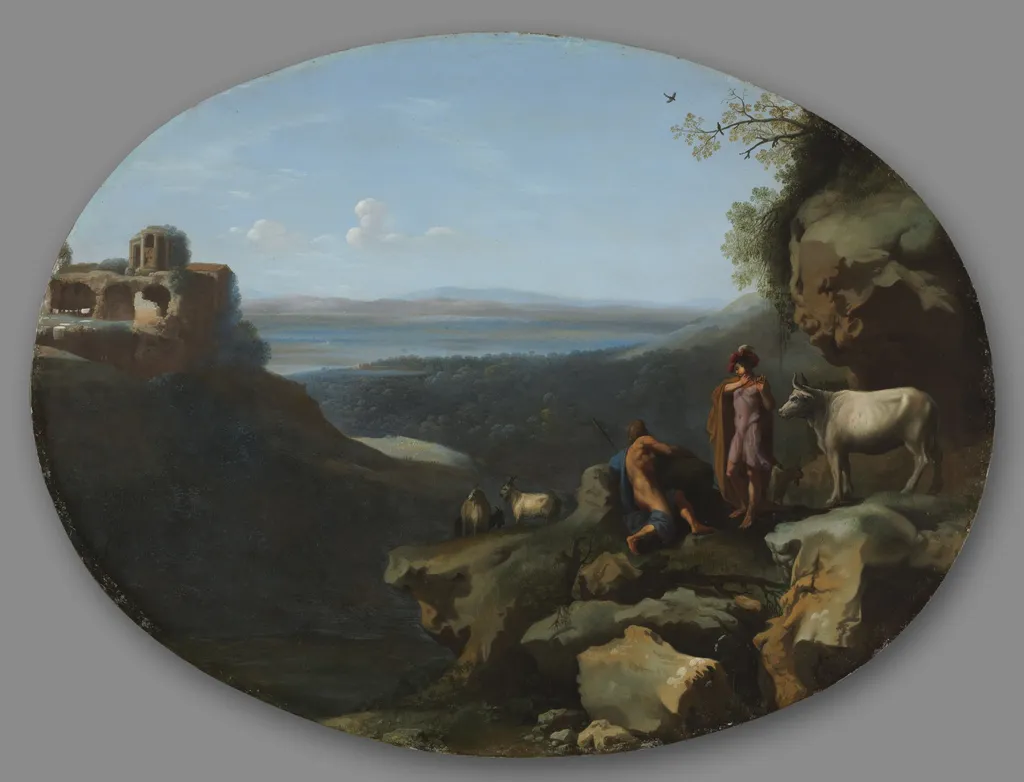
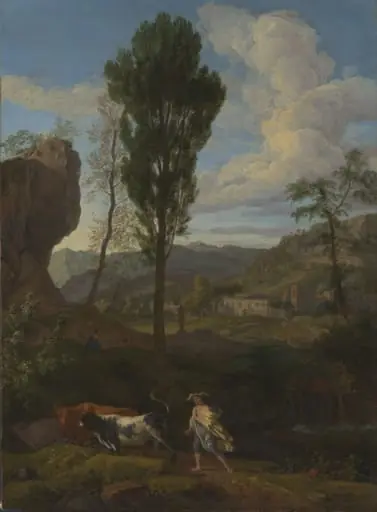
Mercury and Argus in a Landscape is an oil painting by the Dutch Golden Age artist Dirck van der Lisse. It dates from 1635 and is held in the collection of the Cleveland Museum of Art.
About this work
Subject & Meaning
This synthesis of myth and nature reflects the artist's approach to integrating classical stories into the Dutch landscape tradition of the period.
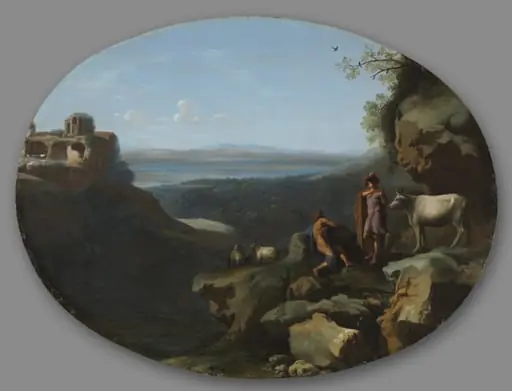
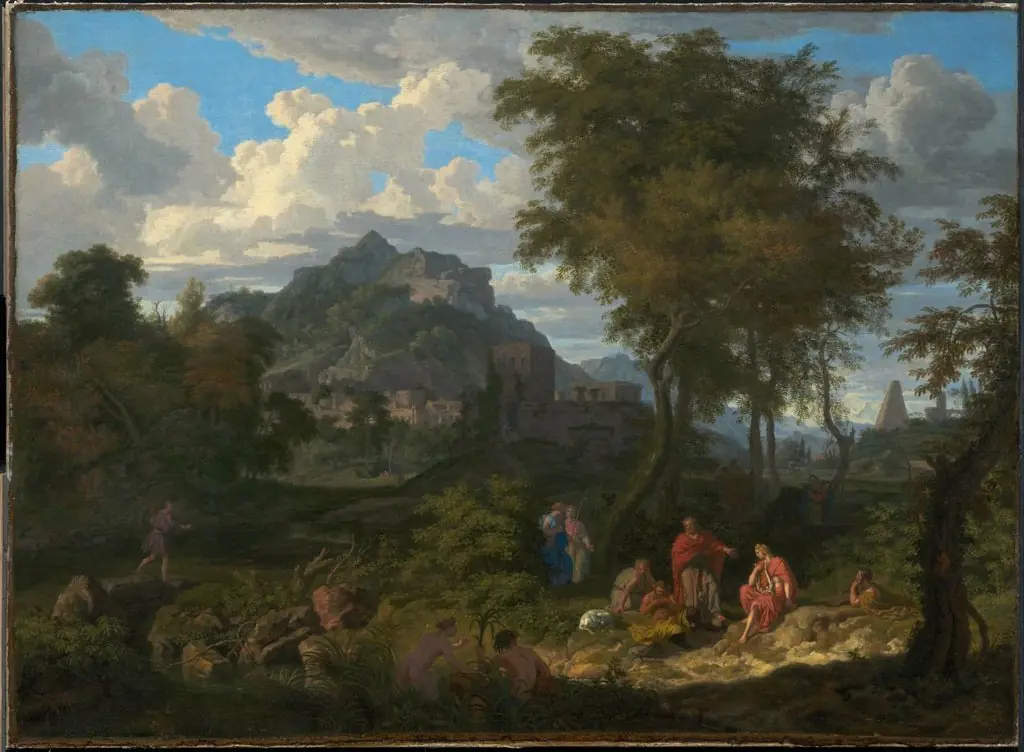
The painting depicts the mythological episode of Mercury and Argus situated within a landscape setting. Created by Dirck van der Lisse in 1635, the work illustrates the moment the messenger god encounters the hundred-eyed giant Argus, a narrative drawn from classical mythology. While the specific actions of the figures are implied by their presence, the composition emphasizes the natural environment, categorizing the piece as a landscape painting.
The inclusion of trees and the open setting frames the interaction between the divine and the monstrous, grounding the legendary encounter in a terrestrial context. This synthesis of myth and nature reflects the artist's approach to integrating classical stories into the Dutch landscape tradition of the period.
Technique & Style
Executed in 1635 by Dirck van der Lisse, this work is an oil painting applied to a copper support. The choice of copper as a substrate allows for the smooth, fine detail characteristic of Dutch landscape paintings from this period. The composition depicts a scene featuring trees within a broader landscape setting.
Measuring 37.0 by 49.2 centimeters, the small-scale format is typical for cabinet pictures intended for close viewing. The materials and medium reflect standard practices for Netherlandish artists working in the mid-seventeenth century, utilizing the non-absorbent metal surface to achieve luminous color effects and precise brushwork in the rendering of the natural environment.
History & Provenance
Mercury and Argus in a Landscape is a 1635 painting executed by Dirck van der Lisse on a copper support using oil pigments, a technique documented in the work’s technical description. The composition was produced in the Netherlands, as indicated by the maker’s location recorded in the catalog entry. After its creation the picture entered the collection of the Cleveland Museum of Art, where it has been listed under accession number 1989.248 and remains on view in the museum’s European paintings galleries.
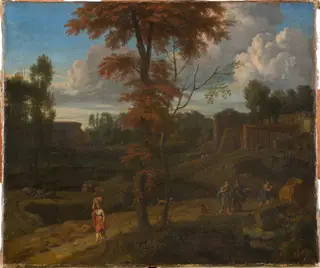
The work is classified as a landscape and is noted for its depiction of a solitary tree within the mythological scene.
Mercury and Argus in a Landscape is held by the Cleveland Museum of Art, where it is catalogued under the accession number 1989.248. The work, painted on copper in 1635, belongs to the museum's collection as a landscape painting by Dirck van der Lisse. No exhibition history is documented in the available sources.
Overview
Dirck van der Lisse's painting, Mercury and Argus in a Landscape, dates from 1635. Executed on copper, this work presents a tranquil outdoor scene. It is currently part of the collection at The Cleveland Museum of Art.
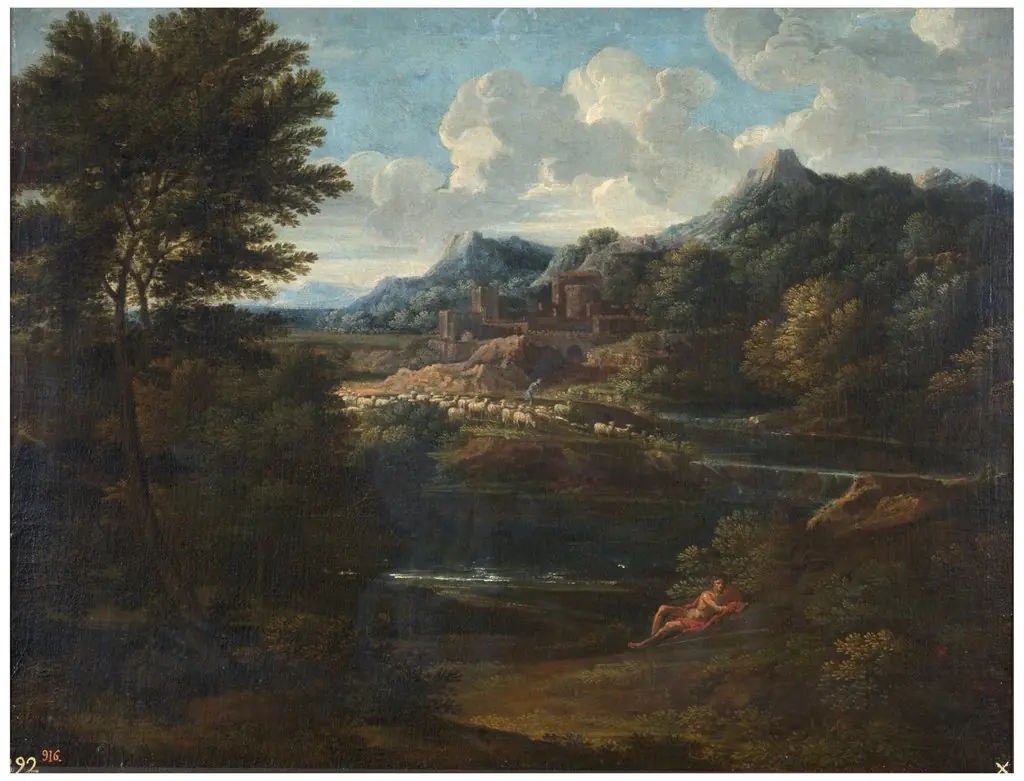
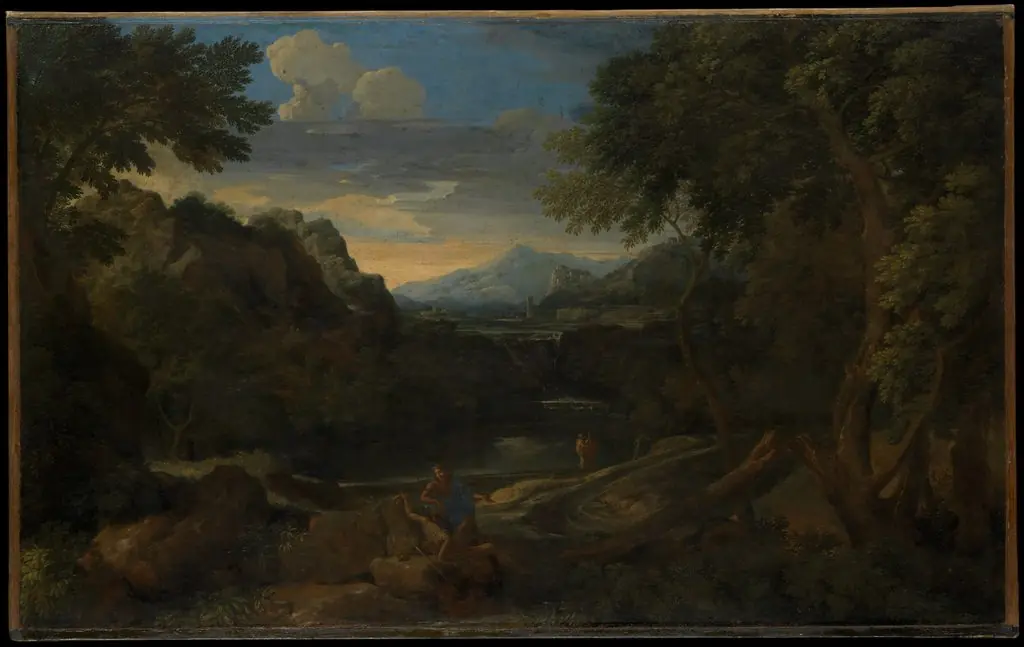
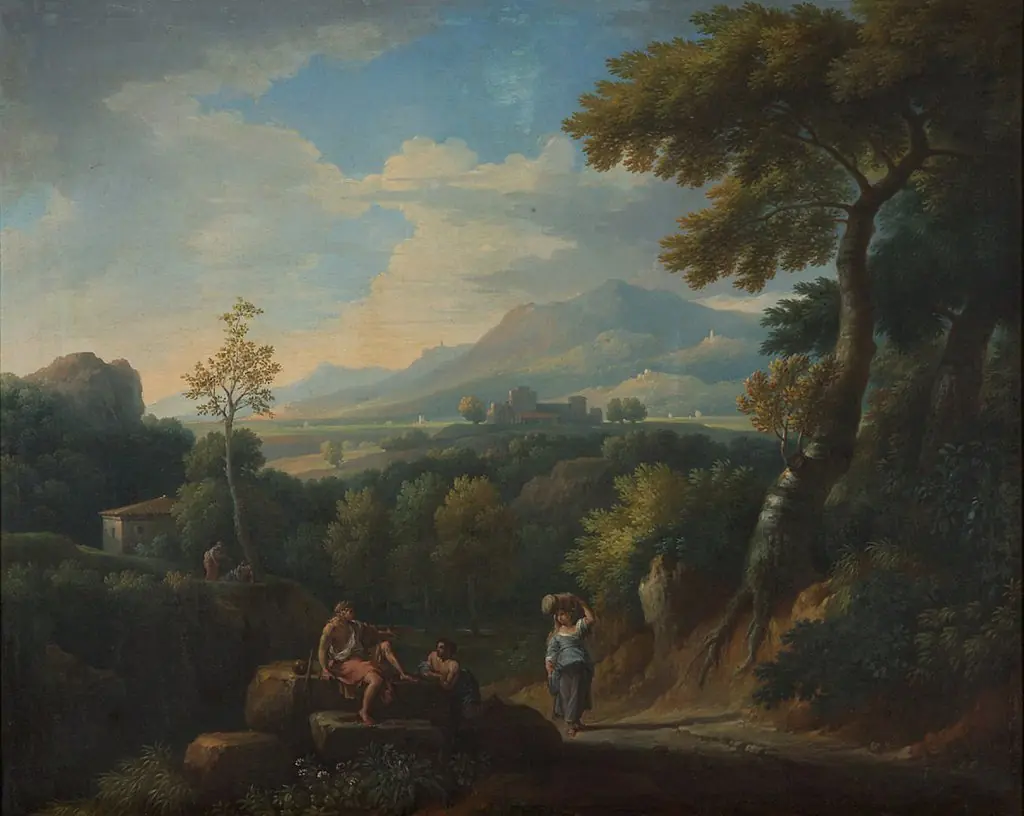
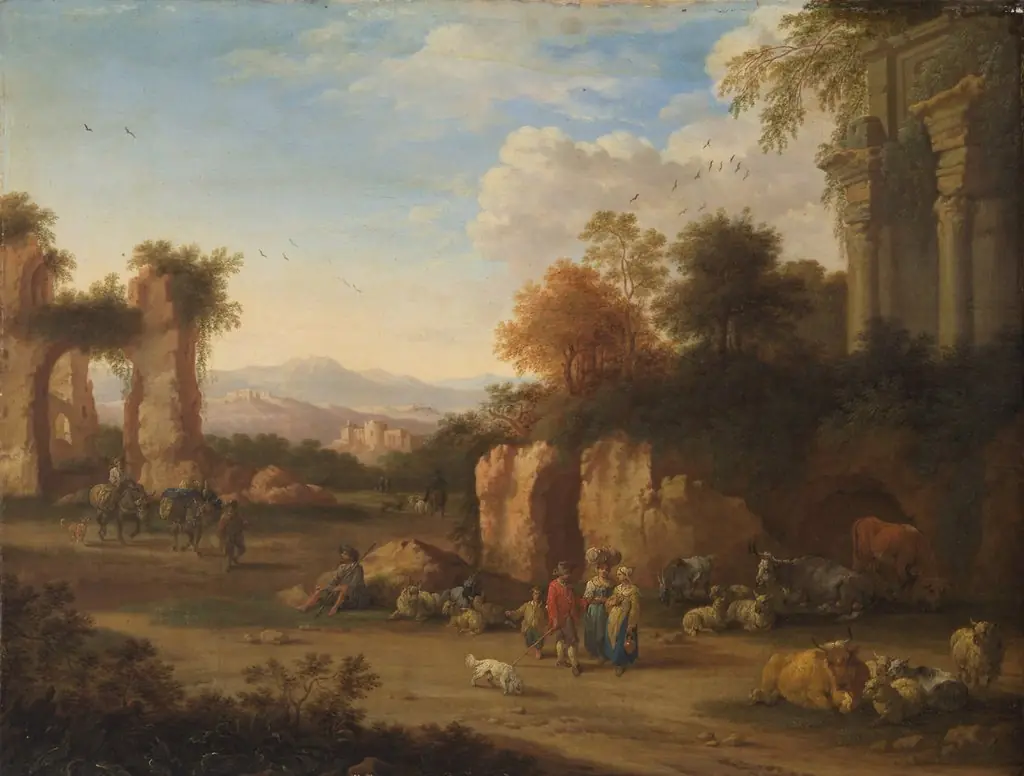
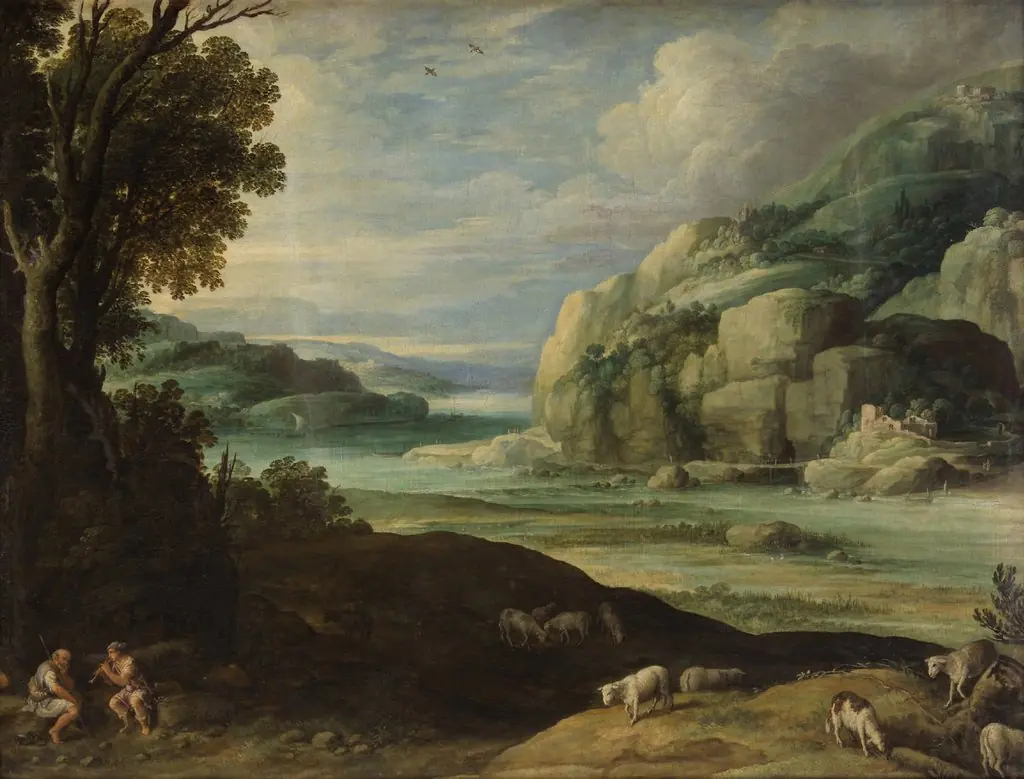
The composition features several figures amidst a rocky terrain, bordered by ancient structures and an expansive river under an illuminated sky.
Own this work as a print
Artist & collection