Artwork
Retrato de D. Isabel de Moura
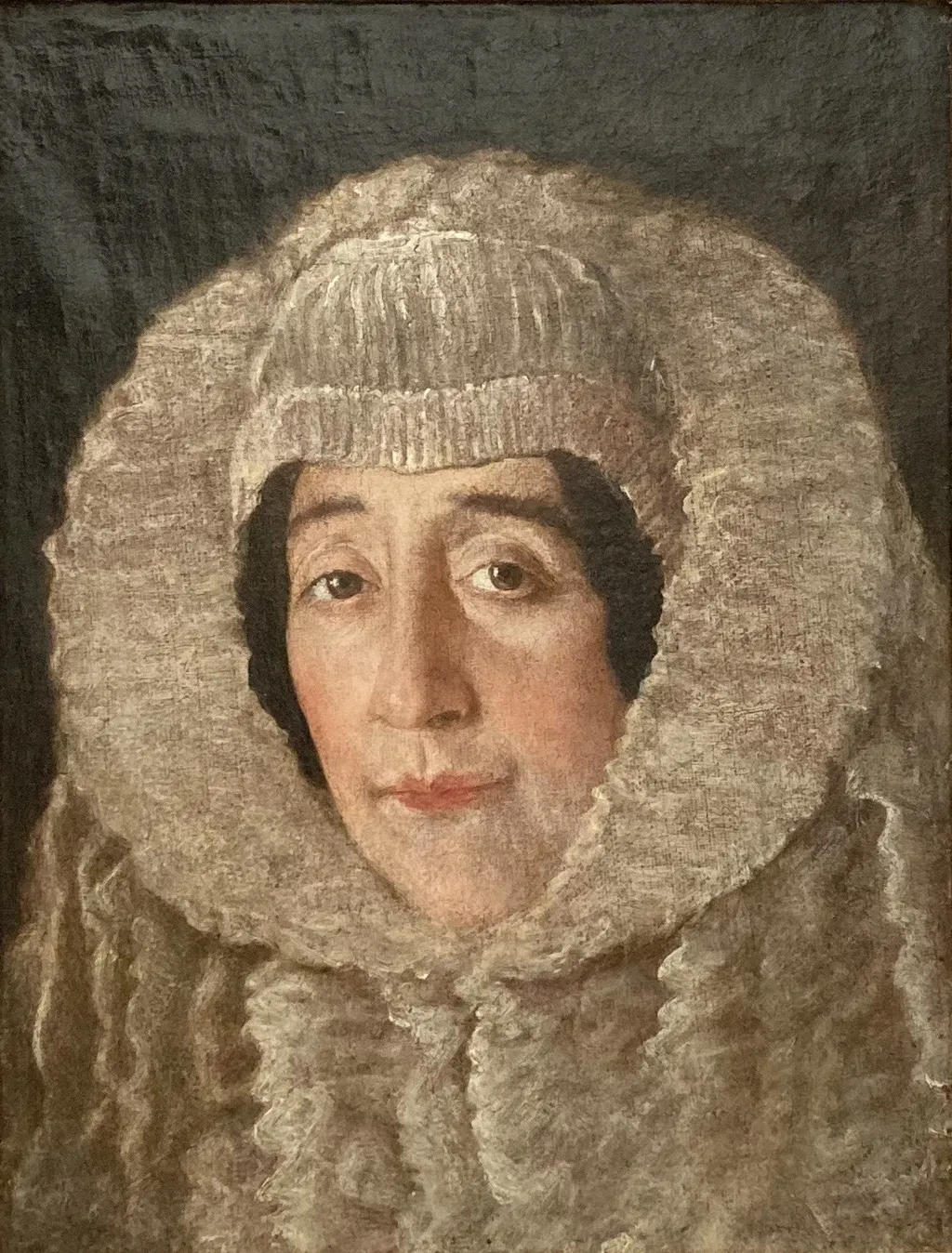
Retrato de D. Isabel de Moura is an oil painting by the Flemish Baroque painting artist Domingos Vieira. It dates from 1630 and is held in the collection of the National Museum of Ancient Art.
About this work
Overview
Domingos Vieira’s oil portrait, executed in 1630, presents a seated woman rendered with restrained elegance. The work is part of the collection of Portugal’s National Museum of Ancient Art, where it is displayed among other seventeenth‑century Portuguese paintings.
Subject & Meaning
The sitter is shown in a plain white, hooded mantle, her dark hair peeking from beneath the fabric. A faint smile plays on her lips while her gaze is directed downward, suggesting introspection or modest piety. The composition conveys a quiet dignity, emphasizing personal virtue over ostentatious display.
Technique & Style
Vieira employs a limited palette of muted tones, allowing the white of the cloak to stand out against a somber, dark background. Soft, layered brushstrokes create a gentle modeling of flesh and fabric, while the subtle chiaroscuro lends depth without dramatic contrast, reinforcing the painting’s contemplative mood.
History & Provenance
Created in the early Baroque period, the portrait entered the National Museum of Ancient Art’s holdings through the museum’s acquisition program in the twentieth century. Its documentation links it to the Portuguese aristocratic circles of the 1630s, though the sitter’s identity remains uncertain.
Context
The work reflects contemporary Portuguese portrait conventions that favored modest attire and restrained affect, aligning with Counter‑Reformation ideals of humility. Vieira’s approach mirrors the broader Iberian tendency toward subdued coloration and intimate psychological portrayal during this era.
Artist & collection

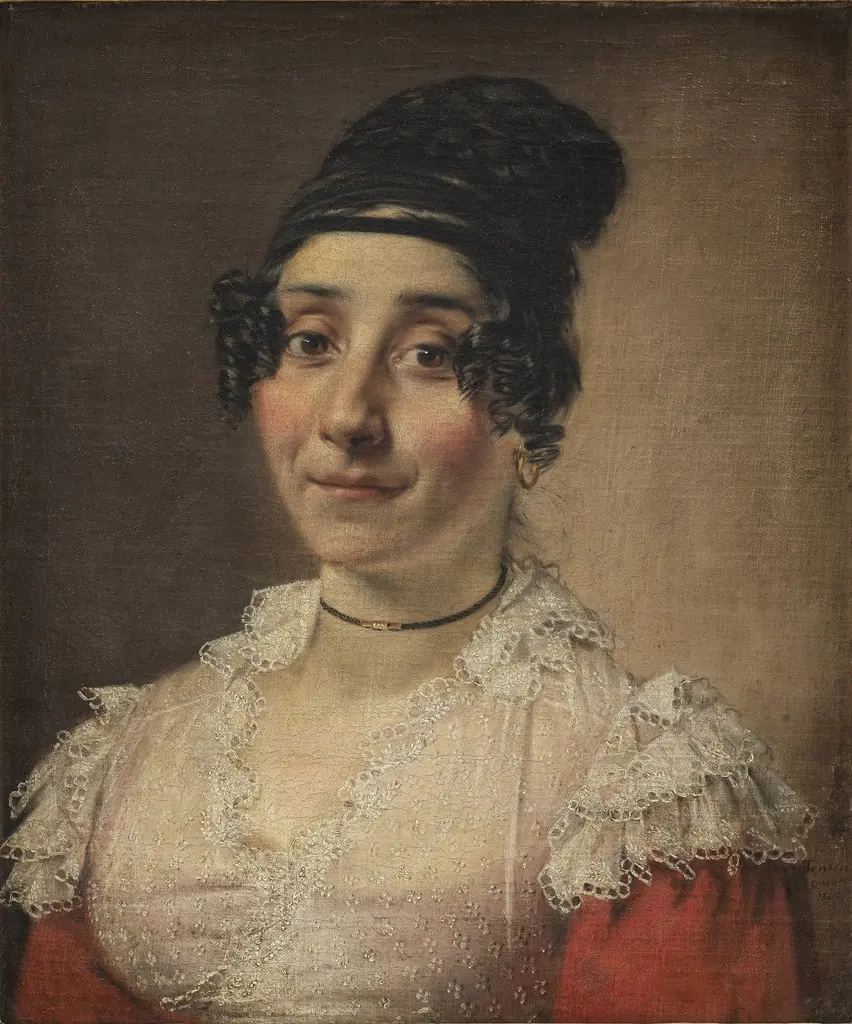
- Portræt af fru Gumperd
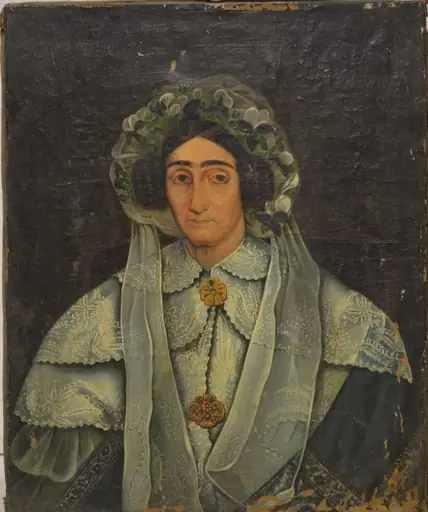 Portret de femeie
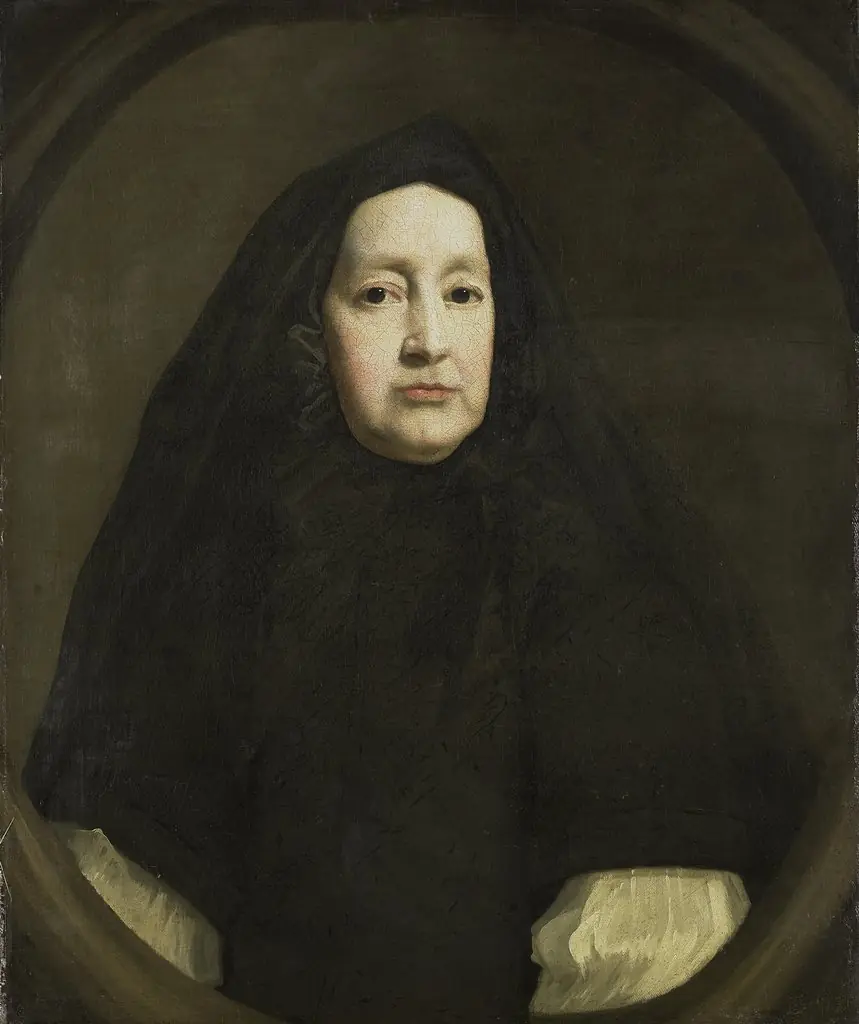 Portrait of Katharine Elliot (died 1688), Dresser of Duchess Anne of York and First Woman of the Bedchamber of Queen Mary of Modena, the first and second Wives of James II of England, respectively
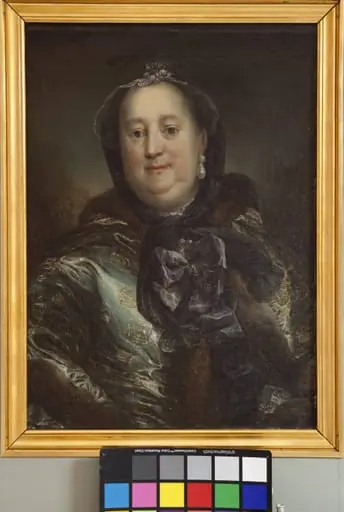 Portræt af hertuginde Antoinette Amalie af Braunschweig-Wolfenbüttel
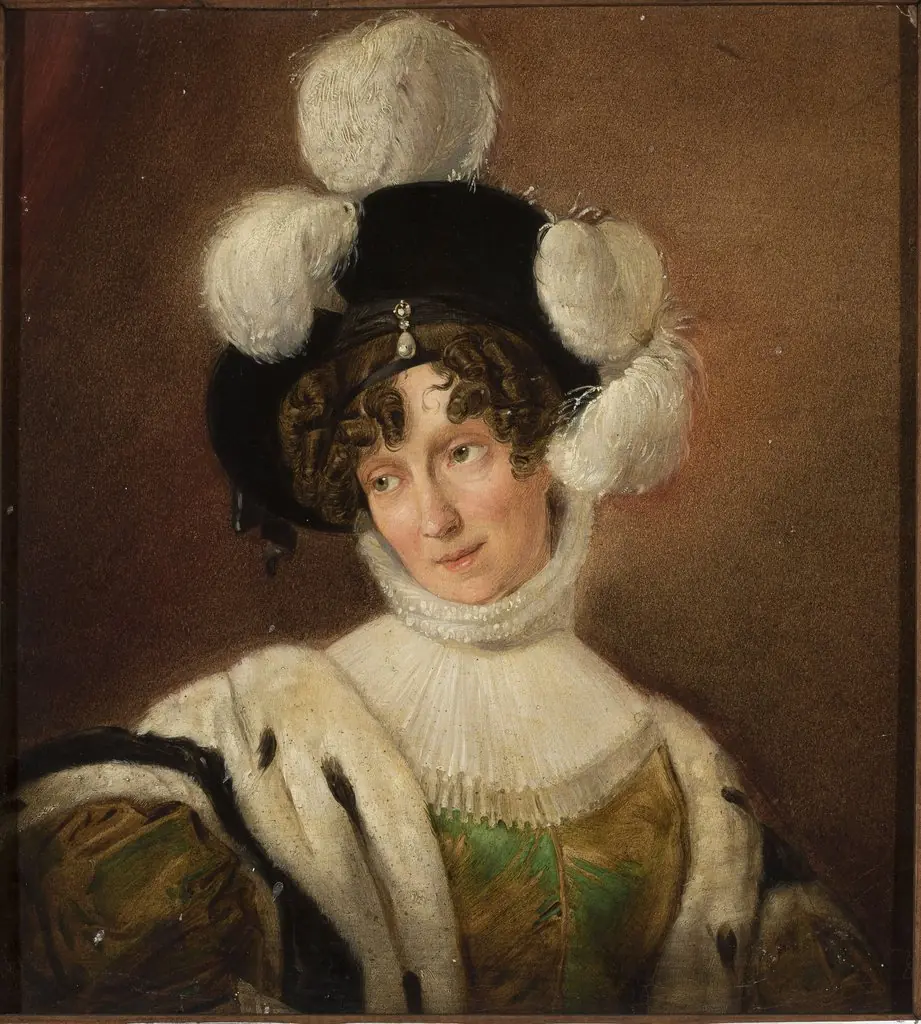 Portrait of Zofia Potocka née Branicka
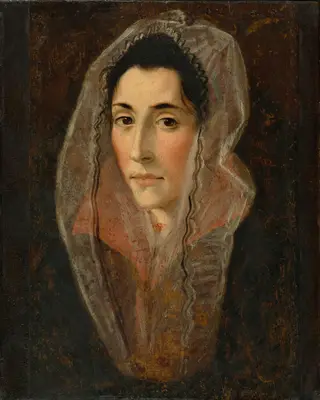 Portrait of a Lady
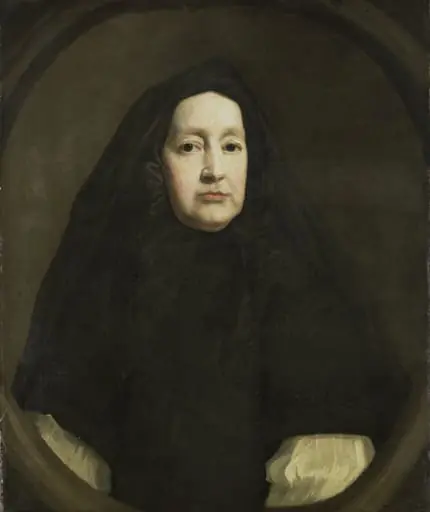 Portrait of Katharine Elliot (died 1688), Dresser of Duchess Anne of York and First Woman of the Bedchamber of Queen Mary of Modena, the first and second Wives of James II of England, respectively
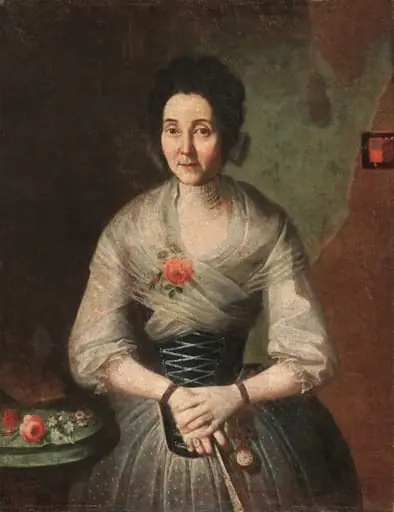 Soția medicului Pataki Samuel II (Szatmari Papp Sára) (În RI: Pataki Sámuelné Szatmari Papp Sára)
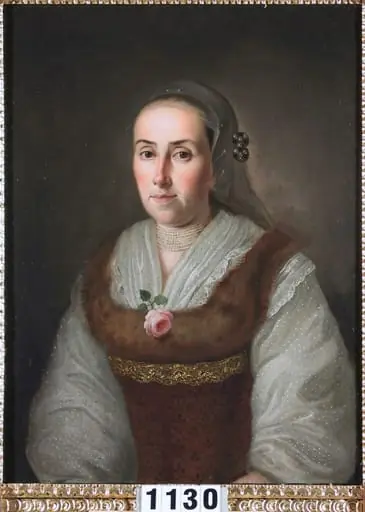 Soția tâmplarului Wolf
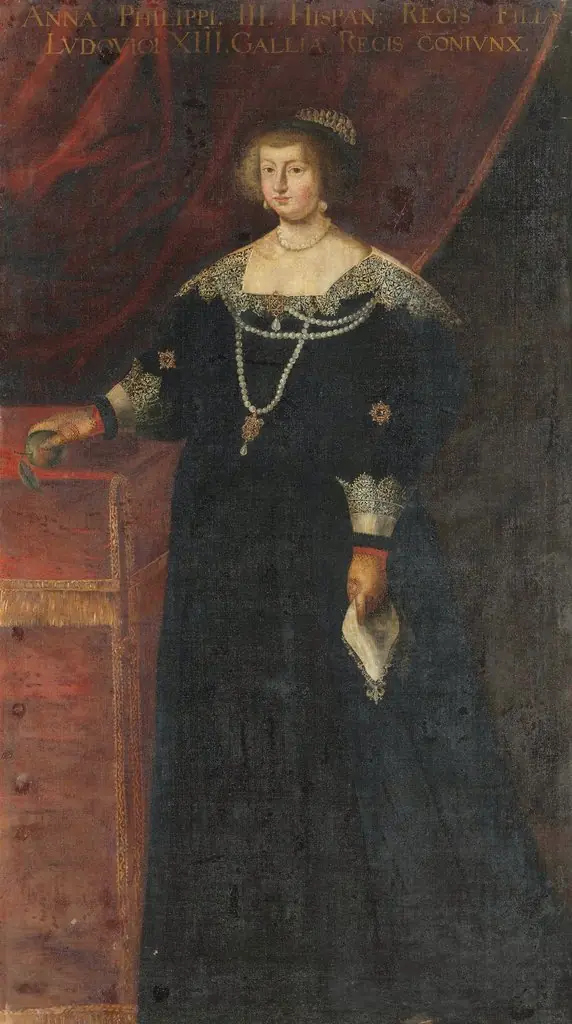 Anna von Österreich (1601-1666)
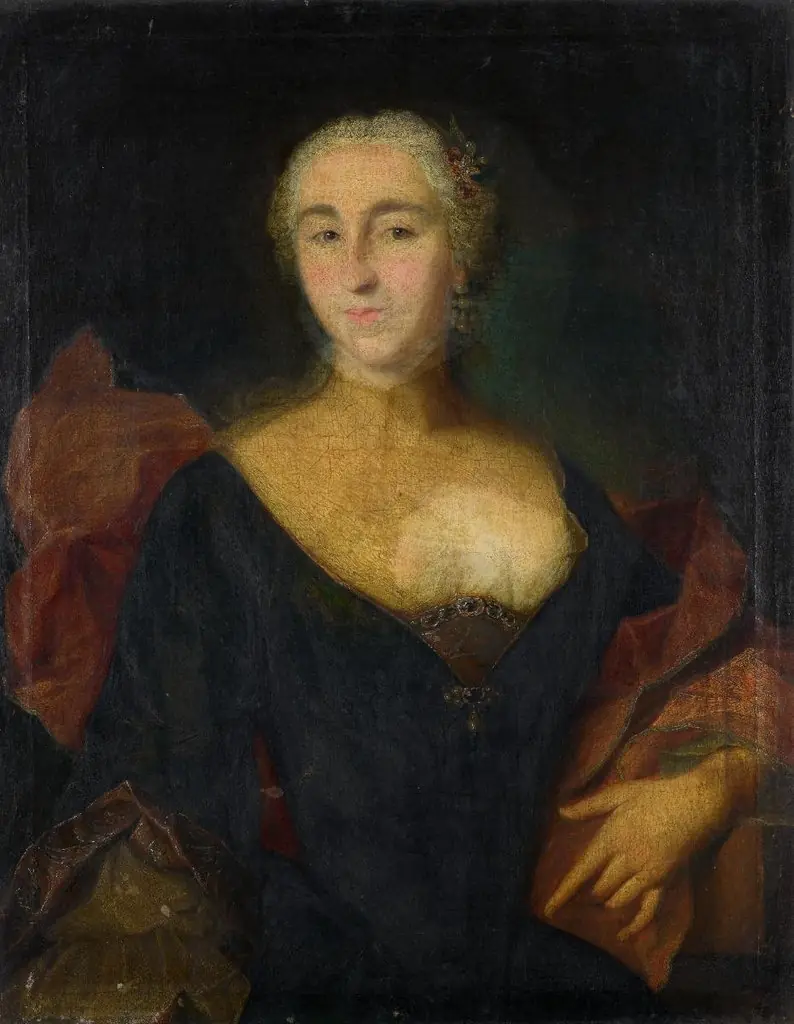 Bildnis einer jüngeren Dame
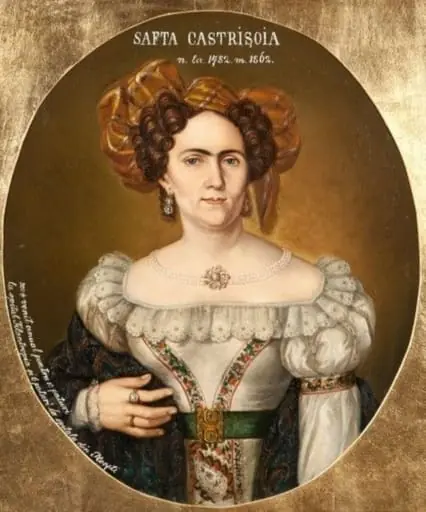 Safta Castrișoaia