Artwork
Sierk Fürst in der Moldau
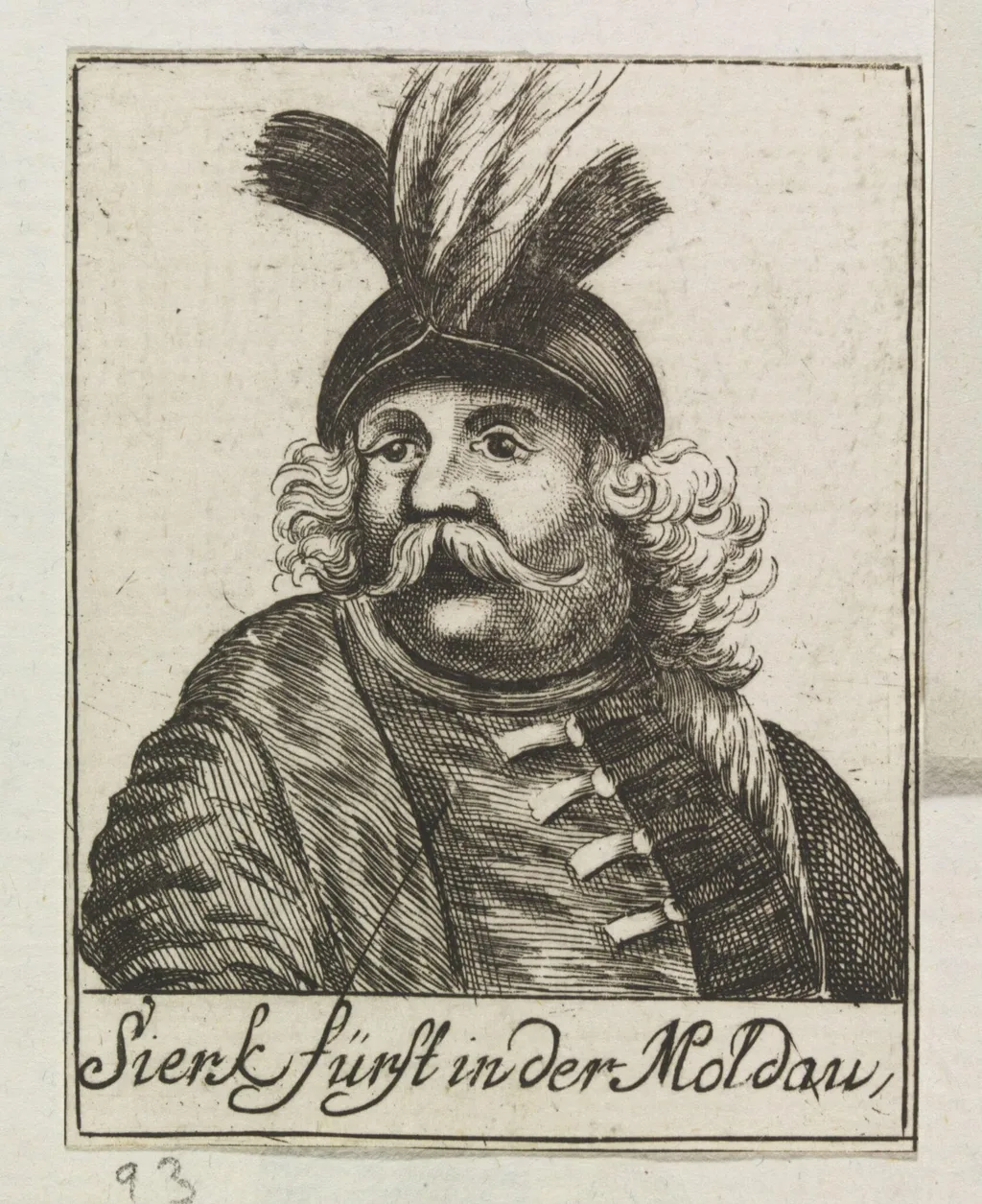
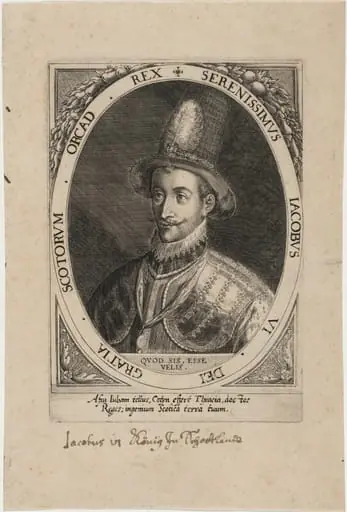
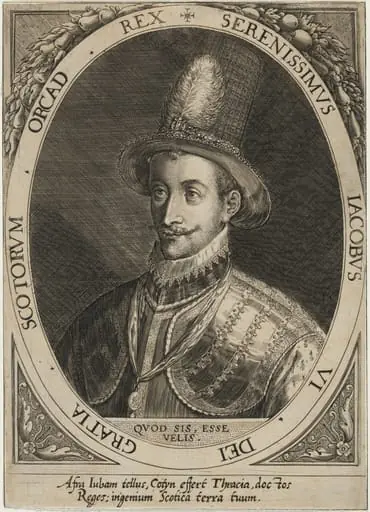
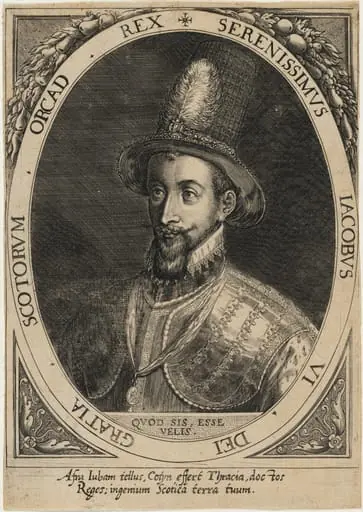
Sierk Fürst in der Moldau is a print by Dominicus Custos. It dates from 1550 and is held in the collection of the Victoria and Albert Museum.
About this work
Overview
The work exemplifies his skill in capturing individual likeness through precise line work and tonal variation typical of Northern Renaissance printmaking.
Created around 1550 by Dominicus Custos, a Flemish engraver active in Augsburg, this copperplate print portrays a noble figure identified as Sierk Fürst in the context of the Moldau region. Custos, trained in Antwerp and later employed in Prague under Emperor Rudolf II, specialized in detailed portraiture and regional imagery. The work exemplifies his skill in capturing individual likeness through precise line work and tonal variation typical of Northern Renaissance printmaking.
Subject & Meaning
The figure depicted, Sierk Fürst, is rendered with formal dignity, suggesting his status as a regional noble or military leader connected to the Moldau area. His direct gaze and composed posture convey authority, while the inclusion of regional context implies a documentary intent. The portrait likely served to affirm identity and lineage, common in early modern portraiture used for political or familial recognition among Central European elites.
Technique & Style
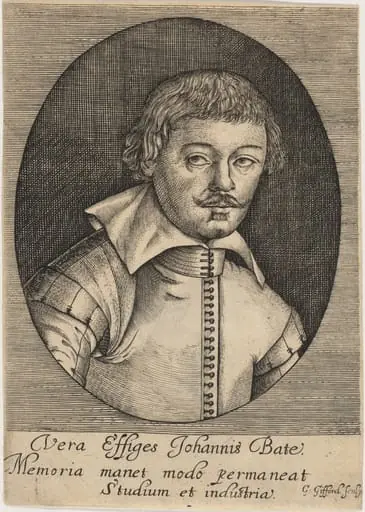
Custos employed fine, controlled lines in copperplate engraving to render texture and form with precision. The subject’s feathered hat, curly hair, and buttoned jacket are defined through hatching and cross-hatching, creating depth without shading. The light background isolates the figure, emphasizing facial detail and costume.
The restrained palette and linear clarity reflect the Northern European tradition of engraved portraiture, prioritizing accuracy over embellishment.
History & Provenance
The print originates from Custos’s early career in Augsburg, before his later association with the Habsburg court in Prague. While specific ownership records are sparse, such portraits were often circulated among noble circles or collected as part of broader compendiums of regional leaders. Its survival suggests it was valued for its documentary quality rather than as a standalone artistic object.
Context
In mid-16th century Central Europe, engraved portraits of regional figures served both as records of power and as tools of political visibility. Custos’s work aligns with a broader trend of documenting nobility through print, supported by the rise of urban publishing centers like Augsburg. The Moldau region, part of the Bohemian Crown Lands, was a strategic area under Habsburg influence, making such images relevant to imperial administration.
Legacy
Custos’s prints, including this one, contributed to the development of engraved portraiture as a medium for historical documentation. Though not widely known today, his work influenced later generations of printmakers in the Holy Roman Empire. The persistence of this image in archives underscores its role as a material artifact of early modern identity construction in Central Europe.
Own this work as a print
Artist & collection
Artist
Dominicus Custos (1560–1612) was a Flemish artist, printer and copperplate engraver, who worked in the service of Emperor Rudolph II in Prague.

- Philps van dorp Ridder, Dutch Admiral
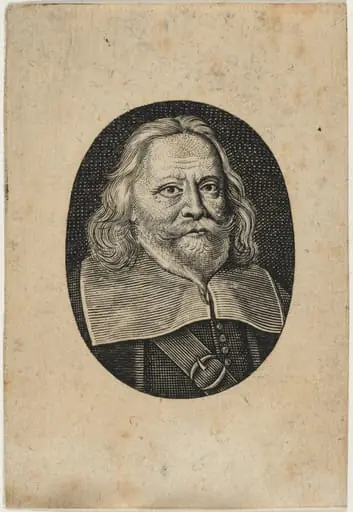 Portrait of Man in Oval
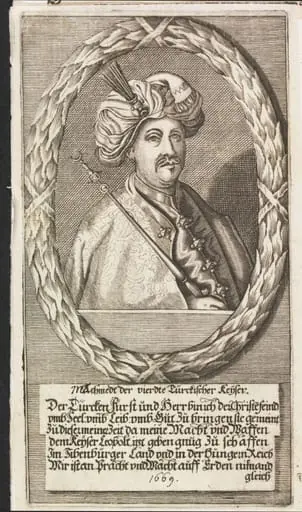 Turkish sultans, sultanas and other historical figures
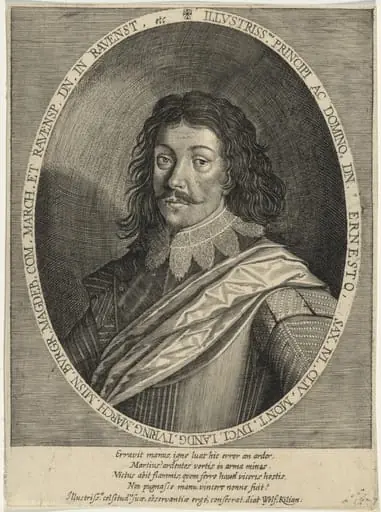 Prince Ernest, Duke of Saxony and Cleves
 H Beard Print Collection
 H Beard Print Collection
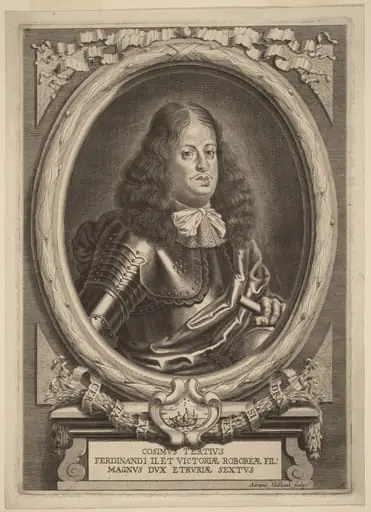 Cosimo III, Grand Duke of Tuscany
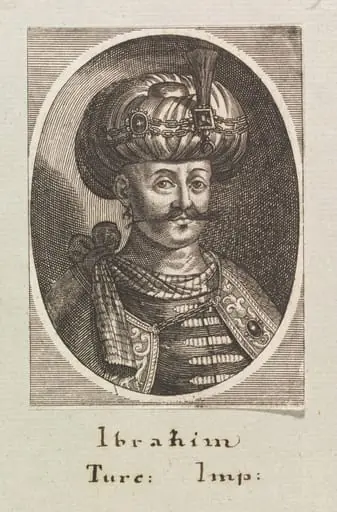 Turkish sultans, sultanas and other historical figures
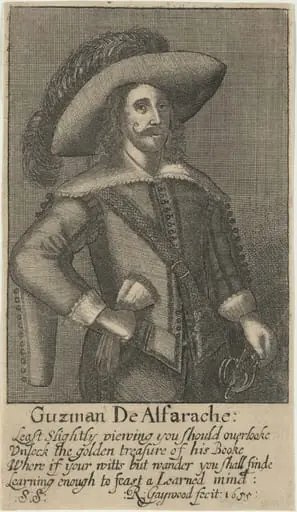 Guzman de Alfarache
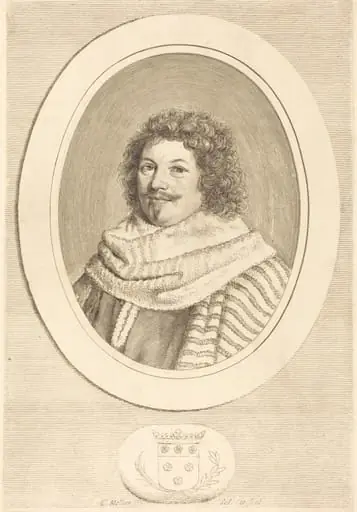 René de Longueil
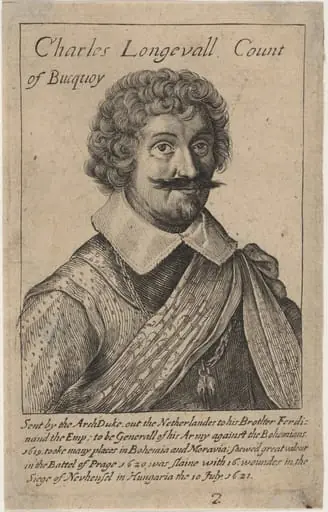 Charles, Count of Bucquoy
 John Bate