Artwork
Singer of the 4th Rifle Battalion at Tsarskoe Selo
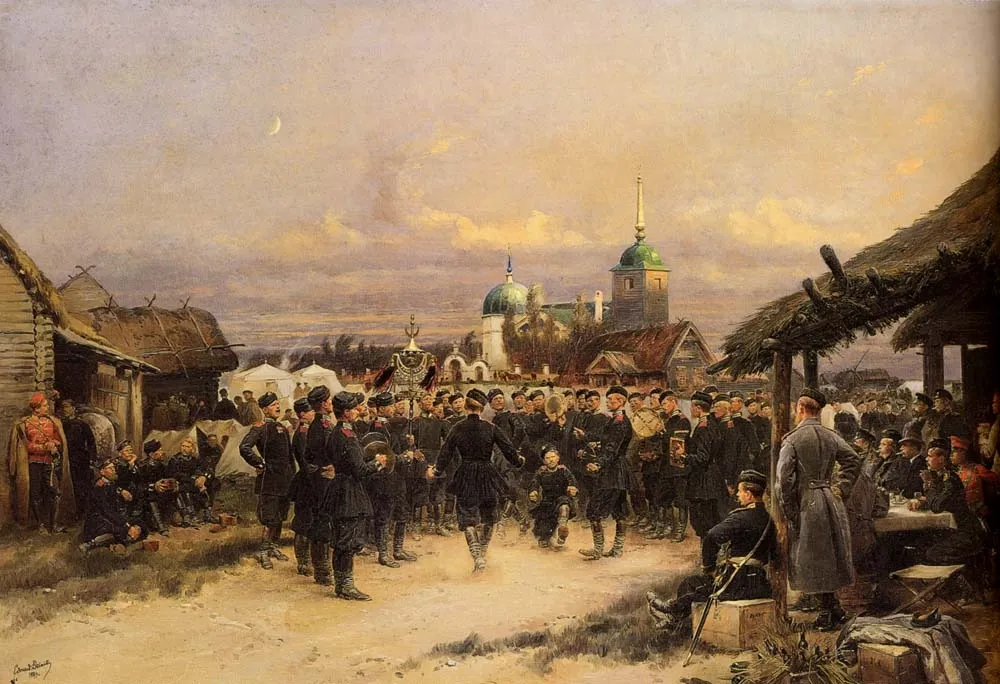
Singer of the 4th Rifle Battalion at Tsarskoe Selo is an oil painting by the Naturalist artist Édouard Detaille. It dates from 1895 and is held in the collection of the Hermitage Museum.
About this work
The painting is titled Singer of the 4th Rifle Battalion at Tsarskoe Selo.
The painting is titled Singer of the 4th Rifle Battalion at Tsarskoe Selo. It was created by Édouard Detaille in 1889. The artist likely chose this subject to depict a scene from military life, which was a common theme in his work, and this specific event might have been significant to him or his audience.
The painting is held at the State Hermitage Museum, which suggests it is a notable work, and to learn more about similar artworks, you can look up the museum: State Hermitage Museum.
Overview
Édouard Detaille painted Singer of the 4th Rifle Battalion at Tsarskoe Selo in 1889 using oil on canvas. A French academic artist, he specialized in detailed depictions of military life, often drawing from firsthand observation. This work captures a moment of quiet routine within an army unit, reflecting his commitment to authenticity over theatricality.
The painting resides in the State Hermitage Museum, where it is part of a broader collection of 19th-century European military art.
Subject & Meaning
The painting portrays a single soldier from the French 4th Rifle Battalion, singing in the grounds of Tsarskoe Selo, a Russian imperial residence. Detaille’s focus on an unassuming moment, music as a respite from duty, highlights the humanity of soldiers rather than their combat roles. The setting, outside French territory, suggests a diplomatic or ceremonial context, possibly during a period of Franco-Russian military exchange, underscoring the transnational nature of 19th-century army interactions.
Technique & Style
Detaille employed a naturalist approach, rendering uniforms, facial expressions, and environmental details with meticulous precision. His brushwork is controlled yet expressive, capturing the texture of wool, the glint of metal, and the softness of daylight. The composition is tightly framed, drawing attention to the singer’s posture and the surrounding stillness. This restrained realism aligns with academic traditions but avoids idealization, emphasizing the ordinary over the heroic.
History & Provenance
The painting entered the State Hermitage Museum’s collection in the late 19th or early 20th century, likely through acquisition or diplomatic exchange. Its presence in a major Russian institution reflects the cultural ties between France and Russia during a period of military cooperation. No record of prior ownership is widely documented, suggesting the work was acquired directly from the artist or through a recognized dealer of the time.
Context
In the 1880s and 1890s, Detaille was commissioned to document French military units, earning him the role of unofficial chronicler of the army. Tsarskoe Selo, as a symbol of imperial Russia, provided a neutral, ceremonial backdrop for depicting French troops abroad. The painting reflects broader European trends in military portraiture, where soldiers were shown not as warriors but as individuals within structured, disciplined environments.
Legacy
Detaille’s work contributed to the academic tradition of military realism, influencing later artists who sought to portray soldiers with psychological depth. While less celebrated today than his battle scenes, Singer of the 4th Rifle Battalion remains a quiet testament to his ability to find dignity in routine. Its preservation in the Hermitage ensures continued access for scholars studying 19th-century military culture and cross-national artistic exchange.
Artist & collection
Artist
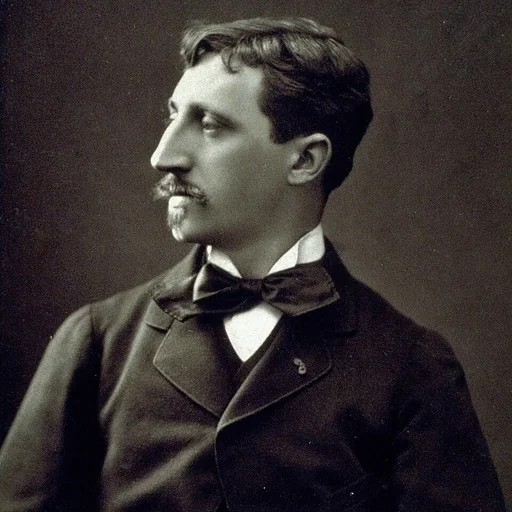
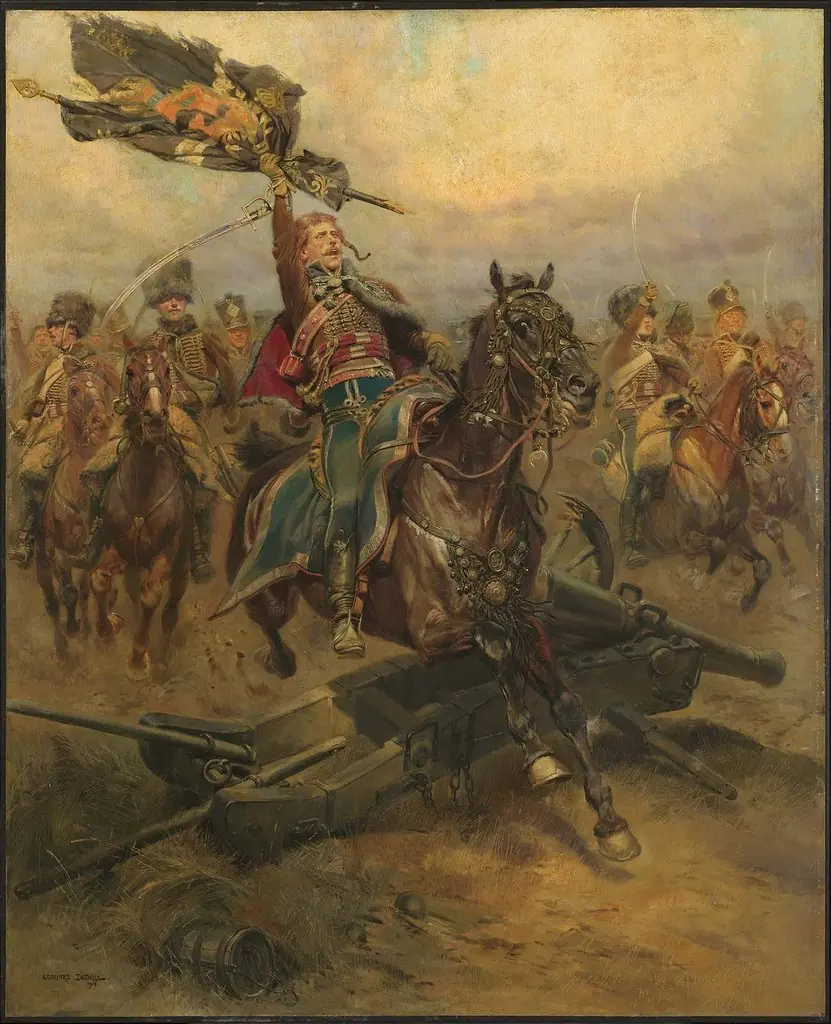
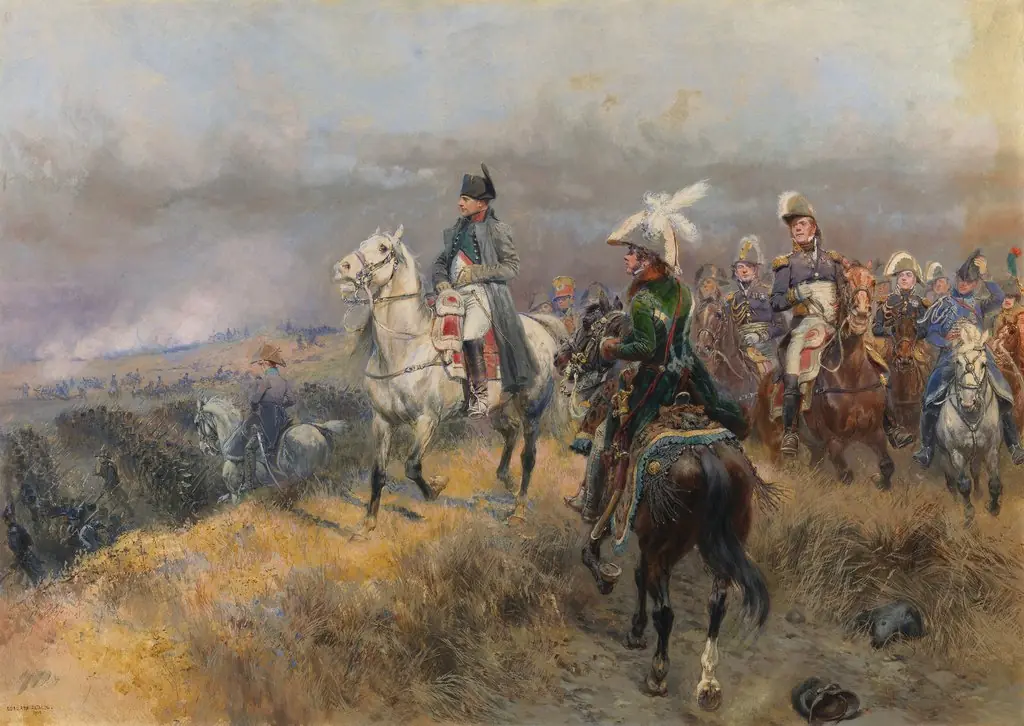
Jean-Baptiste Édouard Detaille (French pronunciation:; 5 October 1848 – 23 December 1912) was a French academic painter and military artist noted for his precision and realistic detail.

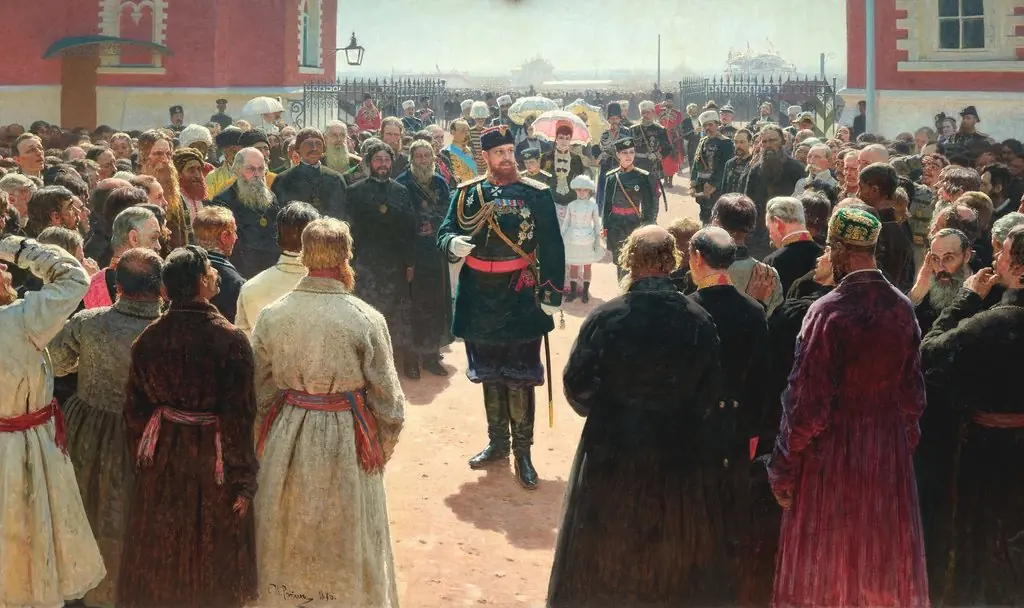
- Delegation of voigts before Alexander III
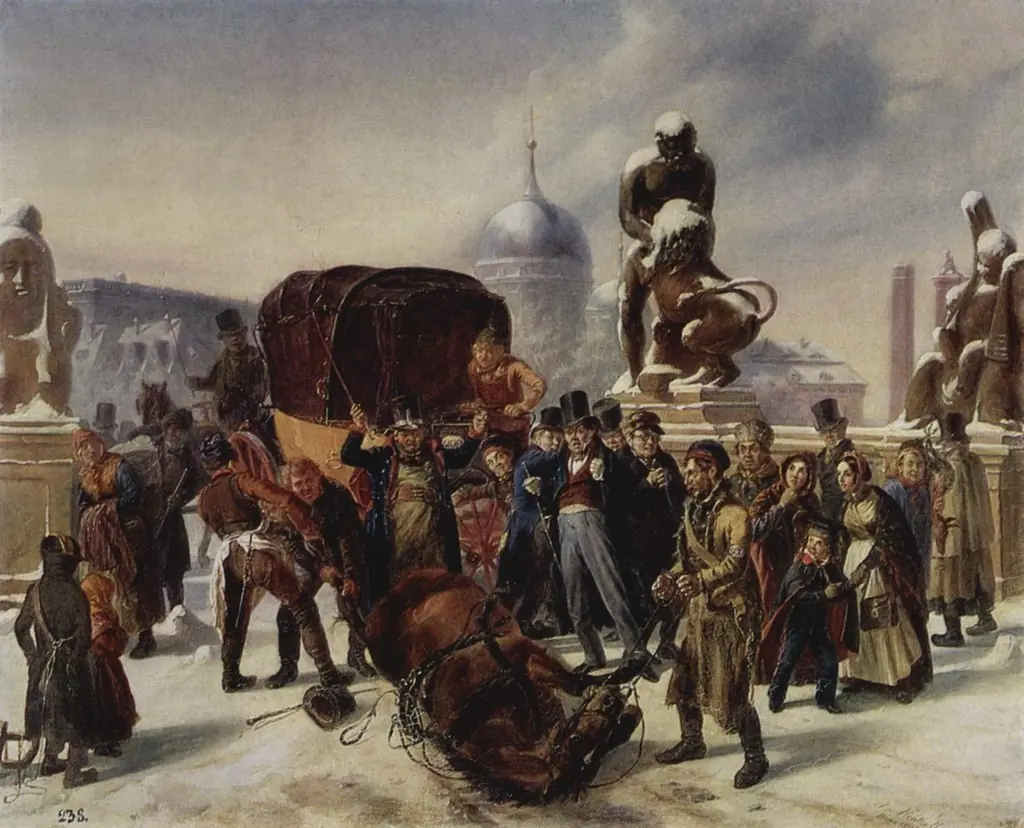 Straßenszene auf der Herkulesbrücke, Berlin
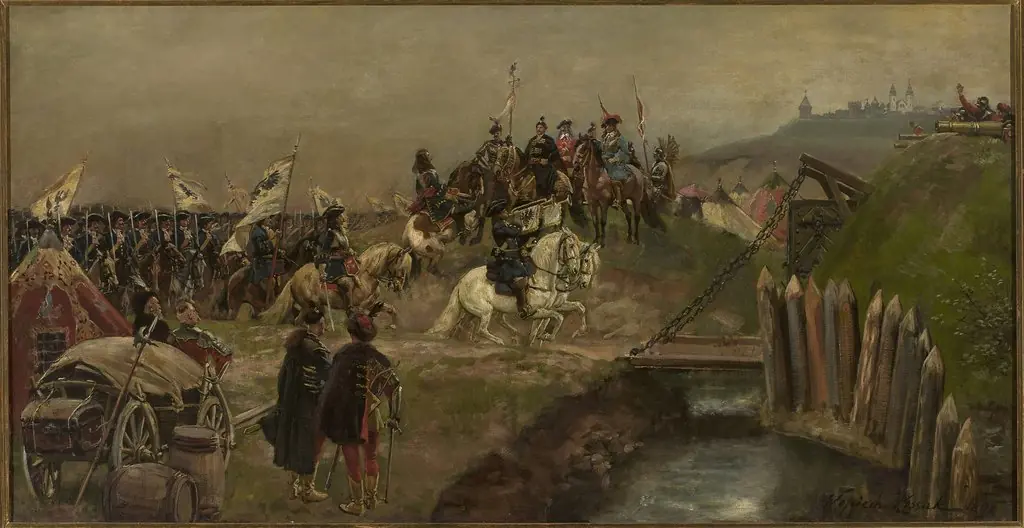 Parade of the Austrian troops before King Jan Sobieski
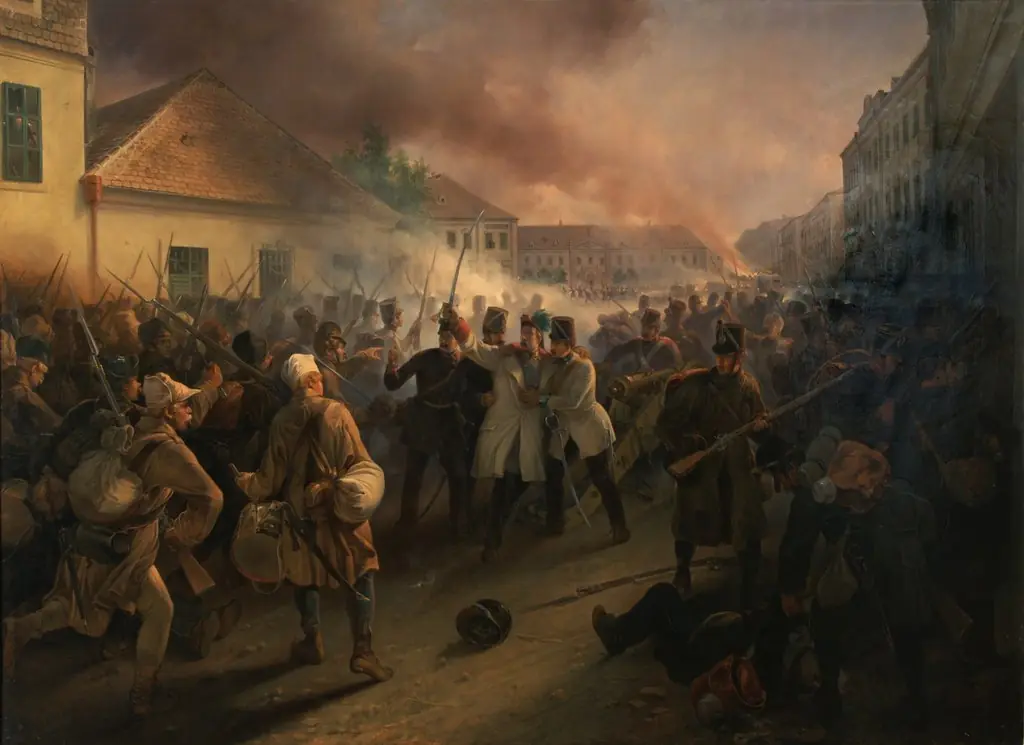 The Heroic Death of General Heinrich Hentzy von Arthurm
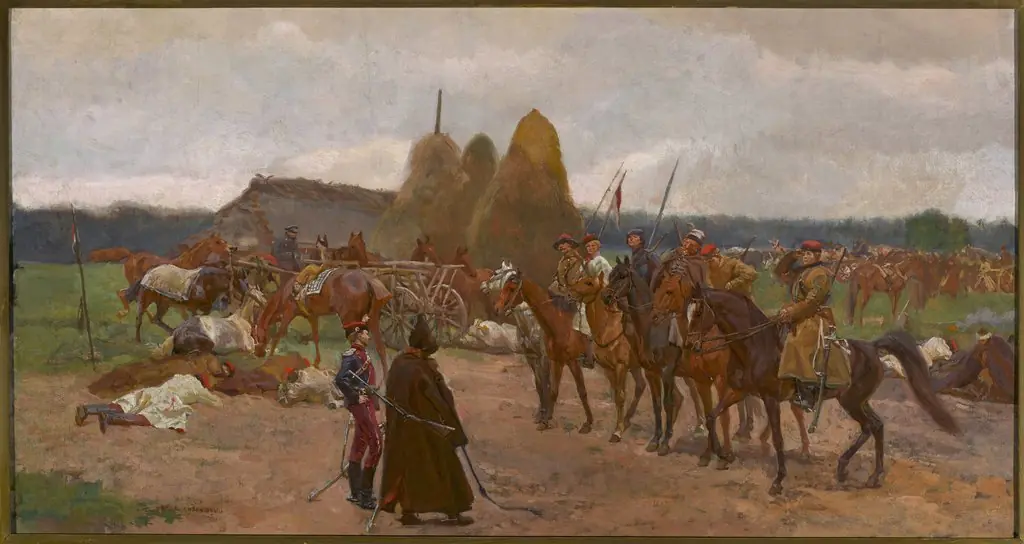 Insurrection episode
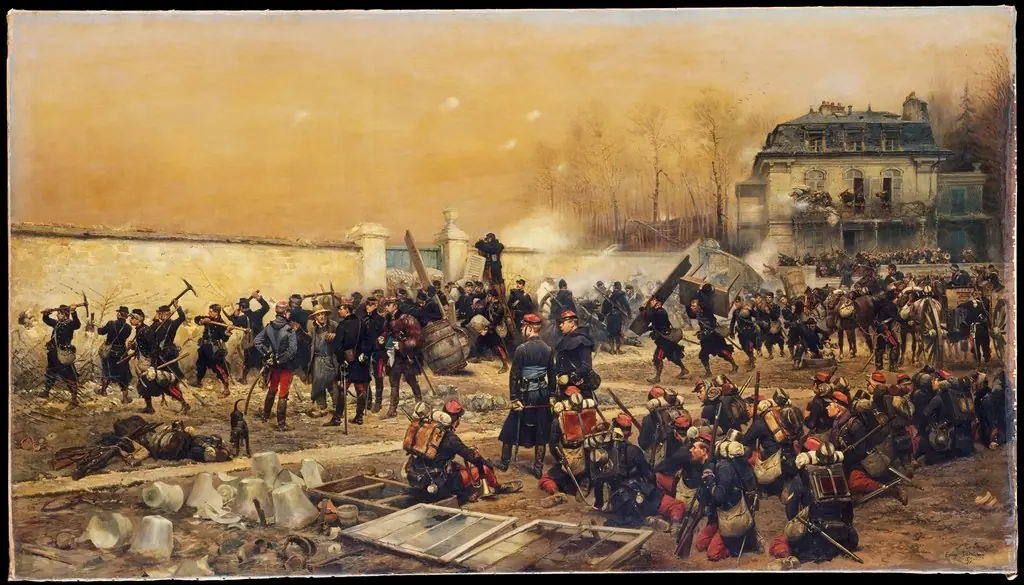
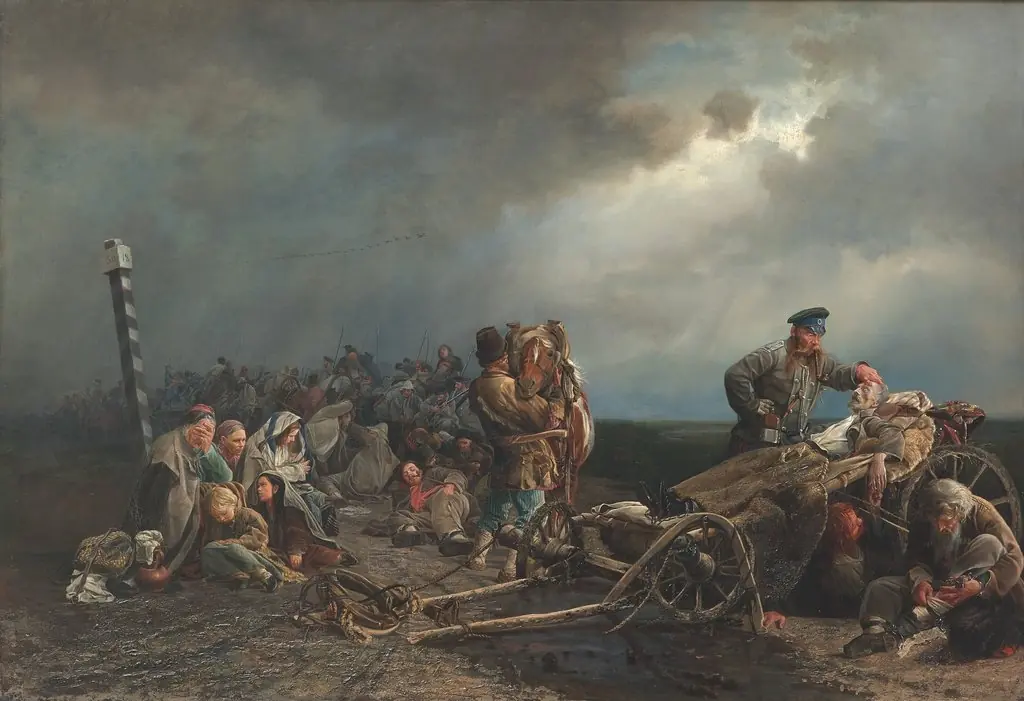 Halt for prisoners
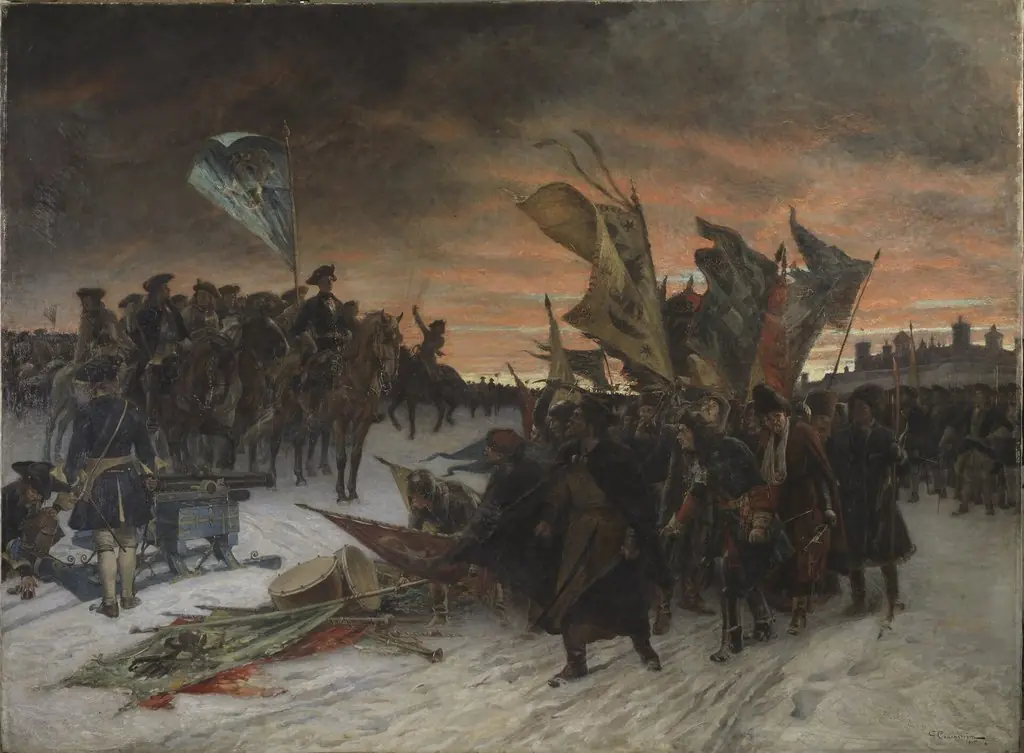 Victory at Narva
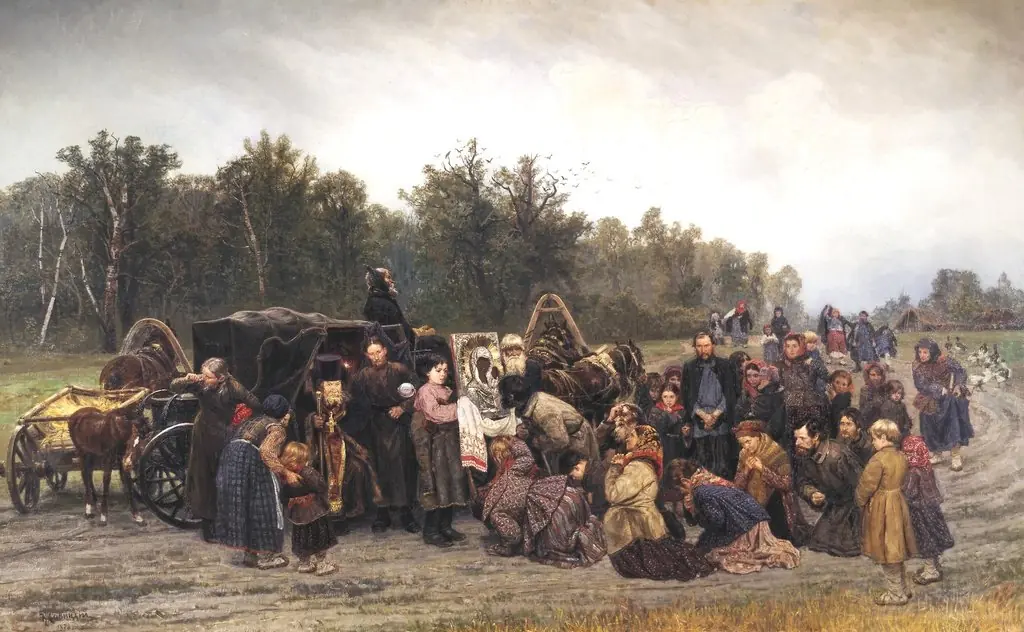 Welcomming the Icon
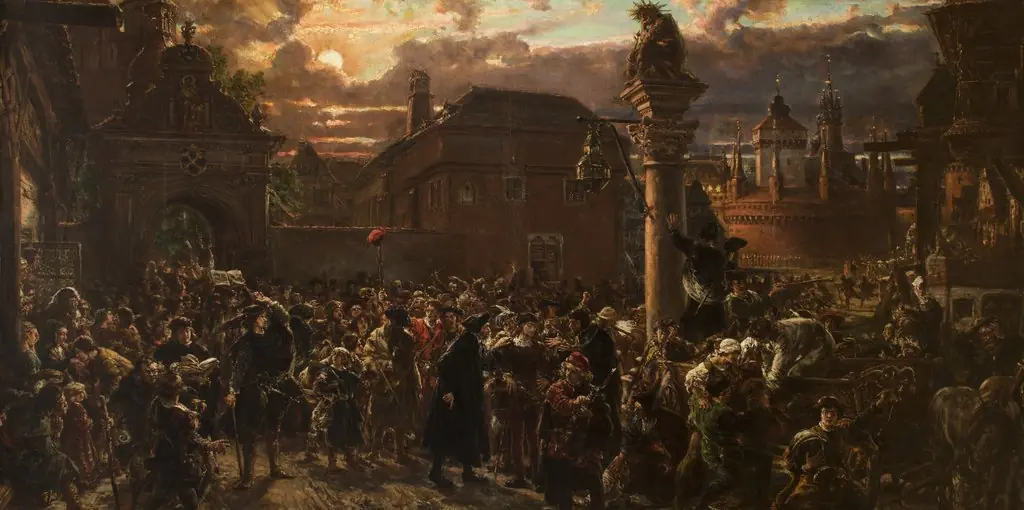 Students Leaving Krakow in 1549
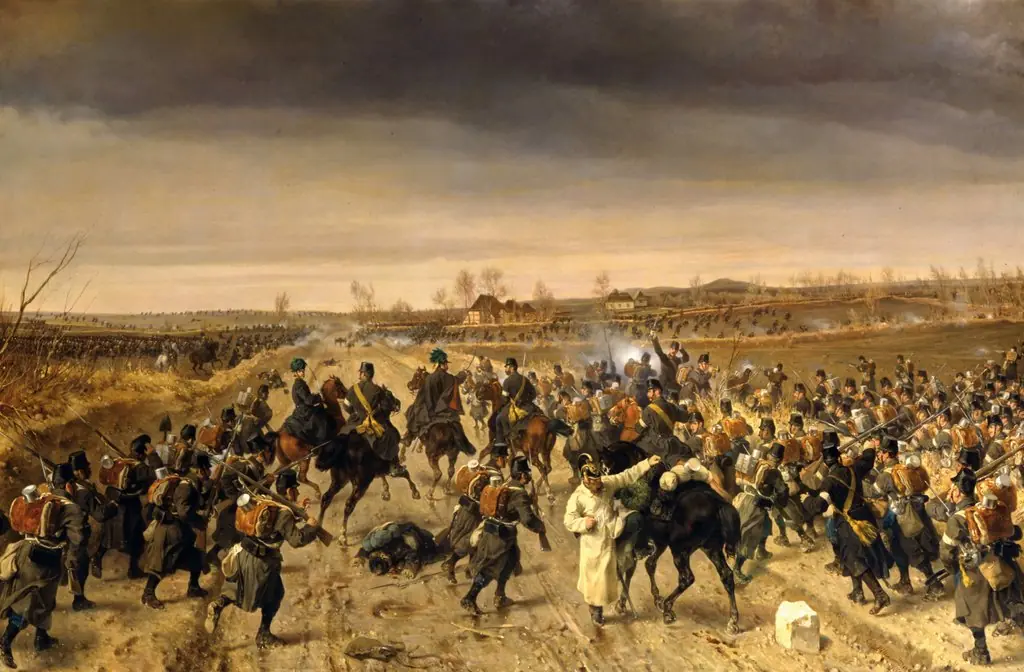 Die Schlacht bei Oberselk am 3. Februar 1864
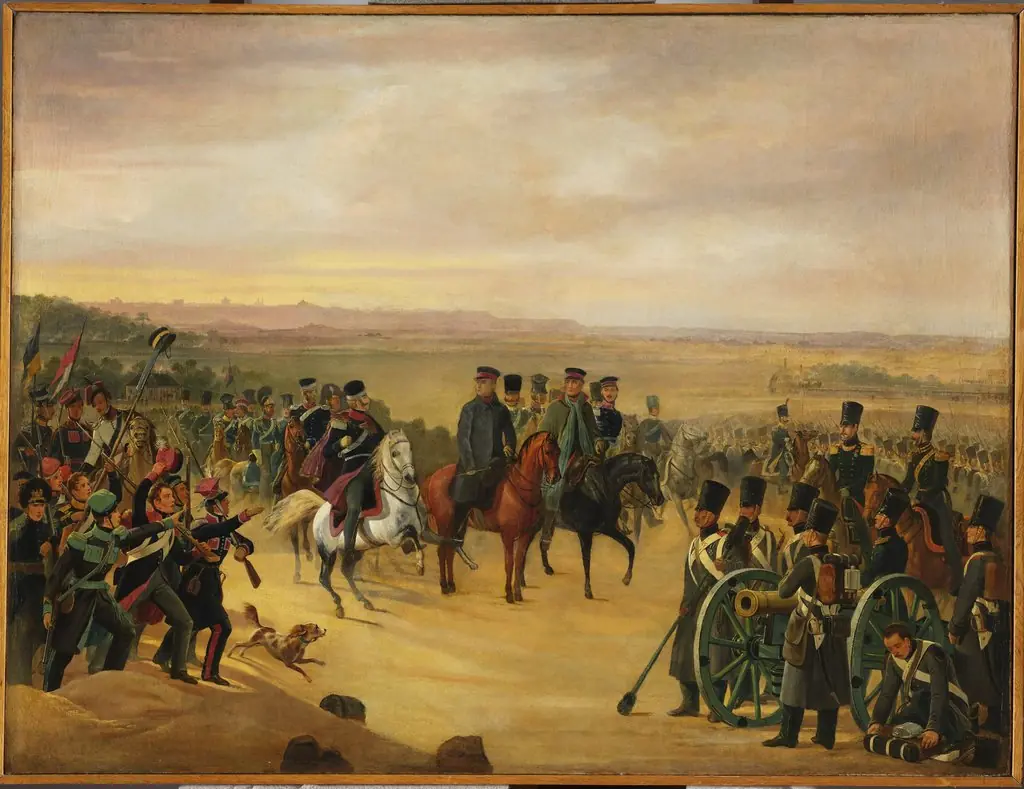 General Józef Chłopicki and Skrzynecki among soldiers
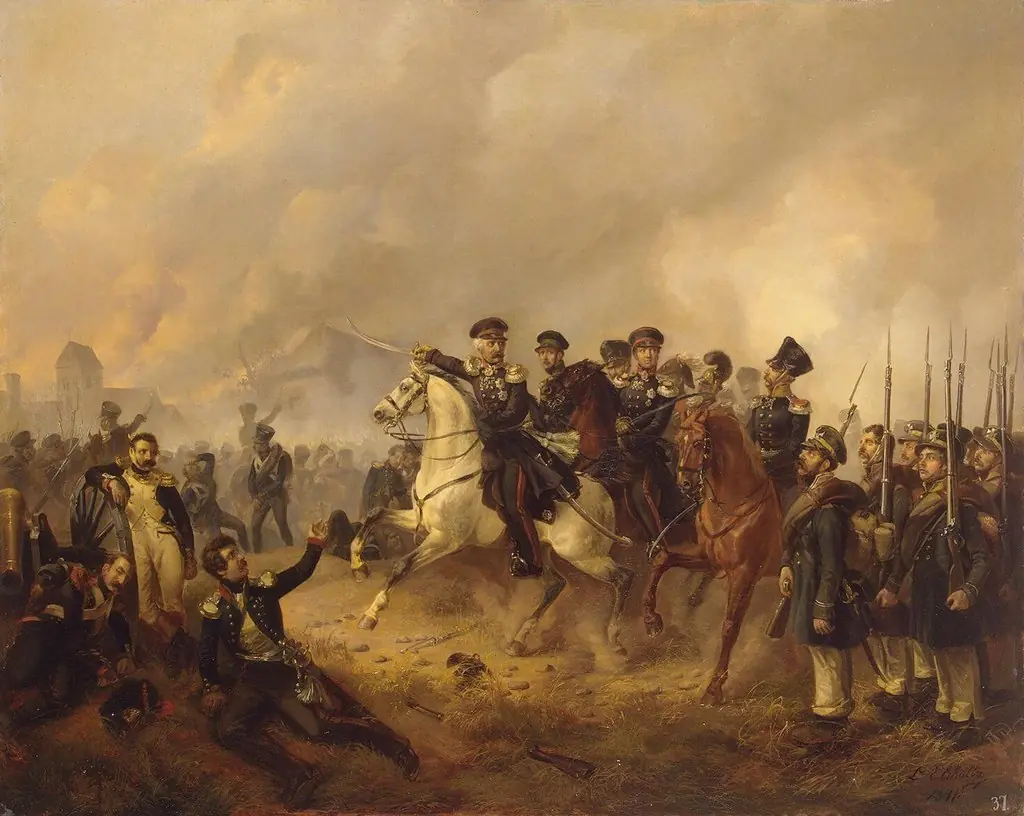 Marshal Blucher on the Battlefield