Artwork
Madame Vuillard in a Drawing Room
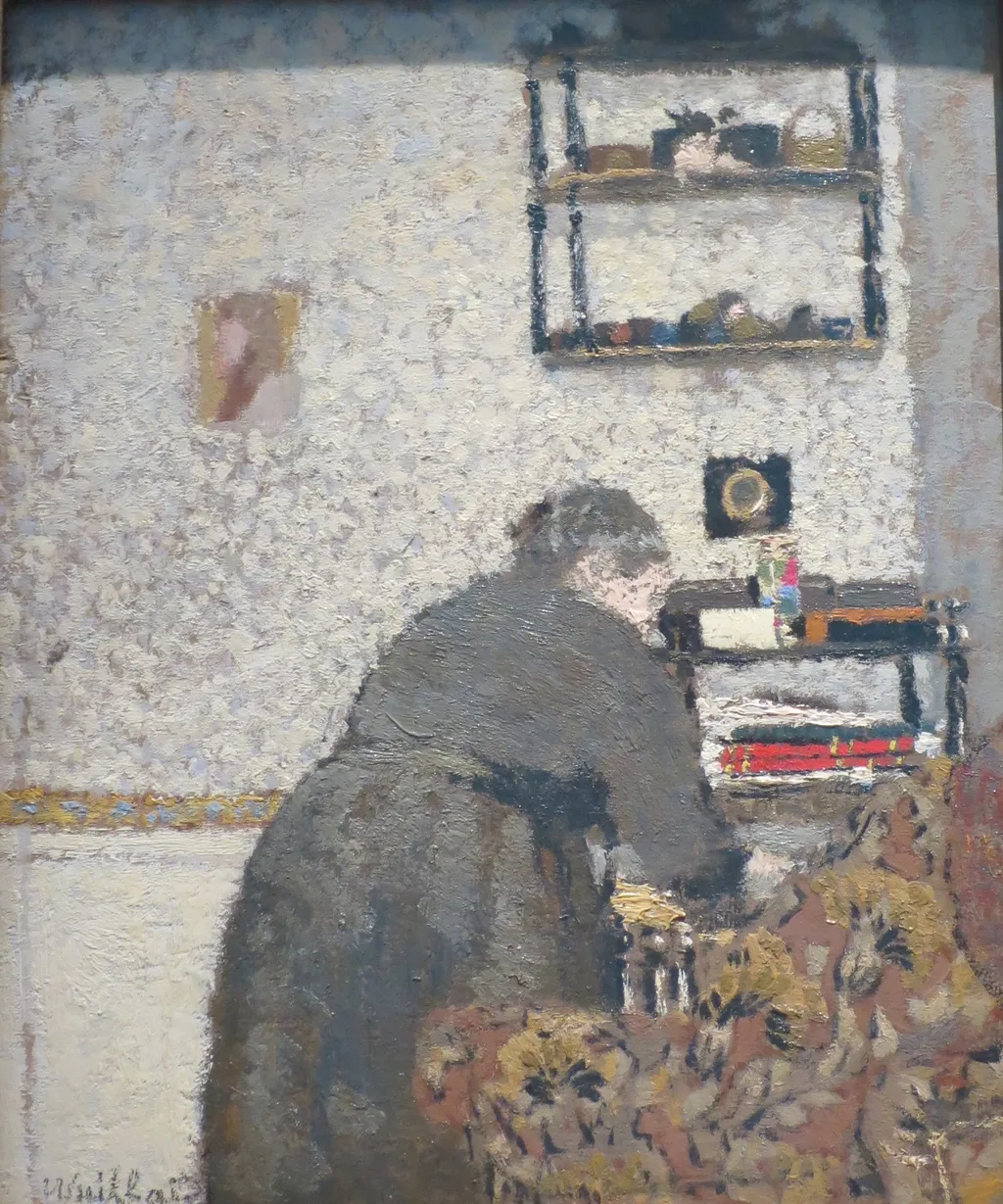
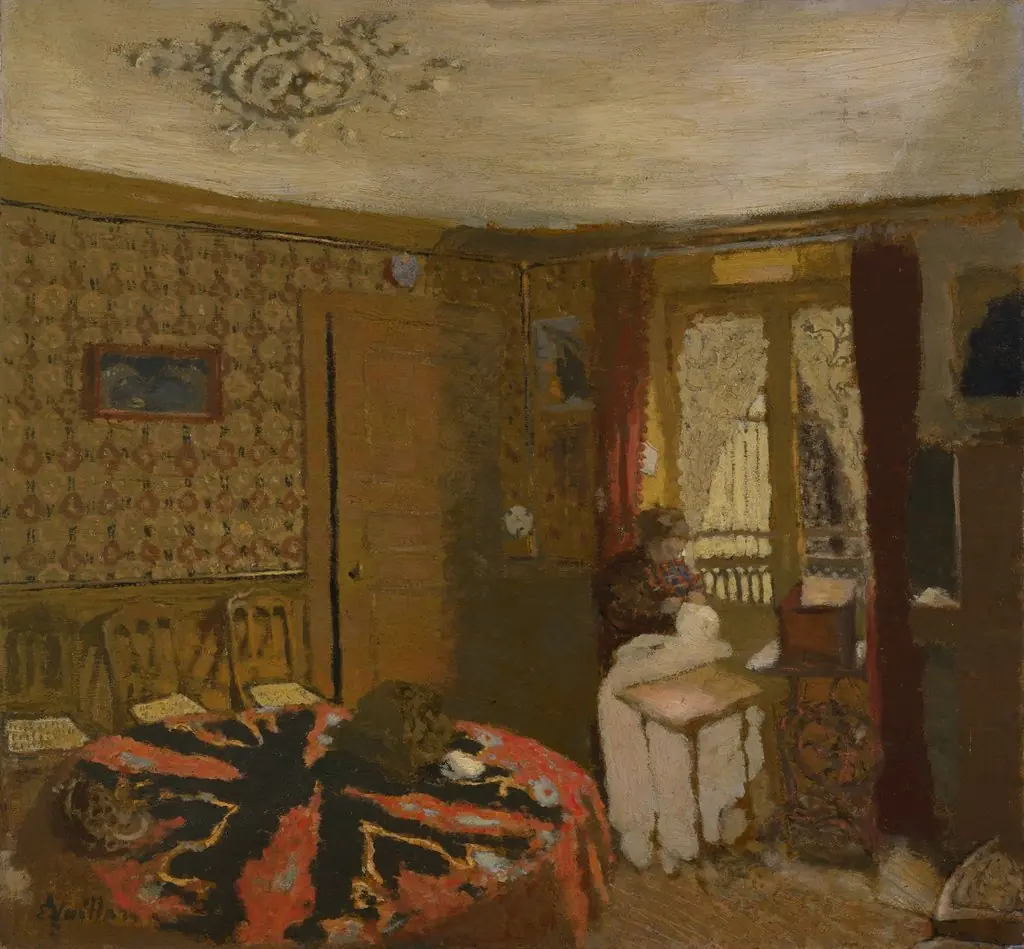
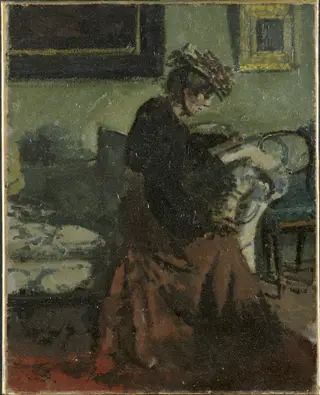
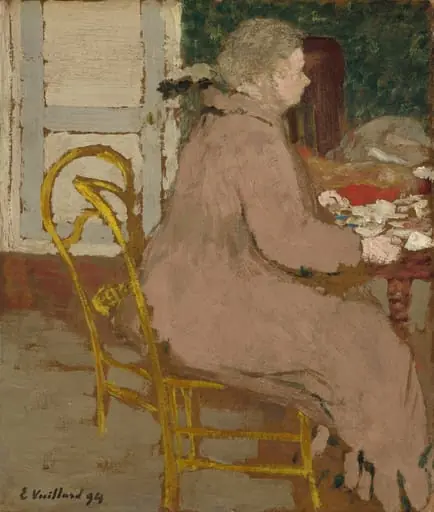
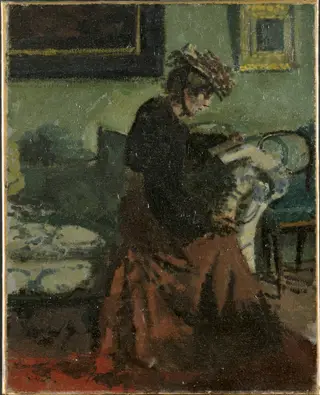
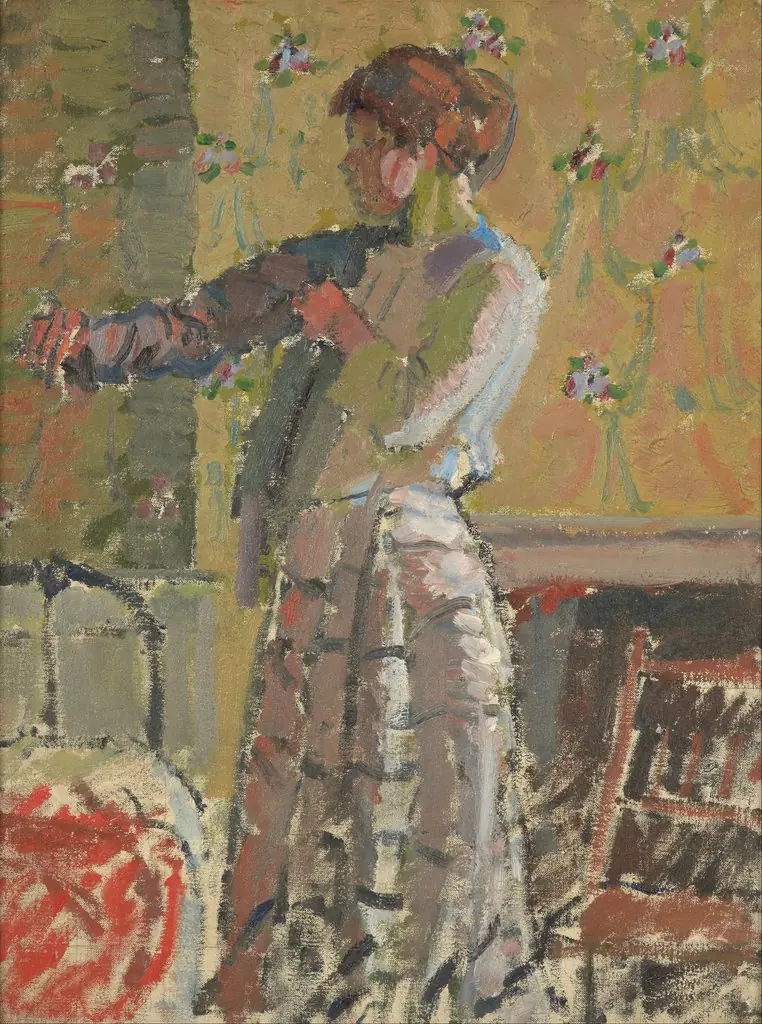
Madame Vuillard in a Drawing Room is an unspecified painting by the Les Nabis artist Édouard Vuillard. It dates from 1897 and is held in the collection of the Hermitage Museum.
About this work
Overview
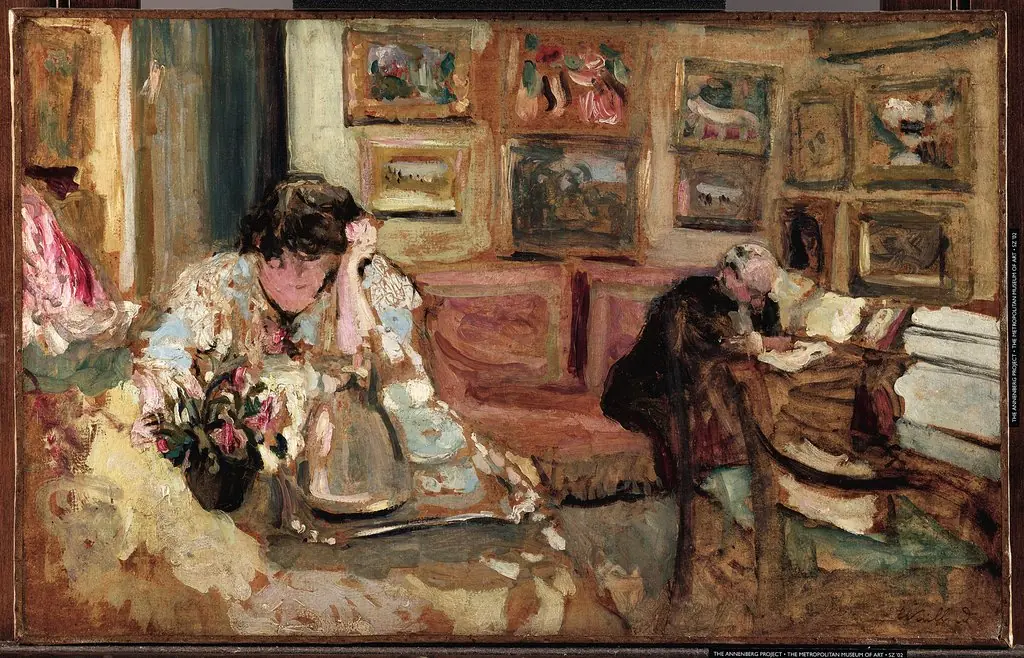
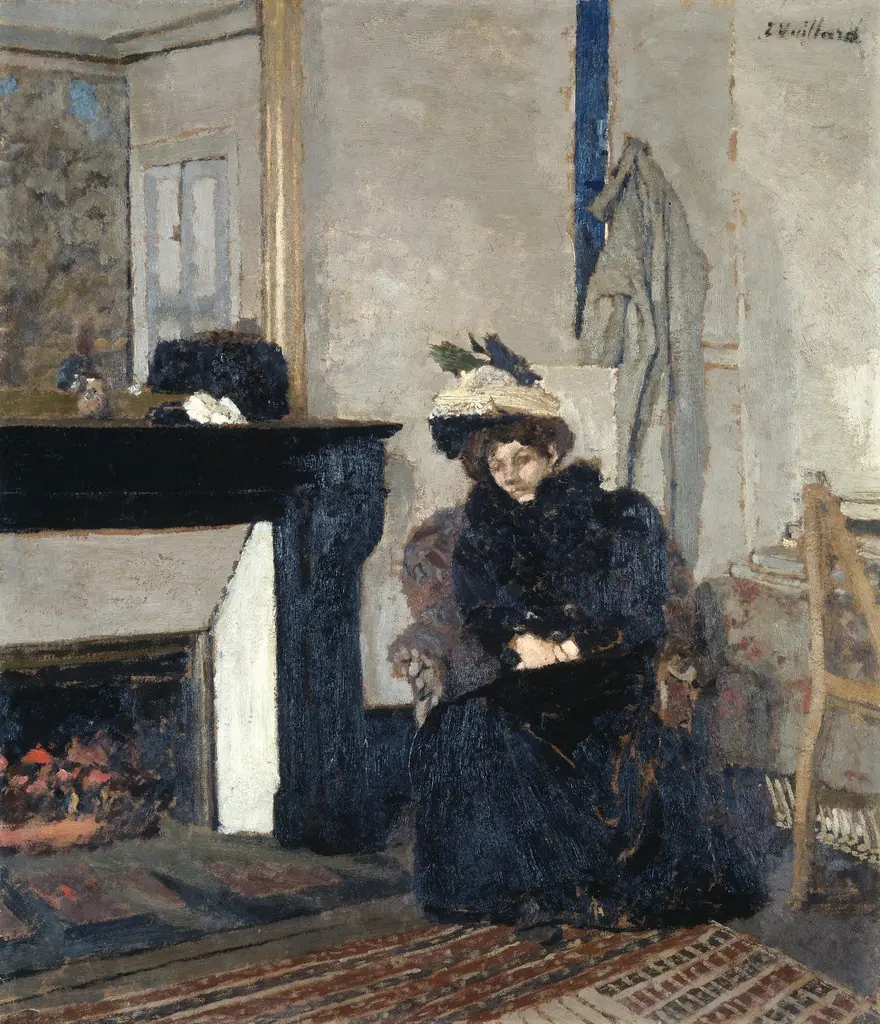
Painted in 1897 by Édouard Vuillard, this interior scene portrays his mother, Marie Vuillard, seated in their family home.
Painted in 1897 by Édouard Vuillard, this interior scene portrays his mother, Marie Vuillard, seated in their family home. It belongs to a series of domestic interiors Vuillard produced during his involvement with the Nabis, a group of post-Impressionist artists interested in symbolic form and decorative harmony. The work captures a moment of stillness, emphasizing the quiet rhythm of everyday life rather than narrative drama.
Subject & Meaning
The figure, Vuillard’s mother, faces away from the viewer, her posture suggesting introspection. Her presence anchors the composition, while the surrounding furnishings, patterned textiles, furniture, and decorative objects, form a personal environment. The scene conveys intimacy not through direct engagement but through the accumulation of private details, reflecting the Nabis’ interest in emotional resonance over external action.
Technique & Style
Vuillard employs flattened perspectives and dense, interlocking patterns drawn from Japanese woodblock prints. Color areas are applied in broad, unmodulated planes, with minimal modeling to define form. The surface is rich with texture through fabric, wallpaper, and carpet, yet spatial depth is deliberately subdued. Light is diffused and even, avoiding sharp contrasts to sustain a hushed, enclosed atmosphere.
History & Provenance
Created during Vuillard’s most distinctive Nabis period, the painting remained in the artist’s family until it entered the collection of the State Hermitage Museum in Saint Petersburg. Its acquisition by the museum reflects early 20th-century interest in French modernism among Russian collectors. The work has been consistently exhibited as a key example of intimate interior painting from the fin de siècle.
Context
In the late 1890s, Vuillard and his Nabis peers rejected naturalism in favor of subjective, patterned compositions. Domestic interiors became a primary subject, valued for their emotional and symbolic potential. This painting aligns with contemporaneous works by Bonnard and Denis, all seeking to elevate the mundane through stylized form and color, responding to broader shifts in European art toward psychological and decorative expression.
Legacy
Though Vuillard later moved toward more naturalistic portraiture, this painting endures as a defining example of his Nabis phase. Its influence is seen in 20th-century artists who explored interiority through pattern and stillness, from American Scene painters to mid-century figurative artists. The work remains a quiet testament to the poetic potential of ordinary domestic space.
Own this work as a print
Artist & collection
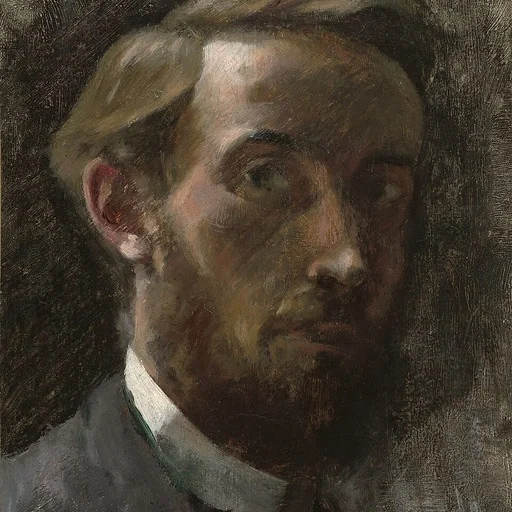
Artist
Jean-Édouard Vuillard (French:; 11 November 1868 – 21 June 1940) was a French painter, decorative artist, and printmaker.