Artwork
Window
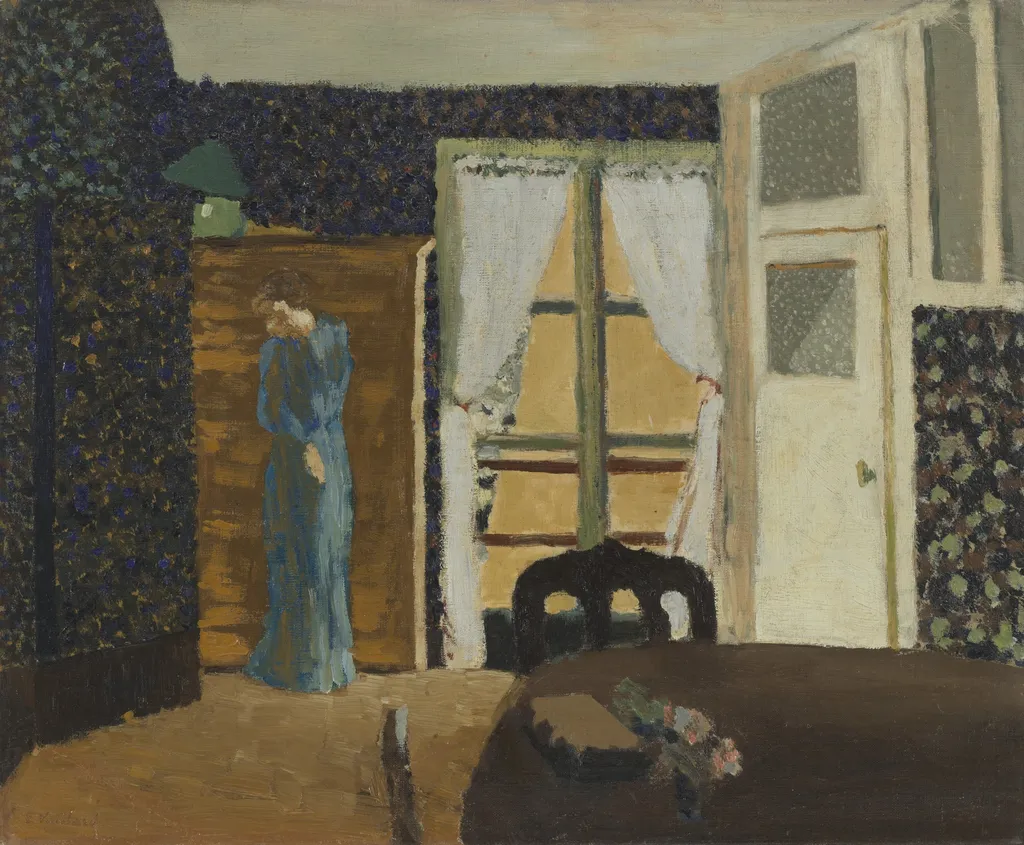
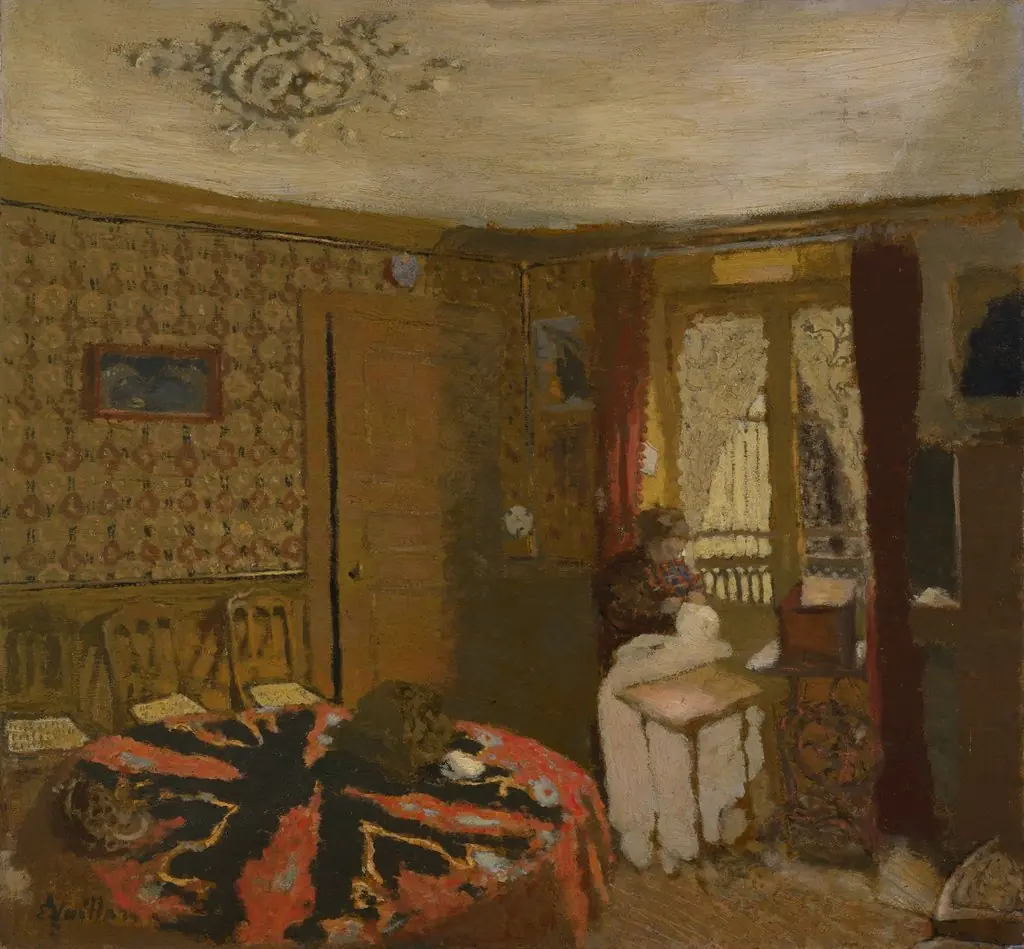
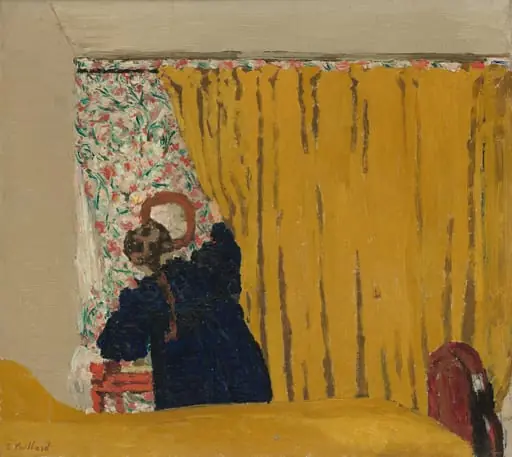
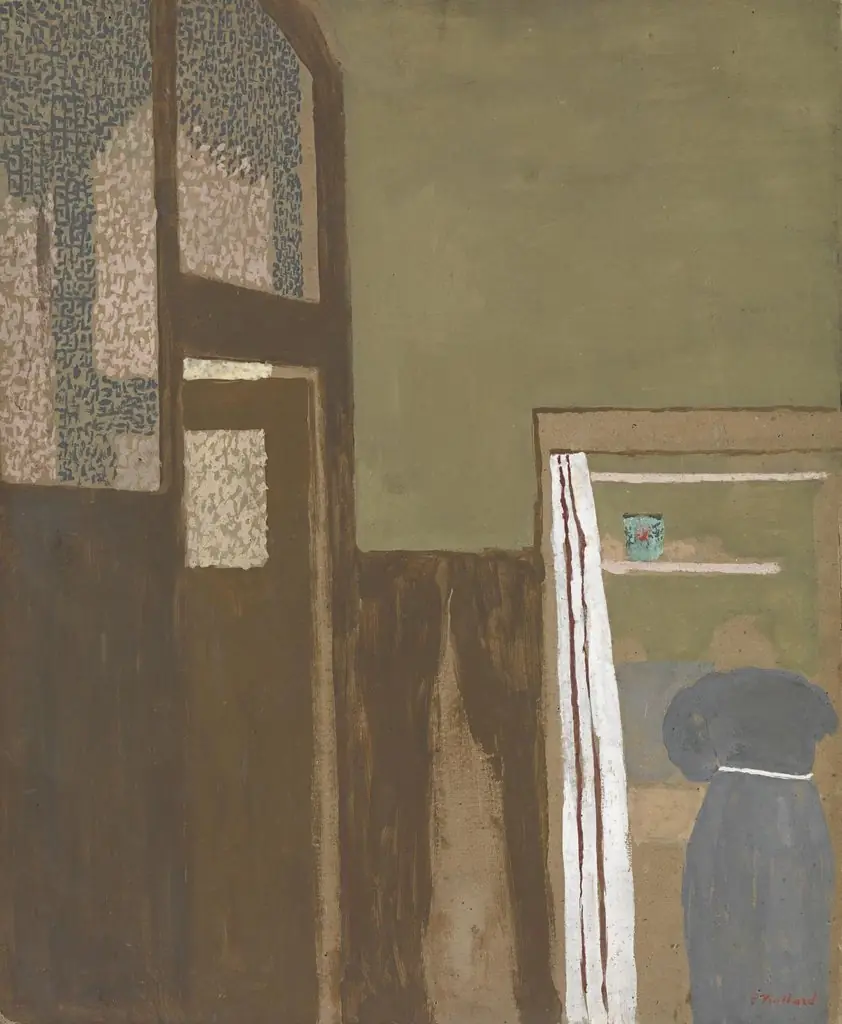
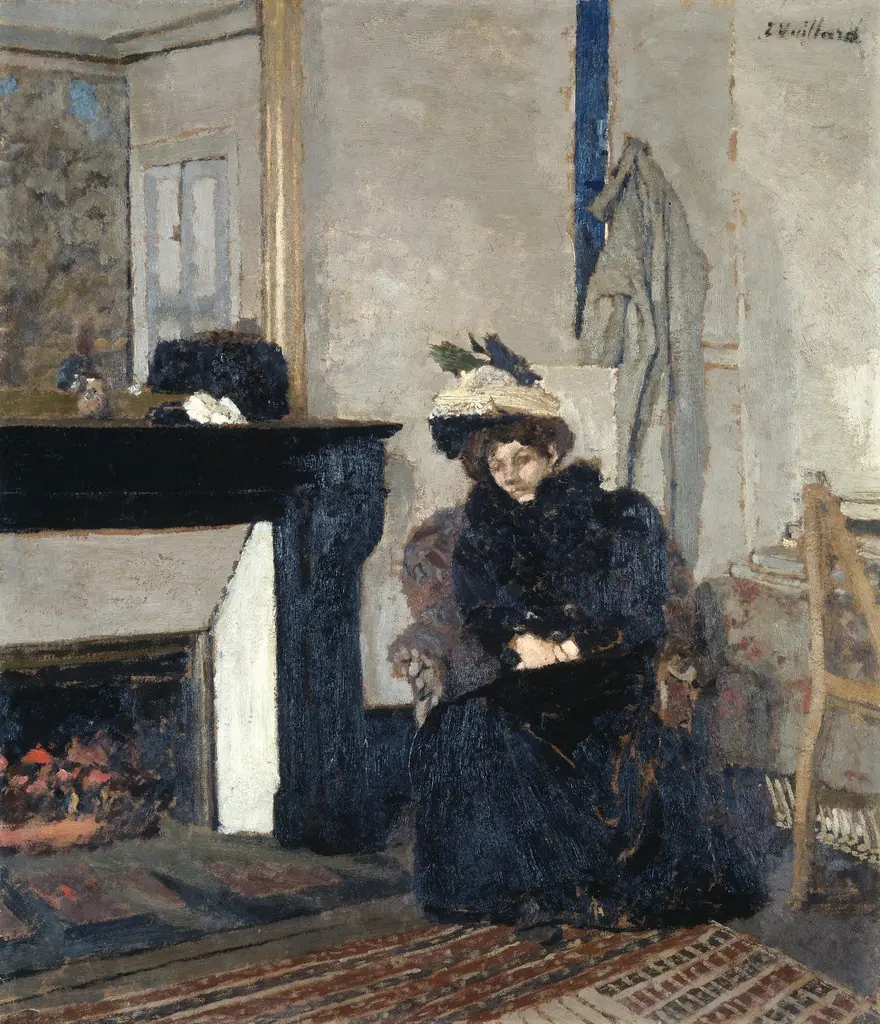
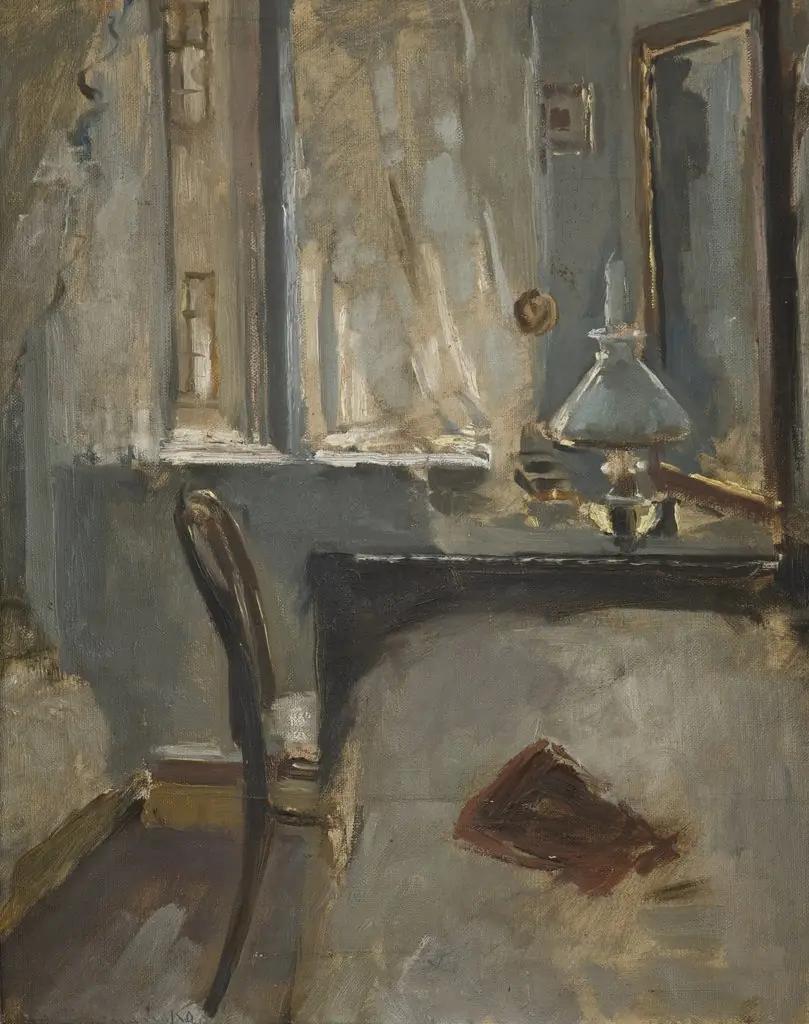
Window is an oil painting by the Les Nabis artist Édouard Vuillard. It dates from 1898 and is held in the collection of the Museum of Modern Art.
About this work
Overview
It belongs to a period when he was closely aligned with Les Nabis, a group of post-Impressionist artists seeking to move beyond naturalism.
Painted in 1898, Window is an oil on canvas work by French artist Édouard Vuillard. It belongs to a period when he was closely aligned with Les Nabis, a group of post-Impressionist artists seeking to move beyond naturalism. The painting captures a quiet interior moment, emphasizing color relationships and spatial compression rather than realistic depth, reflecting the group’s interest in symbolic and decorative form.
Subject & Meaning
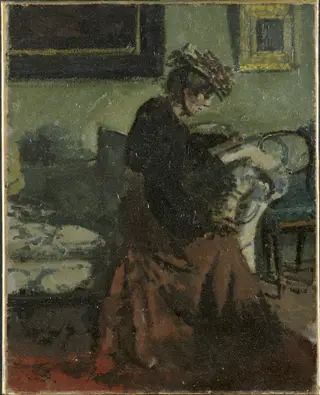
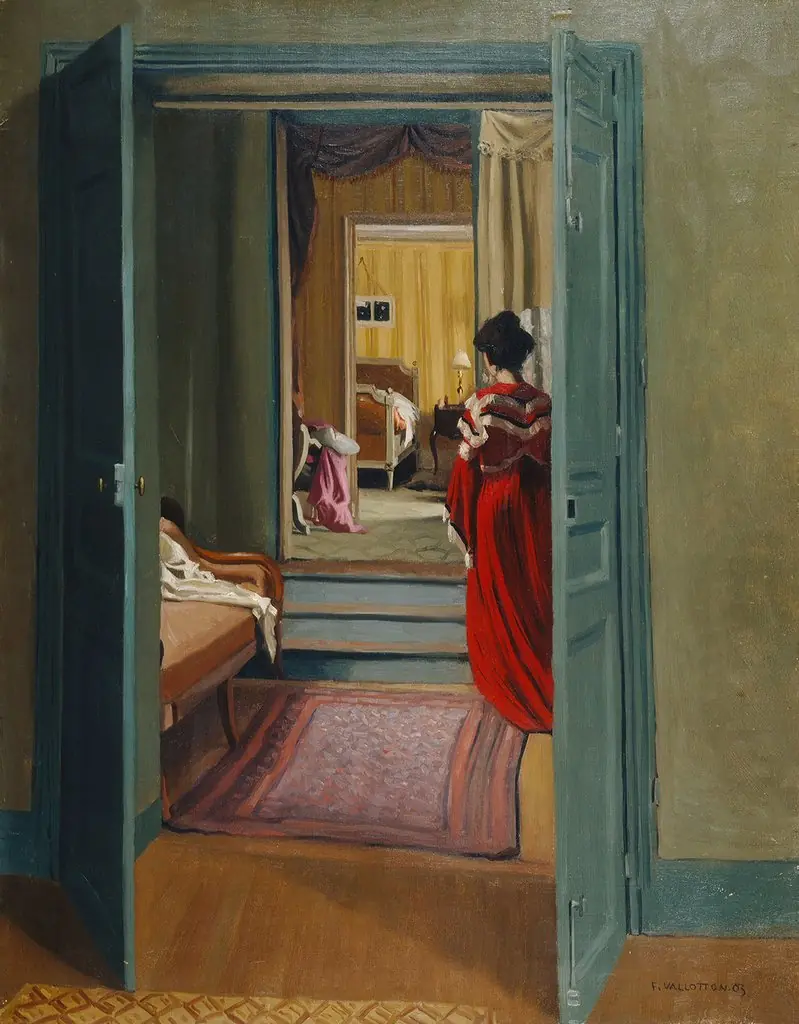
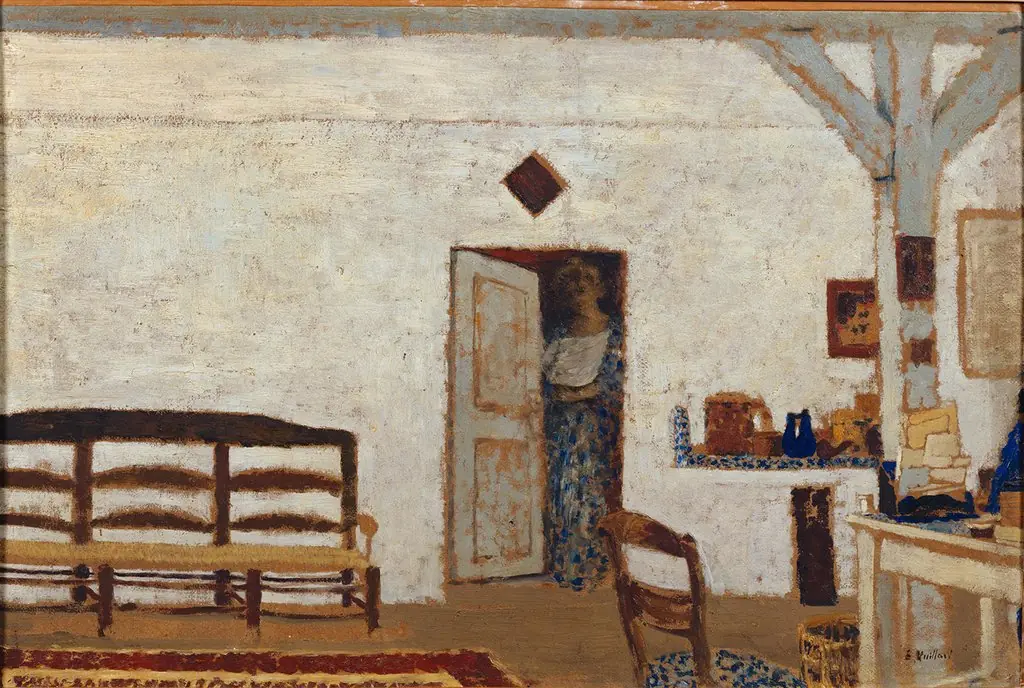
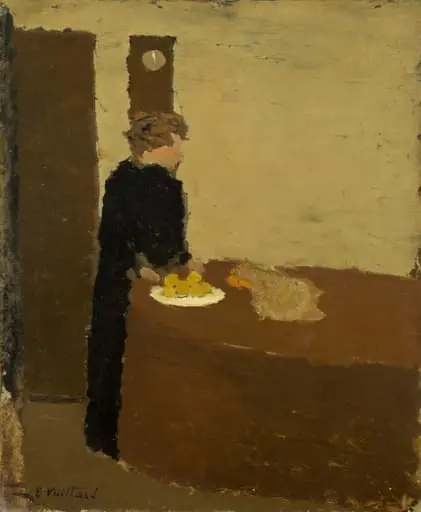
The scene shows a woman in a blue dress standing near a window, her gaze directed outward. The interior is dim, with light filtering softly from the window, suggesting a pause in daily life. Her stillness and the muted surroundings evoke introspection, not narrative.
Vuillard often used such moments to explore the emotional resonance of private spaces, where personal solitude is conveyed through posture and atmosphere rather than action.
Technique & Style
Vuillard applied oil paint in thin, layered washes, creating subtle transitions between tones. The composition flattens space, with patterned wallpaper and the window frame acting as rhythmic planes. Color is used expressively rather than descriptively, blues, grays, and warm ochres interact to suggest light and texture without modeling. This approach aligns with Nabi principles, drawing from Japanese woodblock prints and rejecting traditional perspective.
History & Provenance
Created during Vuillard’s most experimental phase, Window remained in private hands until entering the Museum of Modern Art’s collection. Its acquisition reflects the institution’s early commitment to modern European painting beyond Impressionism. While little is documented about its early ownership, its inclusion in MoMA’s permanent holdings underscores its significance in the development of early modern interior scenes.
Context
In late 19th-century Paris, artists like Vuillard rejected academic realism in favor of subjective, stylized representation. Les Nabis sought to unify art and life, often painting domestic interiors as sites of psychological and aesthetic harmony. Window reflects this ethos, merging decorative sensibility with intimate observation, and aligning with broader trends in Symbolism and the rise of the modern private sphere as artistic subject.
Legacy
Vuillard’s quiet interiors influenced later generations of painters interested in psychological depth and restrained color. Window exemplifies how everyday moments could be transformed through formal discipline and emotional nuance. Its presence in MoMA’s collection ensures its role as a touchstone in discussions of modernism’s shift from external observation to internal experience.
Own this work as a print
Artist & collection
Artist
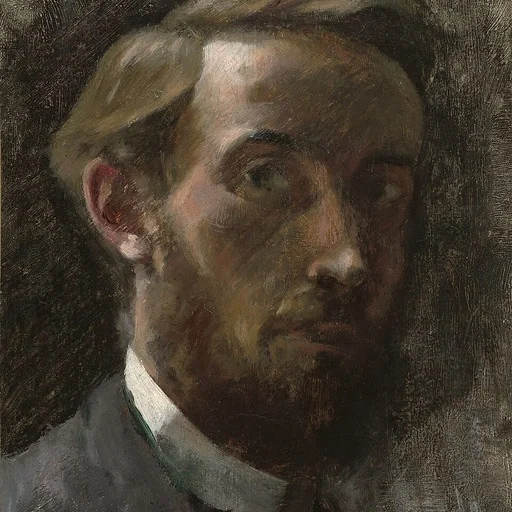
Jean-Édouard Vuillard (French:; 11 November 1868 – 21 June 1940) was a French painter, decorative artist, and printmaker.