Artwork
John Lothrop
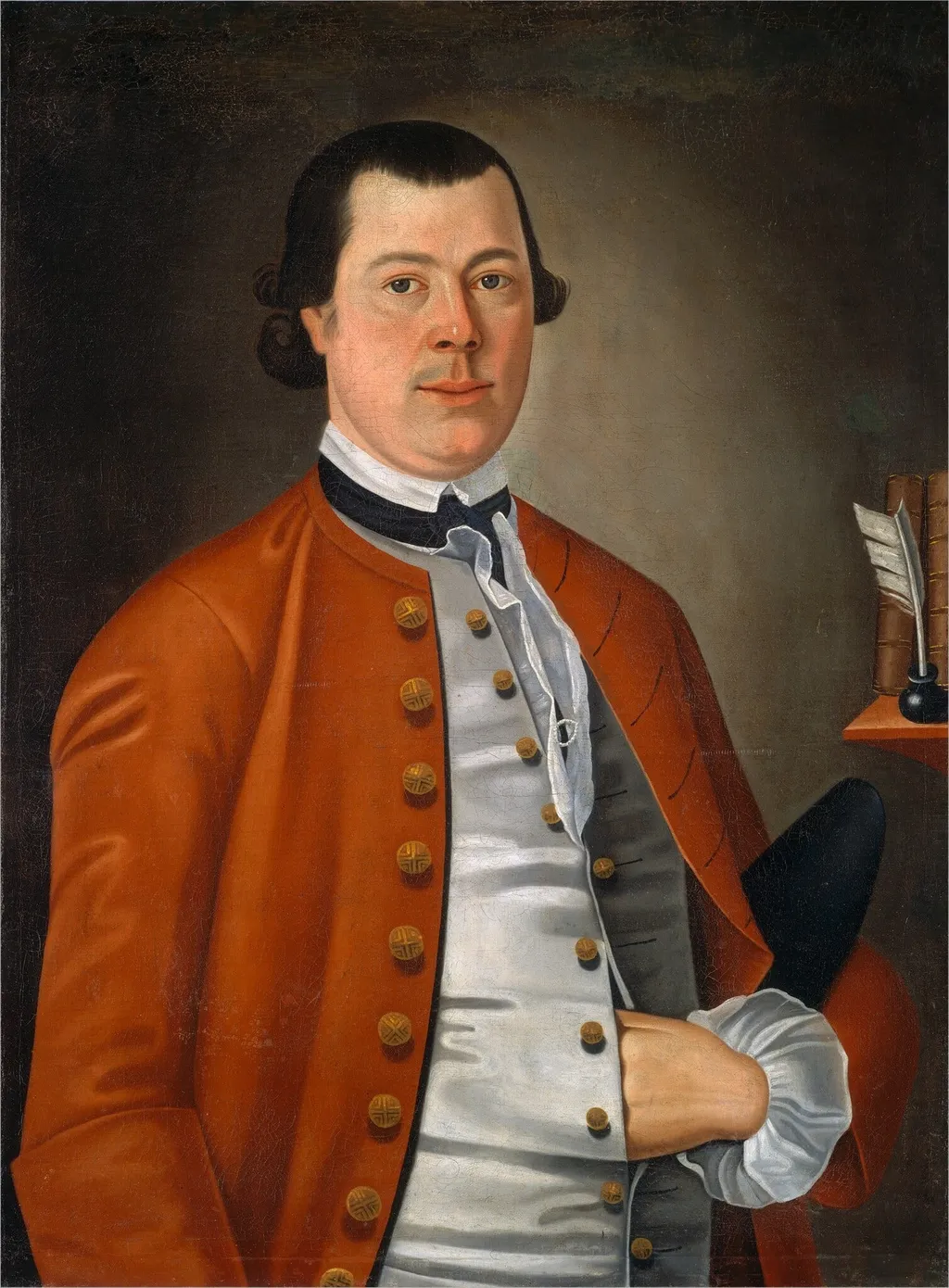
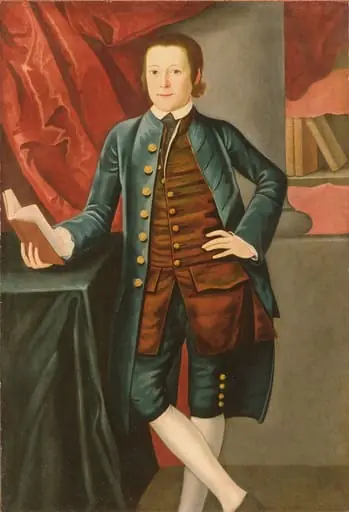
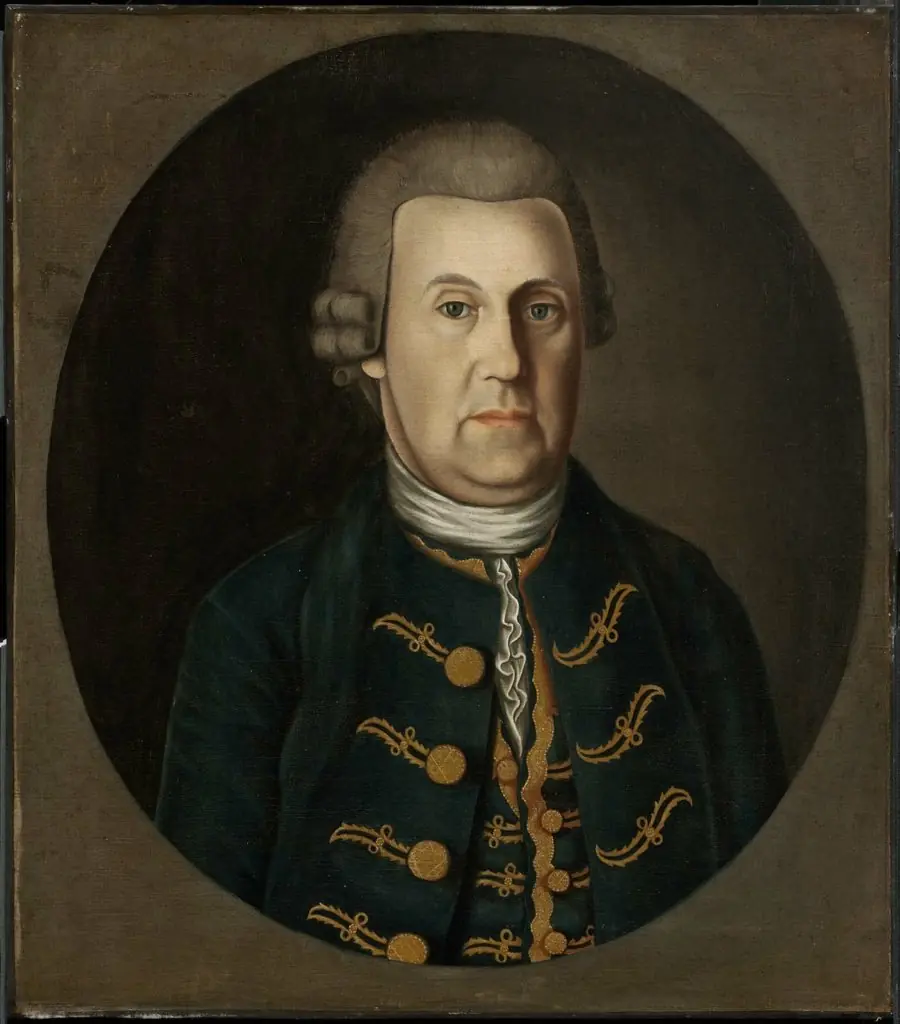
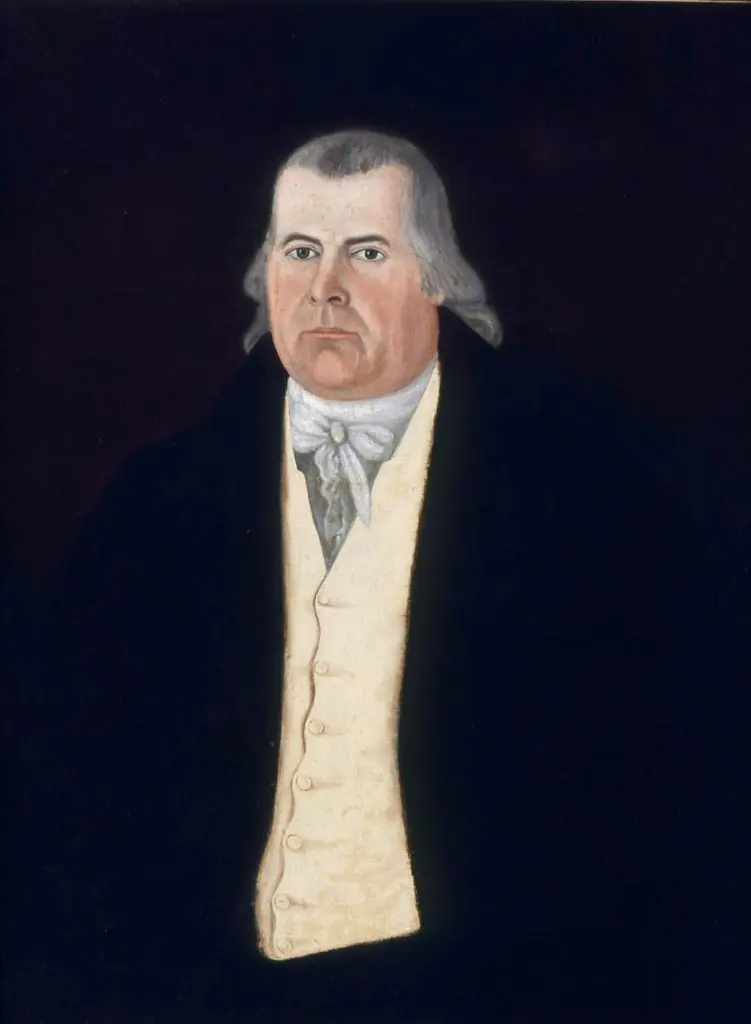
John Lothrop is an oil painting by the Rococo painting artist John Durand. It dates from 1770 and is held in the collection of the National Gallery of Art.
About this work
Subject & Meaning
This representation conveys themes of duty, piety, and the foundational role of New England ministers in shaping early American religious identity.
The painting portrays John Lothrop, a New England clergyman, as an emblem of early American Puritan spirituality. The work’s iconography, depicting Lothrop in clerical attire against a muted backdrop, symbolizes the solemnity of the colonial clergy and the moral gravity of their religious vocation. This representation conveys themes of duty, piety, and the foundational role of New England ministers in shaping early American religious identity.
Technique & Style
The work is an oil painting executed on canvas, reflecting 18th-century American portraiture techniques. Its dimensions measure 90.8 cm in height by 70.6 cm in width, corresponding to the formal scale typical of early American portrait conventions.
The handling of light and brushwork aligns with the stylistic characteristics of John Durand’s portraiture, emphasizing clarity of form and restrained tonal modeling.
The painting was created in 1770 and entered the National Gallery of Art’s collection through the bequest of Edgar William and Bernice Chrysler Garbisch in 1980.
History & Provenance
John Lothrop was painted by John Durand in 1770 using oil on canvas. The work entered the collection of Edgar William and Bernice Chrysler Garbisch in 1955 and was bequeathed to the National Gallery of Art in 1980. It remains in the National Gallery of Art's collection in Washington, D.C.
The painting is held by the National Gallery of Art in Washington, D.C. It entered the collection by bequest from Edgar William and Bernice Chrysler Garbisch in 1980, having been purchased by the couple in 1955. The work was recorded as being from New York prior to their acquisition.
Overview
John Lothrop is an oil on canvas portrait executed around 1770 by the British painter John Durand. The work presents a single figure in period attire, rendered with the compositional clarity typical of late‑18th‑century portraiture. Its modest size and restrained palette focus attention on the sitter’s dress and accessories, offering a glimpse into the visual culture of the era.
Own this work as a print
Artist & collection

Artist
John Durand (active 1765–1782) was a colonial American portraitist. With John Mare, Abraham Delanoy, and Lawrence Kilburn, he was one of a number of portraitists living and working in New York City during the 1760s.…