Artwork
Jacob Hurd
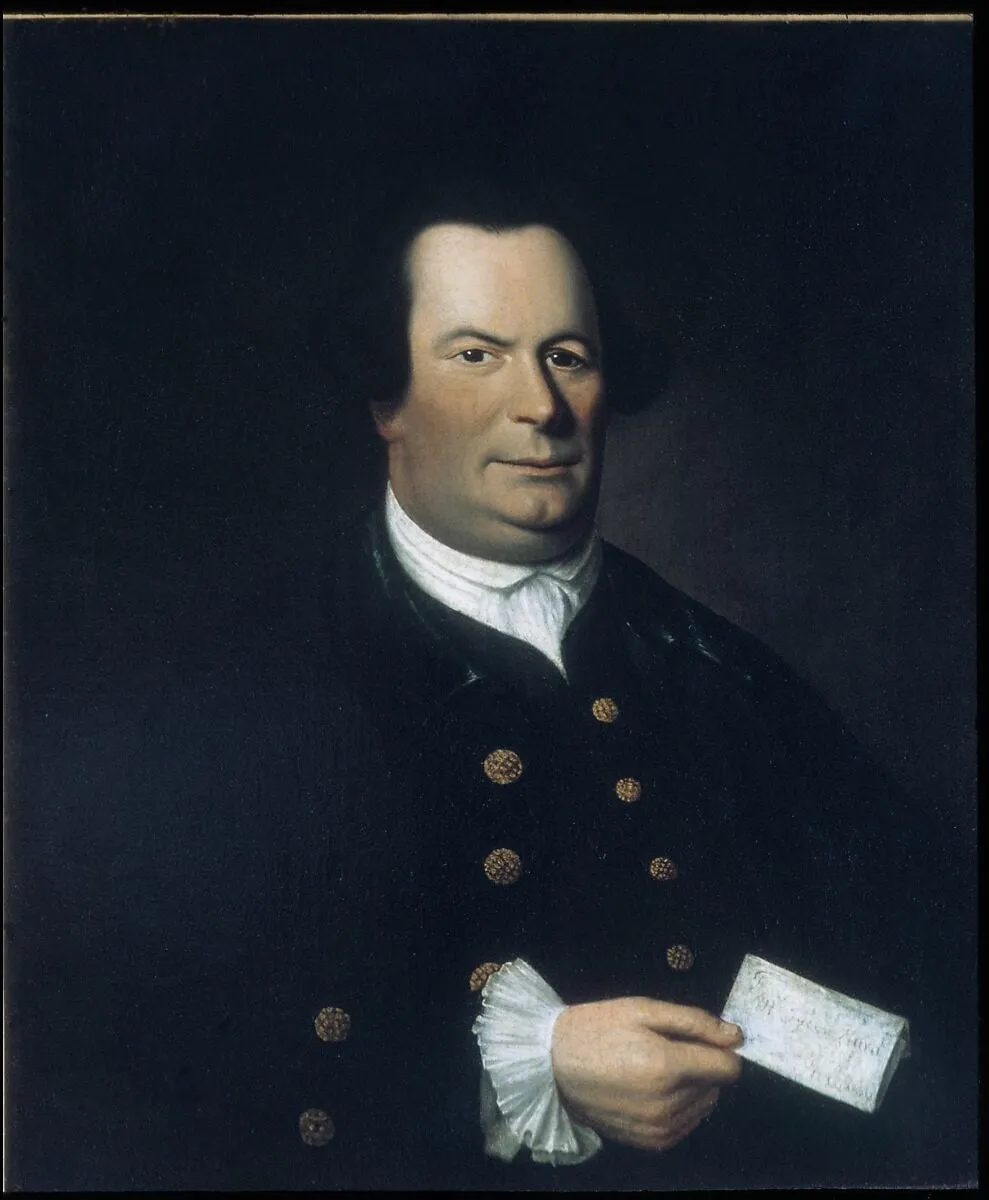
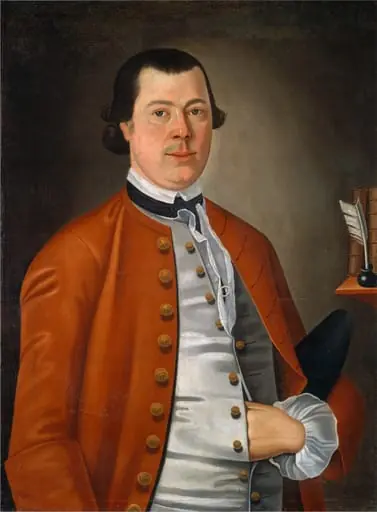
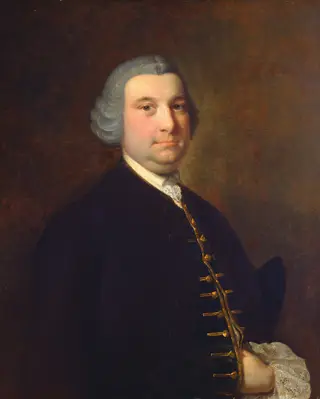
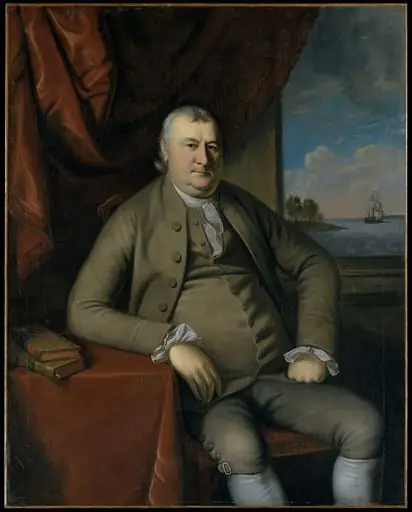
Jacob Hurd is an oil painting by the Rococo painting artist John Singleton Copley. It dates from 1762 and is held in the collection of the Metropolitan Museum of Art.
About this work
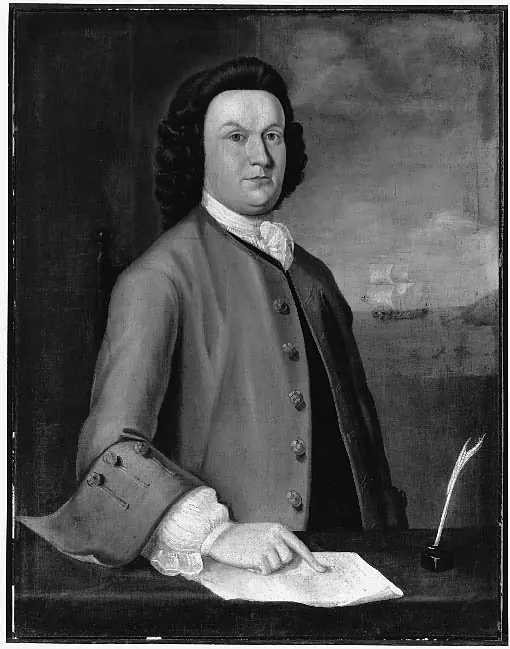
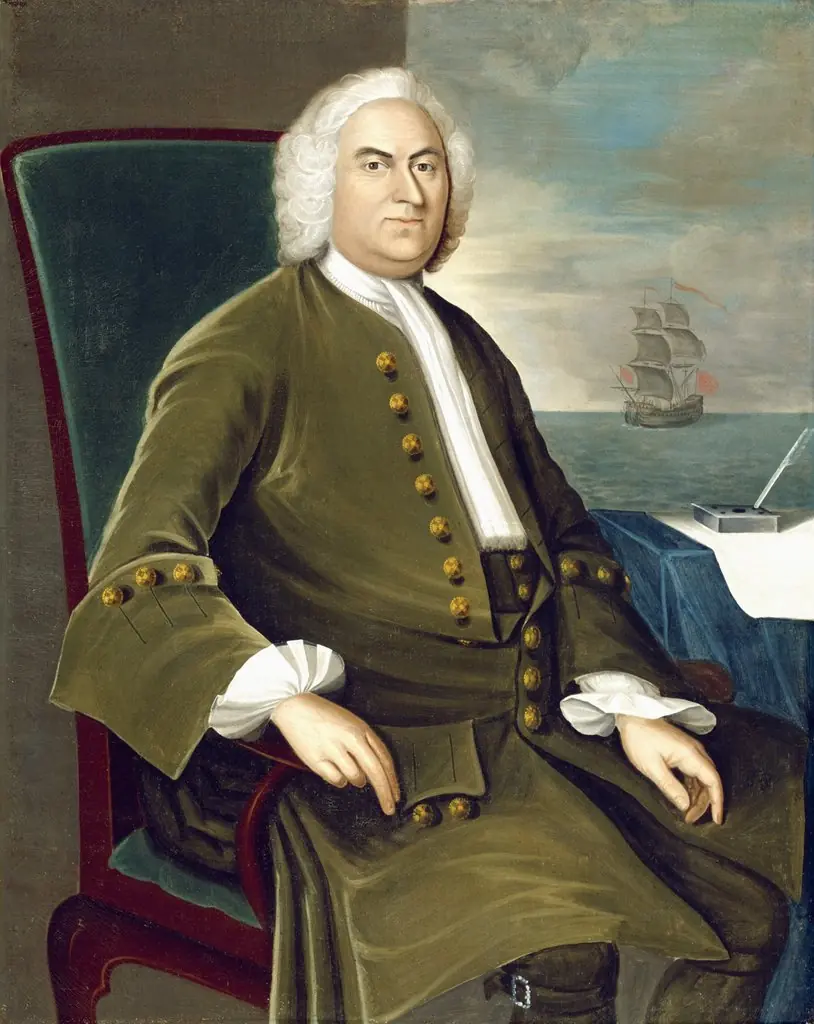
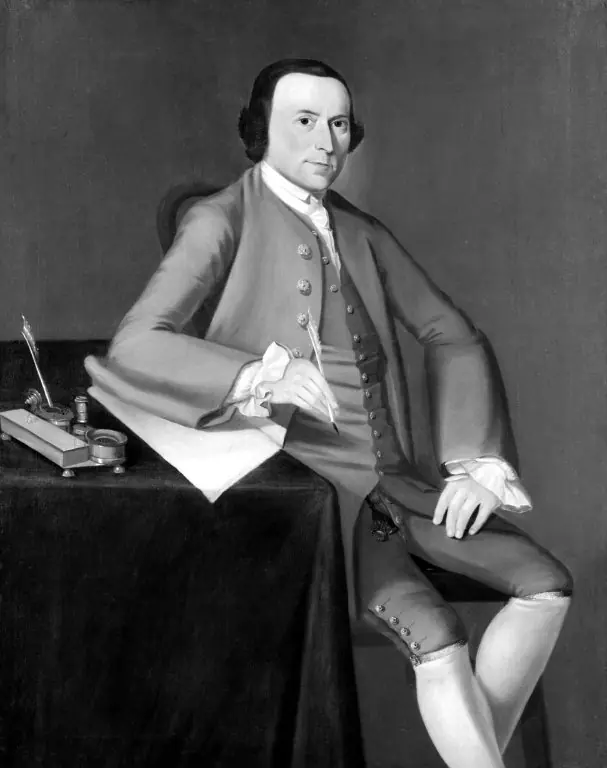
A man in a dark coat and white cravat sits in a plain wooden chair against an empty ground. Copley painted him in Boston around 1762, while America was still a British colony, giving him a calm, direct gaze. The lace cuffs and the light across his face show careful, assured handling.
Subject & Meaning
Created in 1762, the painting presents Hurd in a straightforward manner consistent with the genre of portraiture, focusing entirely on his likeness.
The work is a portrait depicting Jacob Hurd, the sole subject of the composition. Created in 1762, the painting presents Hurd in a straightforward manner consistent with the genre of portraiture, focusing entirely on his likeness. The sources identify the sitter and the nature of the image as a portrait but do not provide details of additional iconographic elements, symbolic objects, or allegorical meanings.
The representation functions primarily as a direct visual record of the individual, without explicit narrative or symbolic embellishment described in the available documentation.
History & Provenance
The portrait of Jacob Hurd is held in the collection of the Metropolitan Museum of Art. According to the available sources it is attributed to William Johnston and dated 1762. The painting is executed in oil on canvas and measures 76.2 cm in height by 63.5 cm in width.
The sources confirm the work's location within the museum but do not provide a specific accession number or document a history of exhibitions for the piece.
Overview
This oil on canvas depicts Jacob Hurd, a figure from colonial Boston, around 1762. The portrait presents him seated in a simple wooden chair, dressed in a dark coat and white cravat, against an unadorned background. The work offers a direct portrayal of the sitter, characteristic of portraiture from the American colonies during the mid-18th century.
Technique & Style
The artist rendered Jacob Hurd with a calm and direct gaze, creating a sense of immediate engagement with the viewer. Careful attention to detail is evident in the depiction of his lace cuffs and the subtle play of light across his face. These elements demonstrate the painter's skill in capturing both the likeness and presence of the sitter, employing techniques common in portraiture of the period.
Context
Created in Boston around 1762, this portrait emerged during a period when the American colonies were still under British rule. The work reflects the cultural landscape of colonial society, where portraiture served to document individuals and convey their status. It offers insight into the visual culture of a burgeoning American identity prior to the Revolutionary War.
Artist & collection

Artist
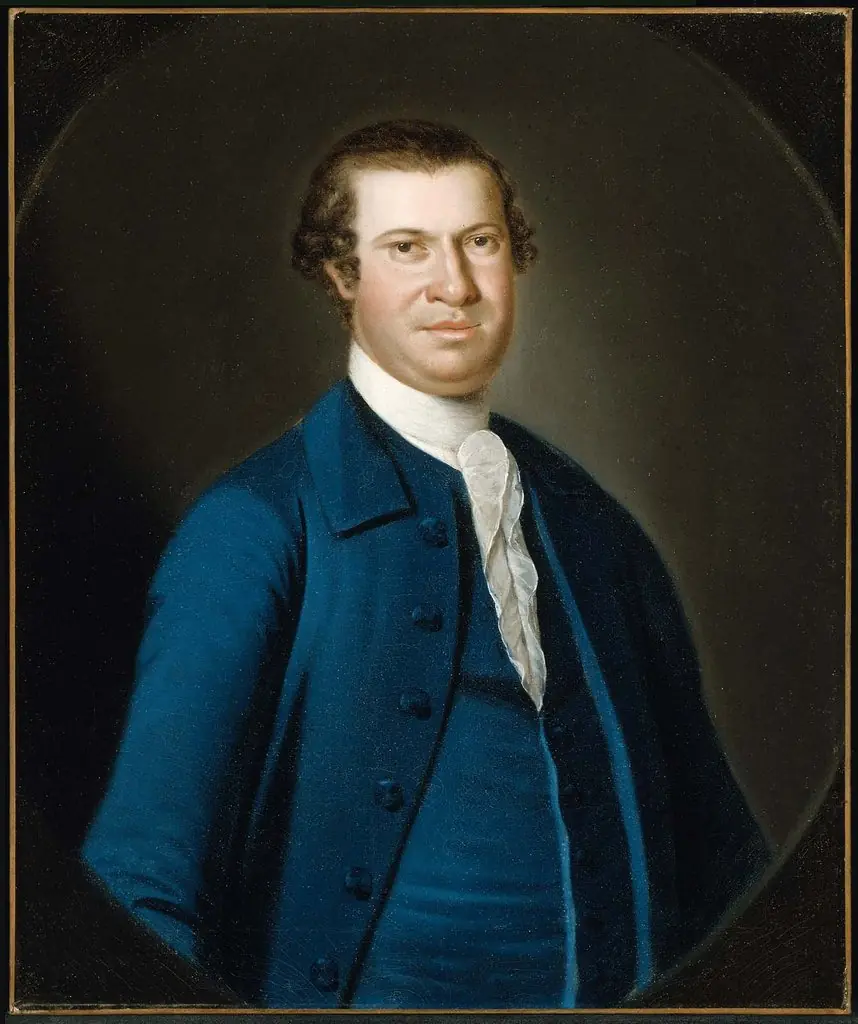
John Singleton Copley (July 3, 1738 – September 9, 1815) was an American-born British painter active in both the Thirteen Colonies and England.