Artwork
March
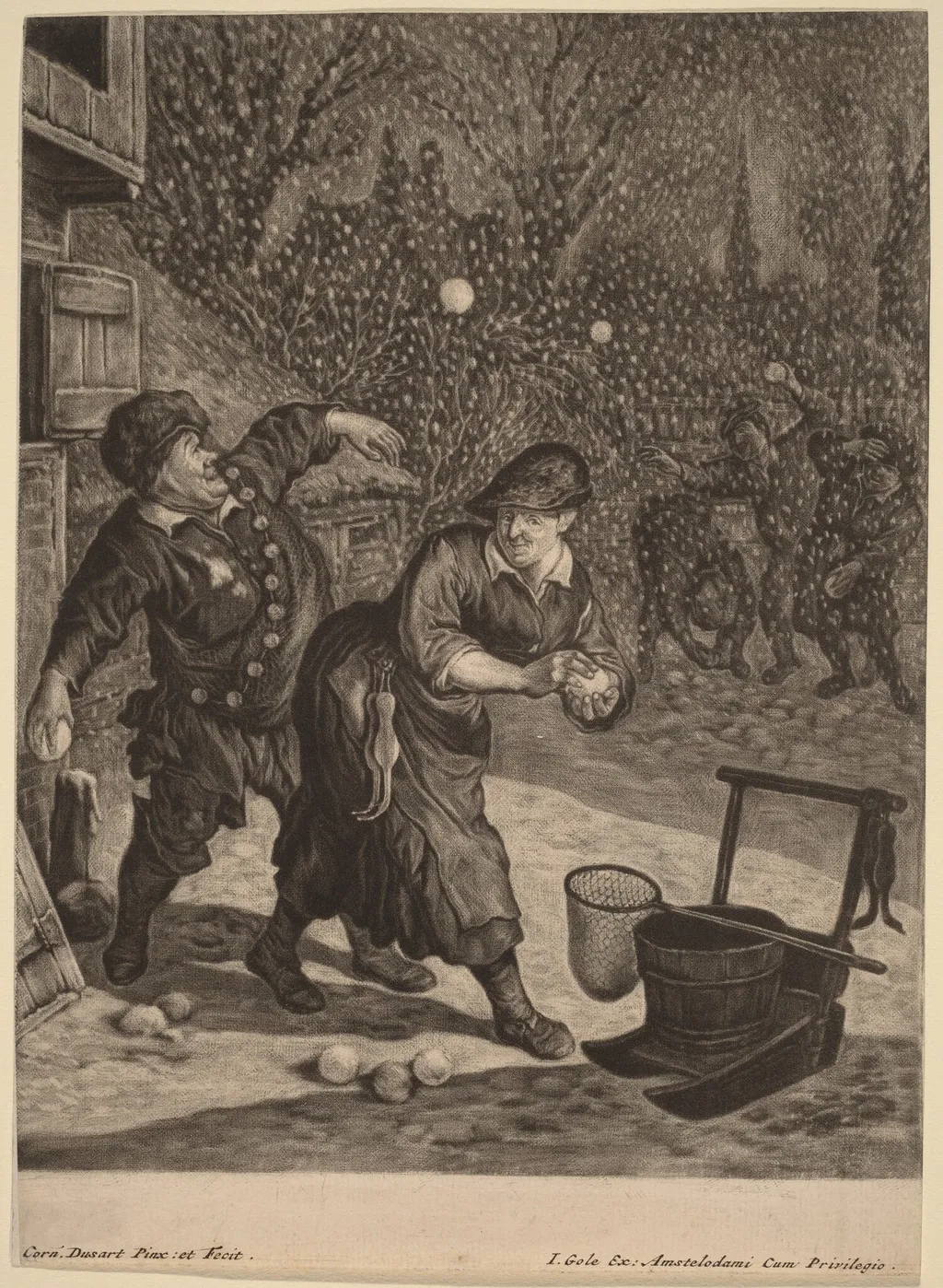
March is an ink print by the Baroque artist Cornelis Dusart. It dates from 1685 and is held in the collection of the National Gallery of Art.
About this work
Overview
Cornelis Dusart, a Dutch artist active in Haarlem during the late 17th century, produced March around 1685 as a mezzotint print.
Cornelis Dusart, a Dutch artist active in Haarlem during the late 17th century, produced March around 1685 as a mezzotint print. Trained under Adriaen van Ostade, he specialized in scenes of rural labor and domestic life. This work is part of a broader series of prints and drawings that capture everyday moments with careful attention to texture and atmosphere, reflecting the regional interest in genre subjects during the Dutch Golden Age.
Subject & Meaning
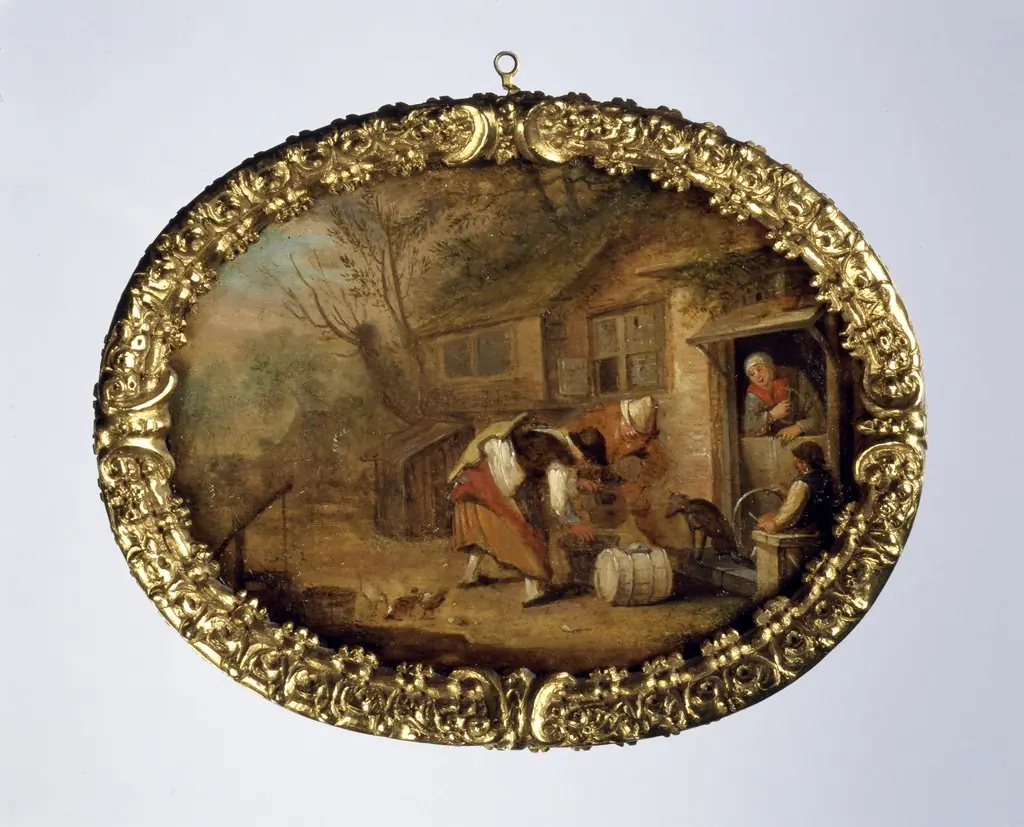
The print depicts three peasant men in a quiet, unguarded moment outside a modest dwelling. One rests against a wall, another carries a burden, and a third holds a small creature, perhaps a bird or rabbit. A tipped chair, a basket, and a tub suggest recent activity, implying a pause in labor.
The scene avoids drama, instead conveying the rhythm of daily toil and the stillness between tasks, grounded in observation rather than narrative.
Technique & Style
Dusart employed mezzotint, a technique that allows for rich tonal gradations by roughening a metal plate. The print uses deep shadows and selective highlights to model forms with a sculptural quality, enhancing the sense of volume in clothing, tools, and architecture. His approach mirrors the tactile realism of his chalk and watercolor drawings, translating fine detail into the monochrome medium with precision and restraint.
History & Provenance
Created during Dusart’s mature period in Haarlem, March emerged from a local artistic environment that valued depictions of rural life. Though no specific early ownership records are documented, the print aligns with the broader circulation of Dutch genre prints among collectors and artisans. Dusart remained engaged in Haarlem’s printmaking community until his death in 1704, contributing to the regional legacy of etched and engraved imagery.
Context
In late 17th-century Holland, genre scenes of peasant life were widely produced and consumed, reflecting both social curiosity and moral reflection. Dusart’s work fits within a tradition initiated by artists like Pieter Bruegel and continued by van Ostade, emphasizing authenticity over idealization. His prints were accessible alternatives to paintings, reaching broader audiences through reproduction and trade networks across Northern Europe.
Legacy
Dusart’s prints, including March, preserved the visual language of rural Dutch life with technical discipline. While not widely celebrated in his lifetime, his body of work contributed to the documentation of everyday labor and material culture. Later scholars recognized his role in sustaining the genre print tradition, particularly through his mastery of mezzotint’s tonal possibilities and his fidelity to observed detail.
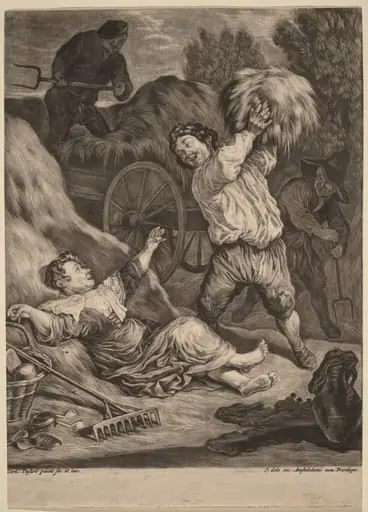
Own this work as a print
Artist & collection
Artist
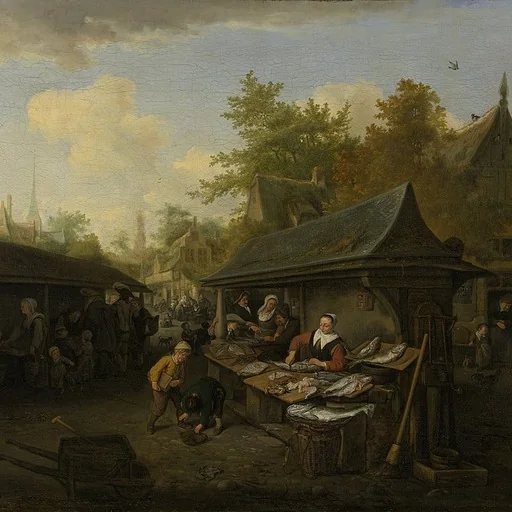
Cornelis Dusart (April 24, 1660 – October 1, 1704) was a Dutch genre painter, drawer (artists), and printmaker.

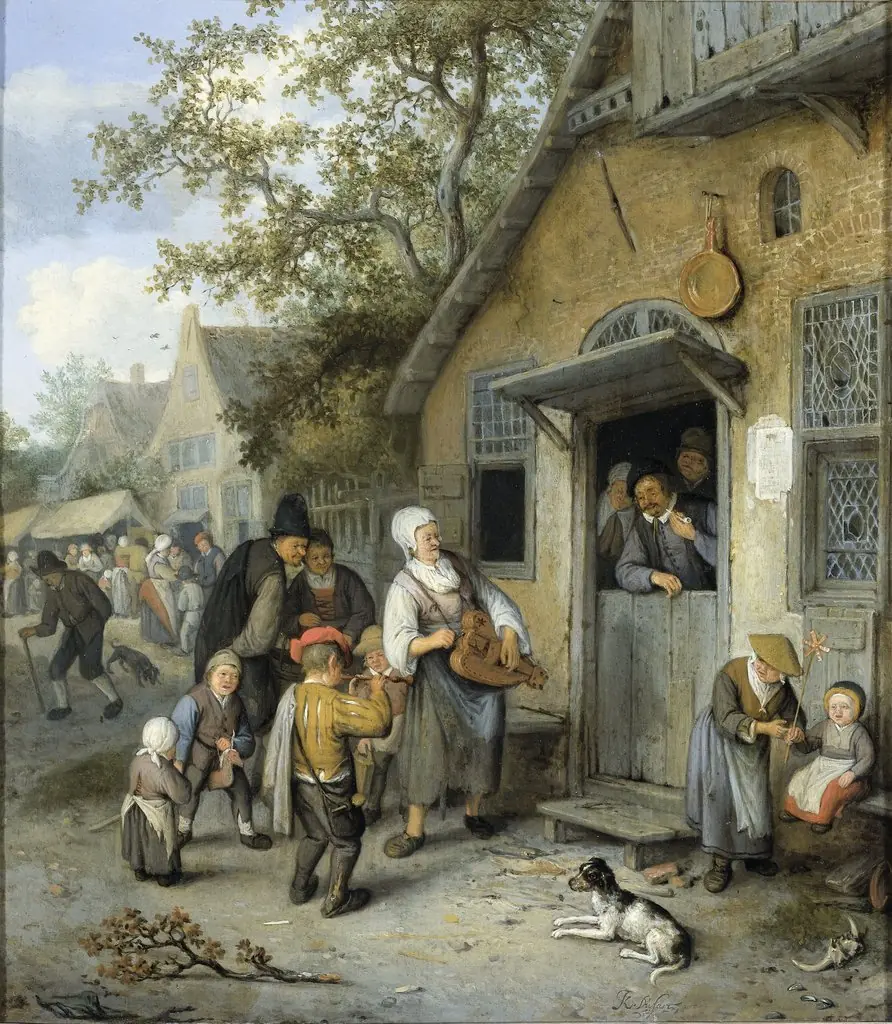
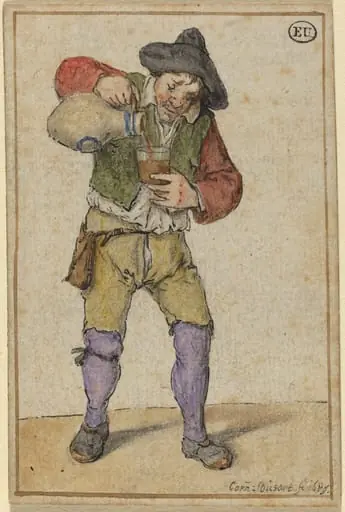
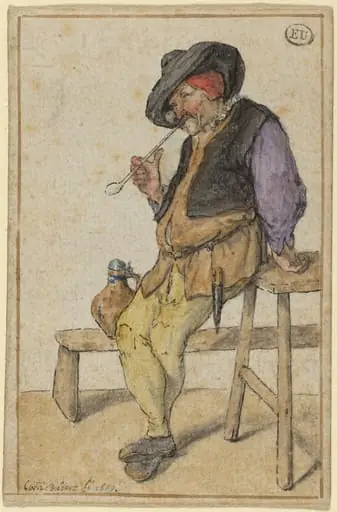
- July
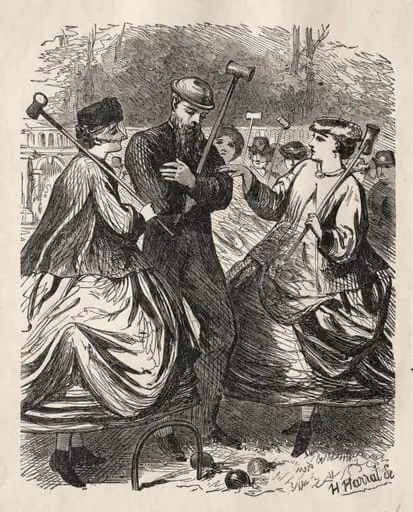 Our Croquet Party
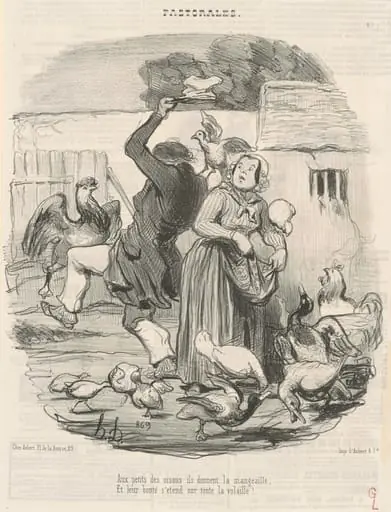 Aux petits des oisons, ils donnent la mangeaille ...
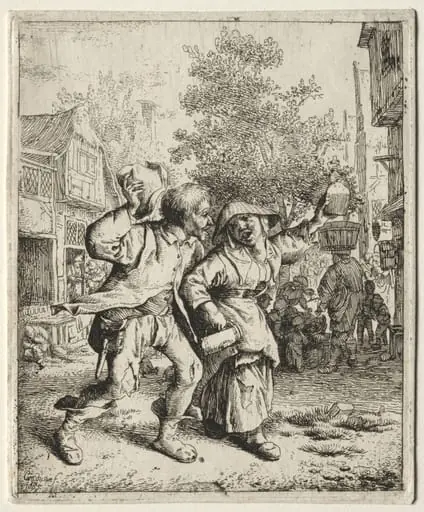 The Drunken Couple
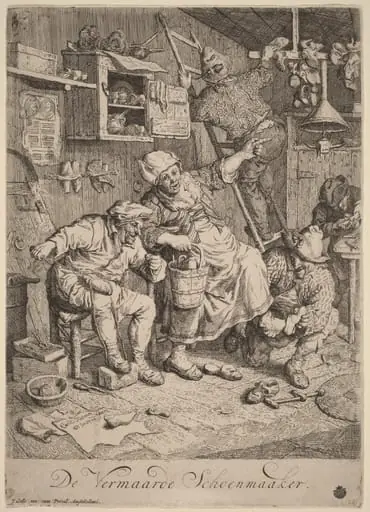 The Merry Shoemaker
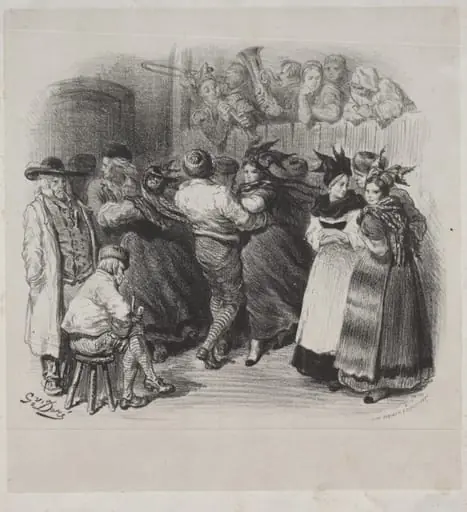 Musical Works of Ernest Doré: Souvenir of Alsace, Alsatian Dance - Title Page
 War Series: The Return of the Useless
 Untitled (Farm Scene)
 Bambochades: Vois-tu que mon baromêtre est au beau!...c'est un riche temps pour les biens de la terre!!!
 The Dancing Dog
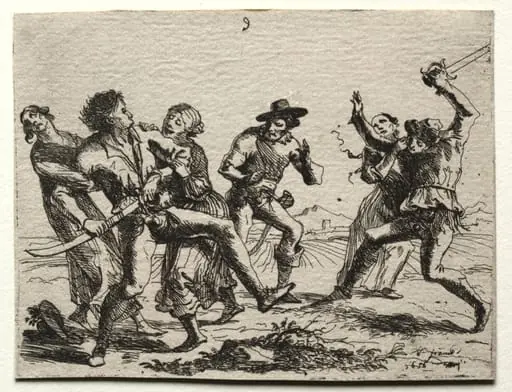 Military Subjects: A Quarrel
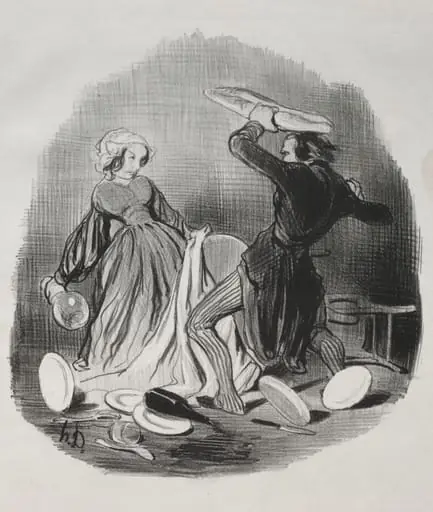 Ah! You Think Your Wife Does Not Provide Enough for You, Villain. . . .