Artwork
Meeting
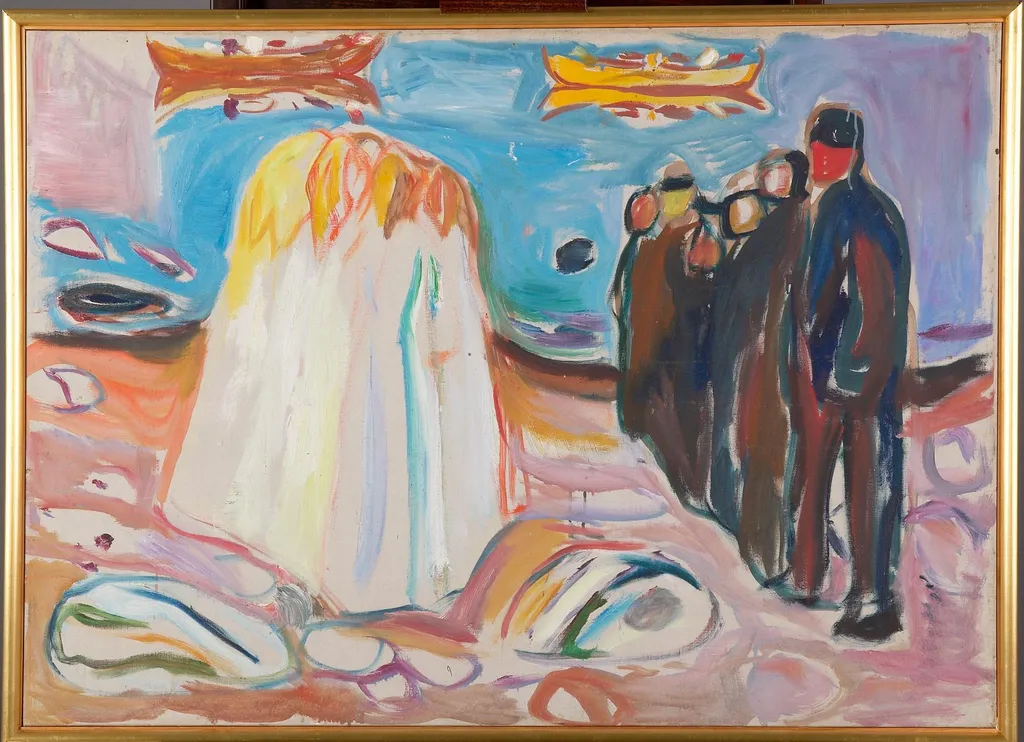
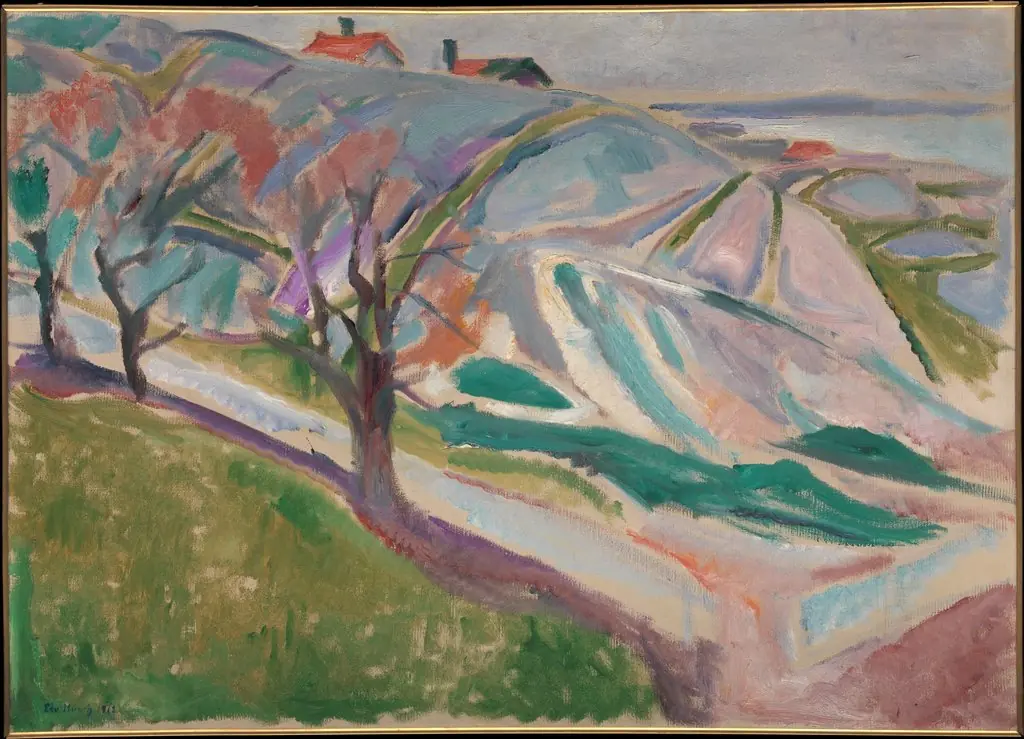
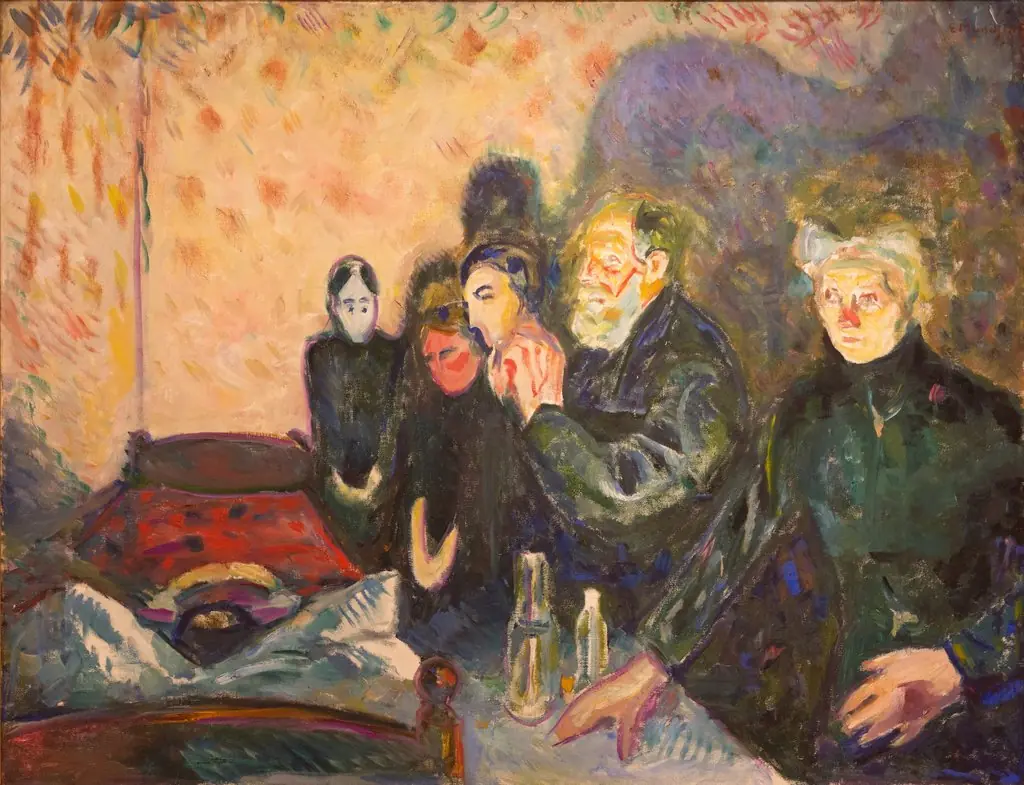
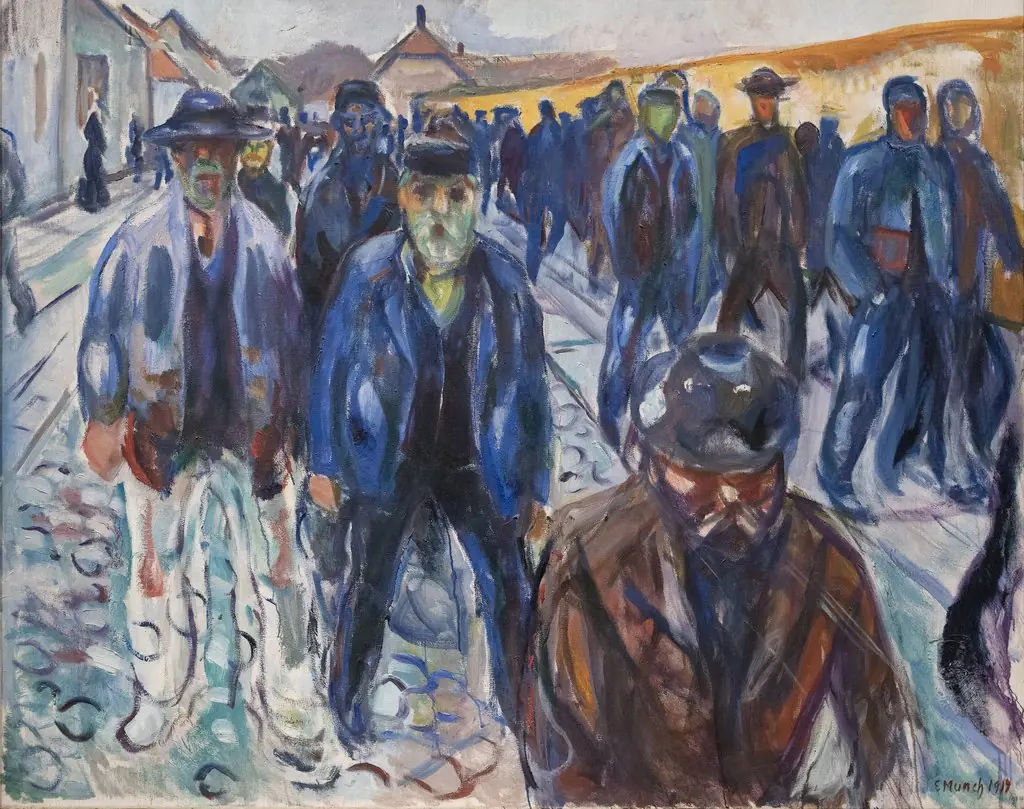
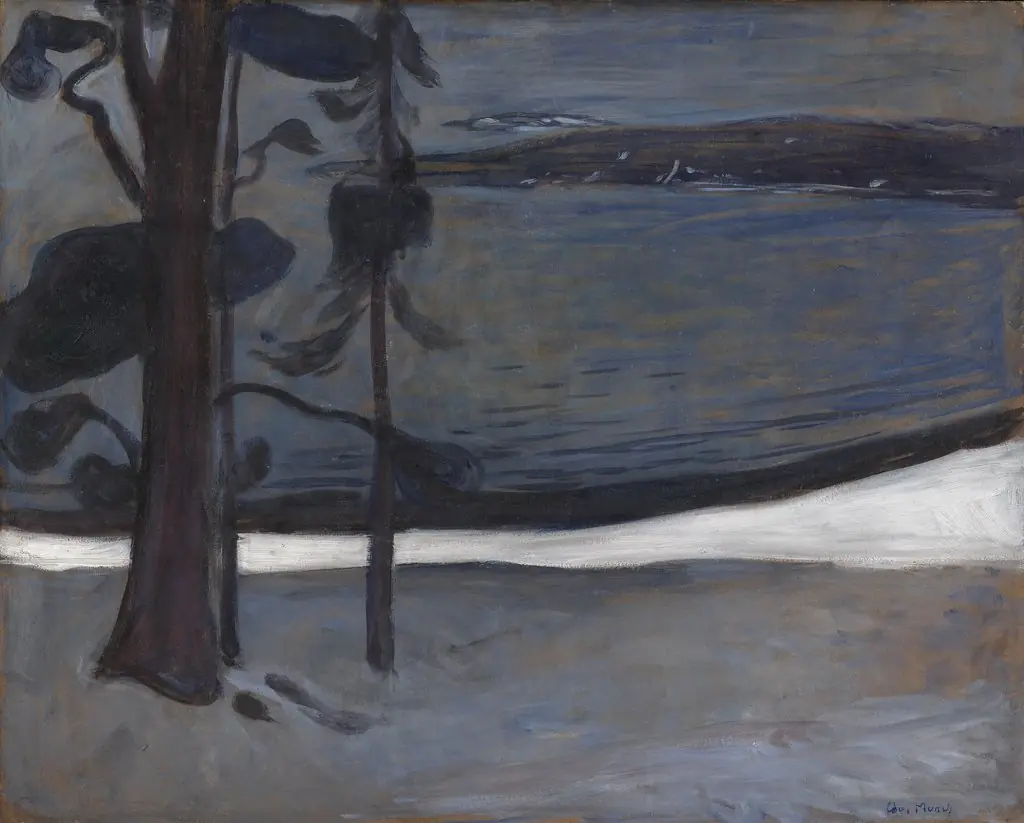
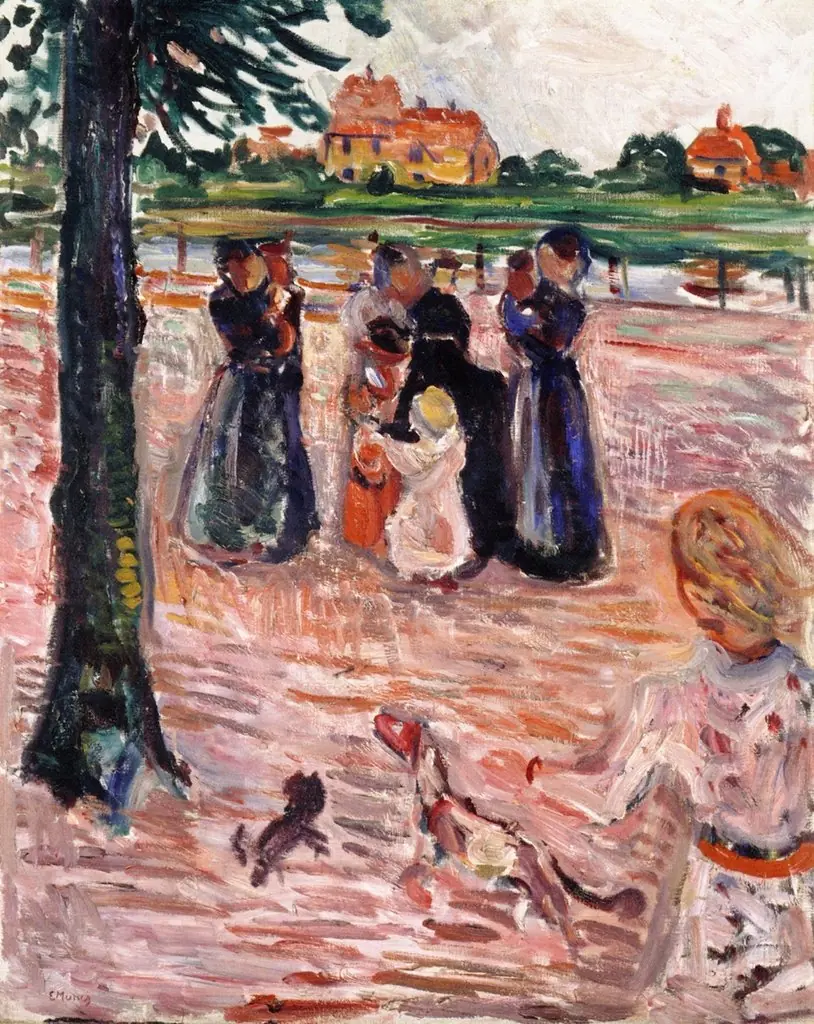
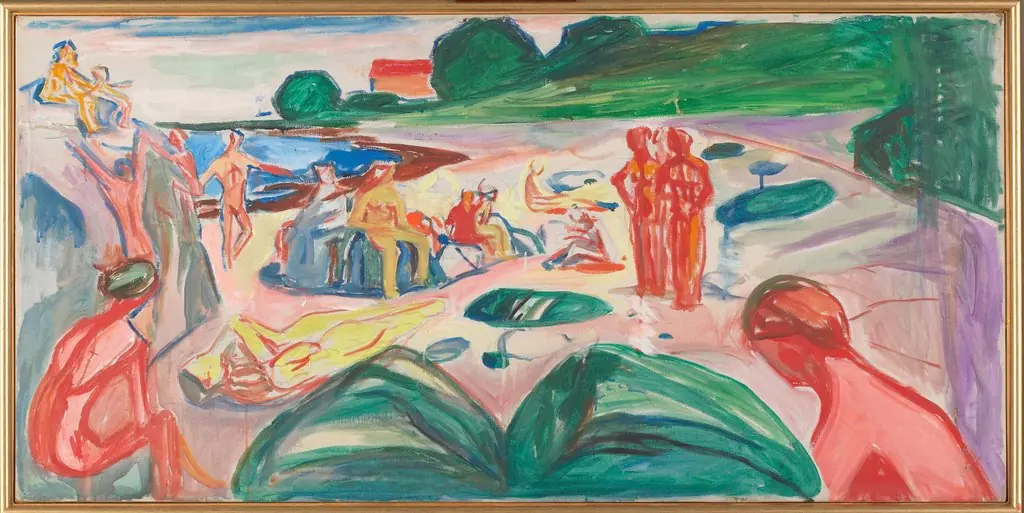
Meeting is an oil painting by the Post-Impressionist artist Edvard Munch. It dates from 1921 and is held in the collection of the Munch Museum.
About this work
Overview
Though less widely known than The Scream, it exemplifies his sustained focus on psychological states rendered through color and gesture.
Edvard Munch painted Meeting in 1921 using oil on canvas. The work emerged during a mature phase of his career, reflecting his enduring interest in human interaction and emotional atmosphere. Though less widely known than The Scream, it exemplifies his sustained focus on psychological states rendered through color and gesture. The painting is held in the Munch Museum in Oslo, where much of his oeuvre is preserved.
Subject & Meaning
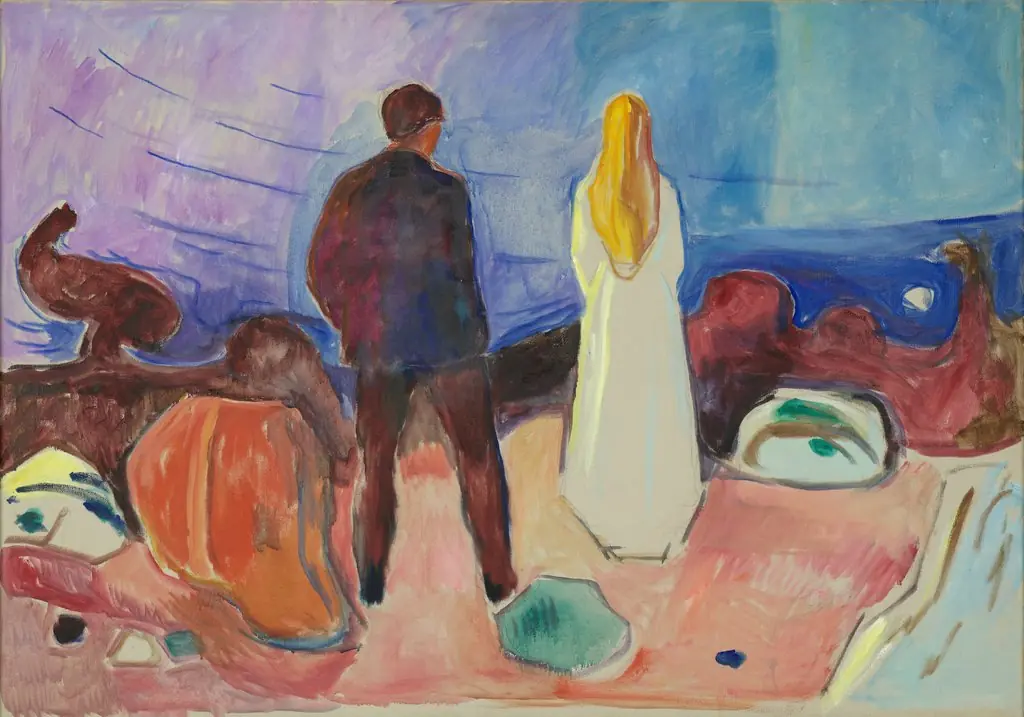
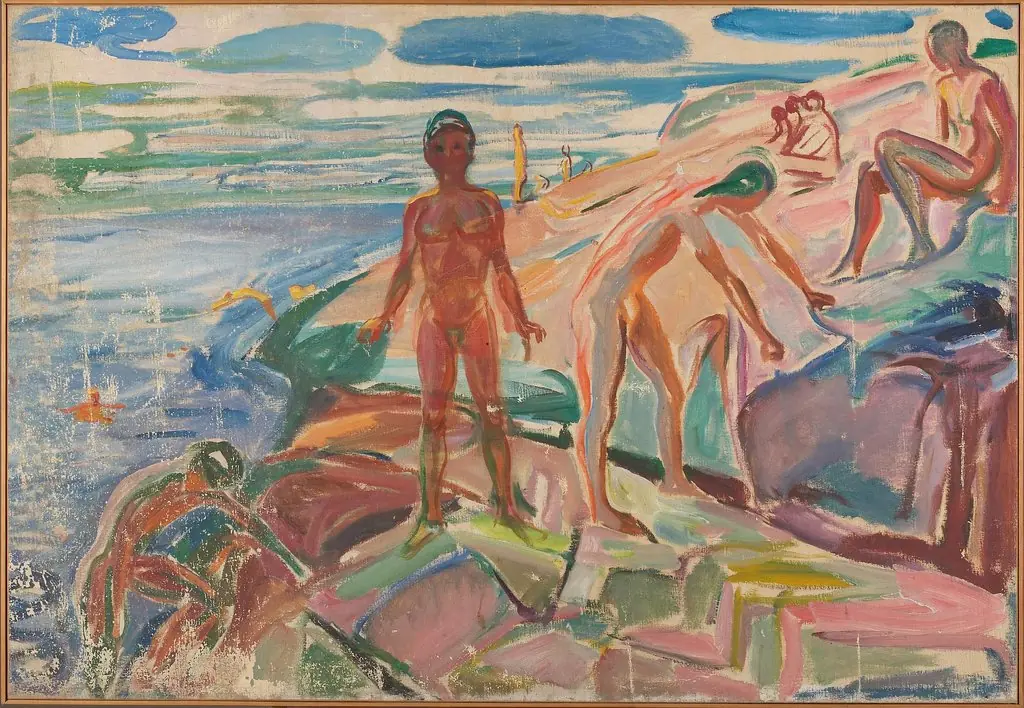
The painting depicts a group of figures gathered in an outdoor setting, their postures suggesting transient connection rather than sustained conversation. Their varied poses and directional gazes imply fleeting encounters, evoking themes of social isolation and ephemeral human bonds. The absence of clear narrative invites interpretation, aligning with Munch’s broader preoccupation with inner experience over external realism.
Technique & Style
Munch employed loose, expressive brushwork and non-naturalistic color to convey energy and mood. Figures are rendered in warm hues, yellow, orange, brown, contrasting with the cool blue of the sky and water. The brushstrokes are rhythmic and directional, guiding the eye across the composition and reinforcing a sense of motion. Background elements like boats are simplified, serving as atmospheric anchors rather than detailed elements.
History & Provenance
Created in 1921, Meeting belongs to Munch’s later period, following decades of personal and artistic development. It entered the collection of the Munch Museum upon its founding in 1963, having been retained by the artist or his estate. The museum holds the largest public collection of his works, ensuring the painting’s preservation and scholarly accessibility.
Context
Munch’s style evolved from early Symbolist influences and his association with Norwegian bohemian circles, particularly through philosopher Hans Jæger. By the 1920s, his work had moved beyond the intense angst of his youth toward more nuanced depictions of social life. Meeting reflects this shift, engaging with everyday scenes while retaining psychological depth rooted in his lifelong exploration of human emotion.
Legacy
Though not among Munch’s most reproduced works, Meeting contributes to understanding his sustained engagement with human presence and emotional undercurrents. It illustrates how his expressive techniques extended beyond iconic themes into quieter, observational moments. The painting remains a testament to his ability to infuse ordinary scenes with enduring psychological resonance.
Own this work as a print
Artist & collection
Artist
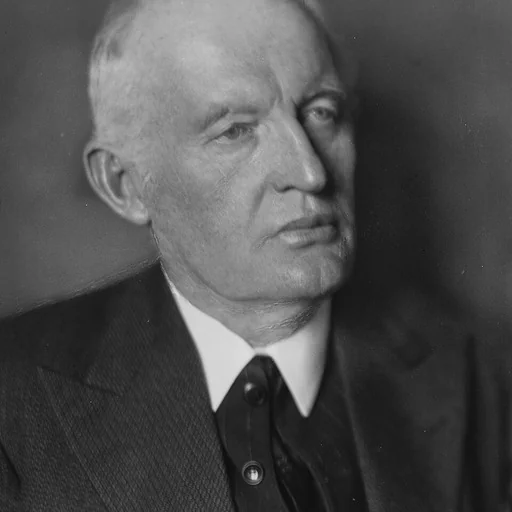
Edvard Munch ( MUUNK; Norwegian:; 12 December 1863 – 23 January 1944) was a Norwegian painter.