Artwork
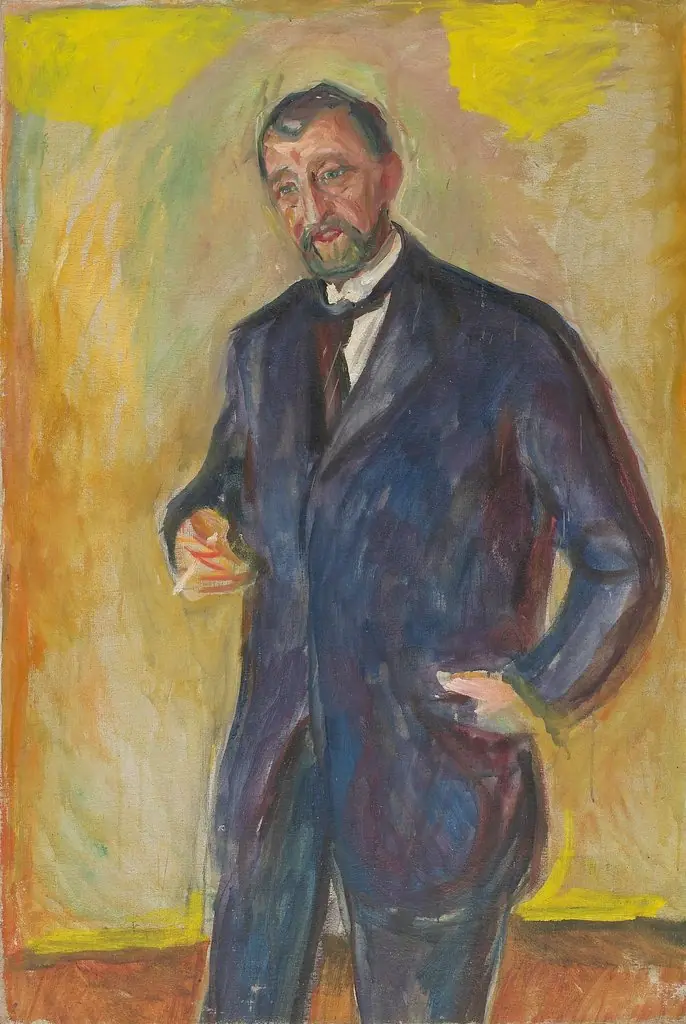
Portrait of Herbert Esche
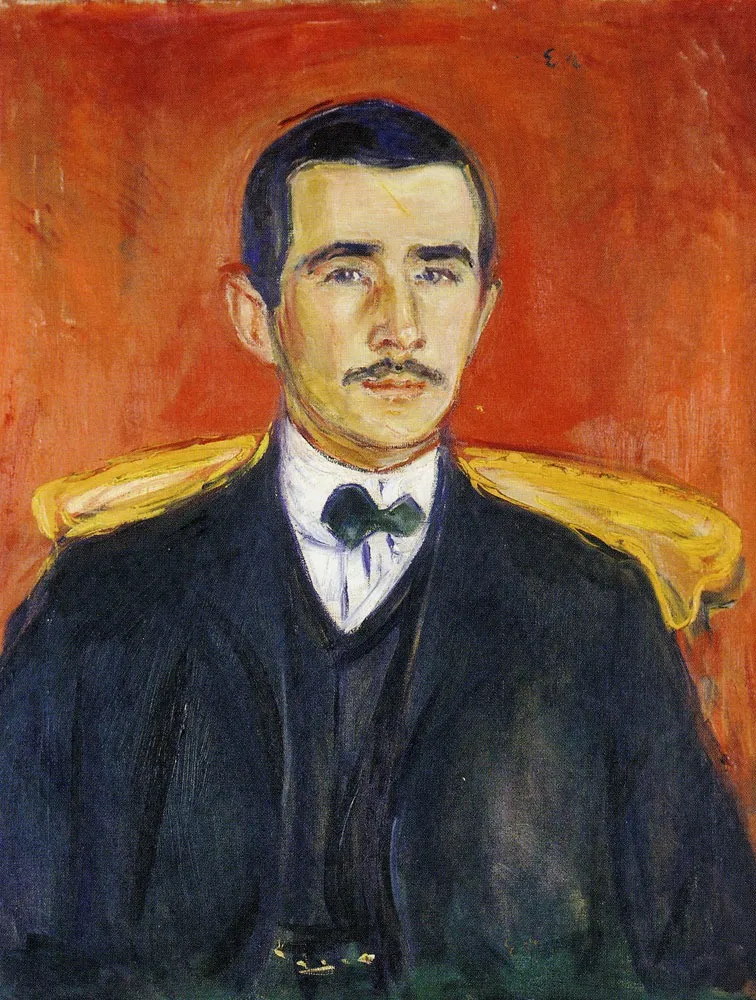
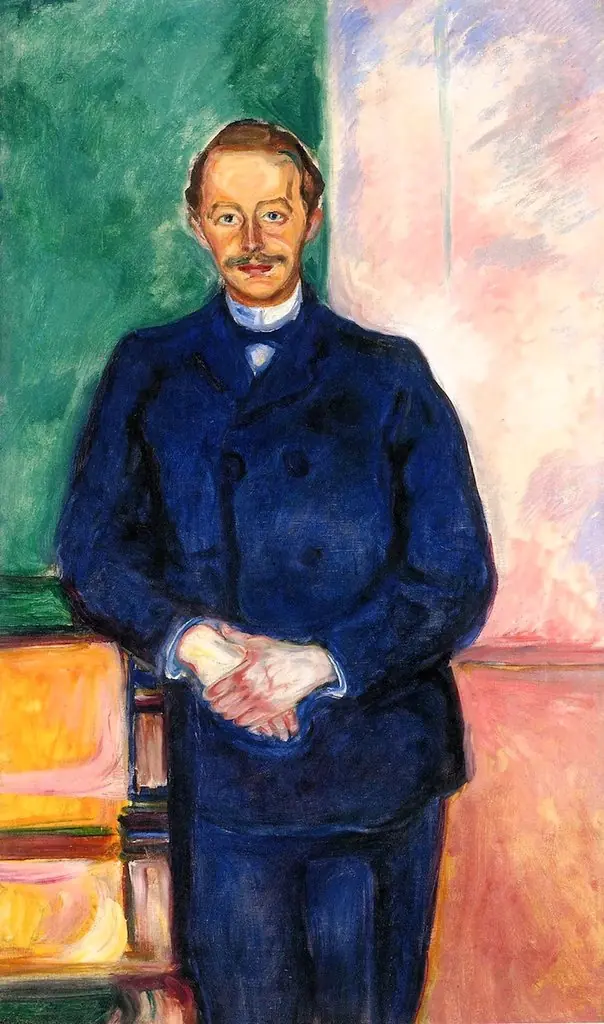
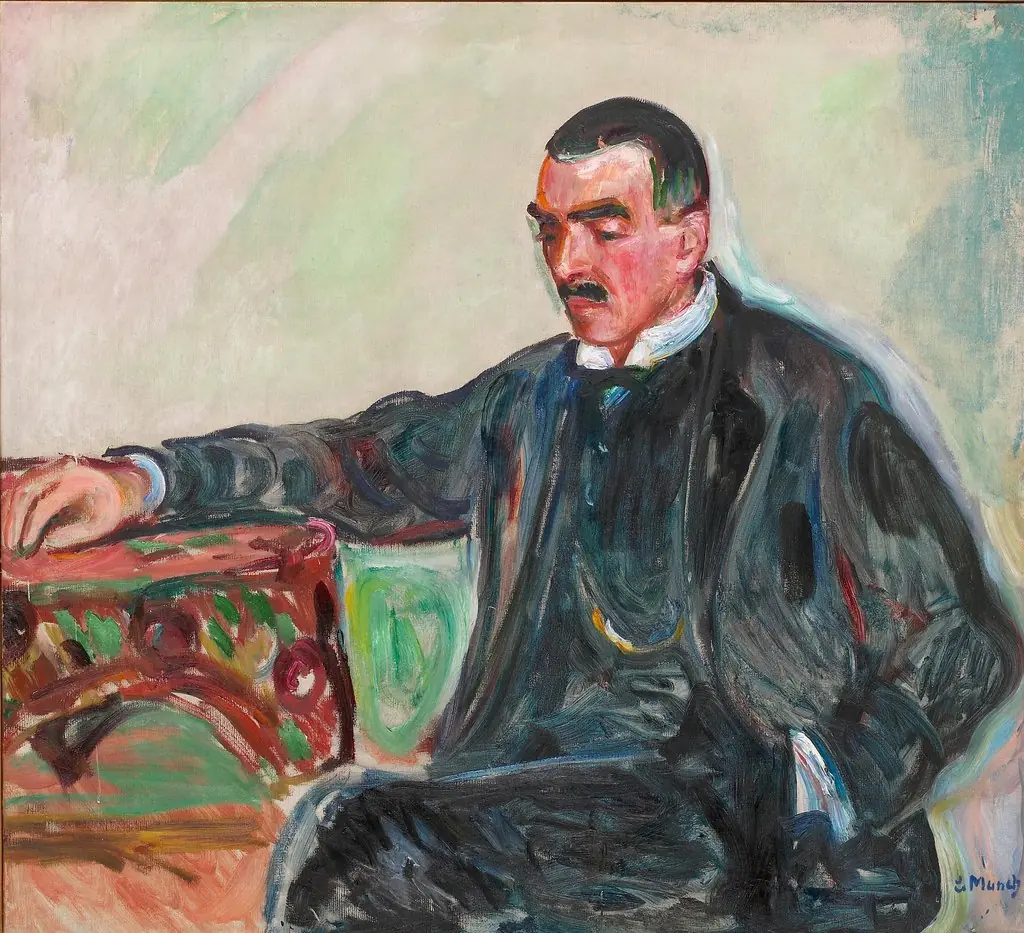
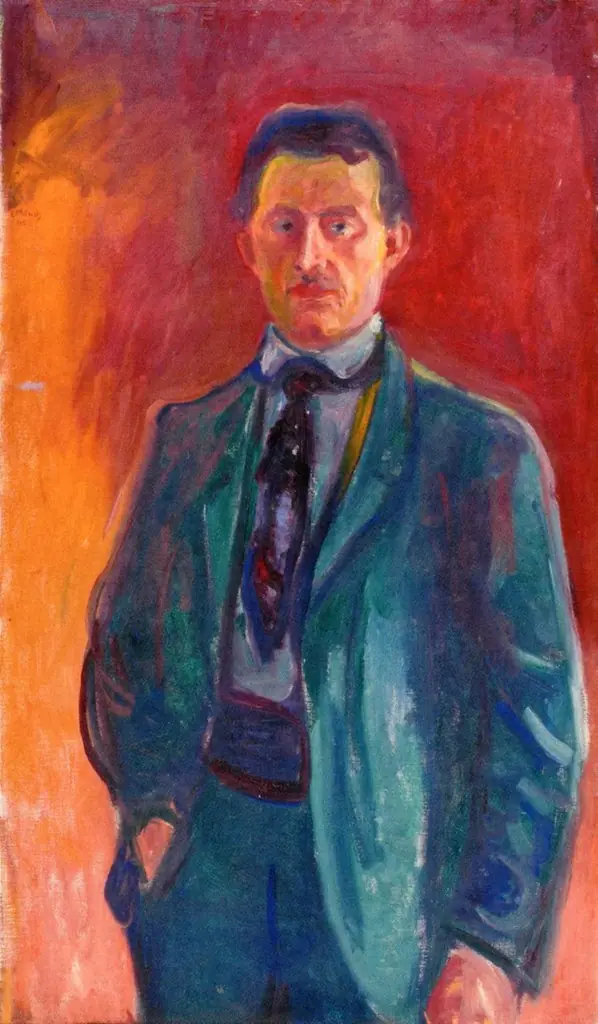
Portrait of Herbert Esche is an oil painting by the Post-Impressionist artist Edvard Munch. It dates from 1905 and is held in the collection of the Kunsthaus Zürich.
About this work
Overview
Painted in 1905 by Norwegian artist Edvard Munch, the Portrait of Herbert Esche is an oil on canvas work that captures a quiet, inward-looking figure.
Painted in 1905 by Norwegian artist Edvard Munch, the Portrait of Herbert Esche is an oil on canvas work that captures a quiet, inward-looking figure. It belongs to a phase in Munch’s career where psychological depth took precedence over literal representation. The painting is part of the permanent collection at Kunsthaus Zürich, reflecting the artist’s growing international recognition during this period.
Subject & Meaning
Herbert Esche, a German industrialist and patron, is depicted seated in a formal pose, dressed in a dark suit with a white shirt and bow tie. His gaze is lowered, brow slightly furrowed, conveying a sense of introspection rather than engagement. Munch avoids idealization; the subject’s stillness and somber expression suggest inner tension or resignation, aligning with the artist’s broader interest in human vulnerability and emotional isolation.
Technique & Style
Munch employs thick, deliberate brushwork and a restrained palette dominated by warm browns and muted tones. The background’s rich, reddish hue creates a sense of enclosure, intensifying the figure’s solitude. Facial features are rendered with sharp, angular strokes, while clothing and chair are suggested rather than meticulously detailed. This approach prioritizes emotional resonance over realism, characteristic of Munch’s post-impressionist leanings.
History & Provenance
The portrait was commissioned during Munch’s time in Germany, where he cultivated relationships with cultural figures and patrons. Herbert Esche, a supporter of modern art, acquired the work shortly after its completion. It remained in private hands until entering the Kunsthaus Zürich collection in the mid-20th century, where it has since been studied as an example of Munch’s portraiture beyond his more famous symbolic works.
Context
Created during a period when Munch was refining his expressive language, the portrait reflects broader European artistic shifts away from naturalism toward psychological inquiry. While not overtly symbolic like The Scream, it shares the same preoccupation with inner states. The sitter’s status as a patron underscores the complex interplay between artist and subject in early 20th-century modernism.
Legacy
The Portrait of Herbert Esche stands as a quiet but significant example of Munch’s ability to convey psychological complexity through minimal means. Though less widely known than his allegorical works, it demonstrates his consistent focus on the human condition. The painting continues to inform discussions on modern portraiture and the role of emotional authenticity in visual representation.
Artist & collection
Artist
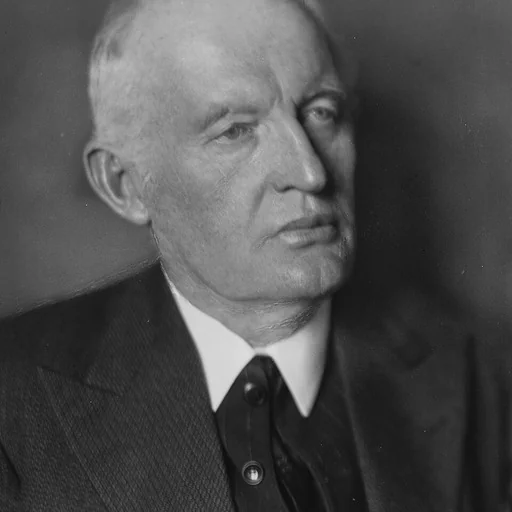
Edvard Munch ( MUUNK; Norwegian:; 12 December 1863 – 23 January 1944) was a Norwegian painter.