Artwork
The Pilgrim outside the Garden of Idleness (scene from the 'Roman de la rose')
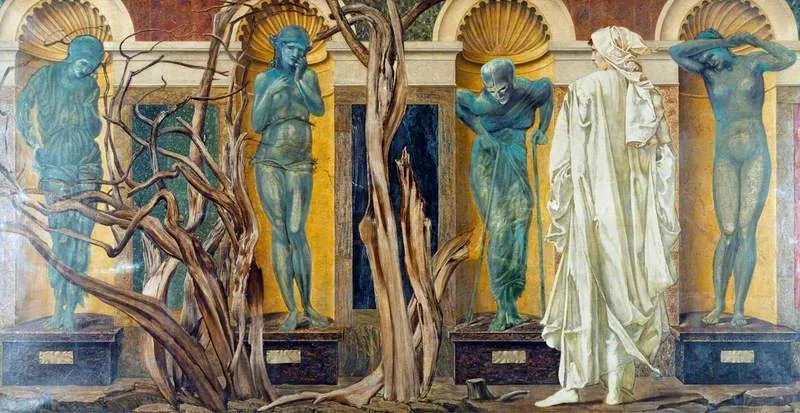
The Pilgrim outside the Garden of Idleness (scene from the 'Roman de la rose') is an oil painting by the Aestheticist artist Edward Burne-Jones. It dates from 1898 and is held in the collection of the Victoria and Albert Museum.
About this work
Overview
The Pilgrim outside the Garden of Idleness is a painting executed in oil paint by Edward Burne-Jones in 1898. It is part of the Victoria and Albert Museum's collection and illustrates a scene from the medieval French poem Roman de la rose.
Subject & Meaning
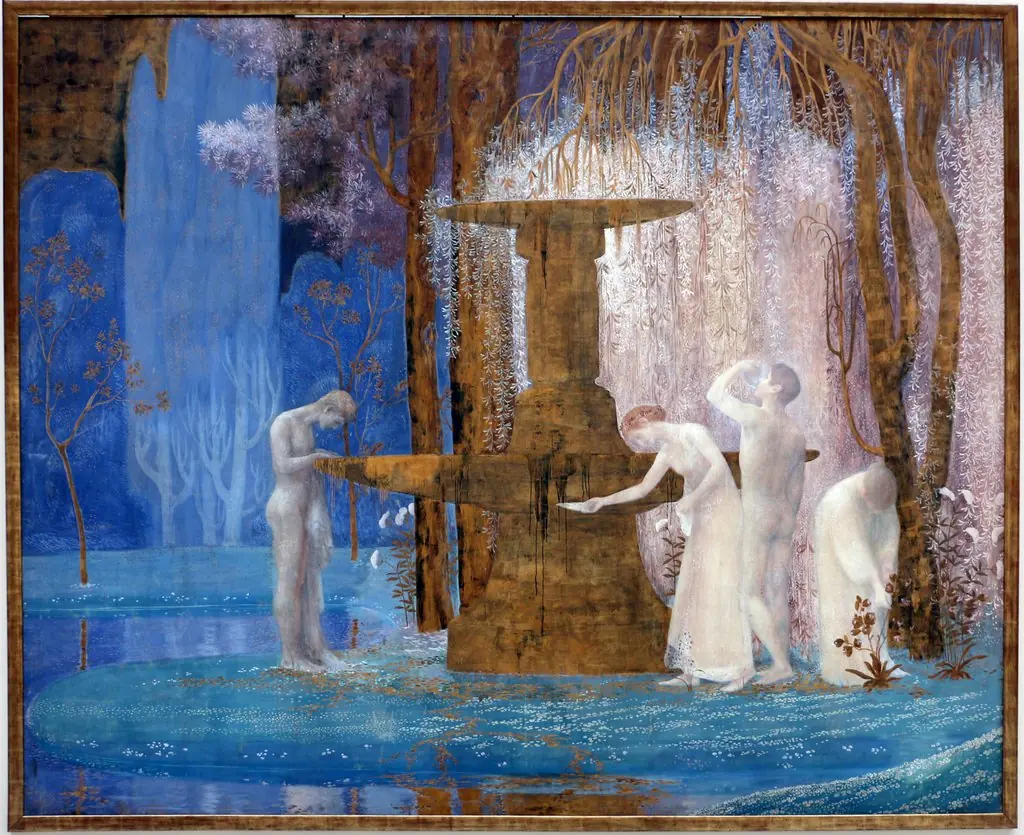
The painting depicts a figure in a white robe standing before a barren tree, staff in hand, with five blue statues behind him. The statues appear to be reacting with sorrow or shame, while the pilgrim figure remains distinct in his natural coloring.
Technique & Style
The work showcases Burne-Jones's mature style, characterized by refined figuration and allegorical themes, influenced by his association with the Pre-Raphaelite movement and collaboration with William Morris in decorative arts.
Context
The painting is a representation of a scene from Roman de la rose, a significant medieval French literary work, reflecting Burne-Jones's interest in allegorical and literary themes.
Artist & collection
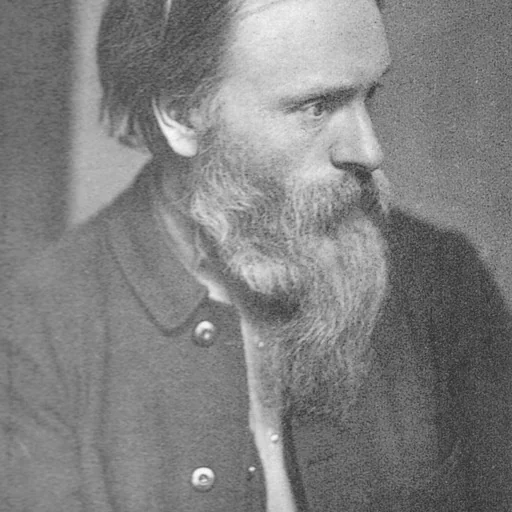
Artist
Sir Edward Coley Burne-Jones, 1st Baronet (; 28 August 1833 – 17 June 1898) was an English painter and designer associated with the Pre-Raphaelite Brotherhood's style and subject matter.