Artwork
Portrait of a Lady
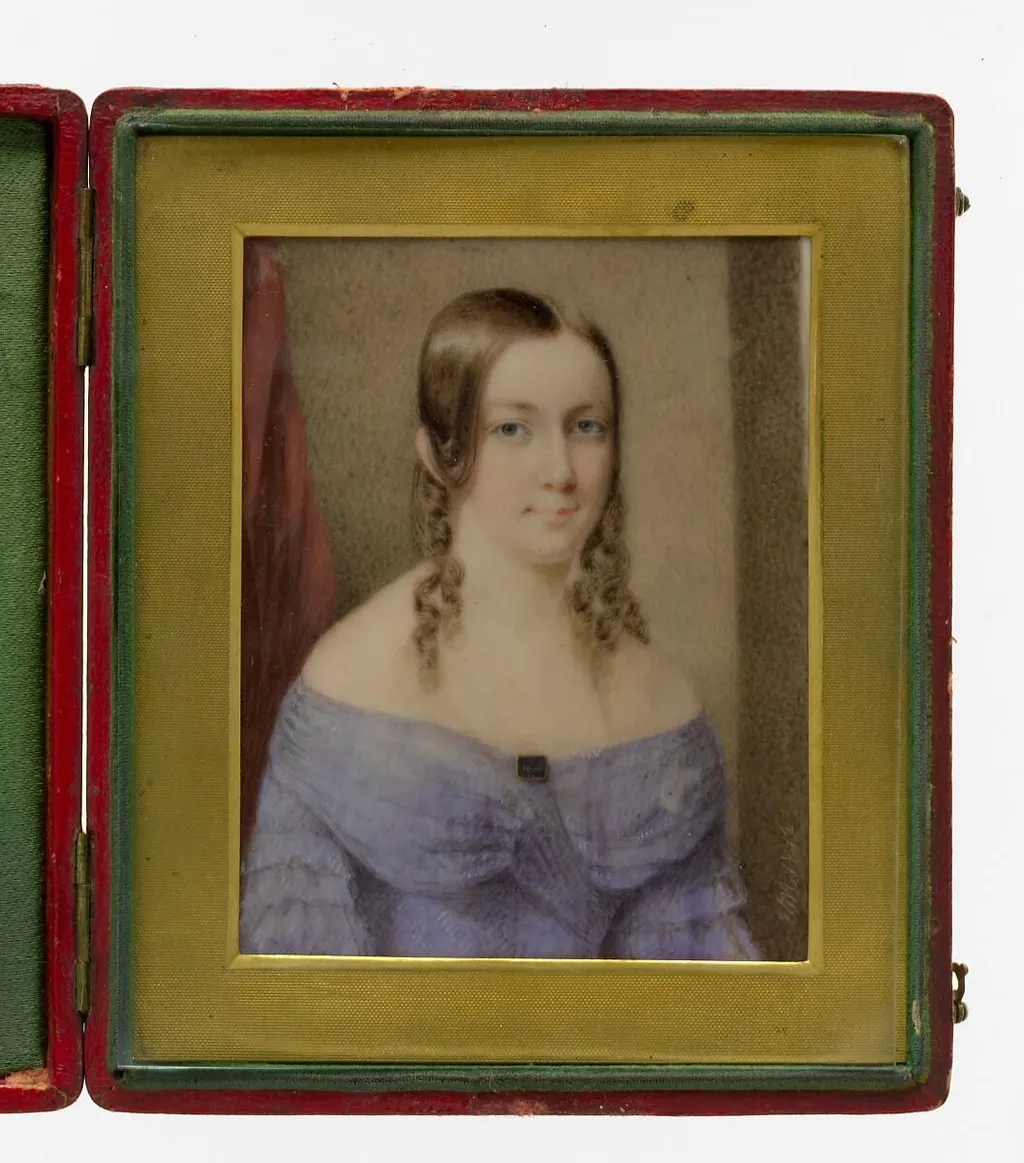
Portrait of a Lady is a watercolor painting by the American Folk Art artist Edward Dalton Marchant. It dates from 1842 and is held in the collection of the Metropolitan Museum of Art.
About this work
Technique & Style
The composition places the figure centrally, with a restrained background that directs focus to the sitter's gaze.
Portrait of a Lady (1842) is a portrait miniature executed in watercolor on ivory. The artist combines fine linear drawing with layered washes to model the sitter's facial features and the folds of her dress, producing soft tonal transitions that suggest three-dimensionality while retaining the flatness typical of miniature painting. The composition places the figure centrally, with a restrained background that directs focus to the sitter's gaze. The panel measures approximately 8.4 × 6.5 cm, as documented by the Metropolitan Museum of Art.
History & Provenance
Edward Dalton Marchant painted Portrait of a Lady in 1842 as a watercolor on ivory, measuring approximately 8.4 by 6.5 cm. The piece belongs to the portrait genre and has been part of the Metropolitan Museum of Art's collection, currently displayed in The American Wing.
Overview
Edward Dalton Marchant's Portrait of a Lady, created in 1842, is a watercolor on ivory. This miniature exemplifies the American folk art tradition. Marchant, an artist primarily self-taught, captured the likeness of an unidentified woman in this intimate format. The work is part of the American Wing collection, reflecting portraiture practices of the mid-19th century.
Subject & Meaning
The painting presents a woman in a dark dress, her gaze directed outward towards the viewer. As a miniature, this portrait was likely intended as a personal keepsake, a common practice in an era before photography. Such small-scale works allowed individuals to carry or display images of loved ones, serving as intimate reminders. The directness of her expression invites a personal connection, underscoring the portrait's function.
Context
Edward Dalton Marchant, born in Massachusetts in 1806, developed his artistic skills largely independently. His career began with house painting before he established a dedicated portrait studio in the mid-1820s. Although primarily self-taught, Marchant did undertake a brief period of study with the renowned portraitist Gilbert Stuart in 1825, an experience that likely influenced his approach to capturing human likeness.
Artist & collection

Artist
Edward Dalton Marchant (1806-1887), also known as Edward D. Marchant and E. D. Marchant, was an American artist. He was born in Edgartown, Massachusetts in 1806. Largely self-taught, Marchant began his career as a house…

- Portrait of a Lady
 Sarah Ann Beck
 Portrait of a Lady
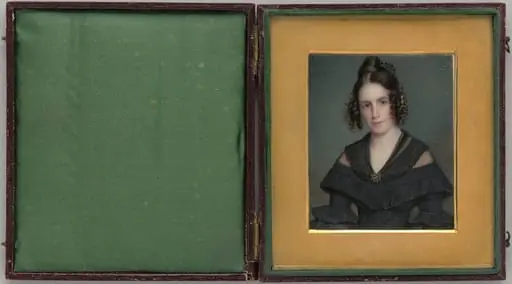 Nancy Kellogg
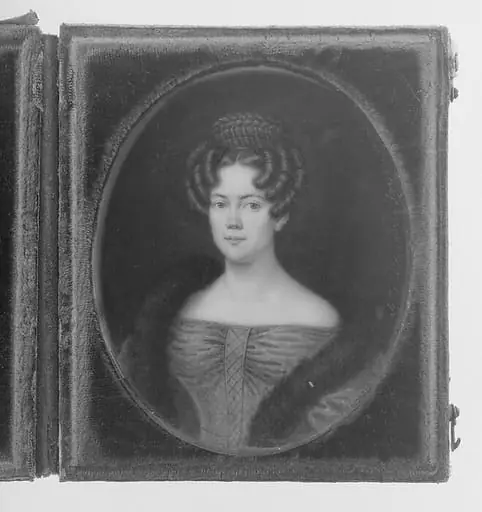 Mrs. Thomas Dillard (Matilda Kuhl)
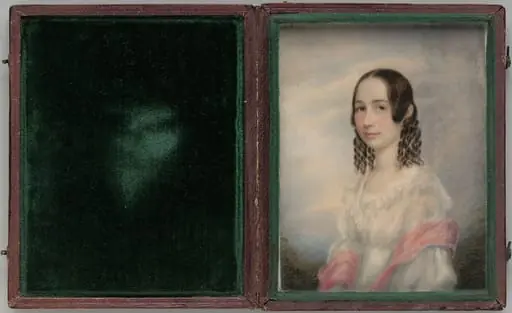 Mrs. Christopher Grant Perry (Frances Sargeant)
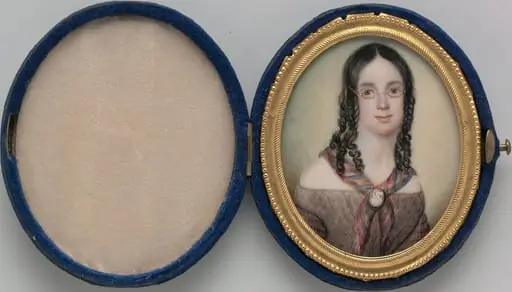 Portrait of a Lady
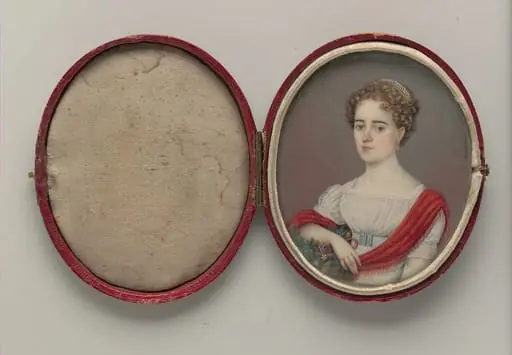 Mrs. Daniel Parkman (Mary George McDonough)
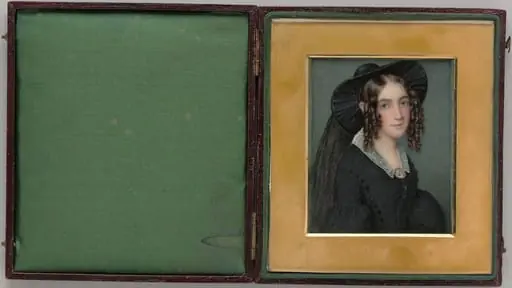 Mary Kellogg
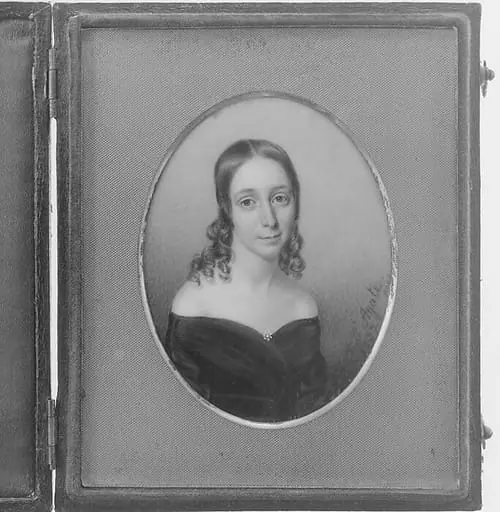 Miss Bruce
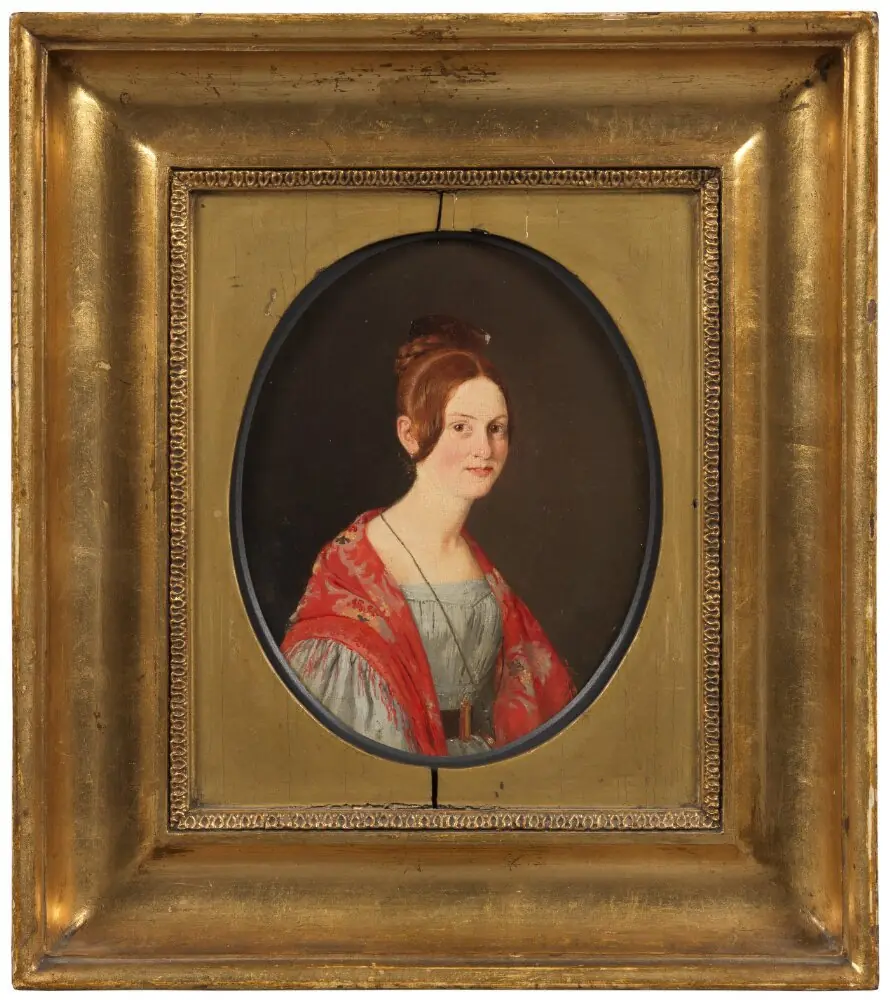 Portrait of Ane Elisabeth (Elise) Gurlitt, né Saxild (1817-39)
 The Thompson Children