Artwork
Maria Anna of Neuburg, Queen of Spain
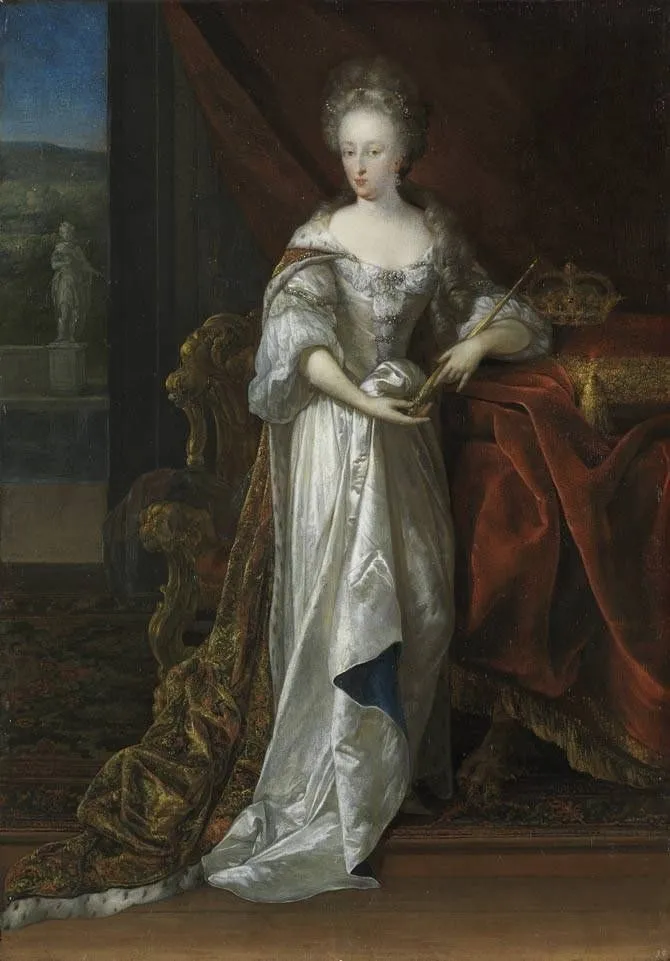
Maria Anna of Neuburg, Queen of Spain is an oil painting by the Rococo painting artist Eglon van der Neer. It dates from 1695 and is held in the collection of the Bavarian State Painting Collections.
About this work
Subject & Meaning
Dressed in a sumptuous court gown of silver and gold brocade, she embodies the majesty expected of a Habsburg queen consort.
The portrait depicts Maria Anna of Neuburg (1667–1740), second wife of Charles II of Spain, at the age of twenty-two. Dressed in a sumptuous court gown of silver and gold brocade, she embodies the majesty expected of a Habsburg queen consort. The restrained palette and precise rendering of textiles underscore her political role as a dynastic link between the Wittelsbach and Habsburg houses during the War of the Spanish Succession.
Luxurious fabrics and pearl jewelry function as visual metaphors for purity and dynastic continuity, while the absence of overt regalia subtly signals her status as consort rather than reigning monarch. The work thus represents both the individual sitter and the broader diplomatic alliances she was meant to secure.
Technique & Style
The portrait of Maria Anna of Neuburg, Queen of Spain, is an oil painting executed on canvas. It was created by Eglon van der Neer in 1689 and measures 41.1 cm in height by 29 cm in width. The work depicts the queen in formal regal attire, reflecting the Baroque emphasis on clarity of form and rich coloristic modeling.
Its composition and stylistic treatment are characteristic of court portraiture of the period, combining meticulous detail with a restrained yet dignified presence. The painting is housed in the Alte Pinakothek, part of the Bavarian State Painting Collections, within the Johann Wilhelm von der Pfalz collection.
History & Provenance
The portrait of Maria Anna of Neuburg, Queen of Spain, was painted in 1689 by Eglon van der Neer, as established by its inception date and attribution. It was created using oil paint on a support combining canvas and panel, measuring 41.1 by 29 centimeters.
The work originated as part of the collection of Johann Wilhelm von der Pfalz. Following this early ownership, it entered the holdings of the Bavarian State Painting Collections, where it remains housed in the Alte Pinakothek.
Overview
Maria Anna of Neuburg, Queen of Spain is a portrait painted in oil by Eglon van der Neer in 1695. The work is housed in the Alte Pinakothek and represents the Rococo movement through its refined and decorative style.
Context
As a Rococo piece, the painting reflects the era's aesthetic values of delicacy, ornamentation, and the emphasis on the subject's emotional and social presence.
Legacy
While specific details on the painting's direct influence are not provided, it contributes to the broader legacy of Eglon van der Neer as a versatile Dutch painter of the late 17th century and the enduring appeal of Rococo portraiture.
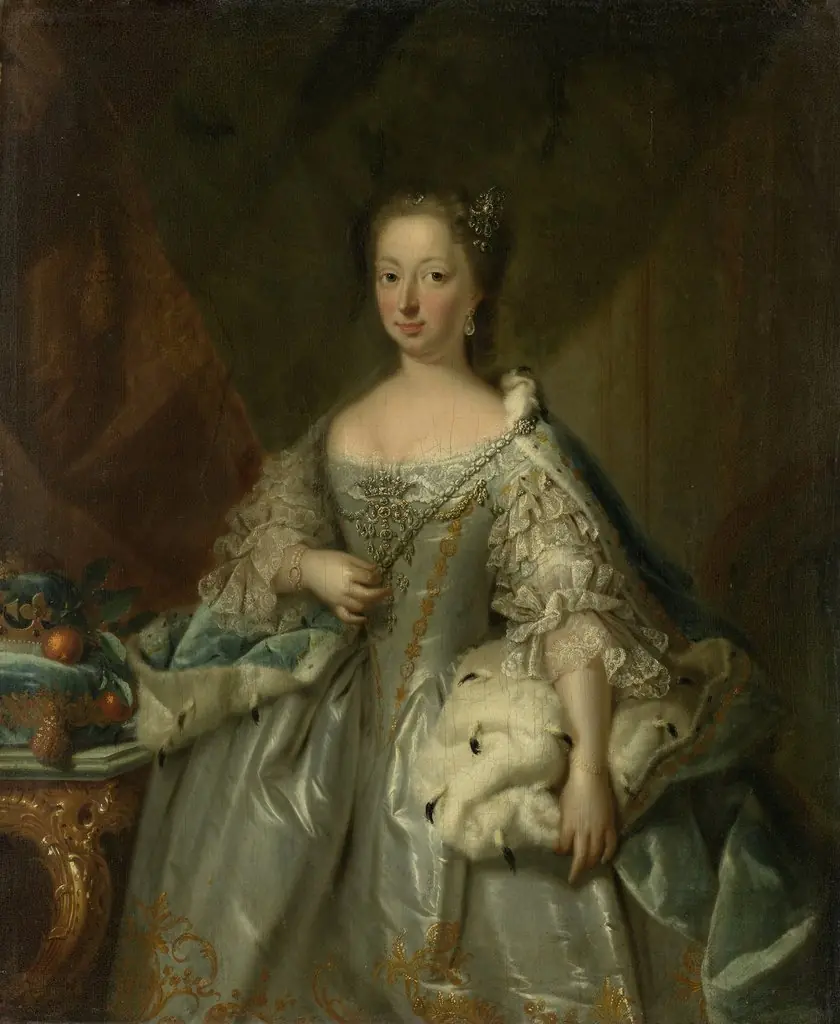
Artist & collection
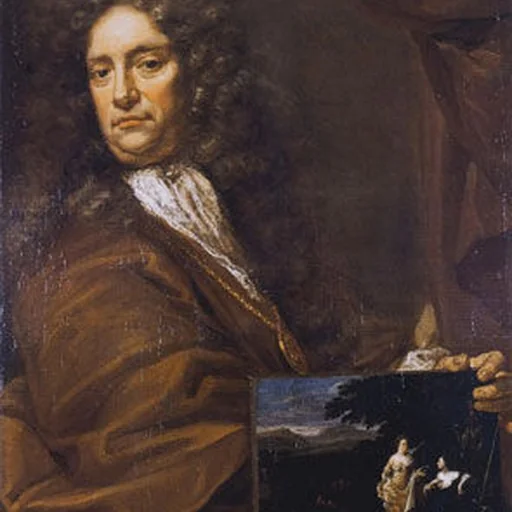
Artist
Eglon van der Neer (1635/36 – 3 May 1703) was a Dutch painter of historical scenes, portraits and elegant, fashionable people, and later of landscapes.

 Marie Adélaïde of Savoy, Duchess of Burgundy
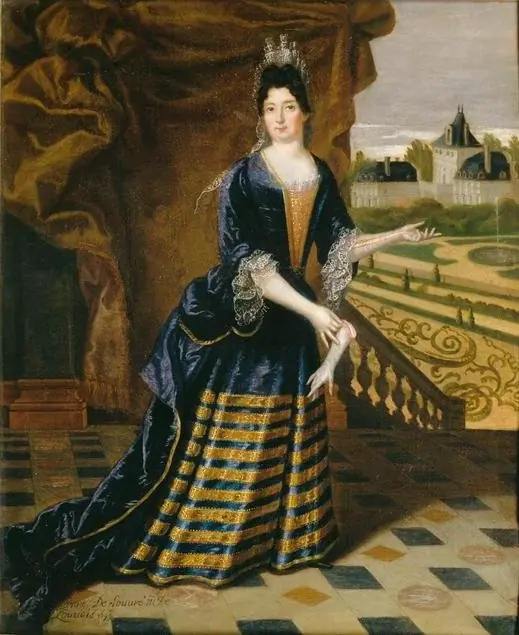 Anne de Souvré, marquise de Louvois
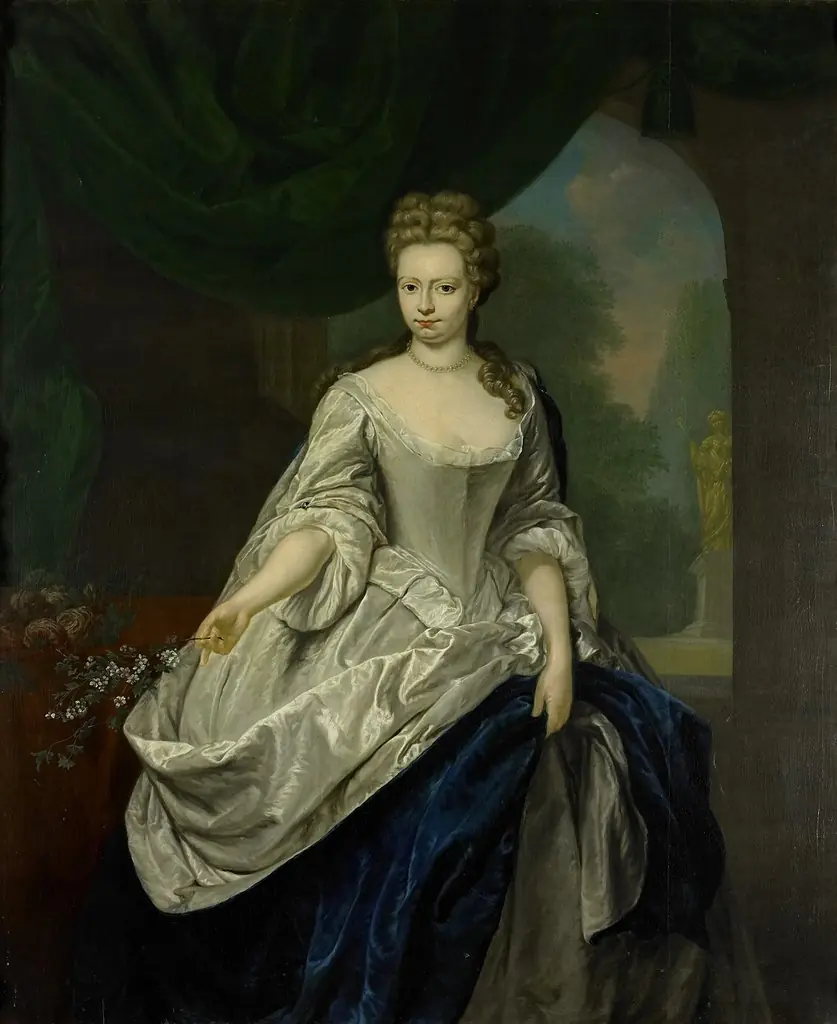 Portrait of Louise Christina Trip (died 1733), Wife of Gerrit Sichterman
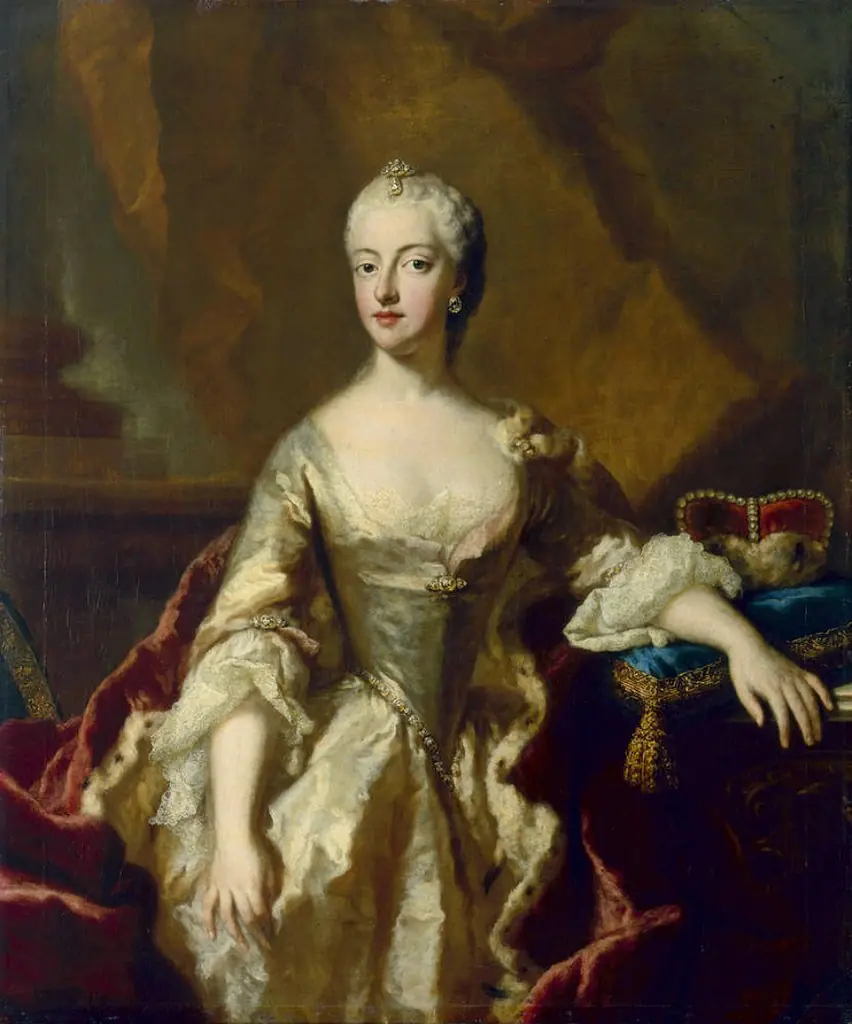 Margravine Maria Anna Josepha of Baden-Baden
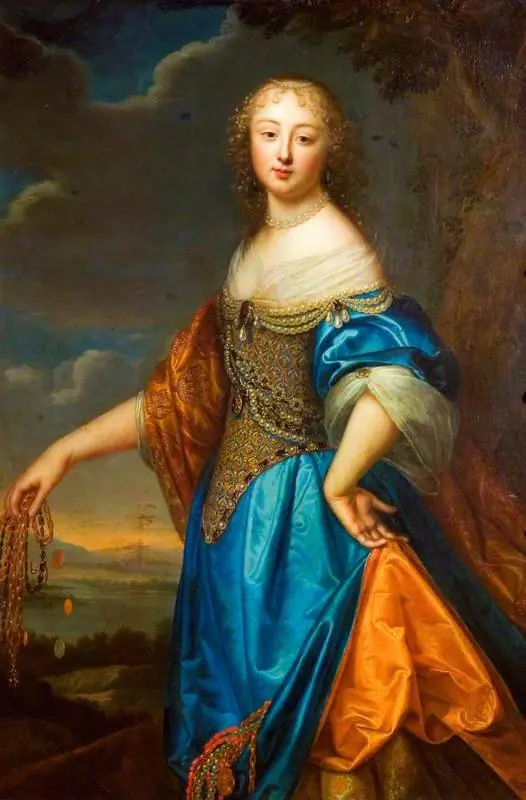 Portrait of a Lady (said to be Jeanne de Marigny)
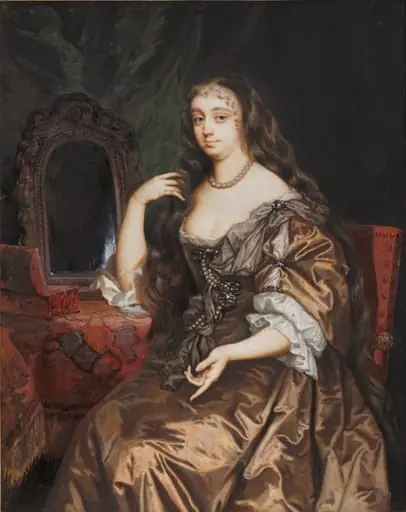 Portrait of Anne Hyde, Duchess of York
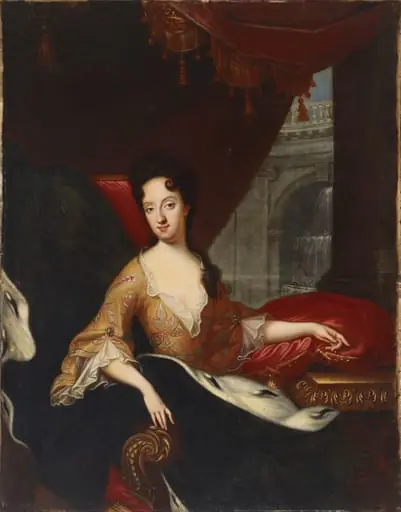 Kuningatar Ulrika Eleonora vanh.
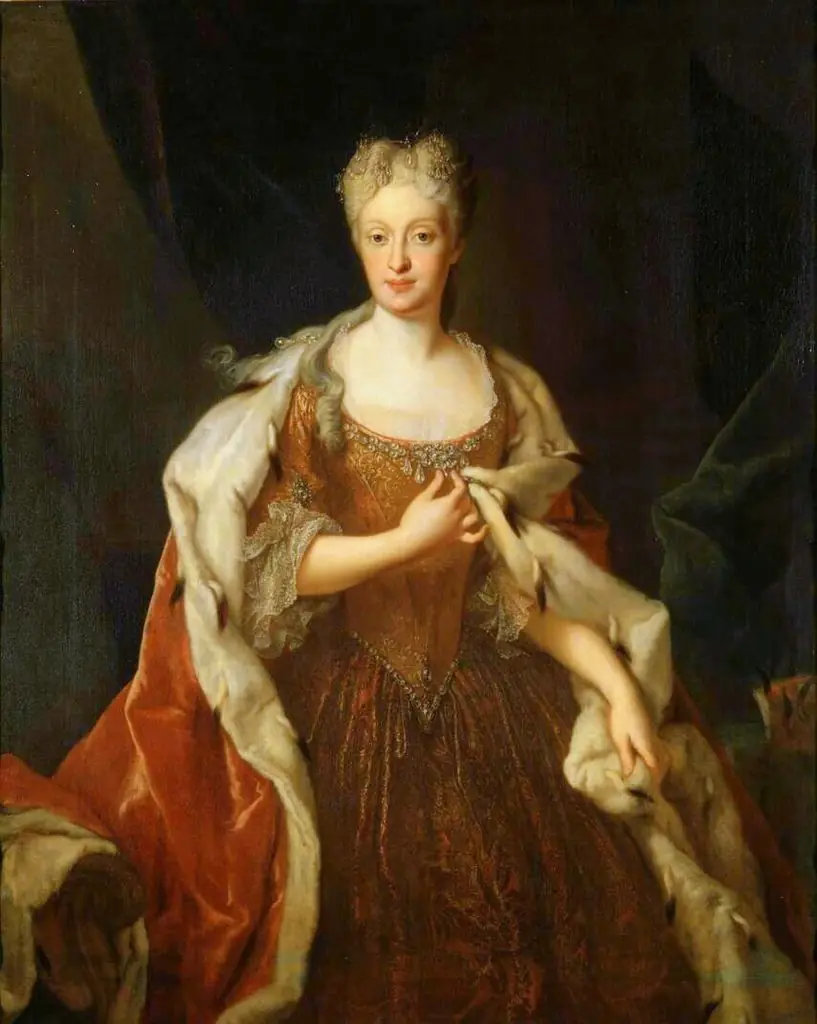 Porträt der Maria Josepha of Austria (1699-1757), Electress of Saxony and Queen of Poland
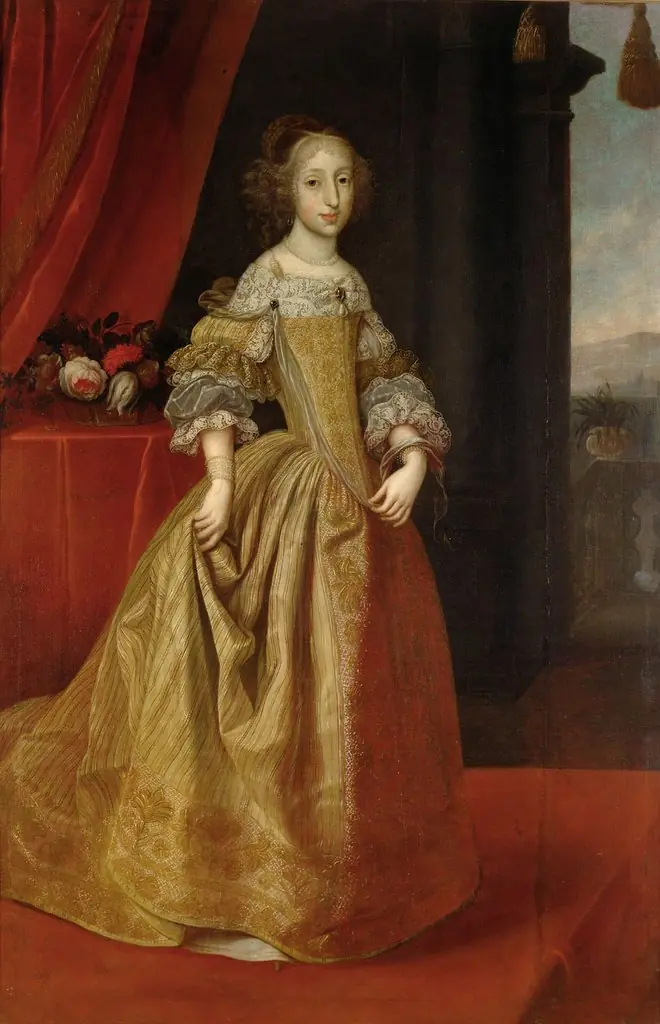 Portrait of Eleanor Maria Josepha of Austria.
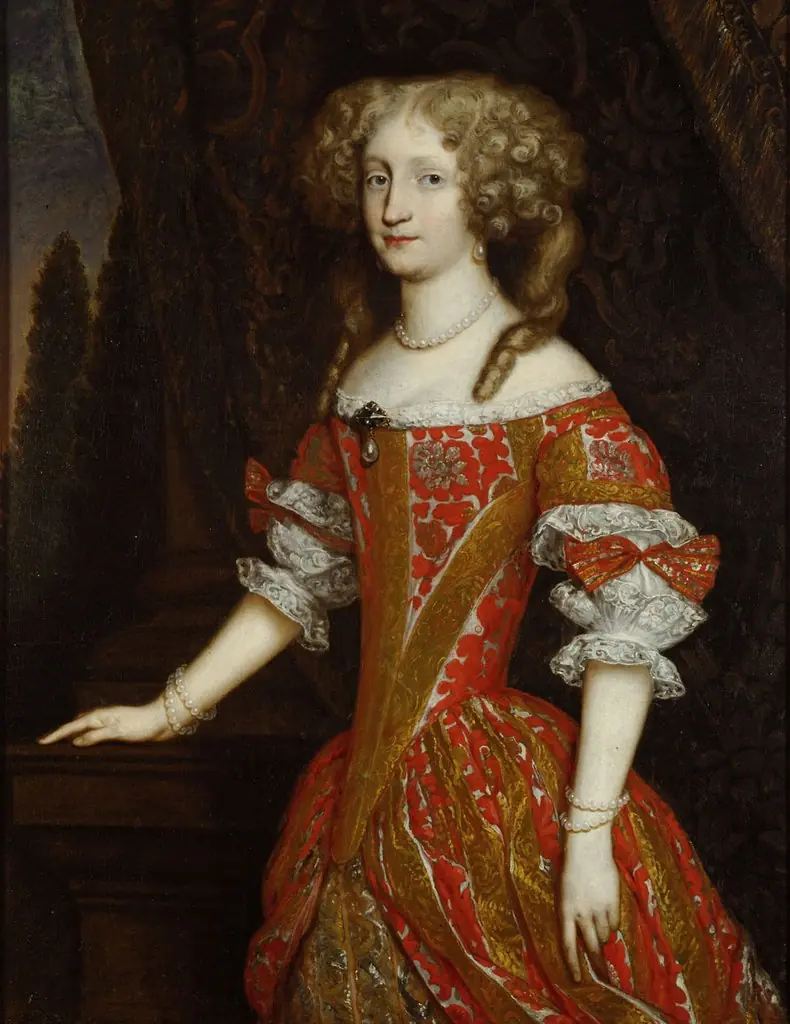 Eleonore Magdalena (1655-1720) von Pfalz - Neuburg, Kaiserin, Kniestück
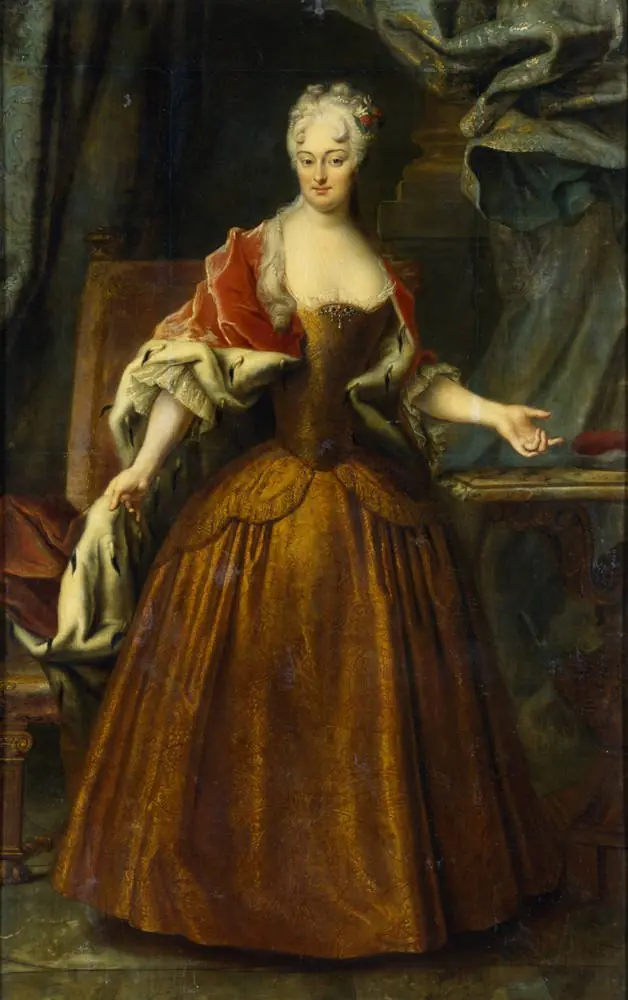 Sophie, Markgräfin von Brandenburg-Bayreuth, geb. Herzogin Sachsen-Weißenfels (1684-1752)
- Anna of Hanover