Artwork
Henry Eichholtz Leman
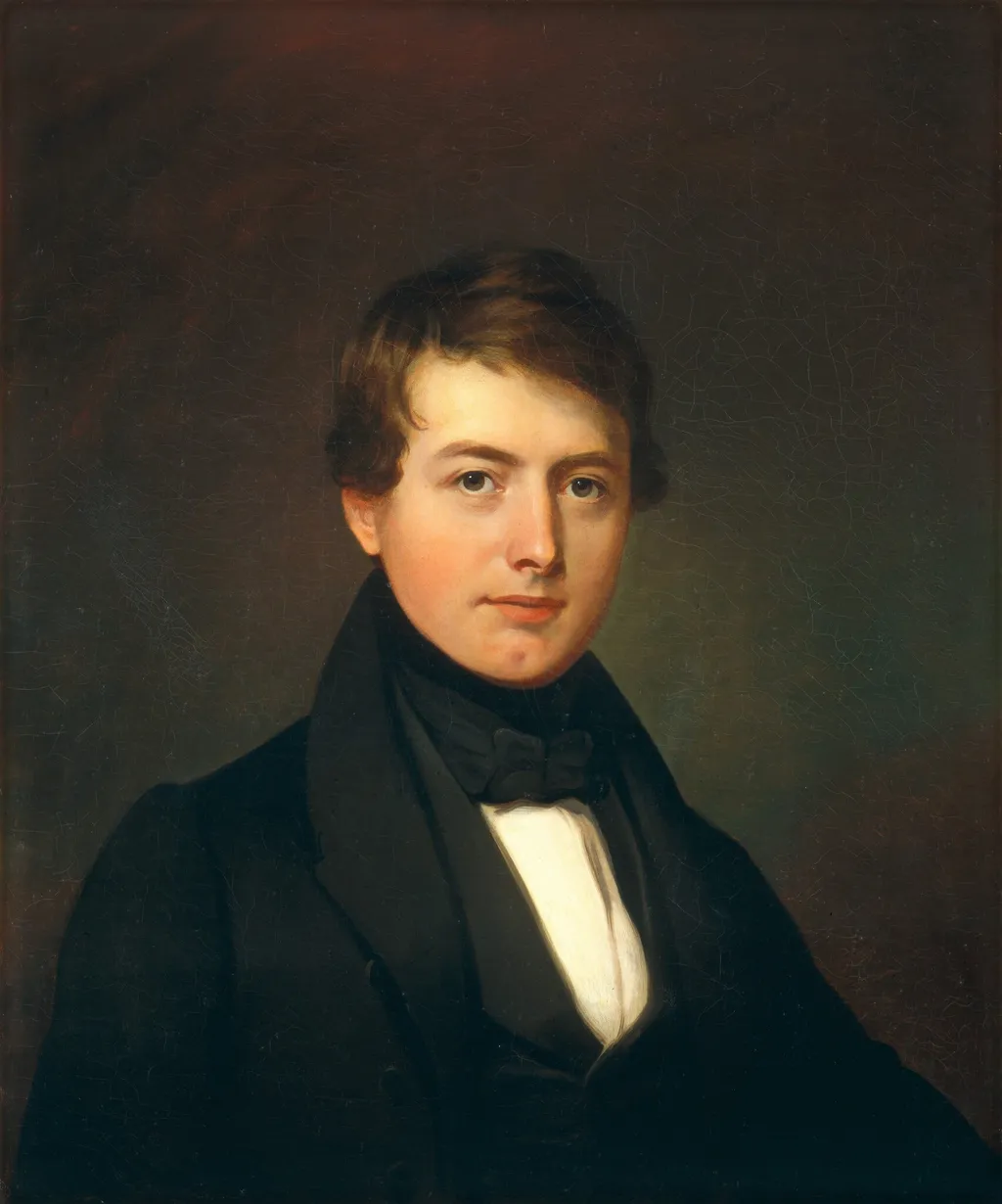
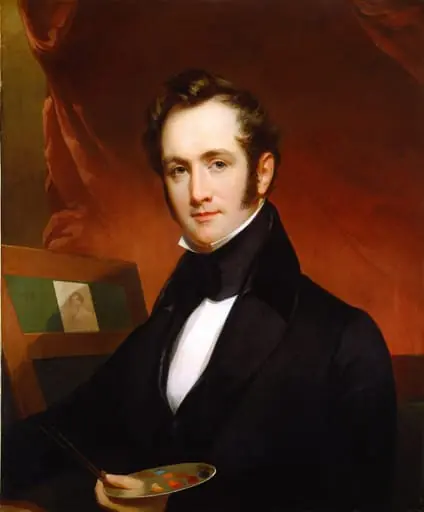
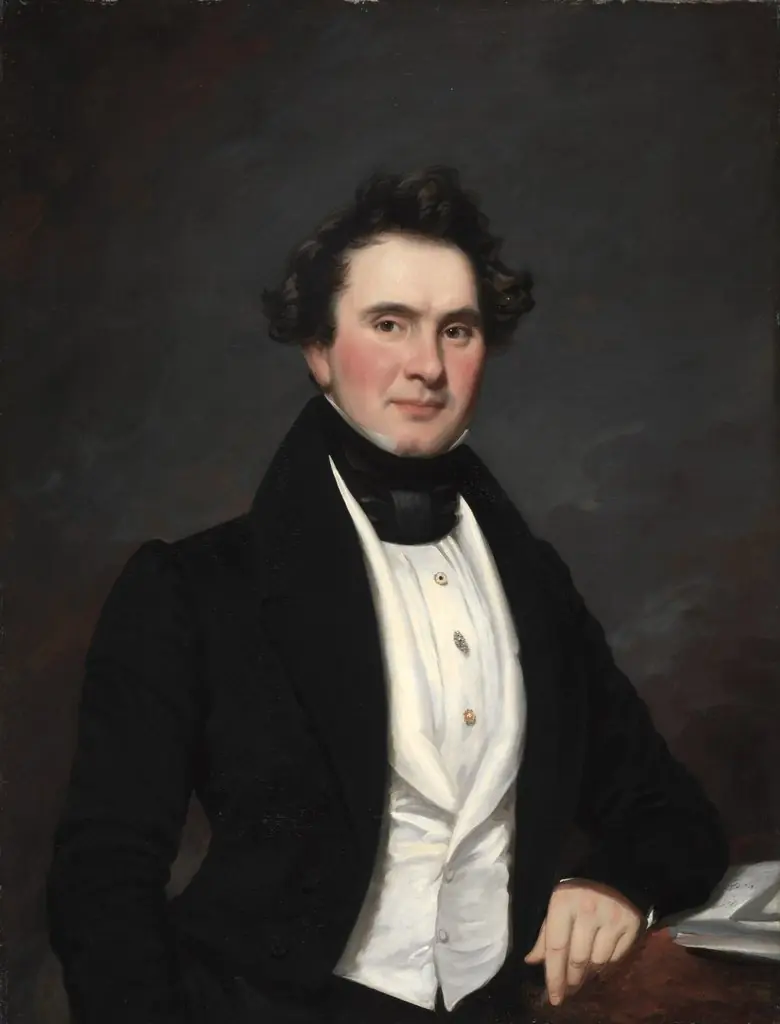
Henry Eichholtz Leman is an oil painting by the American Folk Art artist Jacob Eichholtz. It dates from 1835 and is held in the collection of the National Gallery of Art.
About this work
If you're interested in learning more about this style of painting, you might want to look up movement: Romanticism.
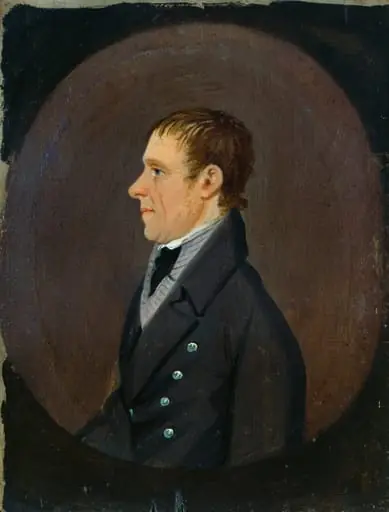
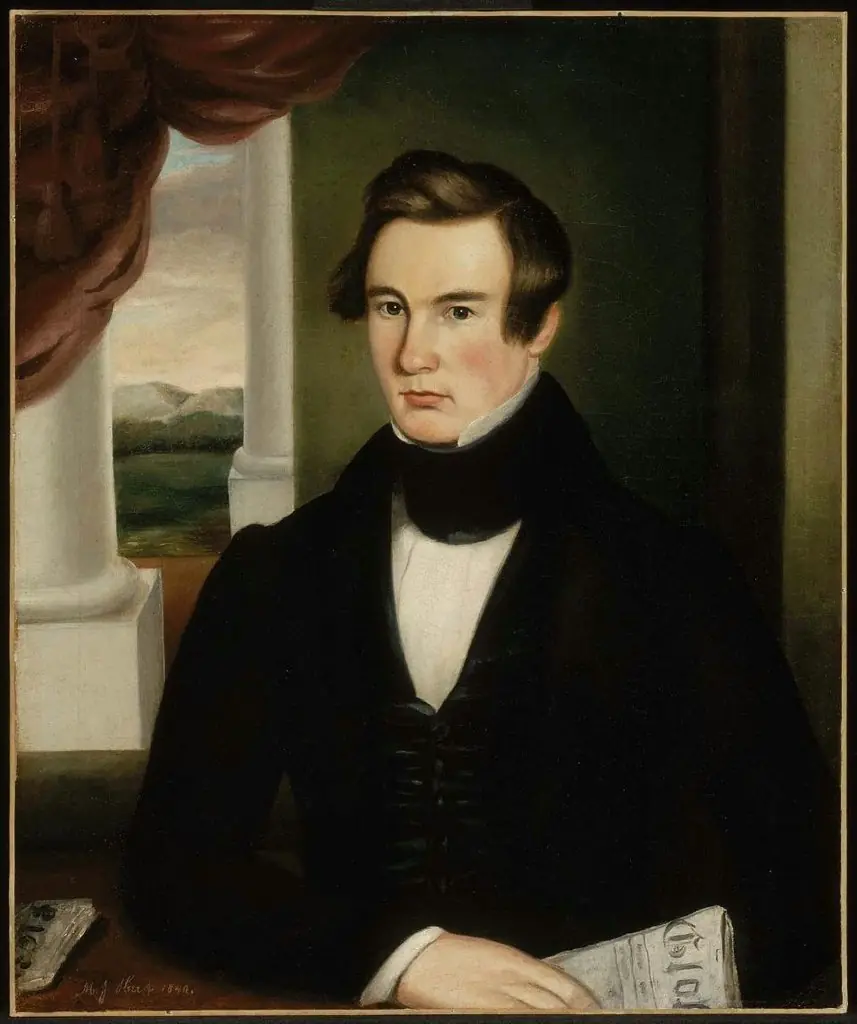
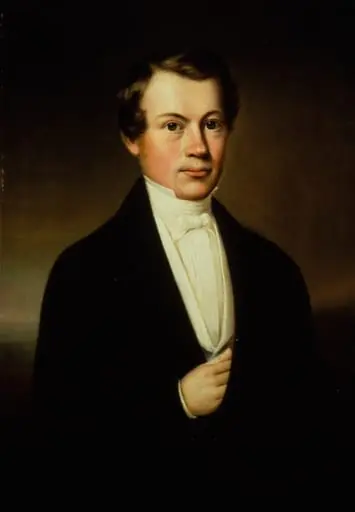
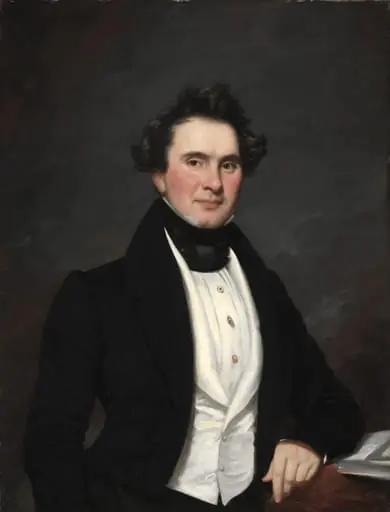
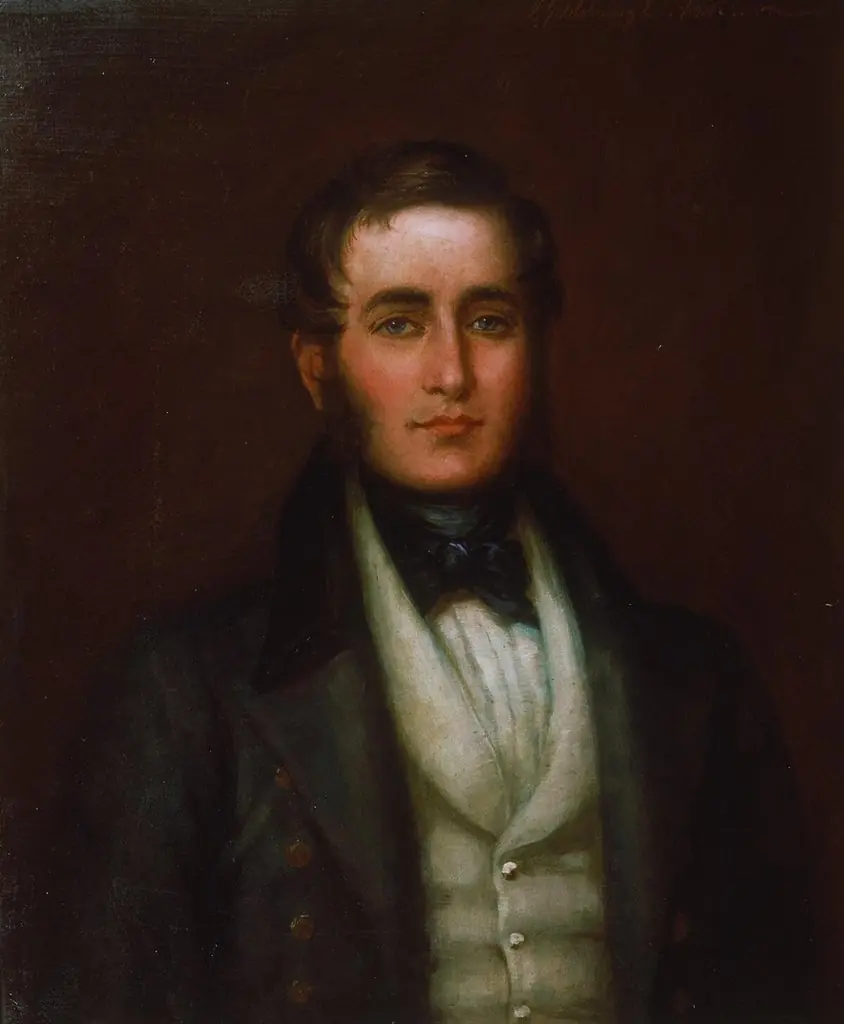
The painting shows a young man in a black suit with a white shirt and black bow tie. He has short brown hair and is looking directly at the viewer.
The man's attire suggests a formal portrait, likely from the 19th century. The painting's style and subject matter are consistent with the Romanticism movement.
If you're interested in learning more about this style of painting, you might want to look up movement: Romanticism.
Subject & Meaning
The painting is a portrait of Henry Eichholtz Leman, created in 1835 by Jacob Eichholtz. As noted in the provenance, the work descended through the family to Adelia Leman, the sitter's daughter. The sources do not provide details regarding specific iconographic elements, symbolic attributes, or deeper allegorical meanings beyond the representation of the sitter himself.
Technique & Style
The work is an oil painting on canvas, measuring 76.5 cm in height and 64.2 cm in width. It is a portrait rendered in the academic realist manner characteristic of early 19th-century American portraiture, with a compositional focus on facial expression and the sitter's dignity. The available sources do not provide further detail on the artist's handling, brushwork, or the painting's condition.
History & Provenance
Henry Eichholtz Leman is an oil on canvas portrait painted by Jacob Eichholtz in 1835. The work descended in the Leman family to Adelia Leman (1857–1947) of Lancaster, daughter of the sitter. On 20 March 1917 she sold it to the New York collector Thomas B. Clarke (1848–1931).
After Clarke's death the painting remained in his estate and was sold on 29 January 1936 as part of the Clarke collection, through M. Knoedler & Co. of New York, to The A.W. Mellon Educational and Charitable Trust of Pittsburgh. The trust later gave the painting to the National Gallery of Art in 1947, where it entered the Andrew W. Mellon collection.
The portrait is held by the National Gallery of Art in Washington, D.C., as part of the Andrew W. Mellon collection. An annotated 1928 exhibition catalogue from the Clarke collection, supported by M. Knoedler & Co. files, documents an earlier showing of the work, though specific exhibition dates beyond this context are not detailed in the provided records. The painting remains in the permanent collection of the National Gallery of Art.
Legacy
The painting's legacy is anchored by its inclusion in The A.W. Mellon Educational and Charitable Trust gift to the National Gallery of Art in 1947, cementing its place in a major American art collection. Its provenance trajectory through prominent collectors like Thomas B. Clarke and the subsequent sale by M. Knoedler & Co. reflects its place within 19th- and 20th-century American art markets.
Overview
Created around 1835, this oil on canvas portrait by Jacob Eichholtz depicts a young man dressed in a black suit, white shirt and black bow tie. The sitter’s short brown hair and direct eye contact give the work a formal, individualized presence typical of early‑19th‑century portraiture.
Own this work as a print
Artist & collection