Artwork
An Egyptian Fellah Woman with her Baby
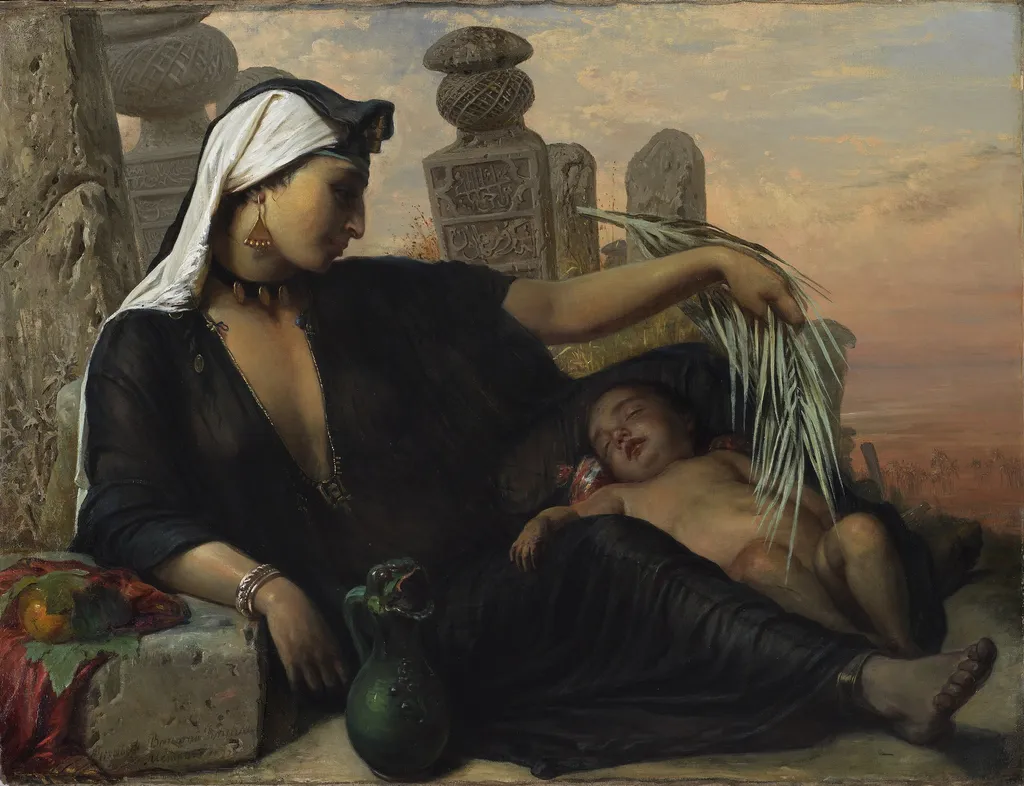
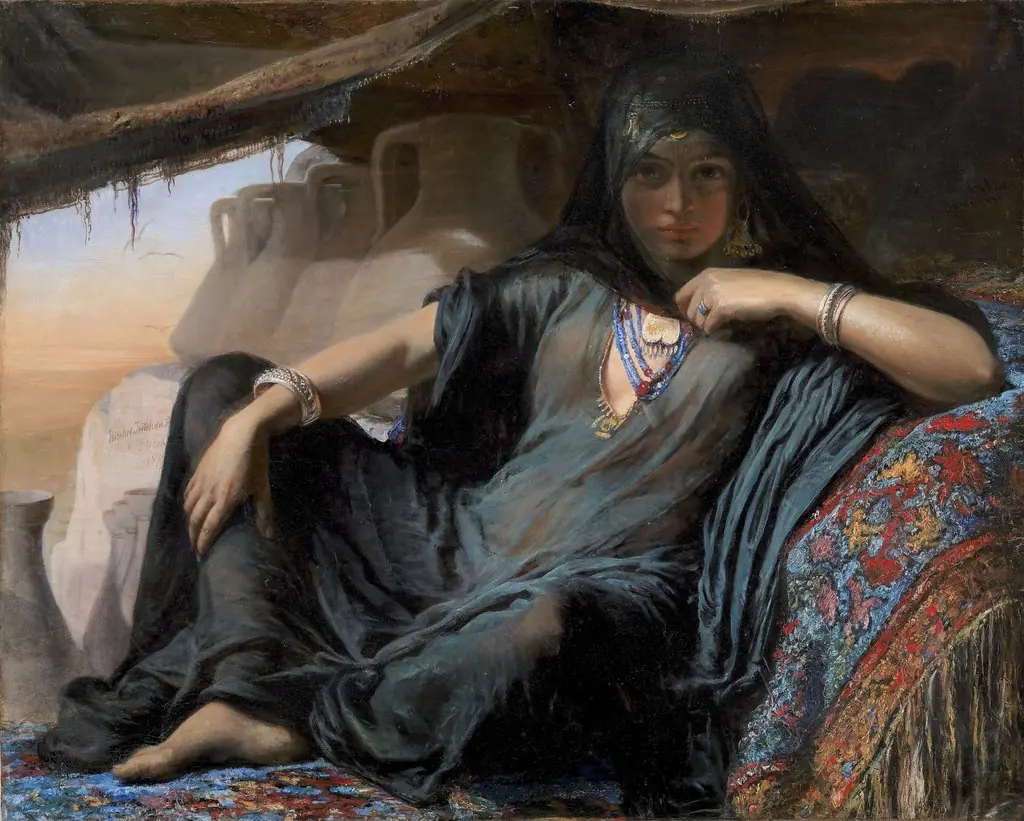
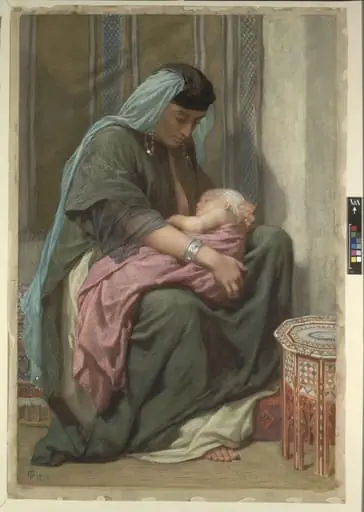
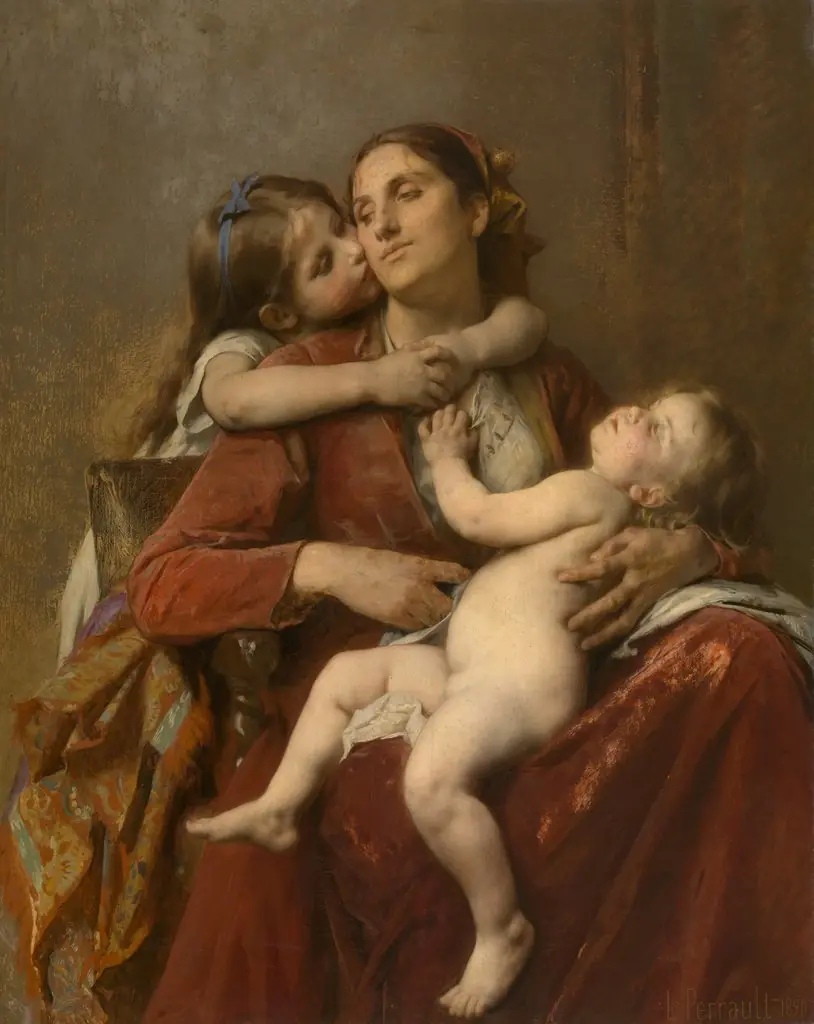
An Egyptian Fellah Woman with her Baby is an oil painting by the Orientalist artist Elisabeth Baumann. It dates from 1872 and is held in the collection of the Statens Museum for Kunst.
About this work
Subject & Meaning
By rendering the figures in traditional dress, the work also evokes cultural identity and the idealized vision of rural Egyptian life during the period.
The painting portrays a modest Egyptian peasant mother cradling her infant, a scene that underscores themes of domestic labor and familial continuity in 19th‑century Egyptian society. The composition emphasizes the intimate bond between mother and child, reflecting contemporary European interest in genre scenes that celebrate everyday labor and maternal care. By rendering the figures in traditional dress, the work also evokes cultural identity and the idealized vision of rural Egyptian life during the period.
The subject is drawn directly from the painting’s title and depicted elements described in the sources, highlighting the everyday reality of a Fellah woman with her baby.
Technique & Style
Created in 1872, this oil painting on canvas portrays a Fellah woman cradling her infant, rendered with characteristic academic realism of the period. The work measures 98.5 cm by 129.2 cm and is executed in oil paint applied to a stretched canvas support. The formal composition emphasizes the intimate domestic scene through careful modeling of figures and muted earth tones, reflecting Baumann's academic training and interest in genre subjects.
The painting has been part of the Statens Museum for Kunst collection since its creation and remains on display in the museum's permanent collection.
The handling and condition of the work have been documented as stable, with no major conservation interventions recorded in the museum's archives.
History & Provenance
The painting was created in 1872 by Elisabeth Jerichau Baumann.
It entered the collection of the Statens Museum for Kunst in Denmark, where it remains held. The work’s early provenance and any commission details are not documented in the cited sources.
The painting An Egyptian Fellah Woman with her Baby is held in the collection of the Statens Museum for Kunst in Copenhagen. The work, created by Elisabeth Baumann in 1872, is cataloged within the museum's holdings of oil on canvas paintings. While the specific inventory or accession number is not provided in the available records, the artwork is identified by its depiction of a Fellah woman and child and its physical dimensions of 98.5 cm in height and 129.2 cm in width. No exhibition history is documented in the provided sources.
Context
Elisabeth Baumann painted An Egyptian Fellah Woman with her Baby in 1872, a canvas work now held by the Statens Museum for Kunst. The painting depicts a Fellah woman cradling her child and was created in the same year recorded in its inception metadata. It is commonly discussed in scholarship as an example of 19th-century European artists’ engagement with Egyptian domestic life, situating Baumann within the broader context of Orientalist genre painting.
Baumann’s focus on everyday Egyptian subjects aligns with contemporary artistic trends that sought to capture perceived authenticity through realist detail, though her approach was less ideologically driven than some of her peers. The work’s composition and ethnographic framing have been analyzed in studies of gender and representation in 19th-century art history, particularly in relation to how female artists navigated Orientalist discourse.
Legacy
Elisabeth Baumann's 1872 painting An Egyptian Fellah Woman with her Baby entered the collection of the Statens Museum for Kunst, where it remains on display. The work is frequently cited in scholarship on 19th‑century Orientalist art as an example of European artists rendering everyday Egyptian domestic scenes with a blend of realism and romanticized exoticism. Contemporary critics praised its technical execution and sympathetic portrayal of local life, influencing later painters who depicted similar genre subjects in the Middle East.
The painting's inclusion in major exhibitions of European Orientalism has reinforced its reputation as a representative piece of the period.
Overview
Elisabeth Jerichau‑Baumann, a 19th‑century painter of Polish‑Danish heritage, completed the canvas An Egyptian Fellah Woman with her Baby in 1872. Executed in oil, the work belongs to the Orientalist tradition and is presently part of the Statens Museum for Kunst’s holdings in Copenhagen.
Own this work as a print
Artist & collection
Artist
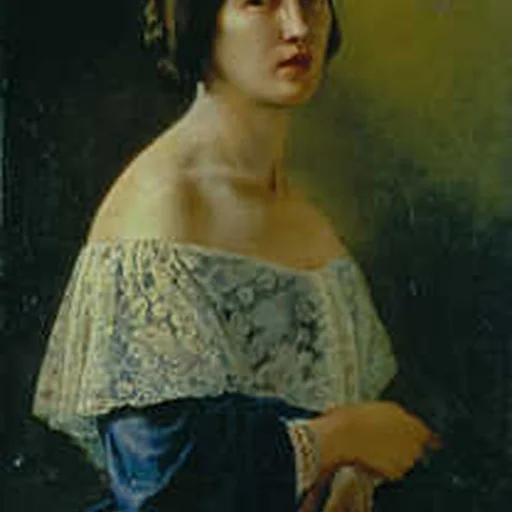
Anna Maria Elisabeth Lisinska Jerichau-Baumann (21 November 1819 – 11 July 1881) was a Polish-Danish painter. She was married to the sculptor Jens Adolf Jerichau.