Artwork
The Open Window
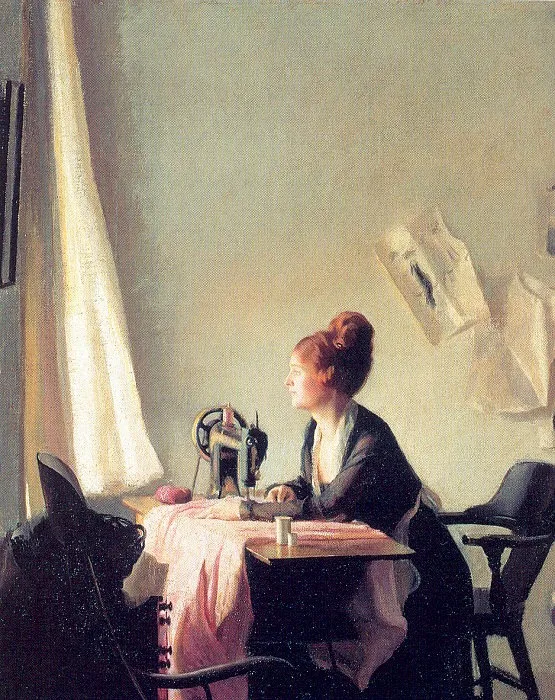
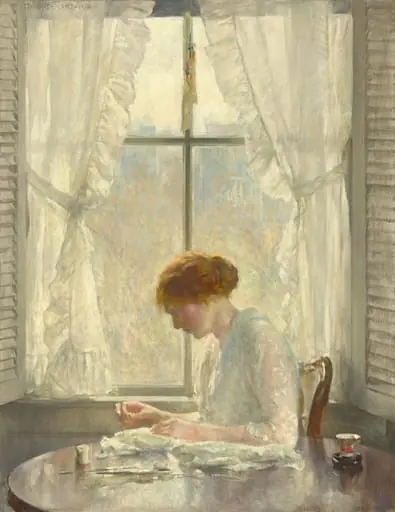
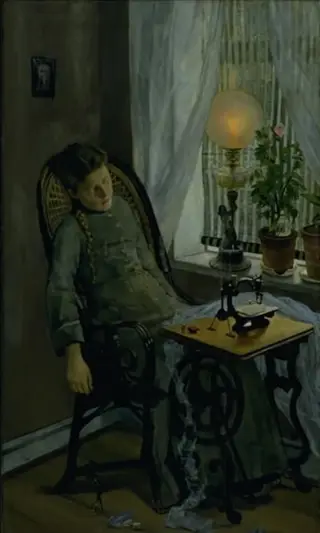
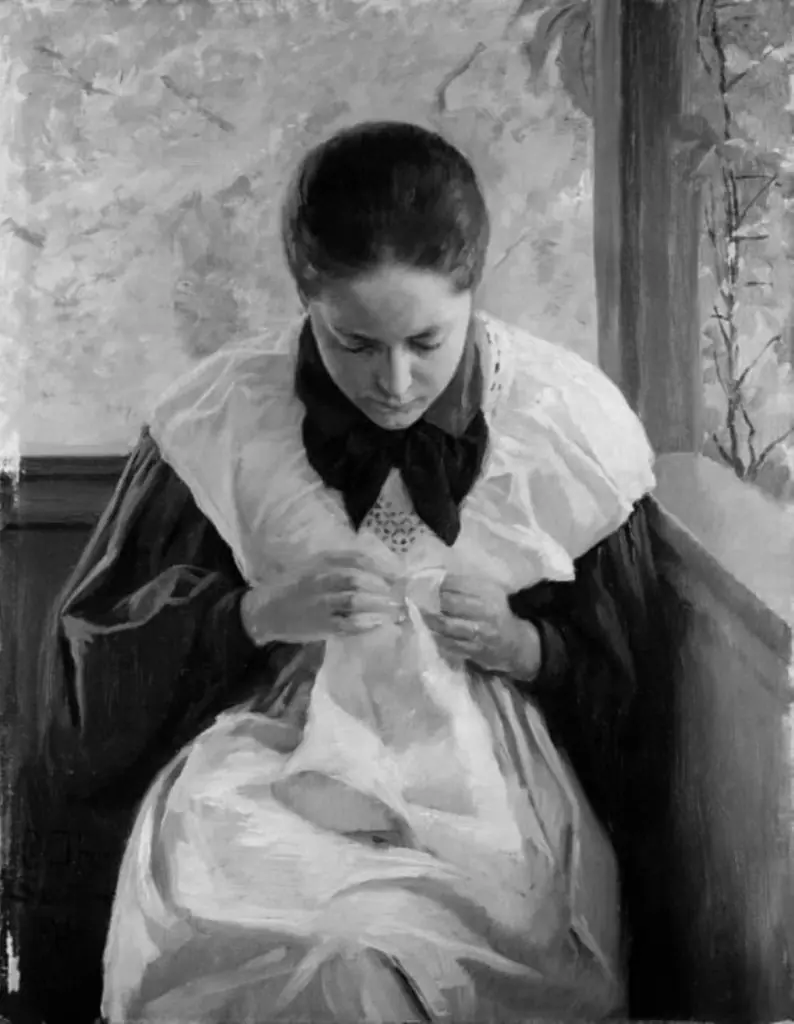
The Open Window is an oil painting by the Impressionist artist Elizabeth Okie Paxton. It dates from 1921 and is held in the collection of the Museum of Fine Arts Boston.
About this work
Subject & Meaning
The painting's meaning emerges from this juxtaposition of the intimate interior with the external world, embodying both restraint and possibility.
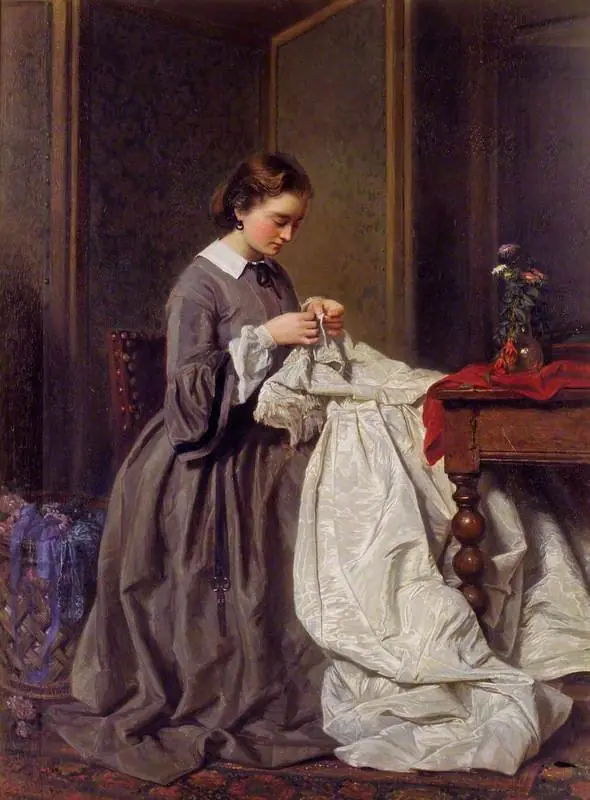
The Open Window depicts a sunlit interior with a woman seated at a sewing machine beside a table and chair, framed by a stage curtain and a view through an open window onto a garden. The scene conveys domestic quietude and the interplay of interior and exterior spaces, reflecting early twentieth-century American women's private studio activities. The work's composition balances stillness with subtle movement, suggesting both routine labor and a moment of contemplation.
Dimensions measure 61.59 cm by 46.35 cm, and the painting resides in the collection of the Museum of Fine Arts, Boston.
The iconography includes a sewing machine, symbolizing women's domestic craft, and a stage curtain, evoking performance and the illusion of theatrical space within the home. Together these elements hint at themes of confinement and aspiration, as the figure engages in quiet work while looking toward an open, undefined landscape beyond the window. The painting's meaning emerges from this juxtaposition of the intimate interior with the external world, embodying both restraint and possibility.
Technique & Style
The Open Window is executed in oil paint on canvas, a traditional support for early twentieth-century genre painting. The composition is rendered on a relatively modest canvas measuring 61.59 cm in height by 46.35 cm in width, a vertical format suited to its interior scene.
Stylistically, the work belongs to the genre art tradition, depicting domestic activity through recognizable elements such as a woman, a table, a chair, a sewing machine, and a stage curtain. The inclusion of the stage curtain within a domestic setting suggests an interest in theatrical staging or layered interior spaces, while the sewing machine anchors the scene in everyday labor. The handling of these motifs is consistent with a realist approach to genre imagery, focusing on the quiet observation of a figure within a furnished room rather than on dramatic narrative.
The sources do not provide specific information on the painting's current condition, surface handling, or finer stylistic attributes beyond its medium, support, and subject matter.
History & Provenance
Elizabeth Okie Paxton created the oil painting The Open Window in 1921. While some records suggest a creation window extending into early 1922, the work is primarily dated to 1921. The painting entered the collection of the Museum of Fine Arts, Boston, where it remains housed.
Specific details regarding the original commission or intermediate ownership history prior to its acquisition by the museum are not provided in the available records.
Overview
Elizabeth Okie Paxton’s 1921 oil painting The Open Window captures a tranquil domestic interior bathed in daylight. The composition centers on a woman seated at a modest table, engaged in sewing, while a partially drawn curtain frames the luminous view beyond. The work is part of the Museum of Fine Arts, Boston’s collection.
Artist & collection
Artist
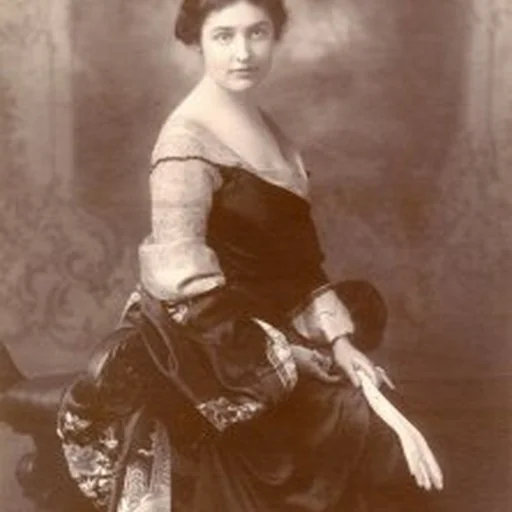
Elizabeth Okie Paxton (1878–1972) was an American painter, married to another artist William McGregor Paxton (1869–1941).