Artwork
The Nieuwe Vismarkt (new fish market) in Amsterdam
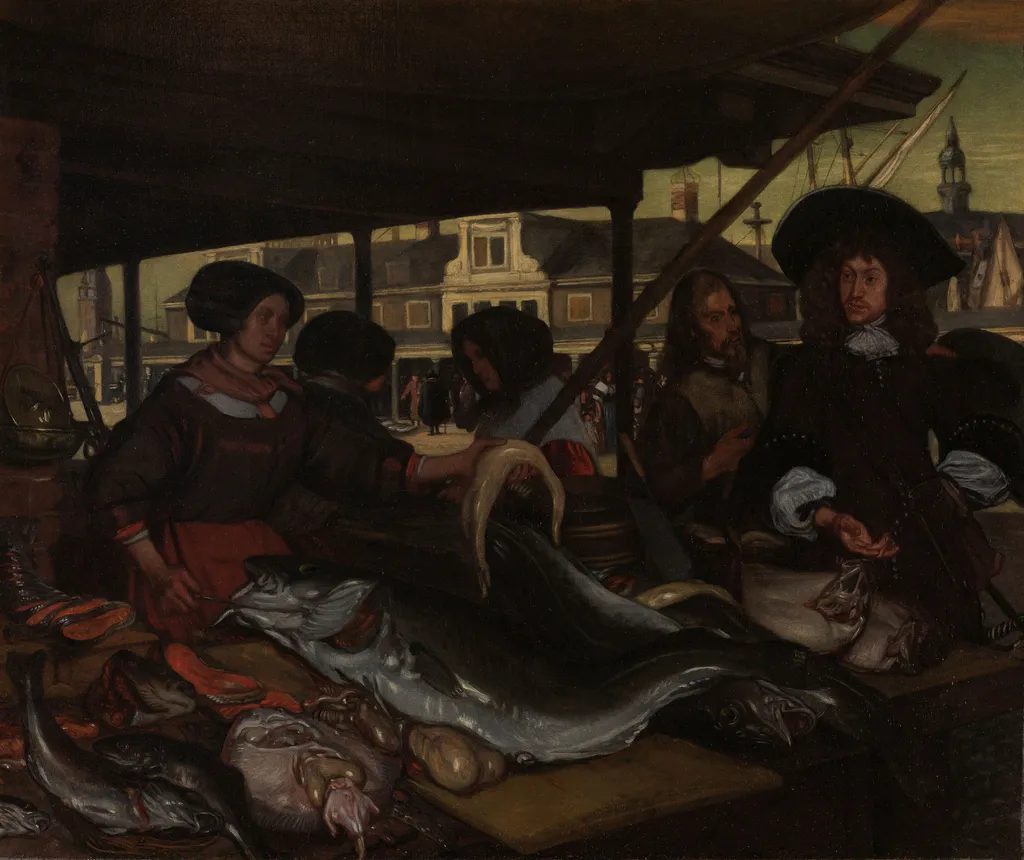
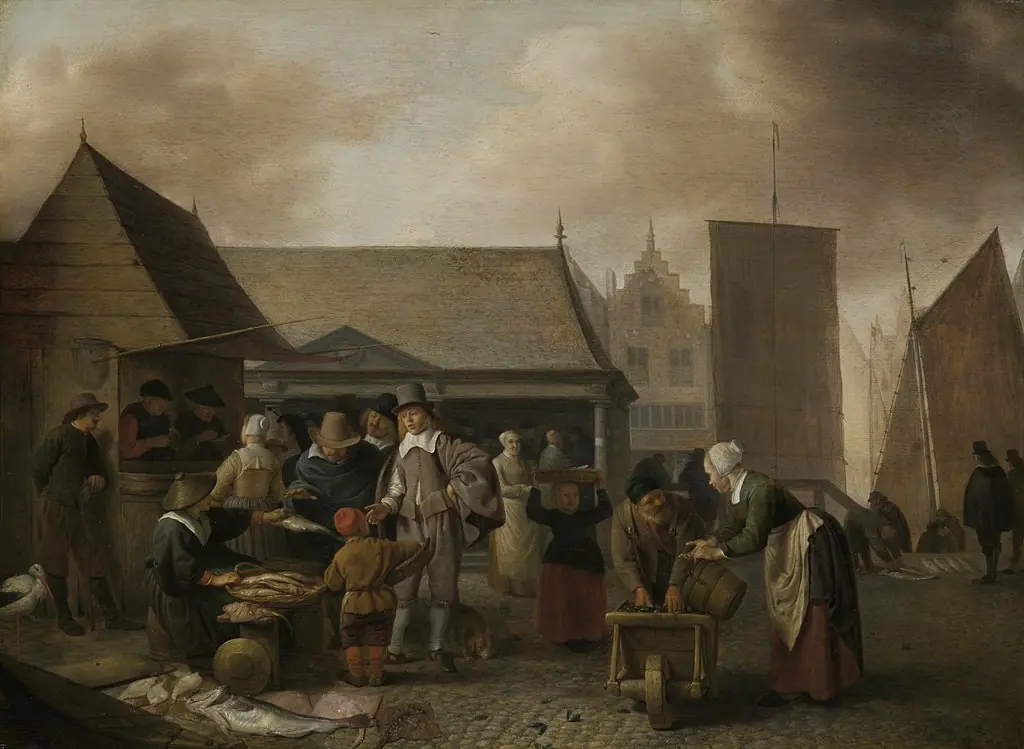
The Nieuwe Vismarkt (new fish market) in Amsterdam is an oil painting by the Dutch Golden Age artist Emanuel de Witte. It dates from 1673 and is held in the collection of the Rijksmuseum.
About this work
Technique & Style
The Nieuwe Vismarkt is executed in oil paint on canvas, a standard support for Dutch Golden Age cabinet pictures of this modest scale (52 × 62 cm).
The Nieuwe Vismarkt is executed in oil paint on canvas, a standard support for Dutch Golden Age cabinet pictures of this modest scale (52 × 62 cm). The work is classified as a genre painting, consistent with Emanuel de Witte's specialization in architectural interiors and market scenes rendered with careful attention to spatial recession, light, and the bustle of everyday commerce. As a small-format oil on canvas, the handling would have allowed for the fine detail and tonal modulation characteristic of his interior views, though the present sources do not specify condition or stylistic periodization beyond the 1673 date and the genre classification.
History & Provenance
The Nieuwe Vismarkt (new fish market) in Amsterdam was painted by Emanuel de Witte in 1673, executed in oil paint on canvas. The work depicts the new fish market in Amsterdam, functioning as a genre scene documenting the city's commercial life. It is held in the collection of the Rijksmuseum, where it remains located. The painting measures 52 by 62 centimeters.
Neither source documents the original commission, the circumstances of its creation, or the chain of ownership prior to its acquisition by the Rijksmuseum, so those aspects of the provenance cannot be reported.
Context
Emanuel de Witte painted The Nieuwe Vismarkt in Amsterdam in 1673, capturing the bustling fish market within a genre scene tradition. The work, executed in oil on canvas, measures 52 by 62 centimeters and is housed in the Rijksmuseum collection. Scholarship situates the painting within de Witte's mature period, emphasizing his focus on interior and urban genre scenes that document daily life in the Dutch Golden Age. Its presence in a major institutional collection underscores its significance within Dutch 17th-century painting.
Legacy
Emanuel de Witte's 1673 painting The Nieuwe Vismarkt in Amsterdam, depicting a lively fish market scene, has been part of the Rijksmuseum's collection since its inception, ensuring the work's visibility within the institution's permanent displays. As a notable example of Dutch Golden Age genre painting, it contributes to scholarly understanding of 17th-century Amsterdam's urban life and commercial activity, though specific later influence on artistic movements or contemporary reception is not documented in the provided sources.
Overview
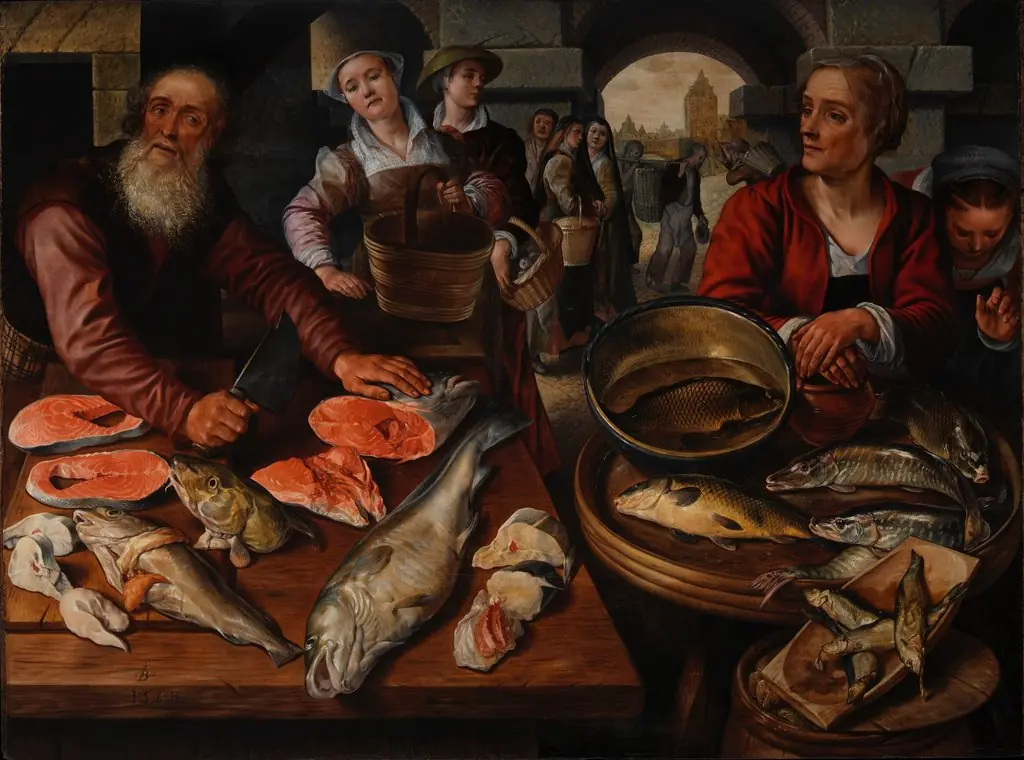
Emanuel de Witte’s oil painting The Nieuwe Vismarkt, executed in 1673, depicts an interior view of a fish market in Amsterdam. The work is part of the Rijksmuseum’s collection and measures a modest size typical of de Witte’s genre scenes. The composition centers on a dimly lit room where a small group of figures attend to a spread of fish on a table.
Subject & Meaning
The scene presents four individuals, likely market workers, engaged in the routine of handling and preparing fish, ranging from a large eel to smaller catches. The ordinary activity is rendered without idealisation, emphasizing the everyday commerce of 17th‑century Amsterdam and offering a glimpse into the city’s maritime supply chain.
Own this work as a print
Artist & collection
Artist
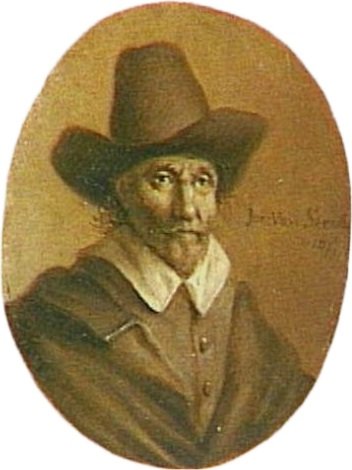
Emanuel de Witte (1617–1692) was a Dutch perspective painter. In contrast to Pieter Jansz Saenredam, who emphasized architectural accuracy, De Witte was more concerned with the atmosphere of his interiors. Though few in…

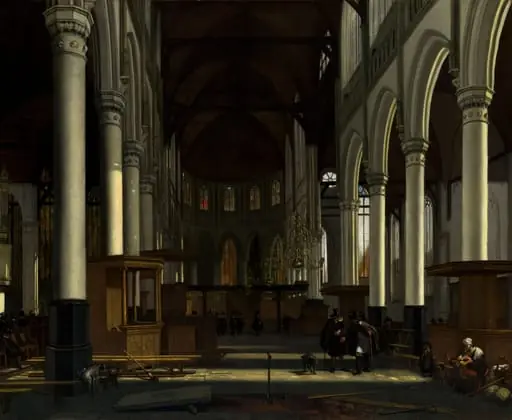 The Interior of the Oude Kerk, Amsterdam
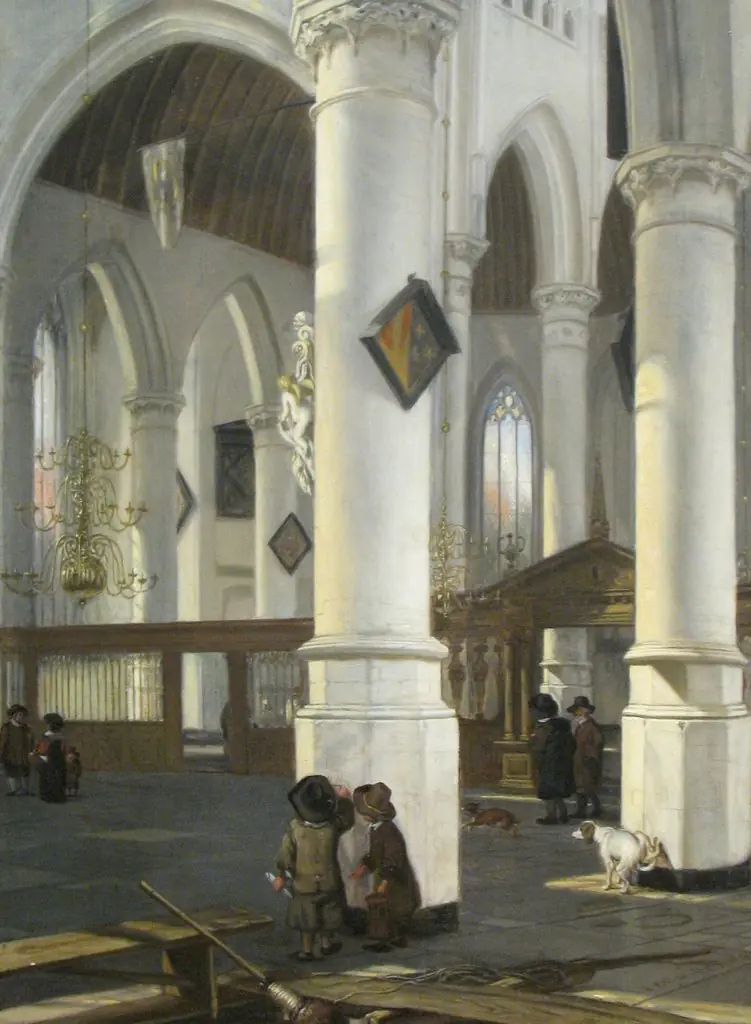 Interior of the Oude Kerk, Delft
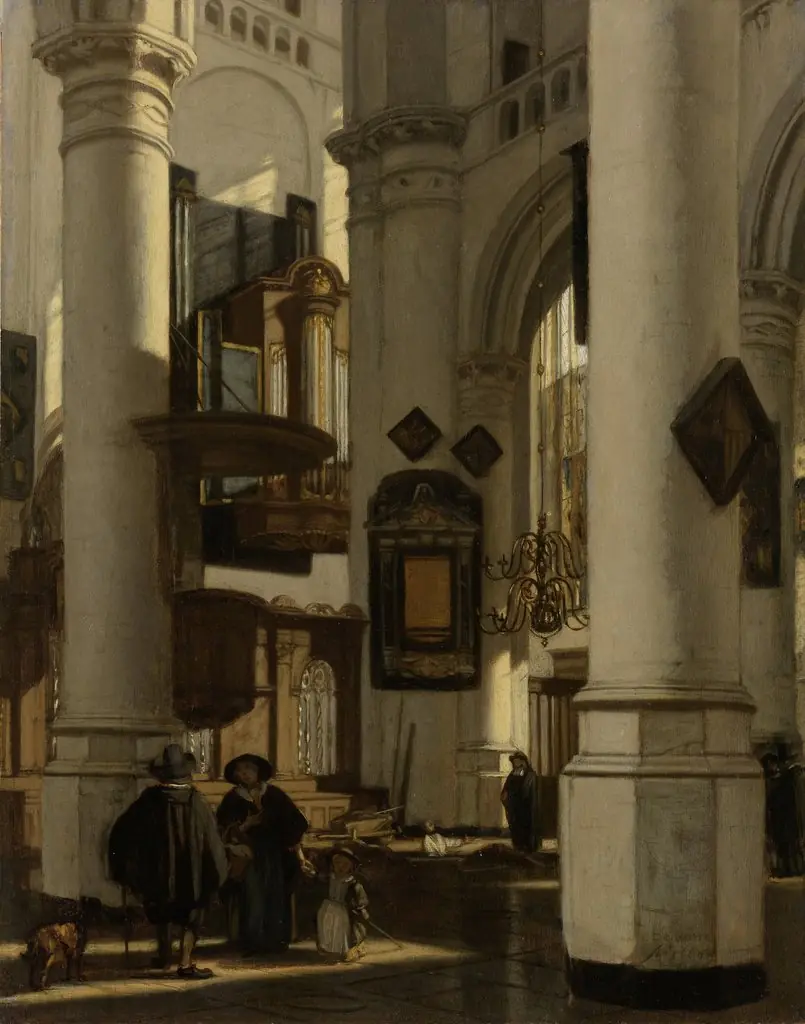 Interior of a Protestant, Gothic Church, with a Gravedigger in the Choir
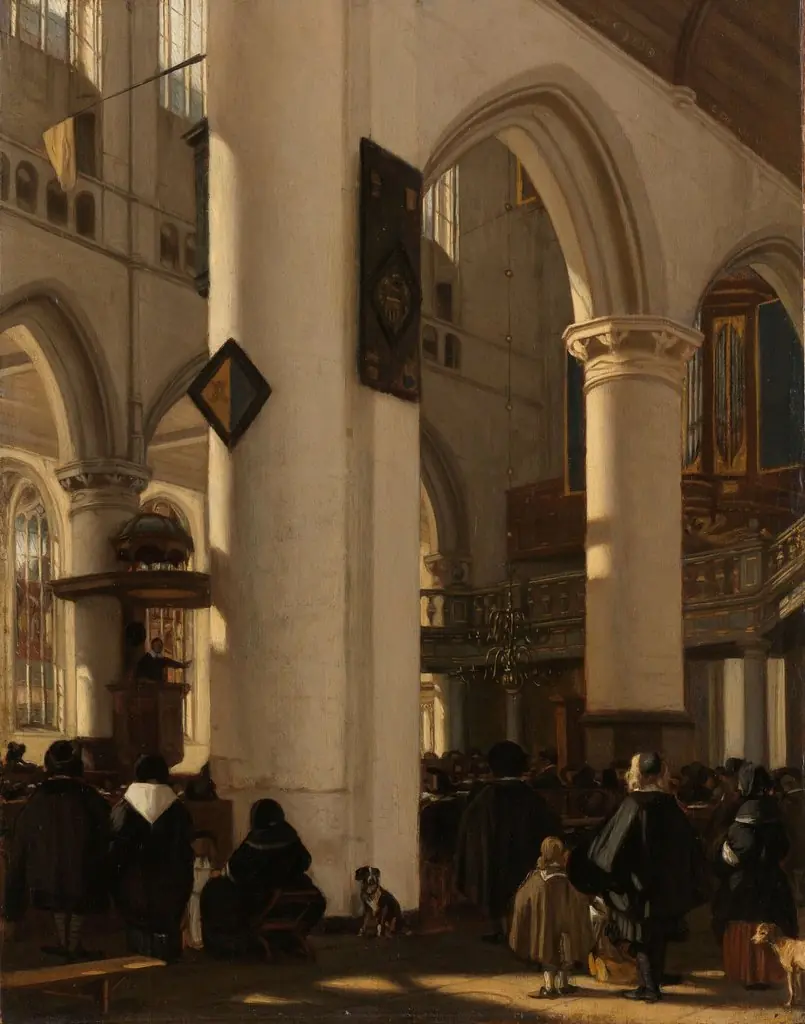 Interior of a Protestant, Gothic Church during a Service
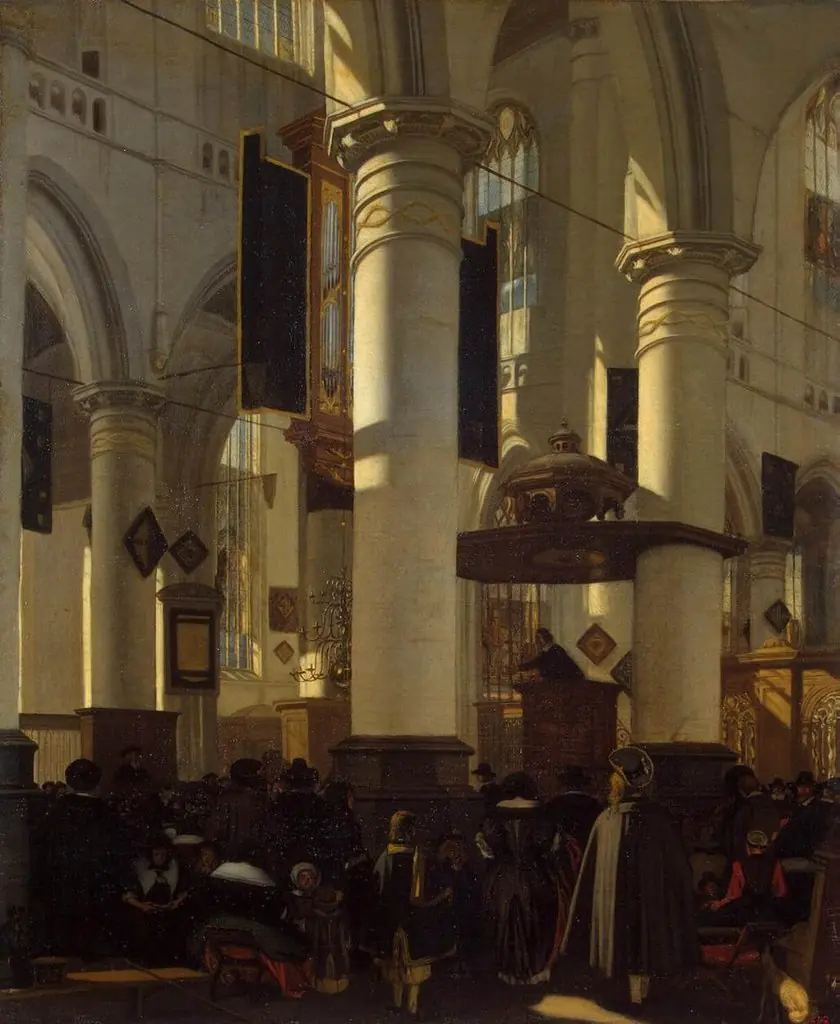 Interior of a Church
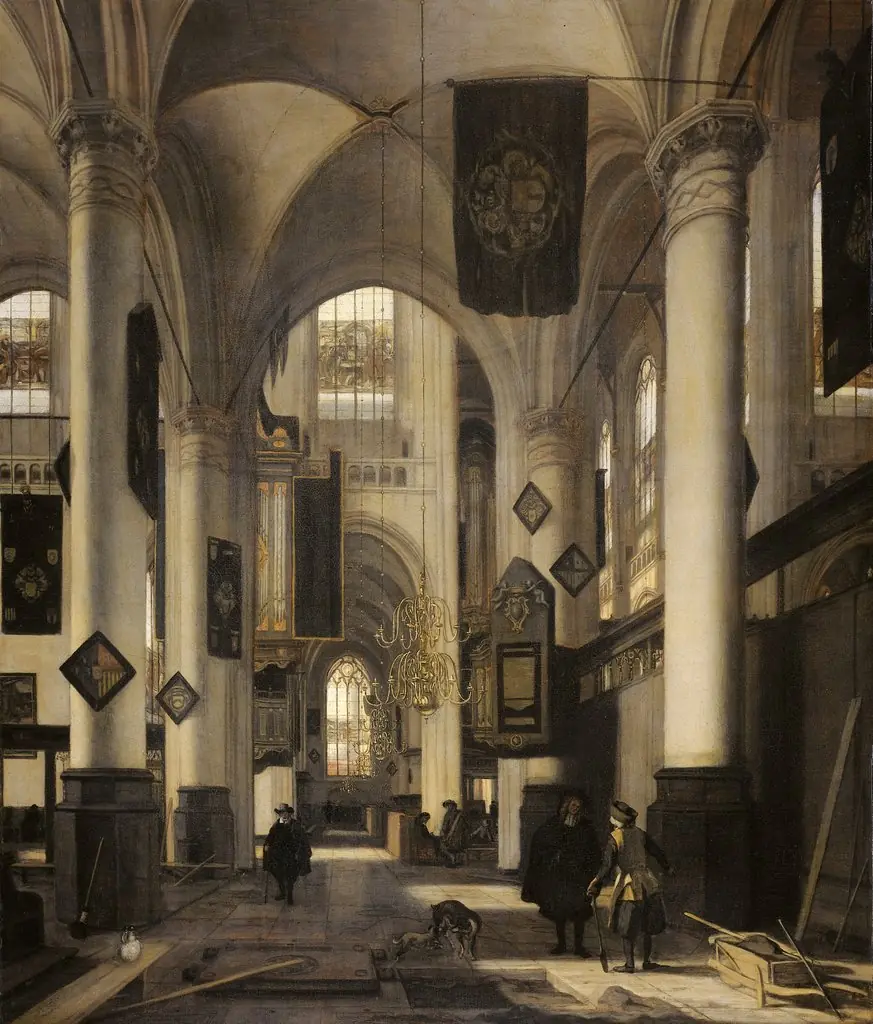 Interior of a Protestant Gothic Church
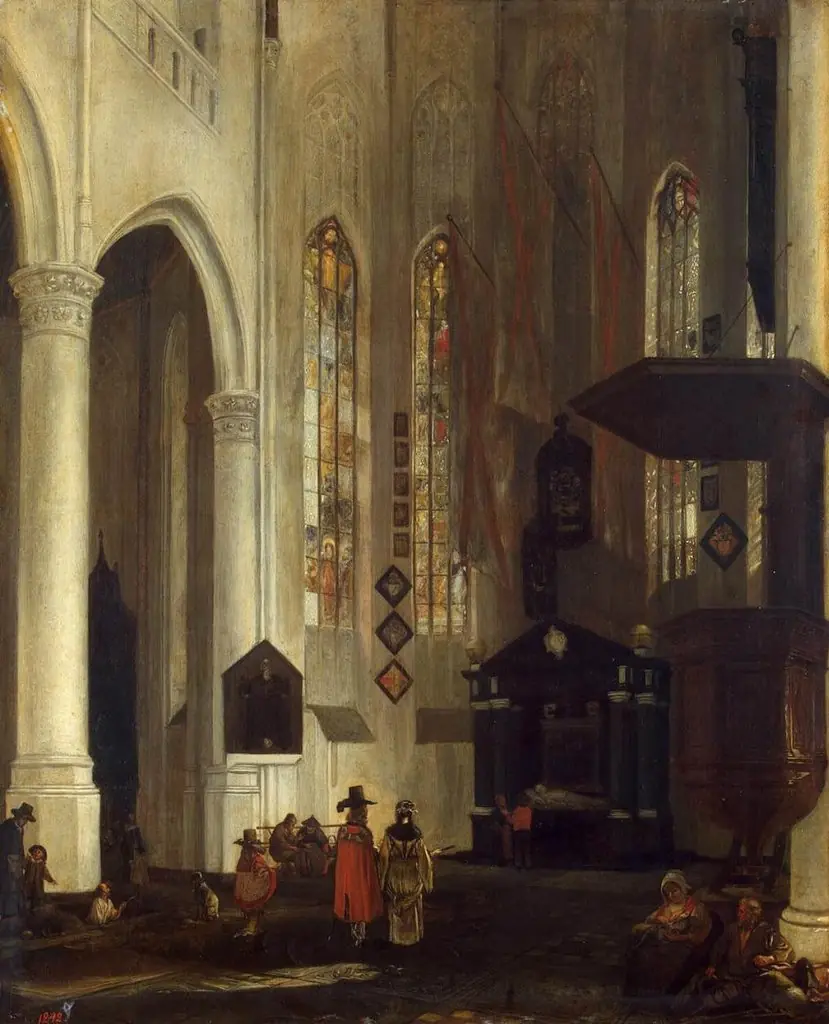 Old Church (Oudekerk) in Delft with the Tomb of Admiral Pieter Pieterszoon Hein (Heyn)
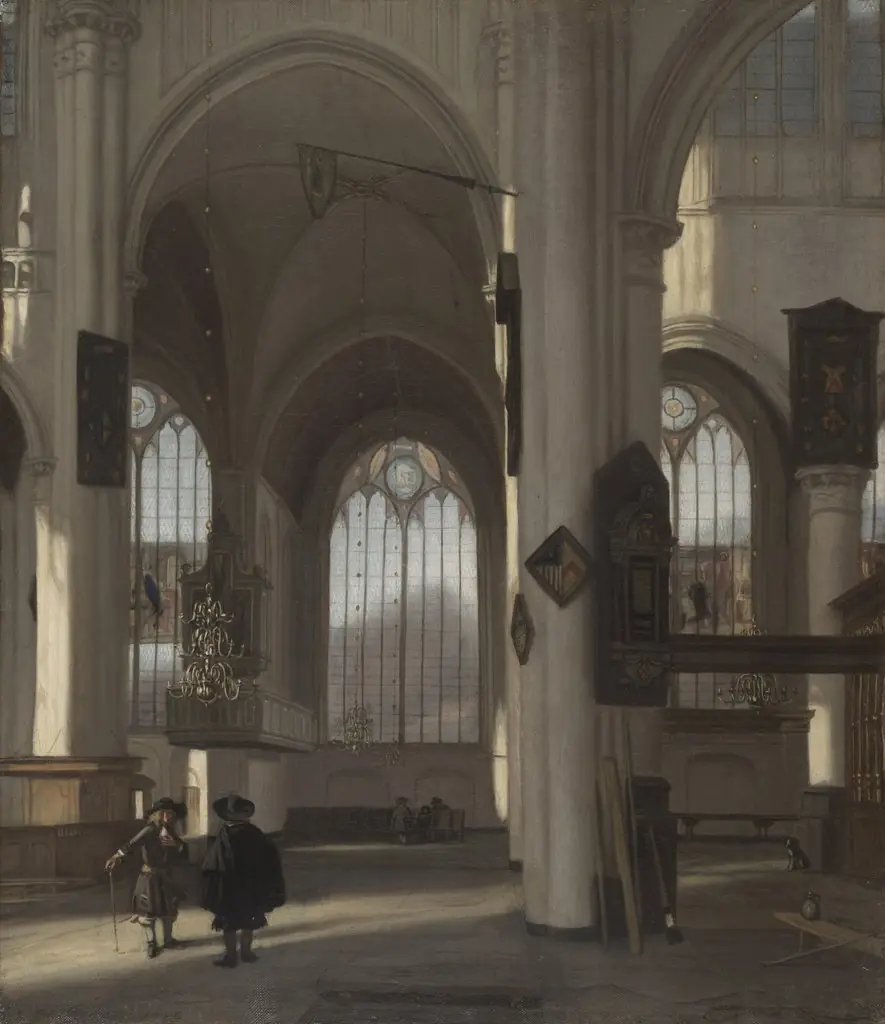 Interior of a Church