Artwork
Madonna and Child
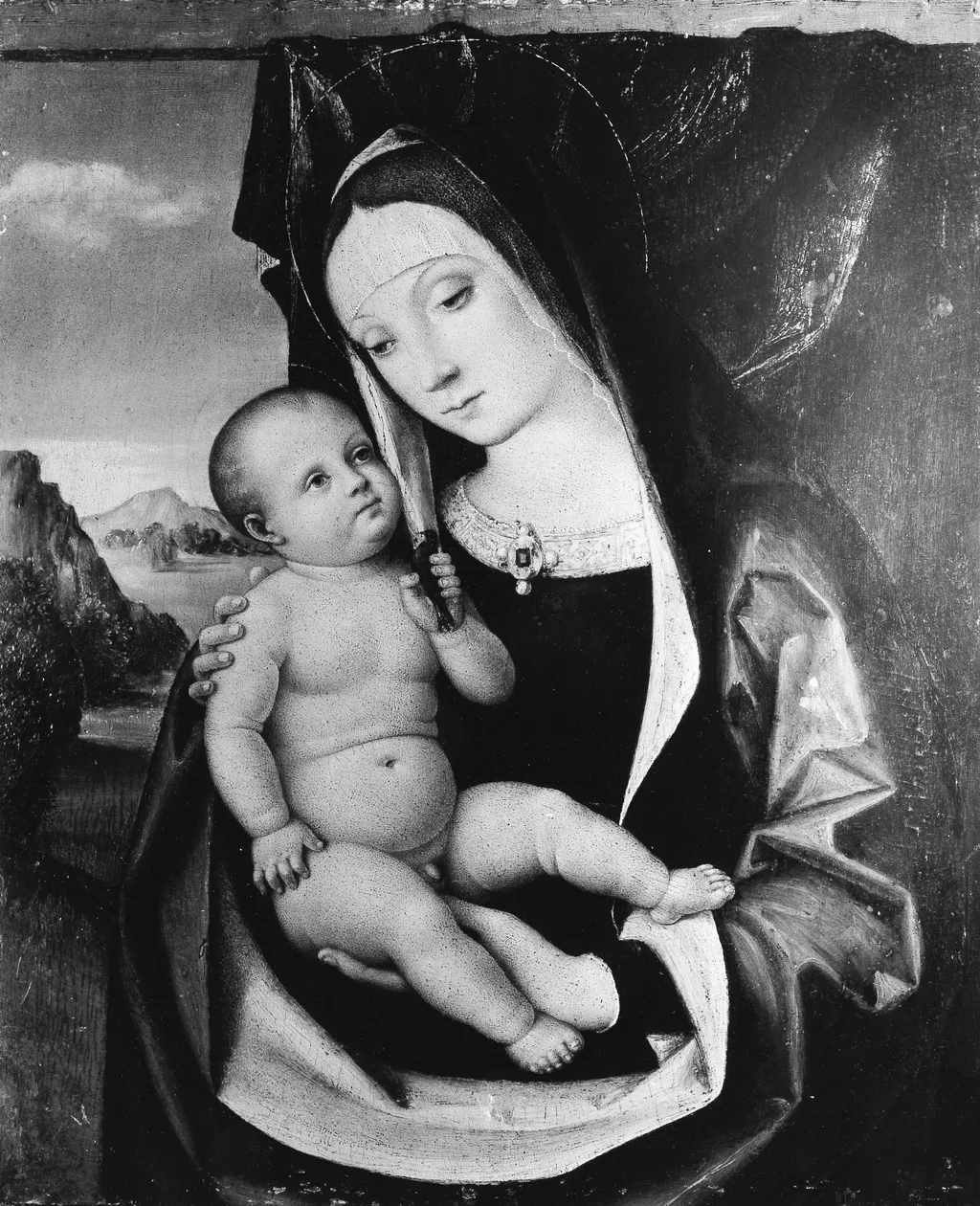
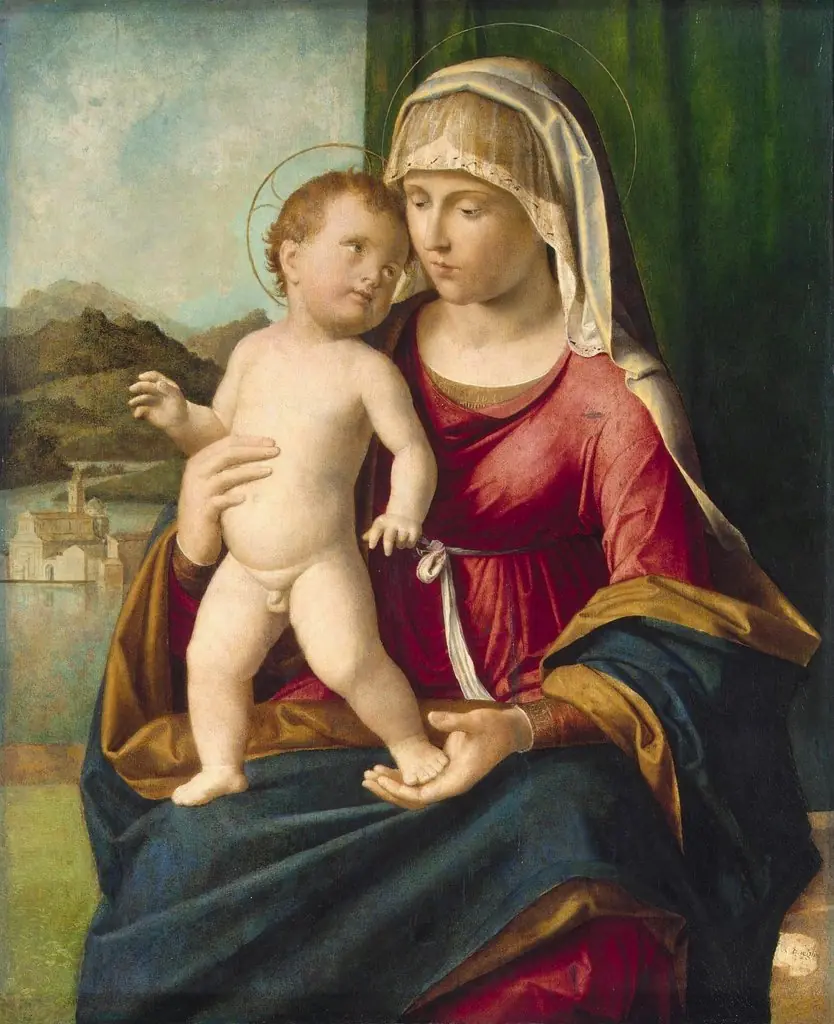
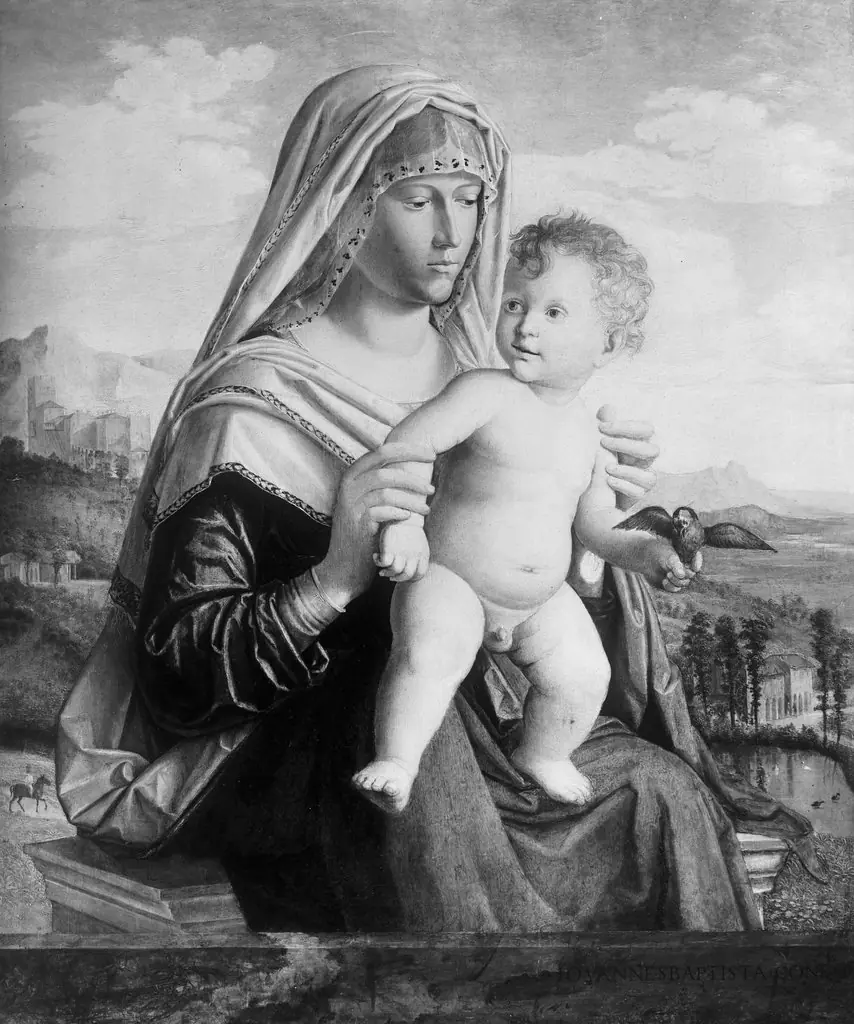
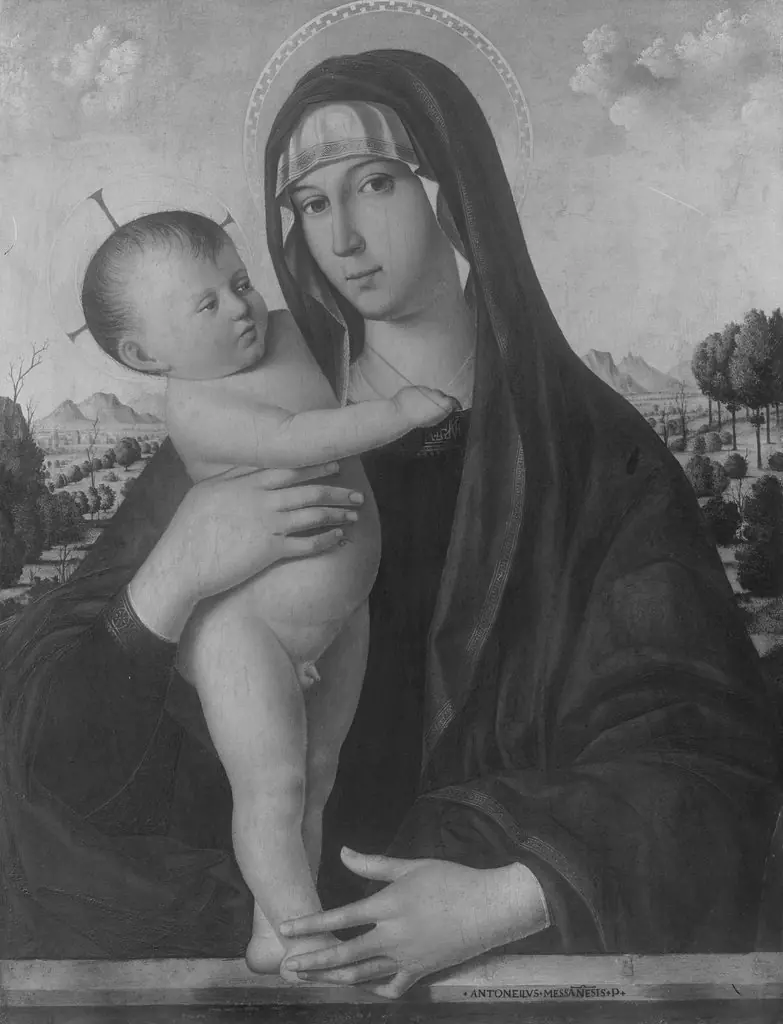
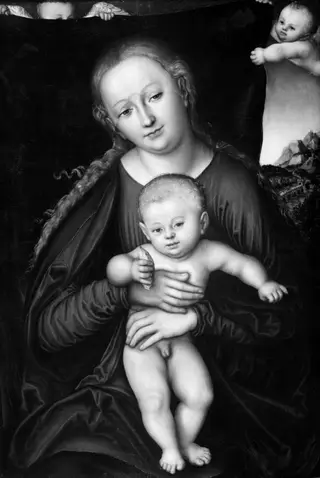
Madonna and Child is a tempera painting by the Early Baroque Italian artist Ercole Banci. It dates from 1600 and is held in the collection of the Metropolitan Museum of Art.
About this work
Subject & Meaning
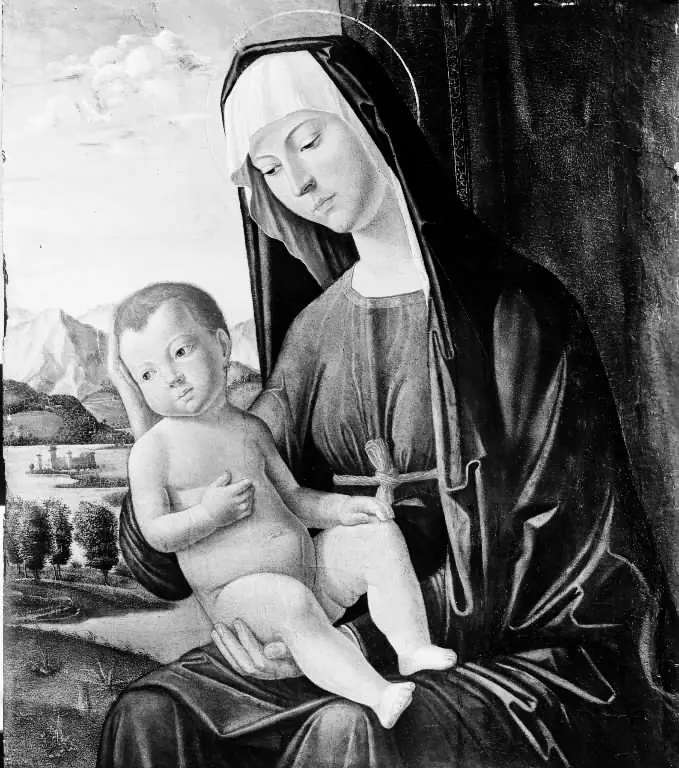
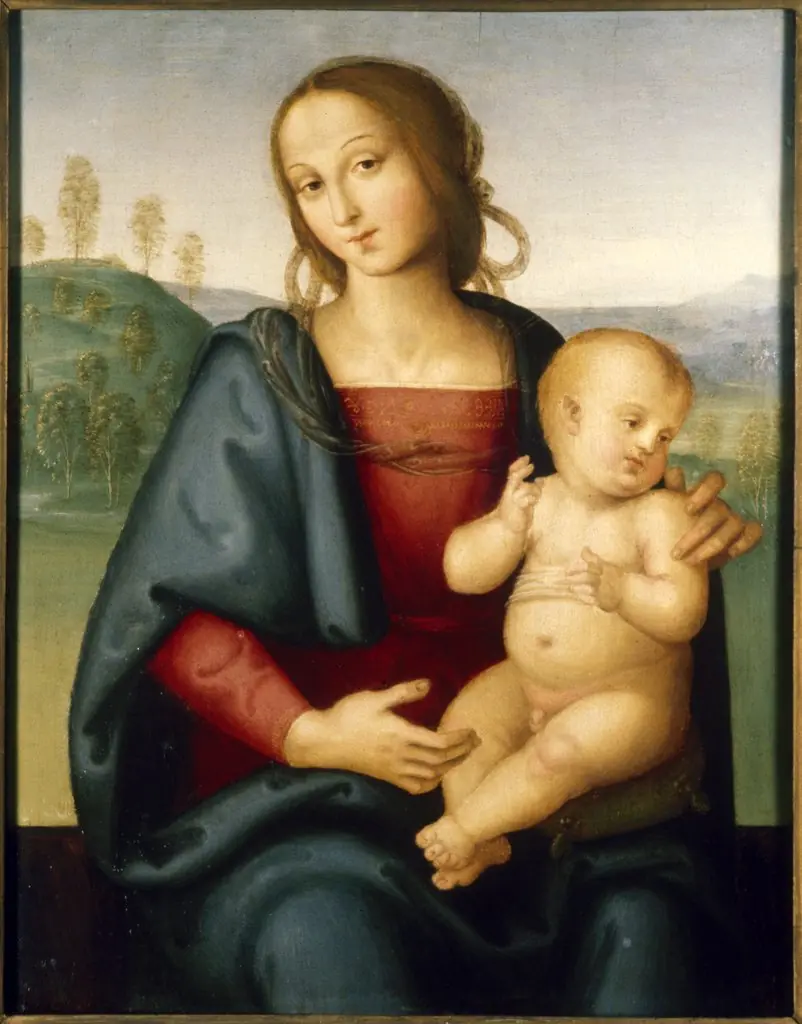
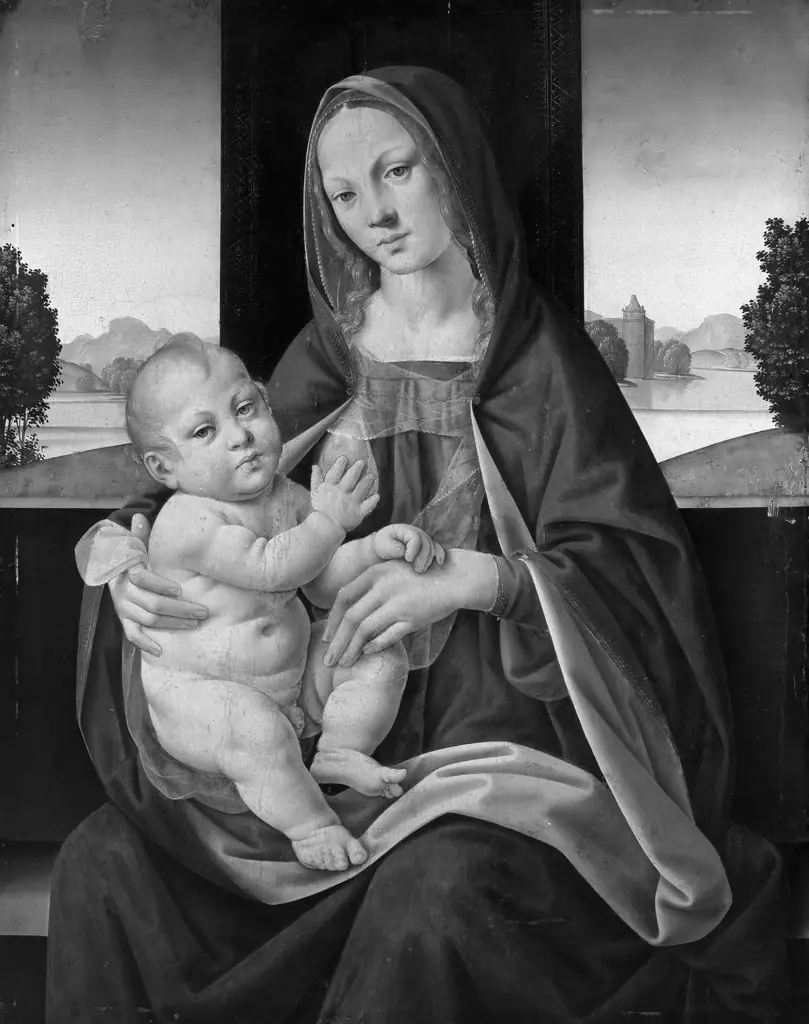
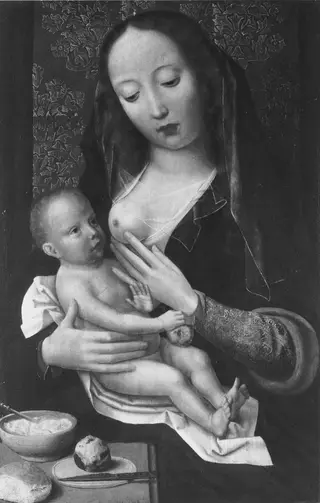
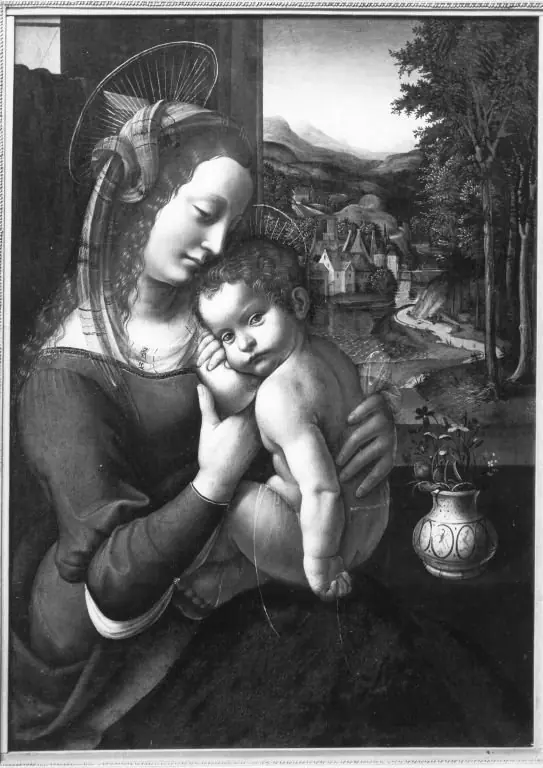
The painting portrays the Virgin Mary holding the infant Jesus, a conventional iconographic pairing in Christian art.
The painting portrays the Virgin Mary holding the infant Jesus, a conventional iconographic pairing in Christian art. The piece is classified as a religious painting and depicts the Madonna and Child. This subject reflects the central role of maternal devotion and the Incarnation within Catholic devotional practice.
The composition underscores the sacred relationship between mother and child, serving as a visual embodiment of theological themes associated with protection and divine humanity. The work is part of the Michael Friedsam Collection at the Metropolitan Museum of Art.
Technique & Style
Executed in 1600 by Ercole Banci, this religious painting uses tempera on a wood support. The work measures 38.7 cm in height and 31.4 cm in width, a compact format typical of devotional imagery from the period. The composition focuses on the Madonna and Child.
While specific details of the artist's brushwork or the panel's current condition are not recorded, the use of tempera on wood aligns with traditional techniques employed for Italian religious art. The piece is held in the Metropolitan Museum of Art, having previously belonged to Michael Friedsam.
History & Provenance
The Madonna and Child was painted by Ercole Banci in 1600 in tempera on wood, depicting the Virgin Mary with the infant Christ. The work measures 38.7 × 31.4 cm and is classified as a religious painting. It entered the collection of Michael Friedsam, whose bequest brought it to the Metropolitan Museum of Art in New York, where it is listed as part of the Michael Friedsam Collection. No specific accession or inventory number is recorded in the available documentation.
Legacy
The painting’s enduring reputation stems from its inclusion in major institutional narratives, particularly its presence in the Michael Friedsam Collection exhibition at the Metropolitan Museum of Art, which highlighted Italian religious artworks of the early 17th century and reinforced scholarly attention to Banci’s oeuvre. Documentation of its provenance, material composition, and genre classification in museum records and catalogues underscores its recognized status within art history, influencing subsequent studies of Madonna and Child imagery and contributing to the broader appreciation of Baroque Italian painting.
Overview
This painting, titled Madonna and Child, was created by Ercole Banci in 1600. Executed on wood, the artwork presents a traditional religious subject, portraying the Virgin Mary tenderly holding the infant Jesus. Both figures engage the viewer directly, their presence emphasized against a subdued backdrop. The piece is currently part of the collection at The Metropolitan Museum of Art.
Own this work as a print
Artist & collection
Artist
Ercole Banci was an Italian painter documented in Bologna between 1470 and 1531. Working in the late 15th and early 16th centuries, he was a follower of Lorenzo Costa and belonged to the Bolognese school then dominated…