Artwork
Madonna and Child
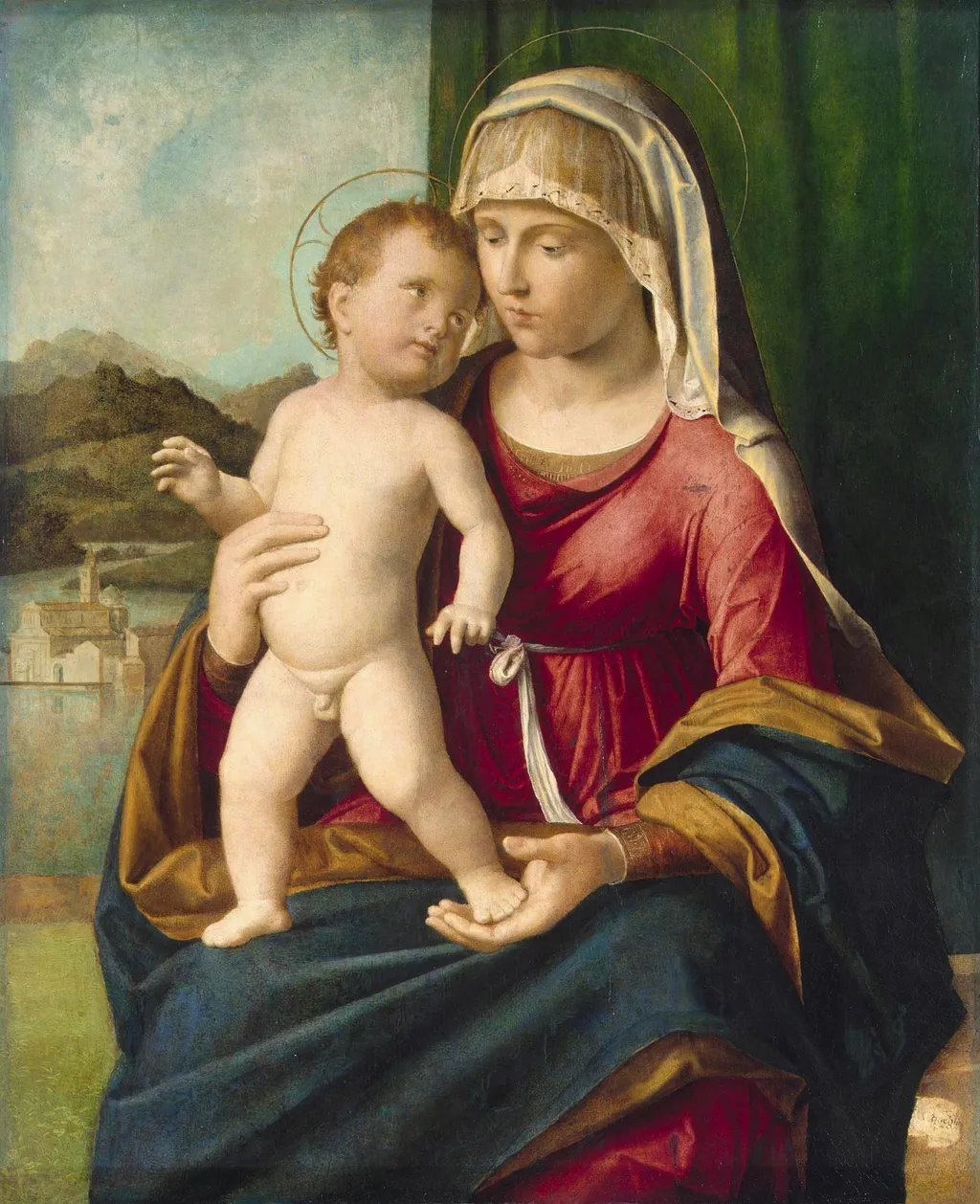
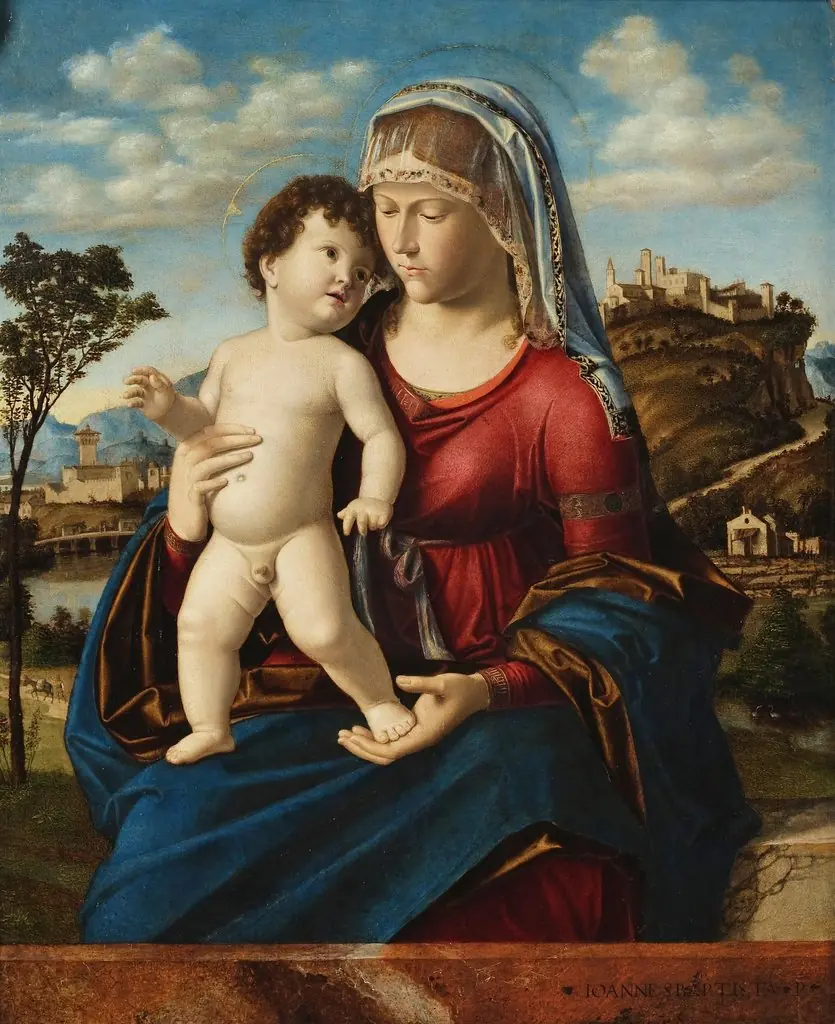
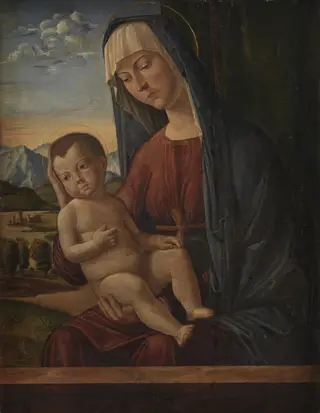
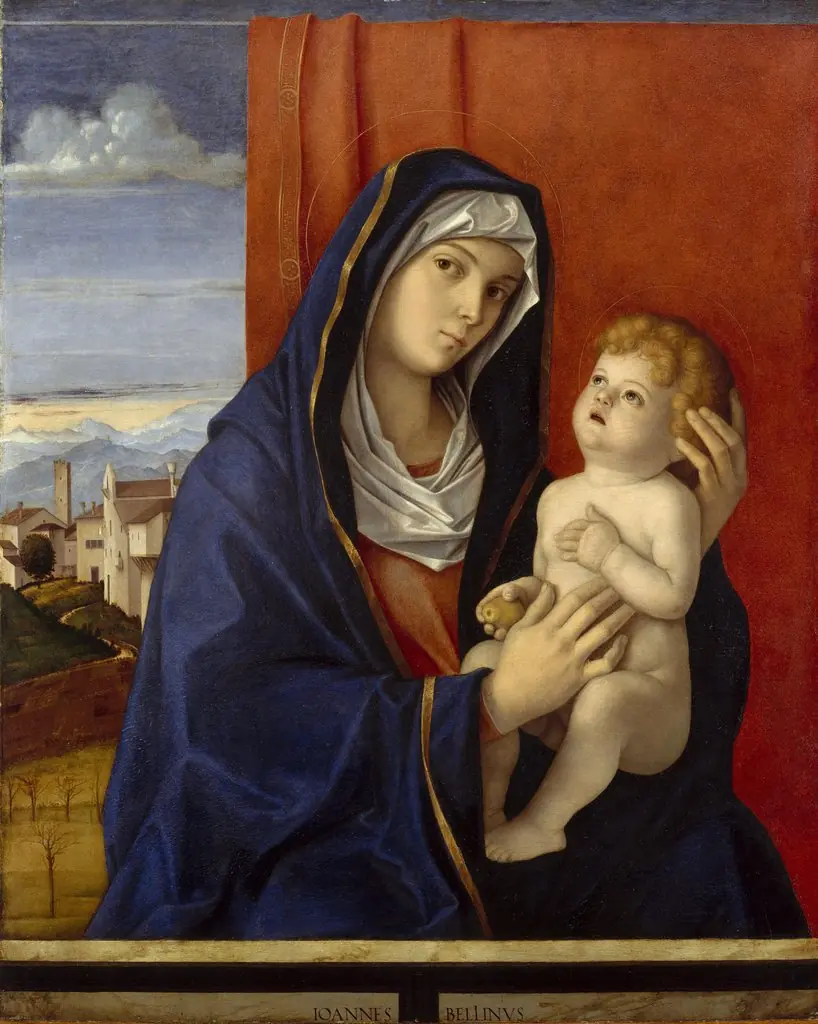
Madonna and Child is an oil painting by the High Renaissance artist Giovanni Battista Cima da Conegliano. It dates from 1498 and is held in the collection of the Hermitage Museum. Cima da Conegliano’s oil on canvas, dated between 1496 and 1499, depicts a seated Virgin with the infant Christ on her lap.
About this work
Subject & Meaning
The artwork is a religious painting whose main subject is the Madonna and Child. It specifically depicts Mary as a mother alongside the Christ Child as a boy, representing a traditional Christian iconographic theme of the Virgin and infant Jesus.
Technique & Style
The work is executed in oil paint on panel, measuring 65 × 53 cm according to Hermitage records (or 66 × 57 cm in other accounts).
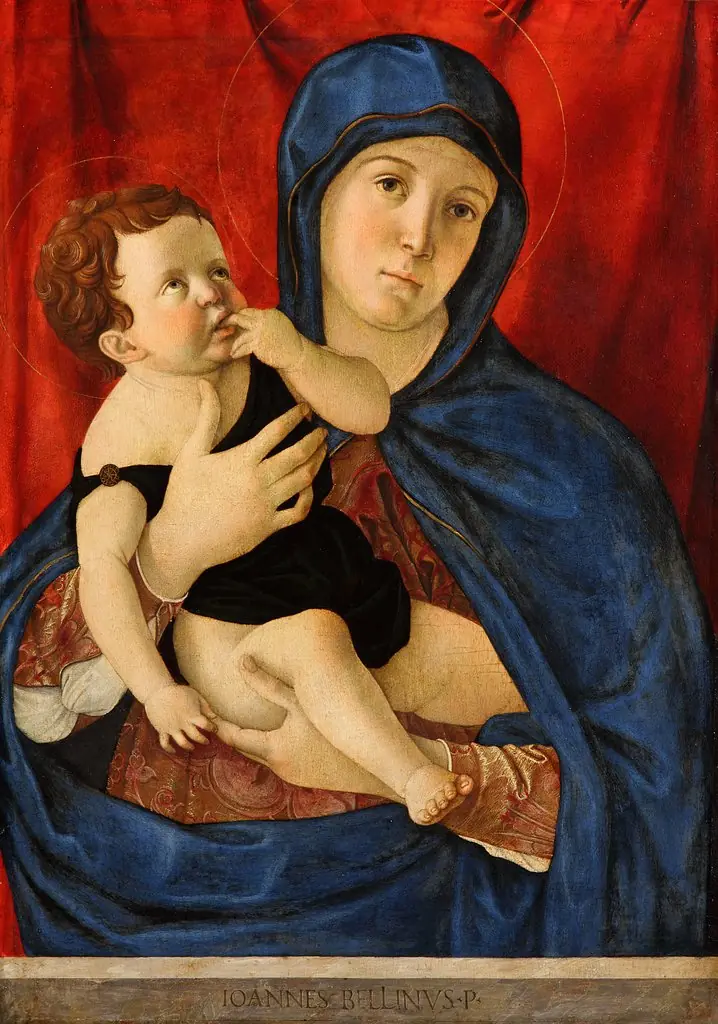
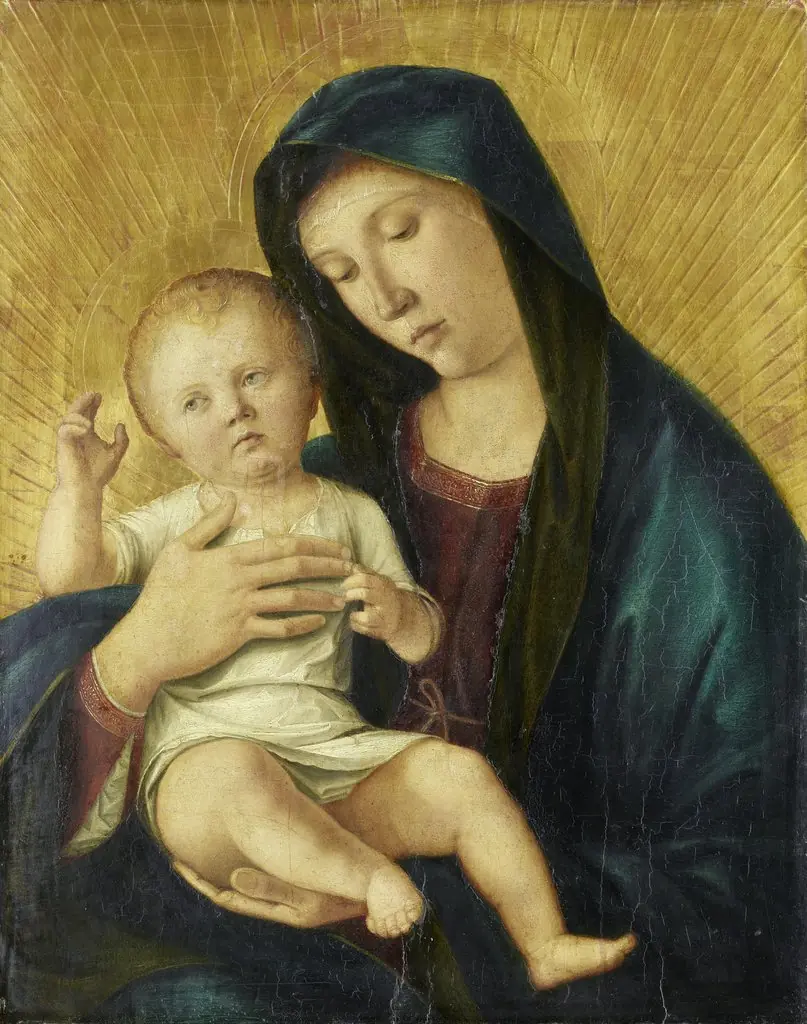
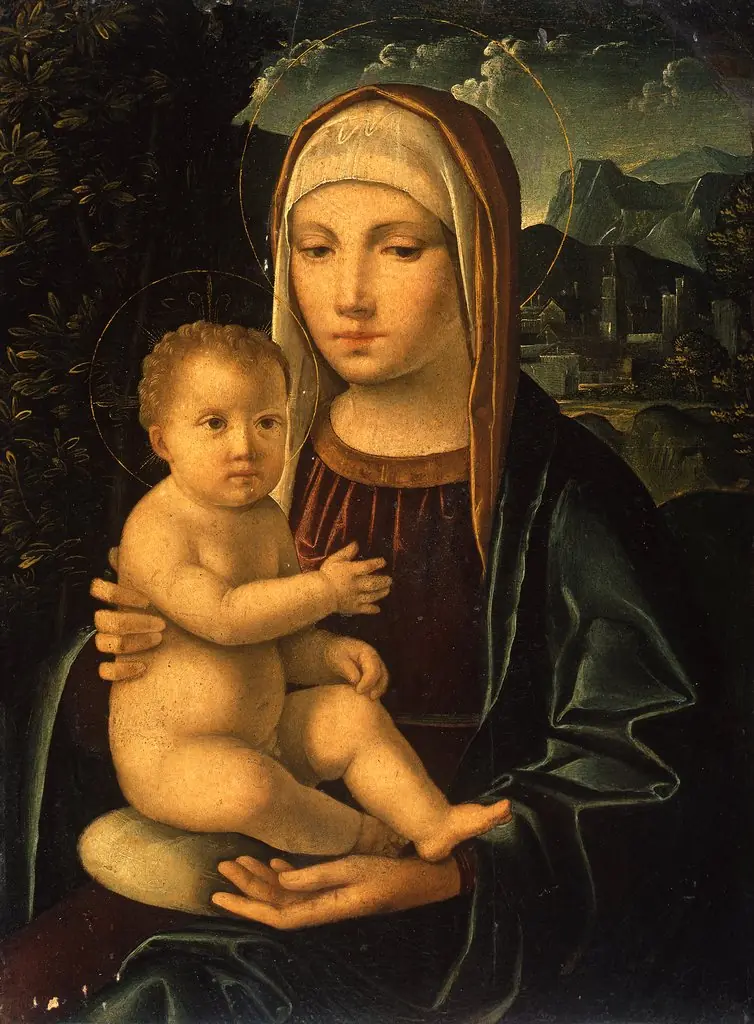
The work is executed in oil paint on panel, measuring 65 × 53 cm according to Hermitage records (or 66 × 57 cm in other accounts). The medium of oil on panel was standard for Venetian painting of this period. Stylistically, the painting belongs to a group of at least five works produced from a single cartoon, an unusual practice for Cima da Conegliano, who typically produced unique compositions. This use of replicated cartoons creates strong similarities across the related works.
History & Provenance
Giovanni Battista Cima da Conegliano painted Madonna and Child in 1496, with some sources suggesting the date extends to 1499. The work was previously held in the L. M. and K. L. Kochubey collection before being seized by the Soviet Union's State Museum Fund. In 1921, it was transferred to the Hermitage Museum in Saint Petersburg, where it remains today.
Unusually for Cima da Conegliano, who typically produced unique works, this painting belongs to a group of at least five works derived from a single cartoon, indicating a more workshop-based production method.
The painting is held in the State Hermitage Museum, Saint Petersburg. It entered the museum’s collection in 1921 after seizure by the Soviet State Museum Fund from the L. M. and K. L. Kochubey collection.
Inventory records list the work as accessioned in the Hermitage’s holdings, where it remains on public display.
Context
Painted by Giovanni Battista Cima da Conegliano between 1496 and 1499, this work exemplifies the artist's mature style within the Italian Renaissance. While Cima typically produced unique compositions, scholarship notes that this specific painting belongs to a group of at least five works derived from a single cartoon, marking a notable exception in his oeuvre. The piece is currently held in the Hermitage Museum in Saint Petersburg, having entered the collection in 1921 after being seized from the Kochubey family by the Soviet State Museum Fund.
Its existence as part of a series highlights a specific methodological approach by the artist, distinguishing it from his usual singular output while maintaining the devotional focus characteristic of his religious genre.
Legacy
The painting's legacy is distinguished by its status as a rare example of Cima da Conegliano working from a shared cartoon rather than creating a unique composition. Sources indicate that this specific work belongs to a group of at least five paintings derived from the same design, a departure from the artist's usual practice of producing singular works. This repetition suggests the composition held significant appeal or utility for the master during the late 1490s.
The work has maintained a prominent institutional reputation since entering the Hermitage Museum in Saint Petersburg in 1921. Previously held in the Kochubey collection, its seizure by the Soviet State Museum Fund and subsequent transfer to the national museum secured its place within a major public collection, ensuring its continued visibility and study.
Overview
Cima da Conegliano’s oil on canvas, dated between 1496 and 1499, depicts a seated Virgin with the infant Christ on her lap. The composition is anchored by the figures’ solemn expressions and a muted landscape that recedes into a hazy horizon, framing the intimate moment.
Own this work as a print
Artist & collection
Artist
Giovanni Battista Cima da Conegliano
Giovanni Battista Cima, also called Cima da Conegliano (c. 1459 – c. 1517), was an Italian Renaissance painter, who mostly worked in Venice. He can be considered part of the Venetian school, though he was also…

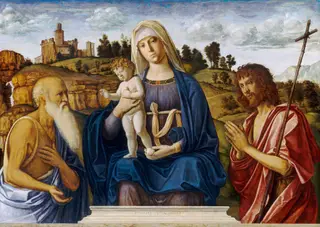 Madonna and Child with Saint Jerome and Saint John the Baptist
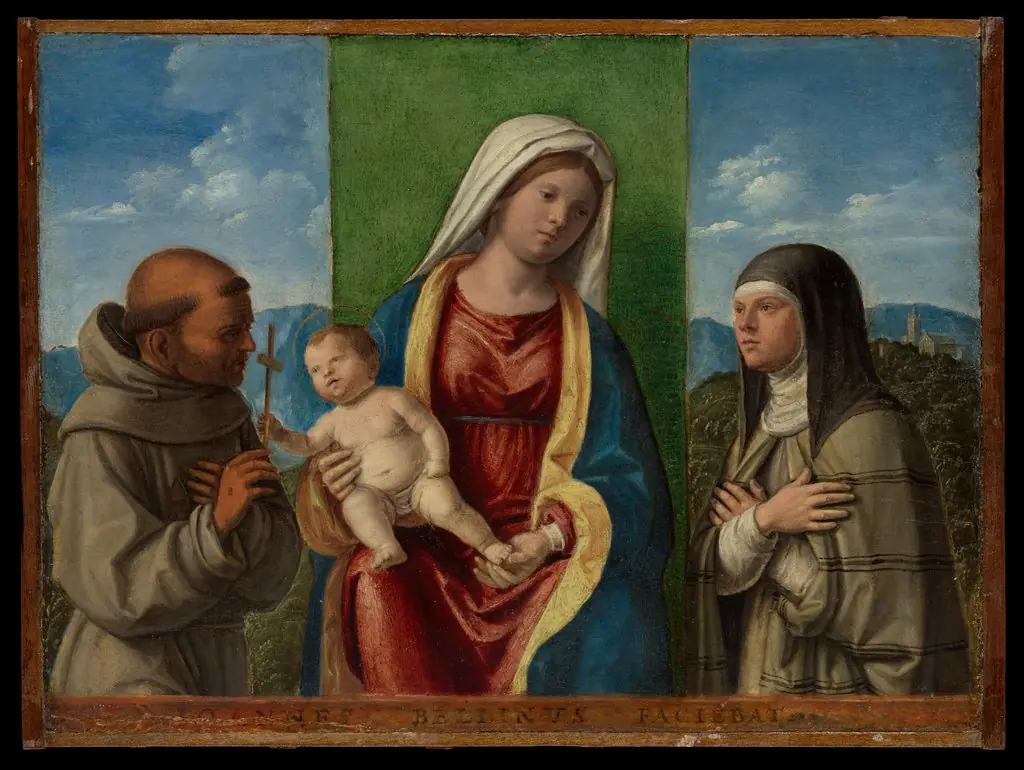 Madonna and Child with Saints Francis and Clare
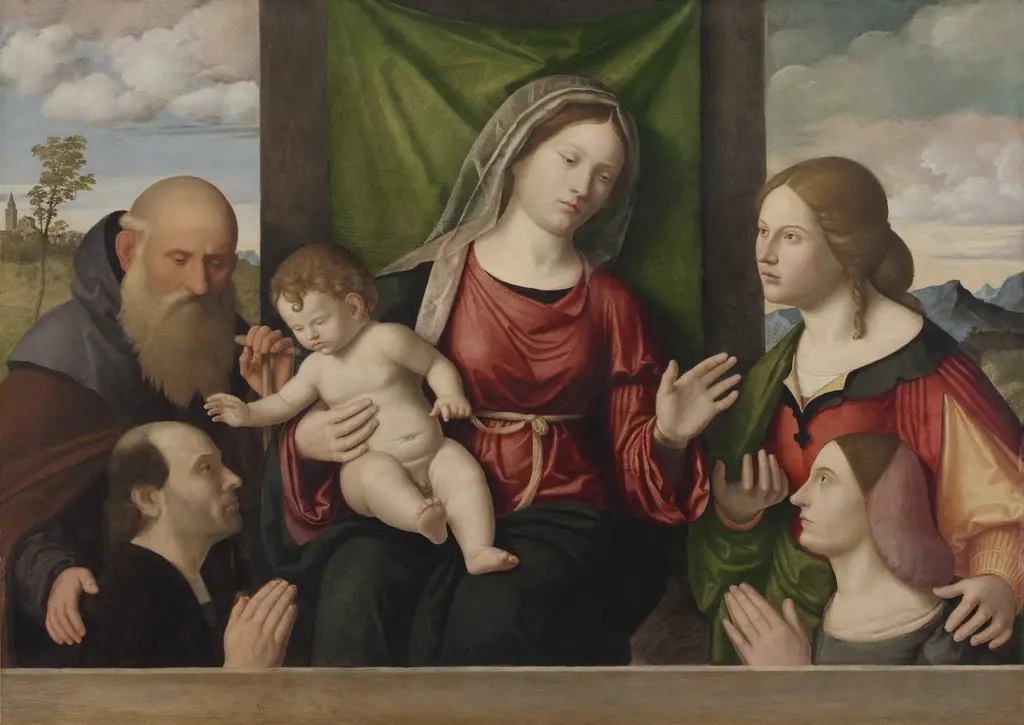 Virgin and Child with Saints and Donors
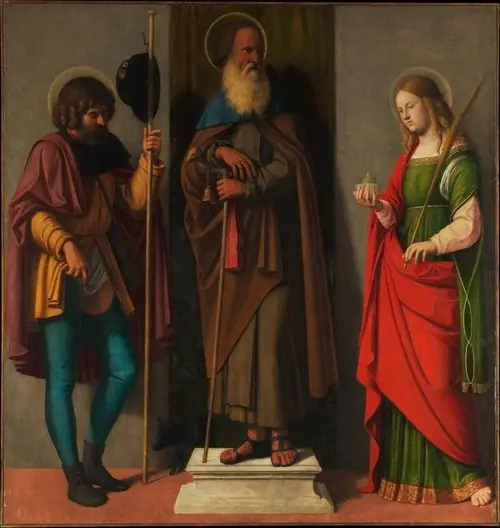 Saints Roch, Anthony Abbot and Lucy
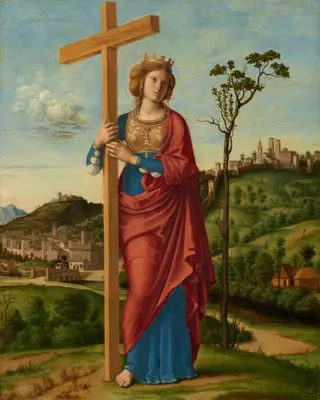 Saint Helena
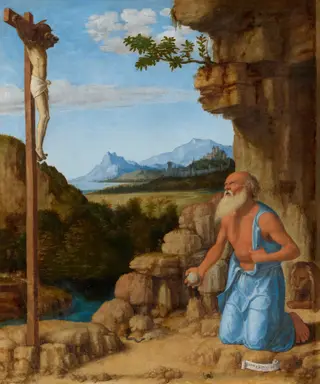 Saint Jerome in the Wilderness
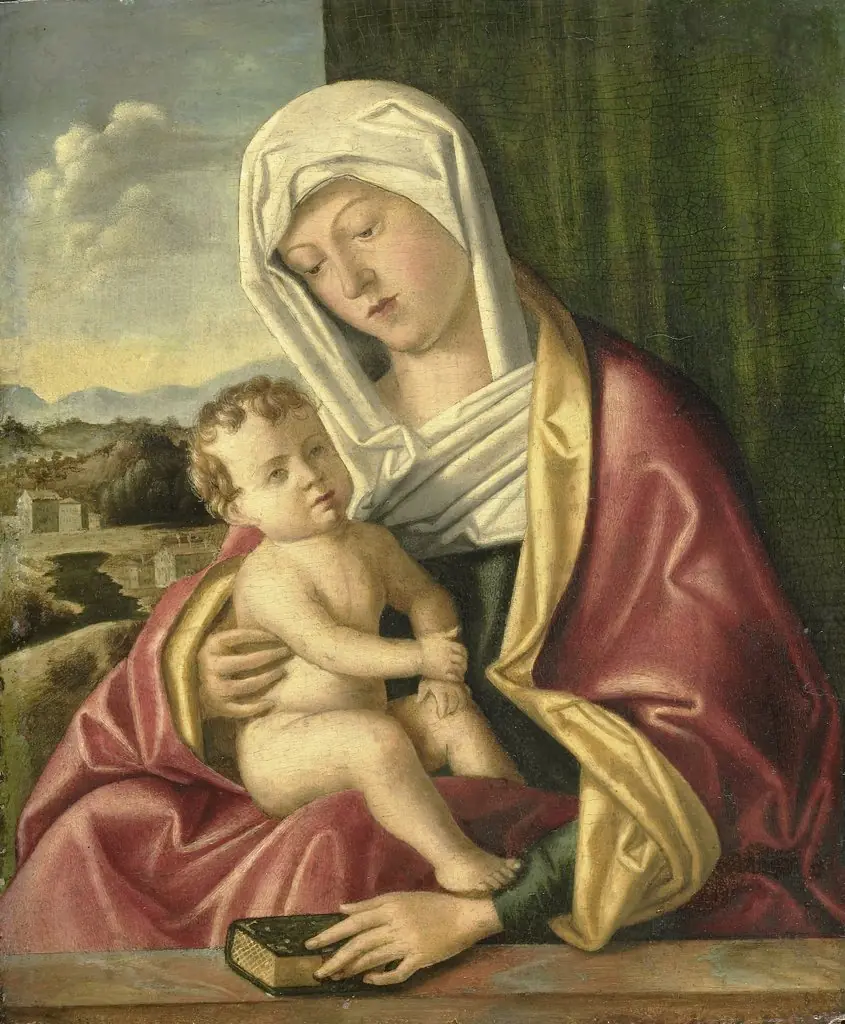 Virgin and Child
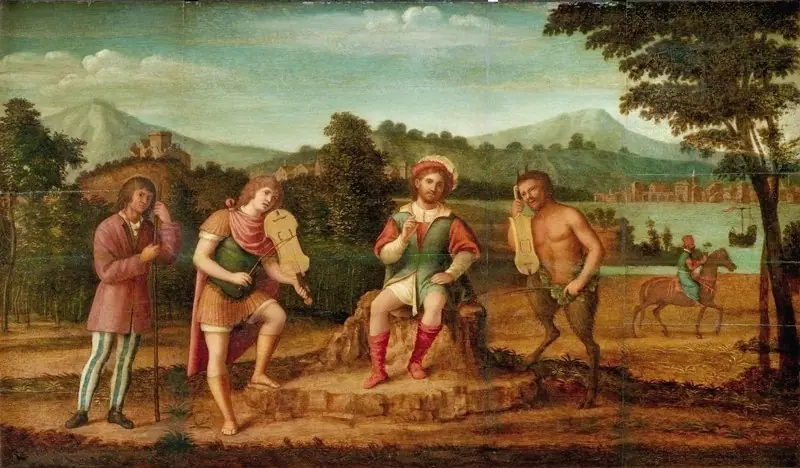 The Judgement of Midas. The Musical Contest between Apollo and Marsyas