Artwork
The Bronx River
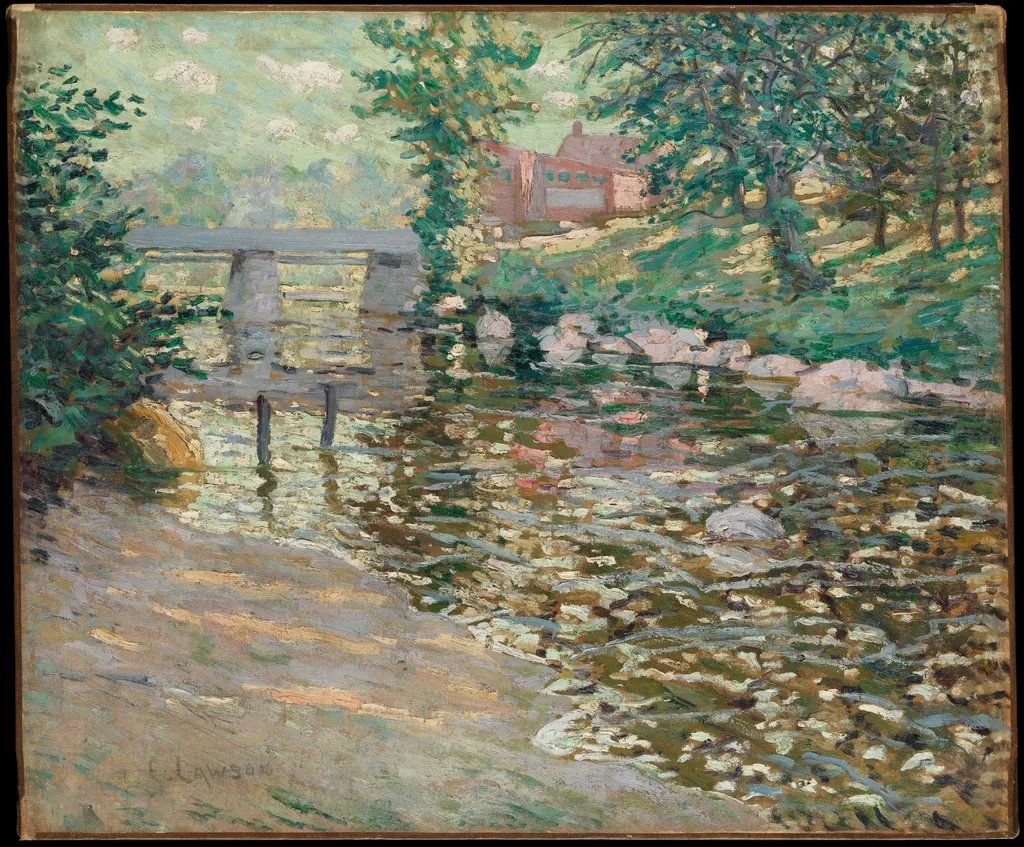
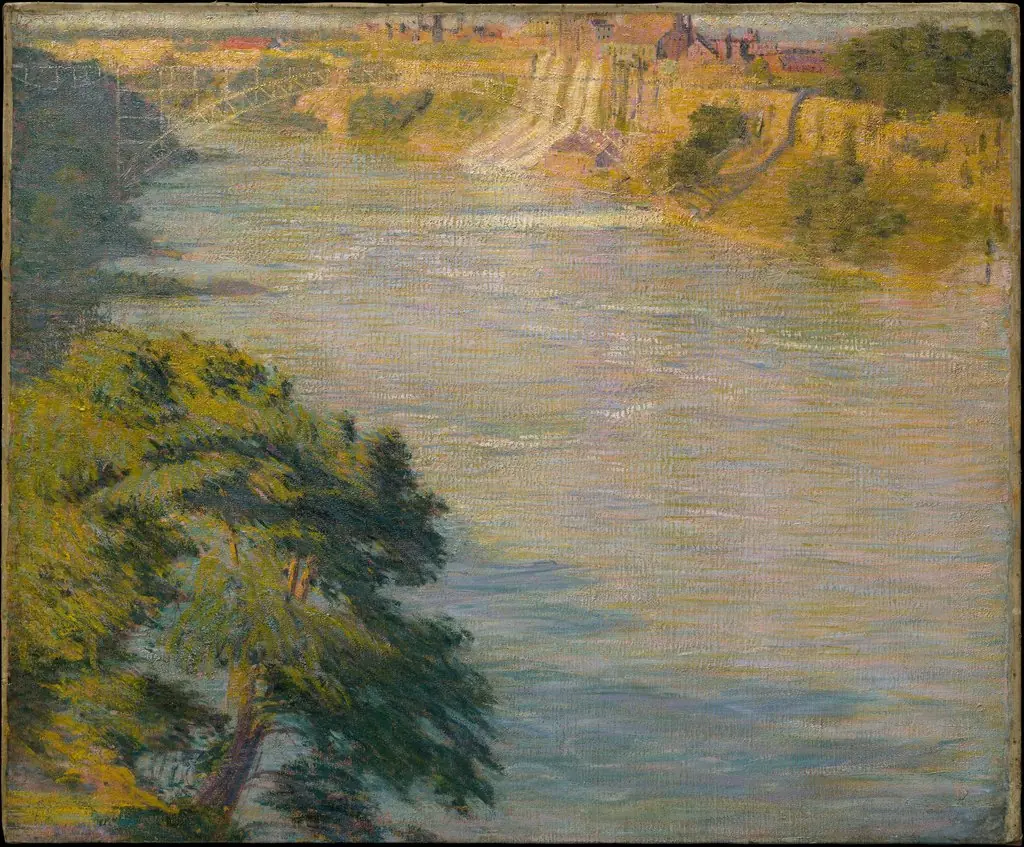
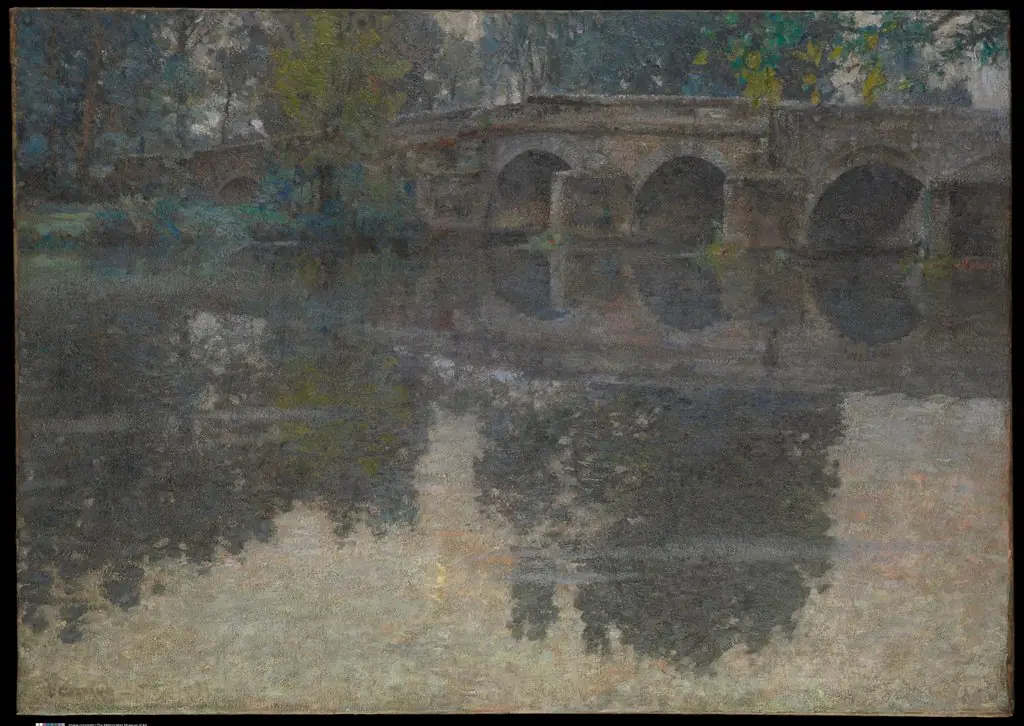
The Bronx River is an oil painting by the American Impressionist artist Ernest Lawson. It dates from 1910 and is held in the collection of the Metropolitan Museum of Art.
About this work
Subject & Meaning
Its representation of water and foliage functions symbolically, evoking notions of serenity and the untouched environment amid rapid urban expansion.
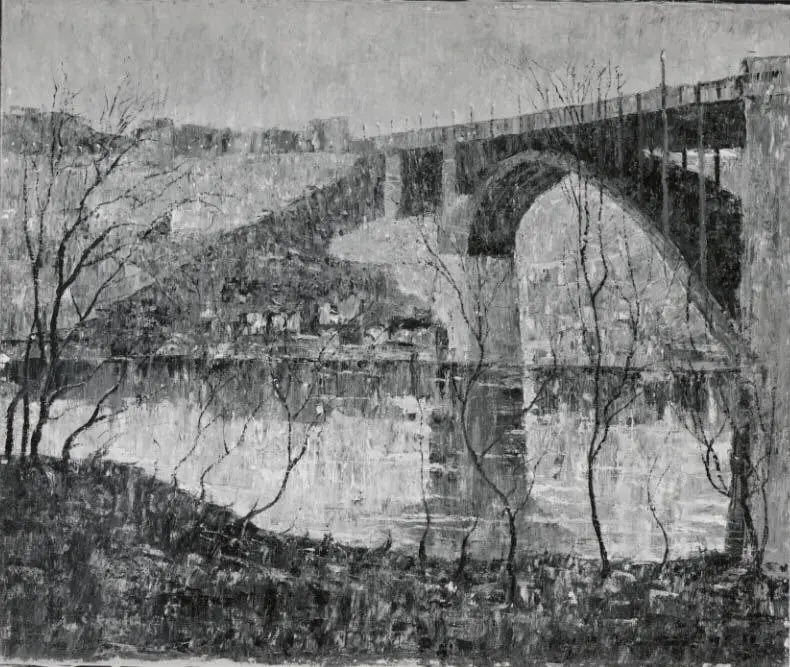
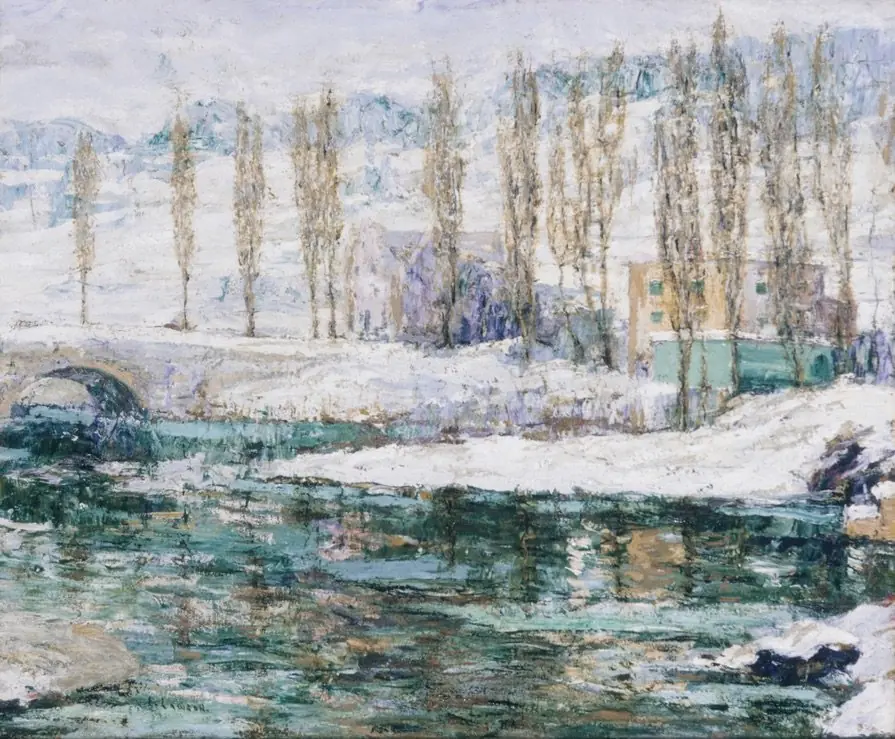
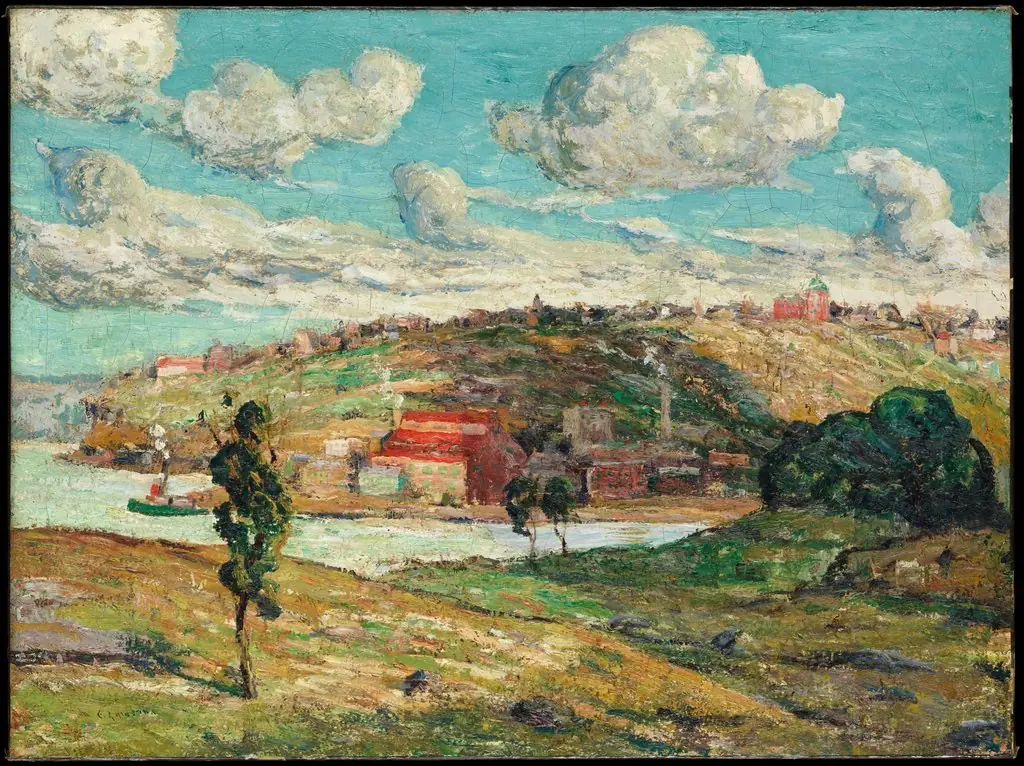
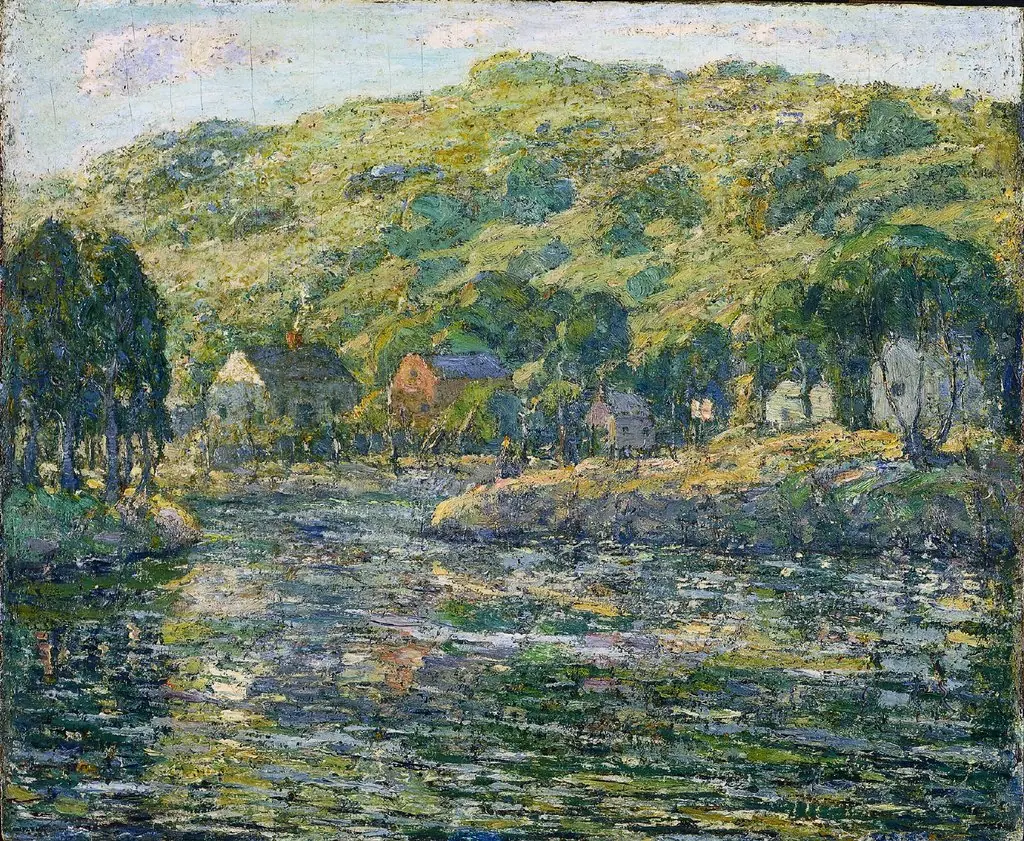
The Bronx River, painted by Ernest Lawson in 1910, portrays a tranquil river flanked by trees within a cultivated landscape. Executed in oil on canvas, the work exemplifies the landscape genre prevalent in early twentieth‑century American art, emphasizing natural scenery as a subject of contemplation. Its representation of water and foliage functions symbolically, evoking notions of serenity and the untouched environment amid rapid urban expansion.
The painting is housed in the Metropolitan Museum of Art, where it remains part of the institution’s collection of American landscapes.
Technique & Style
Ernest Lawson’s The Bronx River (1910) is executed in oil paint on canvas, a medium and support consistent with early 20th-century American landscape painting. Measuring 53.3 by 63.5 centimeters [], the work employs a textured, impasto technique, with thick, visible brushstrokes that build up the surface to convey the tactile qualities of foliage and water []. Lawson’s handling is loose yet deliberate, blending Impressionist influences, such as broken color and luminous effects, with a more robust, almost Post-Impressionist application of pigment.
The composition balances naturalistic depiction with expressive abstraction, particularly in the dappled light and rhythmic patterning of trees and river. Stylistically, the painting emphasizes atmospheric depth and vibrant chromatic contrasts, while maintaining a structured, harmonious arrangement of forms [,].
History & Provenance
The Bronx River by Ernest Lawson is held by the Metropolitan Museum of Art in New York (accession not specified in sources). The painting entered the museum’s collection as part of its holdings of Lawson’s works, where it remains located. No exhibition history is documented in the provided sources.
Overview
The Bronx River, an oil painting created by Canadian-American artist Ernest Lawson in 1910, captures a specific natural setting. This landscape exemplifies Lawson's characteristic focus on depicting outdoor scenes, rendered with a distinctive artistic vision. The artwork is presently held within the esteemed collection of The Metropolitan Museum of Art, representing a notable contribution to his body of work.
Context
Ernest Lawson, celebrated for his landscape paintings, was a prominent member of "The Eight," a group that challenged the conservative exhibition policies of the National Academy of Design. His artistic development was significantly influenced by painters such as John Henry Twachtman, J. Alden Weir, and Alfred Sisley. Their impact on his handling of light and texture is evident in works like The Bronx River, showcasing his unique synthesis of these influences.
Own this work as a print
Artist & collection
Artist
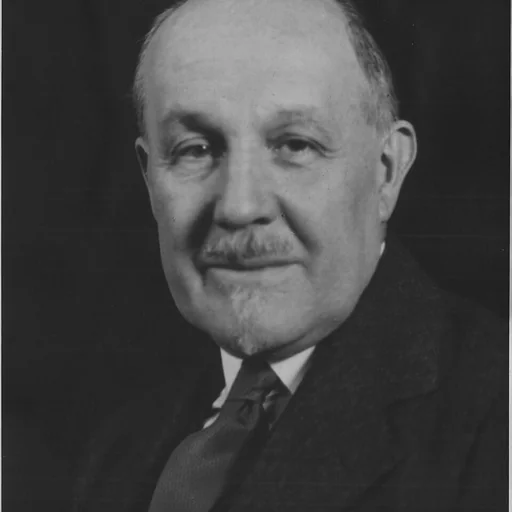
Ernest Lawson (March 22, 1873 – December 18, 1939) was a Canadian-American painter and exhibited his work at the Canadian Art Club and as a member of the American group The Eight, artists who formed a loose association…