Artwork
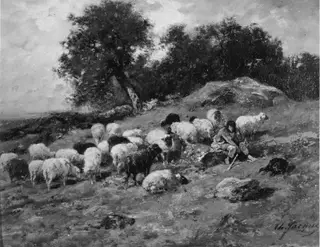
Landscape near Cayenz with a Sheepdog and Flock
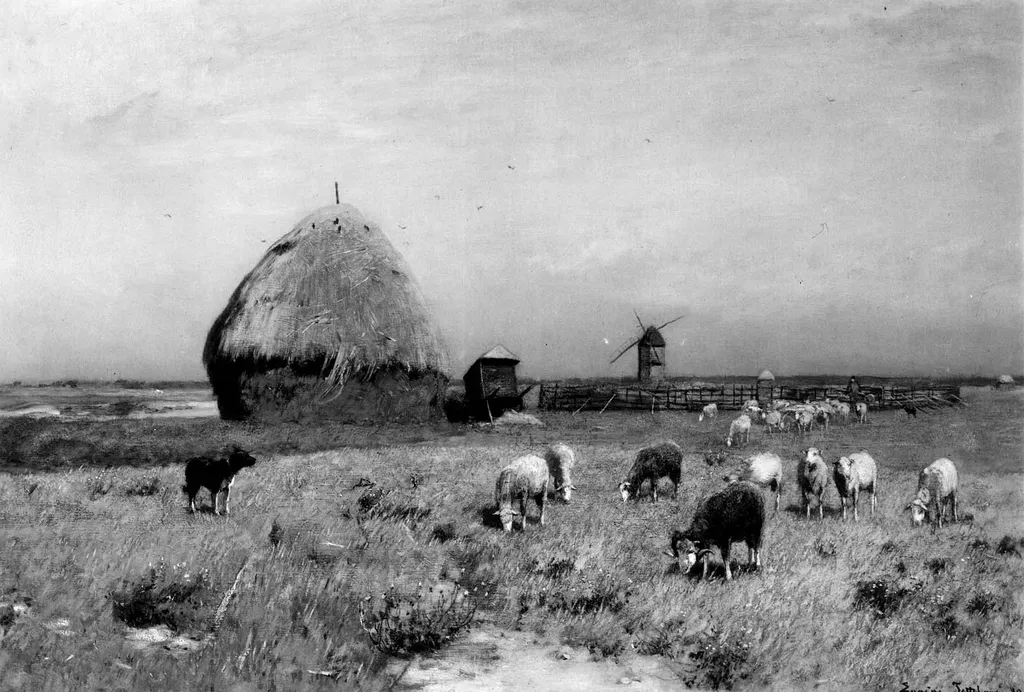
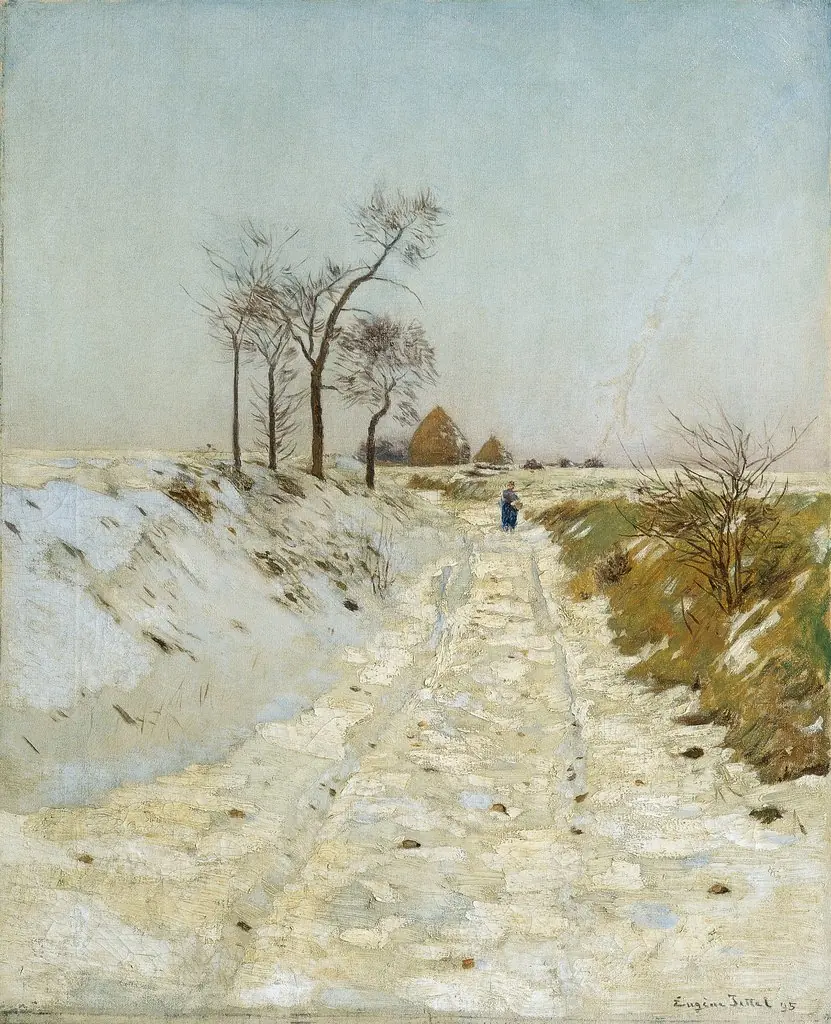
Landscape near Cayenz with a Sheepdog and Flock is an oil painting by the Post-Impressionist artist Eugen Jettel. It dates from 1895 and is held in the collection of the Museum of Fine Arts Boston.
About this work
Overview
Landscape near Cayenz with a Sheepdog and Flock is a 1895 oil painting by Austrian artist Eugen Jettel, known for his landscapes.
Subject & Meaning
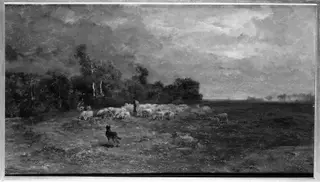
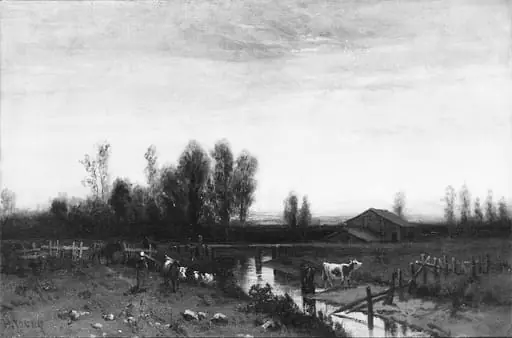
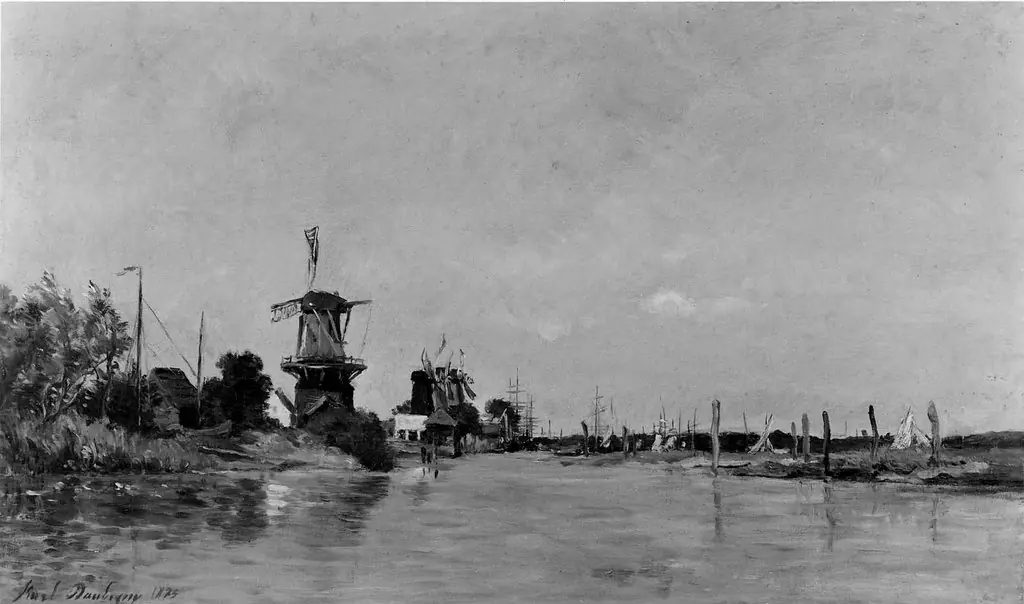
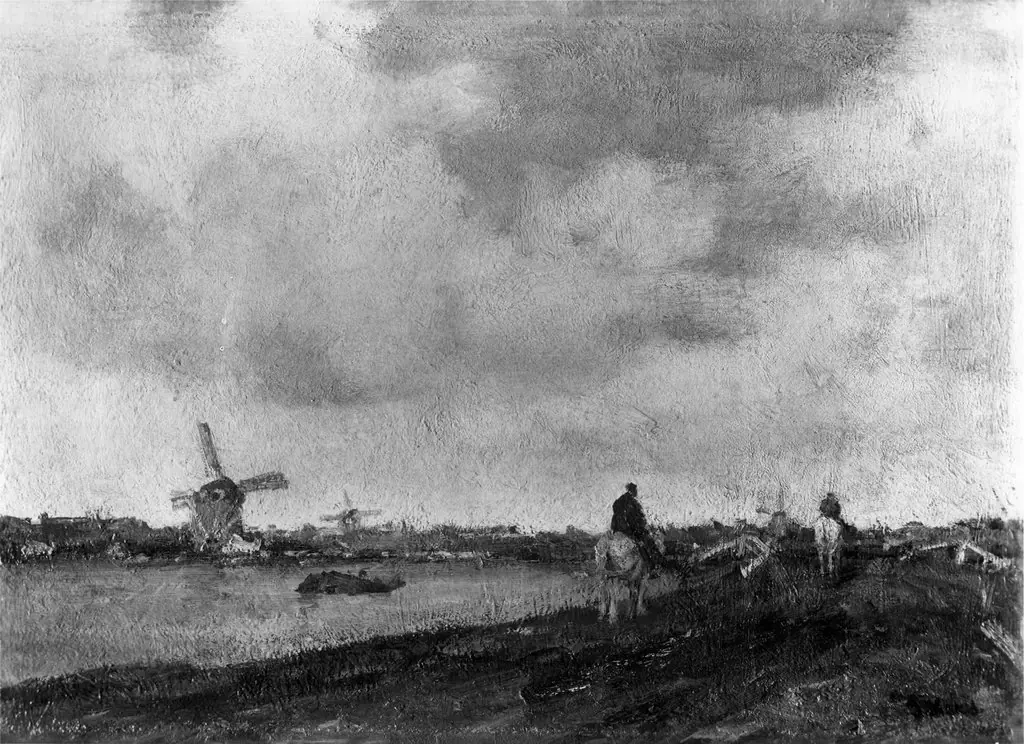
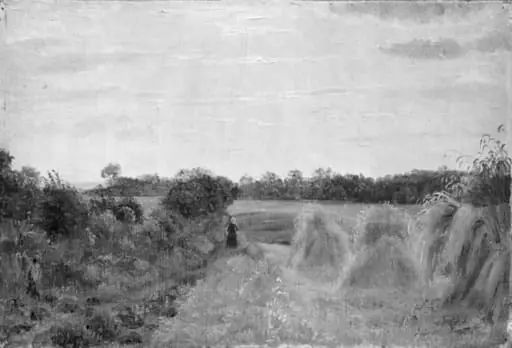
The painting depicts a serene countryside scene with a flock of sheep, a sheepdog, and a landscape featuring a haystack, wooden shed, and distant windmill. The sheep are scattered, grazing in a grassy field, with varying colors and textures.
Technique & Style
Jettel's use of oil paint and impasto technique creates a textured, three-dimensional effect, particularly on the haystack and sheep. The thick paint stands out from the surface, capturing the play of light on the subjects.
History & Provenance
Eugen Jettel studied at the Vienna Academy, moved to Paris in 1873, and later co-founded the Vienna Secession upon his return to Vienna in 1897. The painting reflects his association with the post-impressionist movement.
Artist & collection
Artist
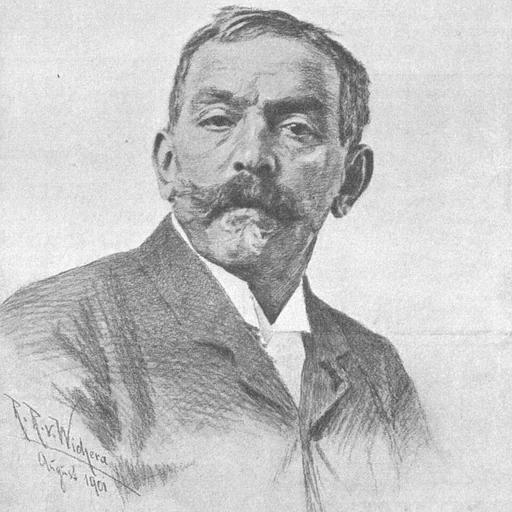
Richard Alfred Eugen Jettel (20 March 1845 – 27 August 1901) was an Austrian painter, producing mainly landscapes.